Types of Parad Lions
A Parad lion, also known as a singing lion, is a unique and culturally rich puppet-based musical instrument deeply rooted in African traditions. These expressive creations blend artistry, music, and storytelling, serving both as musical instruments and cherished toys. Revered for their symbolic representation of strength, courage, and community spirit, Parad lions are often featured in celebrations, rituals, and family settings. Below is a detailed exploration of the various types of Parad lions, each offering distinct materials, functions, and cultural significance.
Wooden Parad Lion
Crafted from sustainably sourced hardwoods and hand-carved by skilled artisans, the wooden Parad lion represents the traditional roots of this cultural icon.
Advantages
- Highly durable and long-lasting
- Rich in cultural and artistic value
- Often features intricate carvings and vibrant paintwork
- Some models include movable joints or strings for puppet-like motion
Limitations
- Heavier and less portable
- Not suitable for young children due to weight and rigidity
- Higher cost due to craftsmanship
Best for: Decorative display, cultural exhibitions, traditional performances
Soft Toy Parad Lion
Modern iterations of the Parad lion are designed as plush, huggable stuffed animals, combining comfort with interactive musical features.
Advantages
- Safe and soft for children of all ages
- Encourages emotional bonding and imaginative play
- Equipped with sound modules that play songs when squeezed or activated
- Available in various sizes and colors
Limitations
- Less culturally authentic in design
- Electronic components may require battery replacement
- Not as durable with heavy use
Best for: Children’s toys, bedtime companions, educational settings
Musical Box Parad Lion
This elegant version integrates a mechanical music box into a lion-shaped body, producing melodic tunes when wound with a key.
Advantages
- Produces high-quality, soothing acoustic melodies
- Available in wood, metal, or composite finishes for varied aesthetics
- No batteries required—powered by manual winding
- Often used as heirloom gifts or collectibles
Limitations
- Limited song selection (typically one tune per box)
- Mechanism can wear out over time
- Fragile components require careful handling
Best for: Gift-giving, musical decoration, nostalgic keepsakes
Sound Crystal Parad Lion
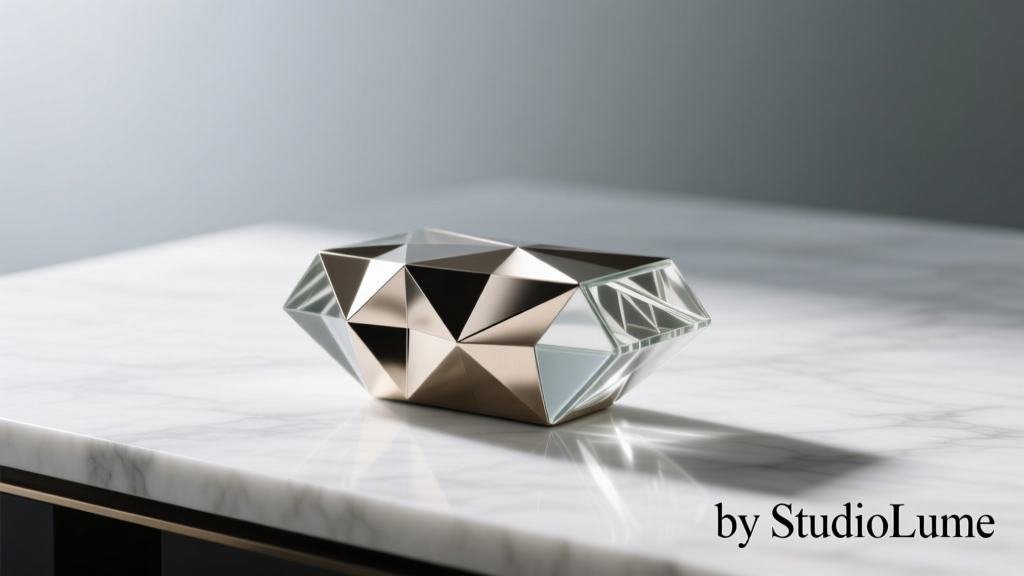
A rare and artistic variant, the sound crystal Parad lion is crafted from glass or crystal and produces ethereal tones through vibration.
Advantages
- Produces unique, resonant chimes when exposed to light or energy
- Highly decorative with a luminous, elegant appearance
- Used in spiritual or ceremonial contexts for its symbolic clarity
- Often hand-blown or artistically sculpted
Limitations
- Extremely fragile and not suitable for handling
- Higher price point due to artisan craftsmanship
- Limited functionality beyond ambient sound
Best for: Ceremonial use, art collections, special occasion décor
| Type | Material | Sound Mechanism | Durability | Primary Use |
|---|---|---|---|---|
| Wooden Parad Lion | Hardwood, paint | Puppet strings or manual movement | High | Cultural display, traditional performances |
| Soft Toy Parad Lion | Fabric, stuffing, electronics | Press-button or squeeze-activated sound chip | Medium | Children's toy, interactive play |
| Musical Box Parad Lion | Wood, metal, plastic | Mechanical wind-up music box | Medium-High | Decorative music, gift items |
| Sound Crystal Parad Lion | Crystal, glass | Vibration/light-activated resonance | Low (fragile) | Artistic display, ceremonial use |
Expert Tip: When displaying a Sound Crystal Parad Lion, place it in a sunlit area or near a gentle breeze to naturally activate its melodic vibrations, enhancing both ambiance and cultural authenticity.
Design of the Parad Lion: A Playful Fusion of Art and Music
The Parad Lion, also known as the Singing Lion, is a whimsical and interactive toy that blends imaginative design with musical functionality. Inspired by traditional musical instruments and beloved children's toys from various cultures, the Parad Lion captivates young audiences through its vibrant appearance and engaging features. Designed to entertain, educate, and stimulate sensory development, this charming figure has become a favorite in homes, classrooms, and playrooms around the world.
Core Design Elements of the Parad Lion
Each aspect of the Parad Lion’s design is carefully crafted to appeal to children while promoting interaction and cognitive development. Below are the key components that define its unique identity:
Lion Figure: Symbol of Strength and Majesty
The central design of the Parad Lion is modeled after the majestic lion, an animal often associated with courage, royalty, and leadership across cultures. The toy features a stylized lion head with a full, sculpted mane that emphasizes its regal presence. This anthropomorphic design gives the lion a friendly yet powerful expression, making it both approachable and inspiring for children.
The overall body structure maintains a balanced, sturdy posture, ensuring stability during play. Its exaggerated facial features—such as large eyes and a wide, smiling mouth—enhance emotional connection and make the lion appear animated and expressive, especially when producing sound or movement.
Vibrant and Colorful Aesthetic
Color plays a vital role in the Parad Lion’s design. Most versions feature a palette of bright, saturated hues such as red, yellow, blue, and green. These bold colors are not only visually stimulating but also serve developmental purposes by helping children identify and differentiate between shades.
The strategic use of contrasting colors on the mane, face, and body draws attention and enhances the toy’s visibility, making it stand out in any environment. This chromatic vibrancy is especially effective in early learning settings, where visual engagement supports attention span and recognition skills.
Intricate Artistic Details
Beyond its basic form, the Parad Lion is adorned with artistic embellishments that elevate its playful charm. These include hand-painted patterns, stickers, or printed motifs such as stars, polka dots, swirls, and cartoon-like symbols. Some designs even incorporate thematic elements like musical notes or fantasy creatures.
These decorative details contribute to a sense of whimsy and creativity, encouraging imaginative storytelling and role-playing. The combination of texture, pattern, and imagery transforms the Parad Lion from a simple musical box into a dynamic storytelling companion for young minds.
Interactive Functional Features
One of the most distinctive aspects of the Parad Lion is its interactive functionality. Integrated into the design are user-friendly mechanisms such as push buttons, pull strings, rotating levers, and touch-sensitive panels. Activating these controls triggers a range of responses including melodies, sound effects (like roars or laughter), and mechanical movements (such as nodding the head or waving paws).
These features are engineered with child safety and ergonomics in mind—buttons are large enough for small hands, and edges are smoothly finished to prevent injury. The integration of music and motion fosters cause-and-effect learning, auditory development, and fine motor skill enhancement.
Design Purpose and Educational Value
The overall design of the Parad Lion is intentionally eye-catching, playful, and multisensory. It is crafted to capture children’s attention quickly and sustain engagement through a combination of visual appeal and interactive feedback. By stimulating both sight and sound, the toy supports key developmental areas:
| Design Feature | Function | Child Development Benefit |
|---|---|---|
| Lion Figure with Mane | Symbolic and emotional appeal | Encourages storytelling and emotional identification |
| Bold, Bright Colors | Visual attraction and differentiation | Improves color recognition and focus |
| Painted Patterns & Motifs | Artistic engagement | Stimulates creativity and imagination |
| Buttons, Levers, Pull Strings | Activates music and motion | Develops fine motor skills and cognitive understanding |
Note: While the Parad Lion is designed for durability and safety, regular inspection of moving parts and batteries is recommended to ensure continued safe operation. Always follow manufacturer guidelines for cleaning and maintenance to preserve both functionality and appearance. Supervision is advised for younger children during initial play sessions to guide interaction and prevent misuse.
How to Choose a Parad Lion
Selecting the right Parad lion—whether as a toy, educational tool, or decorative piece—requires careful consideration of several key factors. A high-quality Parad lion should be durable, safe, engaging, and appropriate for its intended use. Below is a comprehensive guide to help you make an informed decision that ensures long-term satisfaction and value.
Material Quality & Durability
The construction material significantly impacts the longevity and safety of a Parad lion. Opt for models made from premium, non-toxic materials such as solid hardwood, BPA-free plastics, or eco-friendly composites.
- Solid wood offers superior durability and a classic, timeless appeal, ideal for heirloom-quality pieces
- High-grade plastics are lightweight and resistant to chipping, making them suitable for active children
- Look for finishes that are lead-free and certified safe for children (e.g., ASTM F963 or EN71 standards)
Pro tip: Avoid materials that feel flimsy or emit chemical odors, which may indicate low-quality manufacturing.
Size & Age Appropriateness
Parad lions come in various sizes, each suited to different age groups and purposes. Choosing the right size enhances both safety and enjoyment.
- Small (6–10 inches): Perfect for toddlers and preschoolers; easy to grip and carry
- Medium (12–18 inches): Ideal for interactive play, storytelling, or educational use in early learning
- Large (20+ inches): Best for display, classroom demonstrations, or sensory play in daycare settings
Key consideration: Match the size to the child’s developmental stage—smaller toys can be choking hazards for children under 3.
Sound Quality & Audio Features
For musical or talking Parad lions, sound quality is crucial. Poor audio can be jarring or even harmful to young ears.
- Prioritize models with clear, natural-sounding voice narration or melodies without distortion
- Volume-limiting technology (max 85 dB) protects children’s hearing during extended play
- Adjustable volume controls or mute options add flexibility for different environments
- Avoid toys that produce high-pitched, repetitive, or grating sounds that may cause sensory discomfort
Health note: Prolonged exposure to loud sounds can contribute to hearing damage in children.
Usability & Interactive Design
A well-designed Parad lion should be intuitive and accessible, especially for young users.
- Large, responsive buttons or pull strings are easier for small hands to operate
- Moving parts (e.g., jaws, limbs) should move smoothly without pinching hazards
- Simple controls allow independent play, fostering confidence and motor skill development
- Battery compartments should be secure (screw-protected) to prevent accidental ingestion
Design insight: Ergonomic shapes and soft-touch surfaces enhance tactile engagement and comfort.
Theme, Style & Aesthetic Appeal
The visual design of a Parad lion plays a big role in capturing a child’s interest and imagination.
- Cute, cartoon-style lions appeal to younger children and encourage imaginative play
- Realistic designs are excellent for educational purposes, teaching kids about wildlife and animal behavior
- Bright colors and expressive features increase visual stimulation and emotional connection
- Limited-edition or character-themed models (e.g., based on popular shows) can be collectible favorites
Engagement tip: Involve the child in the selection process to boost excitement and ownership.
Safety & Regulatory Compliance
Safety is non-negotiable when selecting toys for children. Always verify that the Parad lion meets recognized safety standards.
- No sharp edges, loose screws, or pinch points that could cause injury
- Small parts securely attached to prevent choking hazards (follow CPSC guidelines)
- Flame-resistant materials and non-toxic paints or coatings
- Look for certifications such as ASTM, CE, or CPSIA compliance labels
Critical check: Regularly inspect the toy for wear and tear, especially in households with multiple children.
Intended Purpose & Functionality
Understanding the primary use of the Parad lion helps narrow down the best options.
- Educational: Choose models with built-in facts, quiz modes, or multilingual narration about lions and wildlife
- Entertainment: Focus on sound variety, light effects, and interactive storytelling features
- Decorative: Select visually striking designs with vibrant colors and premium finishes for display
- Therapeutic: Soft, plush versions with calming sounds can support sensory or emotional development
Smart choice: Multi-functional models offer better long-term value and adaptability as the child grows.
Brand Reputation & Warranty
Trusted brands often provide better quality control, customer support, and product longevity.
- Reputable manufacturers invest in research, safety testing, and sustainable materials
- Look for warranties (1–2 years) that cover electronic or mechanical failures
- Read customer reviews to gauge real-world performance and durability
- Support companies that offer replacement parts or repair services
Value insight: A slightly higher upfront cost can save money over time through reliability and extended use.
Expert Recommendation: For most families, a mid-range Parad lion made from safe, durable materials with balanced features (moderate sound, simple controls, and educational content) offers the best combination of value, safety, and engagement. Always supervise young children during initial play to ensure proper use and identify any potential hazards.
| User Profile | Recommended Type | Key Features | Safety Notes |
|---|---|---|---|
| Toddler (1–3 years) | Soft plush or small wooden lion | Basic sounds, large buttons, chew-safe materials | No small parts; meets ASTM F963 |
| Preschooler (4–6 years) | Interactive musical lion | Storytelling, animal facts, volume control | Secure battery compartment; rounded edges |
| School-aged child (7–10) | Educational or collectible model | Realistic design, trivia games, connectivity (e.g., app-based) | Non-toxic finishes; durable construction |
| Classroom or daycare | Durable, large-format lion | Loudspeaker clarity, wipeable surface, multi-language support | Commercial safety certification; easy to sanitize |
Additional Considerations
- Battery Type: Rechargeable models reduce waste and long-term costs compared to disposable batteries
- Cleanability: Wipeable surfaces or machine-washable plush covers enhance hygiene
- Packaging: Minimal, recyclable packaging reflects environmentally responsible brands
- Customer Support: Accessible service for troubleshooting or part replacements improves ownership experience
- Cultural Sensitivity: Ensure designs respect diverse audiences and avoid stereotypes
Scenarios of Parad Lion: Versatile Uses Across Cultures and Communities
The Parad lion, a vibrant and imaginative representation of the majestic lion, transcends traditional symbolism by blending artistry, technology, and cultural significance. These dynamic creations—often featuring musical elements, colorful designs, or even crystal embellishments—are not only visually captivating but also serve multiple functional roles in modern society. From festive performances to educational tools and meaningful gifts, Parad lions enrich experiences across entertainment, education, cultural heritage, and personal celebrations.
Note: While "Parad lion" may refer to a fictional, artistic, or branded interpretation of the lion figure, its applications reflect real-world uses in performance arts, cultural storytelling, and creative gifting. This guide explores these uses in a practical and engaging context.
Key Applications of Parad Lions
- Entertainment – Bringing Joy Through Performance
Parad lions are central to many lion dance troupes, where their animated presence and often musical features elevate traditional performances. In Chinese New Year festivals and other celebratory events, these brightly colored lions dance rhythmically to drums and cymbals, symbolizing good fortune, warding off evil spirits, and bringing energy to the crowd. The “singing” or sound-emitting capabilities of some Parad lions enhance audience engagement, making them ideal for parades, stage shows, and community festivals.
- Educational Tools – Inspiring Learning in Creative Ways
Parad lions serve as engaging educational aids in classrooms and interactive learning environments. Teachers use them to introduce students to topics such as animal behavior, wildlife conservation, and global ecosystems—particularly focusing on lions as apex predators in Africa. Their musical features also support early childhood music education, helping children explore rhythm and sound. Additionally, these lions spark curiosity about world cultures, encouraging discussions about African folklore, Asian traditions, and the symbolic role of lions across civilizations.
- Cultural Events – Celebrating Heritage and Storytelling
In communities rooted in African traditions, the singing Parad lion plays a symbolic role during cultural festivals, storytelling sessions, and ceremonial dances. It embodies strength, leadership, and wisdom—qualities often associated with the lion as the “king of the jungle.” These lions appear in folktales, dance performances, and ritual reenactments, preserving oral histories and connecting younger generations with ancestral heritage. Similarly, in multicultural events, they act as bridges between diverse traditions, promoting inclusivity and cross-cultural appreciation.
- Gifts and Collectibles – Meaningful Tokens for All Ages
Parad lions make unique and thoughtful gifts, with designs tailored to different age groups and occasions. Musical versions are popular baby shower or toddler gifts, combining sensory stimulation with playful design. For older audiences, intricately crafted crystal or artisan-decorated Parad lions serve as elegant collectibles or decorative pieces, symbolizing courage, leadership, or personal milestones. They are frequently gifted during birthdays, graduations, or cultural holidays, adding emotional and aesthetic value to any celebration.
| Use Case | Target Audience | Key Features | Ideal Settings |
|---|---|---|---|
| Entertainment | Festival-goers, event organizers, performers | Colorful design, sound effects, mobility | New Year parades, cultural festivals, stage shows |
| Education | Students (K-12), educators, museums | Interactive audio, animal-themed design | Classrooms, science centers, story time sessions |
| Cultural Events | Communities, cultural groups, heritage programs | Symbolic design, traditional motifs | Folklore performances, heritage festivals, ceremonies |
| Gifts & Collectibles | Children, collectors, gift recipients | Crystal finishes, musical components, limited editions | Baby showers, birthdays, holiday gifting |
Expert Tip: When selecting a Parad lion for educational or cultural use, consider models that include multilingual narration or culturally accurate designs to enhance authenticity and inclusivity. For gifts, personalize with engravings or custom packaging to increase sentimental value.
Maximizing the Impact of Parad Lions
- Use singing Parad lions in interactive storytelling to boost engagement among young audiences.
- Incorporate them into school curricula focused on global studies, music, or environmental science.
- Display crystal or decorative versions in homes or offices as symbols of strength and resilience.
- Support cultural preservation by featuring authentic narratives when using Parad lions in performances.
- Choose eco-friendly or sustainably produced models to align with conservation values.
The Parad lion is more than just a decorative or performative figure—it’s a versatile symbol that bridges cultures, educates minds, entertains crowds, and conveys deep emotional meaning. Whether used in a bustling festival, a quiet classroom, or as a cherished keepsake, the Parad lion continues to roar with relevance in today’s interconnected world.
Frequently Asked Questions About Paradlions
Q1: Are all paradlions able to produce sound?Not all paradlions produce sound, but the majority are designed with audio capabilities. These sounds can range from realistic lion roars and vocalizations to musical tones and ambient melodies, depending on the model and purpose.
However, silent paradlions are equally valuable. Many serve as artistic sculptures or decorative pieces, appreciated for their visual design and craftsmanship. Others are specifically developed for educational or observational use, where sound is not necessary. These non-auditory versions often focus on anatomical accuracy, cultural symbolism, or interactive learning features.
Whether sound-producing or silent, each type of paradlion offers unique benefits and appeal across artistic, educational, and entertainment contexts.
Q2: Can paradlions be used for educational purposes?Yes, paradlions are highly effective educational tools and are increasingly used in classrooms, museums, and interactive learning environments. They offer multidisciplinary learning opportunities, including:
- Music and Sound Science: Demonstrating principles of acoustics, pitch, resonance, and digital sound synthesis through built-in speakers or mechanical sound generators.
- Biology and Animal Behavior: Teaching about lion anatomy, communication methods (such as roars and social vocalizations), and predator behavior in ecosystems.
- Cultural Studies: Exploring the symbolic role of lions in mythology, heraldry, and global traditions—from ancient civilizations to modern branding.
- Technology and Engineering: Illustrating robotics, sensor integration, and programmable responses in interactive models.
Educators can use paradlions to engage students in STEM, arts, and humanities subjects, making abstract concepts tangible and memorable.
Q3: What materials are paradlions made from?Paradlions are crafted from a diverse range of materials, each selected for durability, aesthetic appeal, and functional performance. Common materials include:
| Material | Characteristics | Common Uses |
|---|---|---|
| Wood | Natural, sturdy, and often hand-carved; provides a classic, artisanal look. | Decorative sculptures, cultural displays, and educational models. |
| Plush Fabric | Soft, child-friendly, and lightweight; ideal for tactile interaction. | Children’s toys, therapy aids, and interactive exhibits. |
| Crystal or Glass | Transparent or refractive; adds elegance and visual brilliance. | Collectible pieces, luxury décor, and light-based installations. |
| Resin or Plastic | Durable, moldable, and weather-resistant; suitable for outdoor use. | Public art installations, theme parks, and animatronic displays. |
| Metal (e.g., bronze, steel) | Long-lasting and corrosion-resistant; conveys strength and permanence. | Monuments, museum exhibits, and high-end sculptures. |
The choice of material significantly influences the paradlion’s function, maintenance needs, and suitability for different environments—from classrooms to outdoor plazas.
Q4: Are paradlions suitable for children?The suitability of paradlions for children depends on their design, materials, and intended use. Many paradlions are specifically created with child safety in mind:
- Child-Safe Designs: Feature soft edges, non-toxic finishes, and secure internal components to prevent choking hazards.
- Interactive Models: Include touch-sensitive responses, gentle sounds, and bright colors to encourage sensory engagement and learning.
- Ages and Supervision: While plush or fabric-based paradlions are generally safe for younger children, models with small parts, loud sounds, or electronic components may be better suited for older kids and require adult supervision.
Always check manufacturer guidelines for age recommendations and safety certifications. When chosen appropriately, paradlions can be excellent tools for imaginative play, emotional development, and early education.
Q5: Are performing art centers the only places where paradlions can be found?No, paradlions are not limited to performing art centers—they are widely present in a variety of settings due to their versatility and cultural appeal. Common locations include:
- Homes: As decorative art pieces, collectibles, or interactive toys.
- Schools and Libraries: Used in storytelling sessions, science exhibits, and music programs.
- Cultural Festivals and Parades: Featured in processions, performances, and symbolic displays.
- Retail Stores and Museums: Displayed as part of themed exhibits, brand mascots, or souvenir collections.
- Theme Parks and Zoos: Integrated into animatronic shows, educational zones, or children’s play areas.
- Public Art Installations: Installed in parks, plazas, and community centers as symbols of strength and pride.
The enduring popularity of lions as powerful and majestic creatures ensures that paradlions remain a beloved presence across diverse environments, blending art, education, and entertainment.