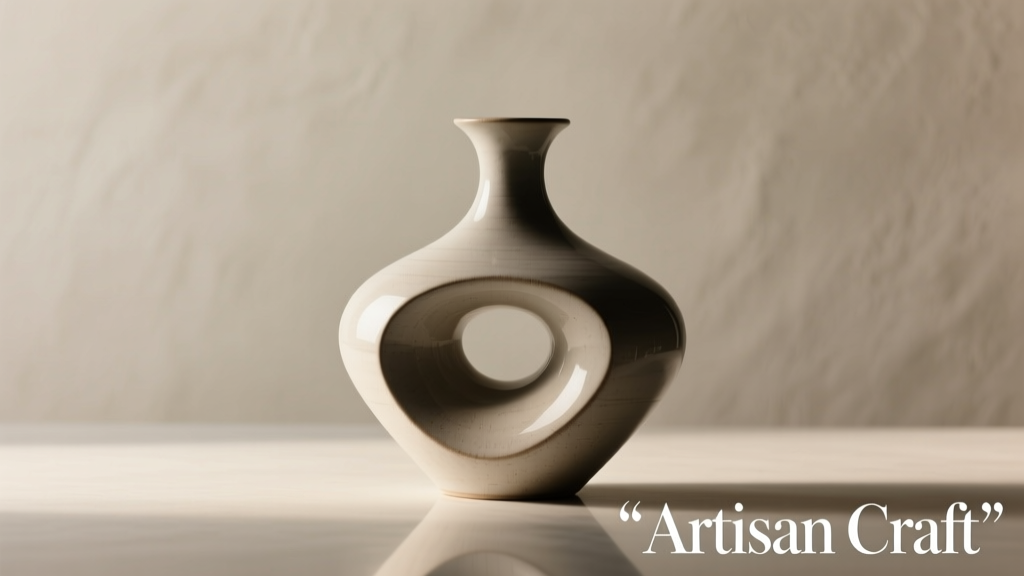
Types of Oud Oil Bottles
Oud oil bottles come in a wide variety of types and styles, each reflecting unique cultural traditions, functional needs, and modern design trends. The choice of bottle not only affects the preservation and usability of the precious oud oil but also enhances the sensory and aesthetic experience. From traditional artisanal vessels to sleek contemporary containers, the right bottle can elevate both gifting and personal use.
Glass Oud Oil Bottles
Elegant and timeless, glass bottles are among the most popular choices for storing oud oil due to their visual appeal and protective qualities.
Advantages
- Premium appearance with high clarity
- Excellent protection against contamination
- Airtight seals preserve fragrance integrity
- Resistant to chemical reactions with essential oils
- Available in decorative designs and sizes (5ml–100ml)
Limitations
- Fragile and prone to breakage if dropped
- Heavier than plastic or acrylic alternatives
- Higher shipping costs due to weight
Best for: Luxury branding, gift sets, retail packaging, long-term oil storage
Roll-on Oud Oil Bottles
Designed for convenience and precise application, roll-on bottles feature a stainless steel or glass rollerball for mess-free use.
Advantages
- Easy and hygienic application directly to skin
- Ideal for pulse points (wrists, neck)
- Available in glass or durable plastic
- Portable sizes (5ml–30ml) perfect for daily use
- Minimizes spillage and waste
Limitations
- Rolled application may dilute scent longevity
- Balls can clog without proper cleaning
- Limited capacity compared to standard bottles
Best for: Personal use, aromatherapy, travel, on-the-go fragrance touch-ups
Plastic Oud Oil Bottles
Lightweight and cost-effective, plastic bottles are widely used for bulk distribution and sample packaging.
Advantages
- Highly durable and impact-resistant
- Lightweight for easy transport and shipping
- Economical for wholesale and large-volume sales
- Many are recyclable (PET, HDPE materials)
- Available in various shapes and colors
Limitations
- Potential for chemical leaching over time
- Less premium feel compared to glass
- May discolor or degrade when exposed to sunlight
Best for: Bulk packaging, promotional samples, eco-conscious brands, budget-friendly options
Acrylic Oud Oil Bottles
A modern alternative that mimics glass with added durability and design flexibility.
Advantages
- Crystal-clear transparency like glass
- Shatterproof and highly durable
- Lightweight and safe for travel
- Customizable with engraving, colors, and finishes
- Ideal for high-end retail displays
Limitations
- Can scratch more easily than glass
- May yellow over time with UV exposure
- Higher cost than basic plastic
Best for: Contemporary brands, display bottles, luxury markets with modern aesthetics
Traditional Oud Oil Bottles
Crafted from metal or ceramic, these bottles reflect the rich heritage of oud oil in Middle Eastern and South Asian cultures.
Advantages
- Historical and cultural significance
- Made from brass, silver, or hand-painted ceramics
- Intricate engravings and regional motifs
- Excellent durability and heat resistance
- Often passed down as heirlooms
Limitations
- Expensive due to artisan craftsmanship
- Heavier and less practical for daily use
- Limited availability outside specialty markets
Best for: Collectors, ceremonial use, cultural gifts, heritage-focused brands
Travel-Sized Oud Oil Bottles
Compact and airline-compliant, these bottles are designed for portability and convenience.
Advantages
- Typically 3ml–10ml, meeting TSA liquid limits
- Available in roll-on or spray formats
- Easy to carry in purses, pockets, or toiletry kits
- Perfect for testing new scents before full purchase
- Reduces risk of loss or breakage
Limitations
- Frequent refills needed for regular use
- May not preserve scent as long due to repeated opening
- Smaller label space for branding
Best for: Travelers, fragrance enthusiasts, sample kits, gift sets
| Bottle Type | Durability | Aesthetic Value | Portability | Best Use Case |
|---|---|---|---|---|
| Glass | Medium | Excellent | Medium | Luxury packaging, long-term storage |
| Roll-on | Good | Good | Excellent | Daily personal application, travel |
| Plastic | Good | Fair | Excellent | Bulk distribution, samples, economy use |
| Acrylic | Very Good | Excellent | Excellent | Modern branding, retail displays |
| Traditional (Metal/Ceramic) | Excellent | Exceptional | Fair | Cultural gifts, collectibles, heritage |
| Travel-Sized | Good | Good | Excellent | On-the-go use, air travel, sampling |
Expert Tip: For maximum shelf life, store oud oil in dark-tinted glass bottles and keep them in a cool, dry place away from direct sunlight. This helps prevent oxidation and preserves the complex fragrance profile over time.
The Art and Functionality of Oud Oil Bottle Design
The design of oud oil bottles is a delicate balance between luxury, functionality, and brand identity. As one of the most prized and aromatic substances in perfumery, oud oil demands packaging that reflects its exclusivity and value. From the cap to the shape, every element is carefully considered to preserve the oil’s integrity while enhancing the sensory experience of the user. Below is a comprehensive breakdown of the key design aspects that define high-end oud oil bottles.
Cap Design: The Seal of Luxury and Preservation
The cap is more than just a closure—it's a critical component in preserving the potency and purity of oud oil. A well-designed cap ensures an airtight seal, preventing both leakage and evaporation of the volatile aromatic compounds that give oud its rich, complex scent profile.
Caps are available in multiple styles, including screw-top, push-fit, magnetic, and dropper-integrated designs. Materials range from polished metal and ceramic to sustainably sourced wood and resin, often handcrafted for a bespoke feel. Many premium brands incorporate engraved logos, intricate patterns, or gemstone accents to elevate the unboxing experience. High-quality materials not only enhance aesthetics but also resist corrosion from essential oils, ensuring long-term durability.
Labeling and Customization: Brand Identity in Every Drop
Custom labeling transforms a simple bottle into a powerful branding tool. Labels can feature the brand’s logo, fragrance notes, batch number, origin story, or even personalized inscriptions for gift editions. This level of customization fosters emotional connection and reinforces brand loyalty.
Labels are printed on a variety of substrates—matte or glossy paper, metallic foil, textured fabric, or transparent films—each offering a different tactile and visual effect. Finishes such as embossing, debossing, spot UV coating, or gold/silver leafing add depth and sophistication. Thoughtful typography and color schemes align with the brand’s identity, whether traditional, mystical, or modern minimalist.
Shape and Size: Form Meets Function
The silhouette of an oud oil bottle plays a pivotal role in its market appeal. Classic shapes—such as apothecary-style flacons or Middle Eastern-inspired vases—evoke heritage and authenticity. Contemporary designs feature sleek lines, angular cuts, or asymmetrical profiles that appeal to modern sensibilities.
Bottle size is tailored to consumer needs: 3ml–6ml roll-ons for personal use, 12ml–30ml bottles for collectors, and larger presentation sets for gifting. Travel-sized options with secure closures cater to on-the-go users without compromising elegance. The right proportions ensure the bottle feels substantial in hand, signaling quality and value.
Aesthetic Elements: Crafting a Sensory Experience
Luxury oud oil packaging is designed to engage all senses. Visual elements like embossed patterns, cut-glass facets, frosted finishes, and metallic trims create a tactile and visual feast. These details mirror the complexity of the fragrance within, reinforcing the perception of rarity and refinement.
Colors are chosen strategically—deep ambers, forest greens, and obsidian blacks reflect the earthy, resinous nature of oud, while gold and silver accents suggest opulence. Some brands use hand-painted motifs or calligraphy to honor cultural traditions, making each bottle a work of art.
Functional Design: Beauty with Purpose
While aesthetics are paramount, usability is equally important. Functional features include precision droppers, spray atomizers, or rollerballs that allow controlled application, minimizing waste of this precious oil. Ergonomic contours ensure a comfortable grip, while non-slip bases prevent accidental tipping.
Child-resistant caps and UV-protected glass (such as cobalt blue or amber) help preserve the oil’s shelf life by blocking light and preventing oxidation. The integration of smart design elements ensures that luxury doesn’t come at the expense of practicality.
Minimalist Designs: Elegance in Simplicity
In recent years, minimalist design has gained traction among discerning consumers who value understated elegance. These bottles feature clean lines, neutral palettes, and uncluttered surfaces, focusing on material quality and craftsmanship over ornamentation.
Minimalist oud oil bottles often use clear or lightly tinted glass to showcase the oil’s natural color, paired with subtle branding and monochromatic labels. This design philosophy aligns with modern interior aesthetics and appeals to a global audience seeking timeless sophistication over trend-driven excess.
| Design Element | Primary Function | Popular Options |
|---|---|---|
| Cap Type | Preservation & user experience | Screw-top, magnetic, dropper, wooden, ceramic |
| Label Material | Branding & visual appeal | Foil, matte paper, transparent film, fabric |
| Bottle Shape | Brand identity & shelf presence | Classic flacon, angular, curved, ornate |
| Dispenser Type | Controlled application | Dropper, rollerball, spray, solid perfume cap |
| Design Style | Target market alignment | Minimalist, traditional, luxury, modern |
Key Considerations for Optimal Oud Oil Bottle Design
Important: The design of oud oil bottles should never compromise the quality of the fragrance. Poor materials or inadequate sealing can degrade the oil, diminishing its aroma and value. Always prioritize functionality alongside aesthetics to deliver a product that delights the senses and stands the test of time.
Scenarios of Oud Oil Bottles: Uses, Appeal, and Design Considerations
Oud oil, known for its rich, woody aroma and cultural significance, is more than just a fragrance—it's a symbol of luxury, tradition, and wellness. The packaging and presentation of oud oil play a crucial role in how it is perceived and used across various contexts. From personal indulgence to ceremonial practices, the design and functionality of oud oil bottles are tailored to meet specific needs and enhance the overall experience.
Personal UseIndividuals commonly use oud oil bottles for personal fragrance and skincare applications. The oil’s deep, long-lasting scent makes it a favorite for daily wear, often applied behind the ears, on the wrists, or at pulse points. To support convenience and precision, consumers prefer roll-on applicators or travel-sized bottles that fit easily in purses or grooming kits.
Moreover, the aesthetic of the bottle contributes significantly to the user experience. Elegant designs—featuring engraved glass, magnetic caps, or minimalist luxury finishes—elevate the ritual of application, transforming everyday use into a moment of indulgence. High-quality seals also ensure longevity by protecting the oil from oxidation and light exposure.
Gift PackagingOud oil is a highly sought-after gift for those with refined tastes, symbolizing sophistication and thoughtfulness. Whether for birthdays, anniversaries, or cultural celebrations, a beautifully packaged bottle of oud oil conveys appreciation and elegance.
Brands often enhance gifting appeal through premium box sets, custom engraving, and limited-edition designs. Packaging in rich colors like deep green, gold, or midnight blue—paired with silk ribbons or wooden cases—adds a tactile and visual luxury. The universal allure of oud’s scent ensures broad appeal, making it a safe yet impressive choice for gifting across cultures.
Retail DisplayIn boutique stores, perfumeries, and luxury gift shops, the visual impact of oud oil bottles directly influences purchasing decisions. Unique bottle shapes, handcrafted glass, and metallic accents draw attention and communicate premium quality.
Retailers leverage strategic bottle placement—on illuminated shelves, in curated scent zones, or as part of themed displays—to engage customers. Packaging that clearly communicates origin (e.g., "Cambodian Agarwood" or "Aged 10 Years") adds authenticity and justifies premium pricing. Different bottle sizes and styles also allow retailers to cater to diverse customer segments, from first-time buyers to seasoned collectors.
High-End Spas and HotelsLuxury spas and five-star hotels incorporate oud oil into their guest experiences to reinforce an atmosphere of opulence and tranquility. Whether used in massage therapies, aromatherapy rooms, or as complimentary amenities in suites, the presence of branded oud oil bottles enhances perceived service quality.
These establishments often opt for custom-labeled bottles featuring the spa or hotel’s logo, creating a cohesive brand experience. The bottles are strategically placed on treatment tables, bathroom vanities, or welcome trays, where their design and weight convey authenticity and care. A well-presented oud oil bottle becomes part of the sensory journey, contributing to guest satisfaction and brand loyalty.
Aromatherapy and WellnessWithin the wellness community, oud oil is valued for its calming and grounding properties. Practitioners and users alike appreciate its ability to reduce stress, support meditation, and promote emotional balance. In this context, functionality is key—bottles typically feature glass droppers, child-resistant caps, and UV-protective tinting to preserve the oil’s integrity.
Wellness-focused packaging often includes informational labels detailing usage instructions, safety precautions, and sourcing transparency. Eco-conscious consumers favor sustainable materials like recyclable glass and biodegradable inks. The emphasis is on purity, precision, and therapeutic benefit, making the bottle a trusted tool in holistic self-care routines.
Cultural and Religious PracticesOud oil holds deep significance in many cultural and religious traditions, particularly across the Middle East, South Asia, and Southeast Asia. It is used in rituals such as anointing, prayer ceremonies, and festive celebrations, where its fragrance symbolizes purity, reverence, and spiritual connection.
Bottles in these contexts often reflect traditional craftsmanship—featuring ornate metal casings, Arabic calligraphy, or heritage-inspired motifs. Durability is essential, as these bottles may be passed down through generations. The design not only honors cultural identity but also ensures the oil remains protected during frequent use. In this setting, the bottle is more than a container—it’s a vessel of tradition and meaning.
Insider Insight: When selecting or designing oud oil bottles, consider the end-user’s primary scenario. A gift-oriented bottle should prioritize visual elegance and unboxing experience, while a wellness-focused product must emphasize functionality and safety. For retail or hospitality, brand alignment and shelf appeal are paramount. Understanding these nuances ensures your product resonates deeply with its intended audience.
| Use Case | Preferred Bottle Features | Design Priorities | Common Bottle Types |
|---|---|---|---|
| Personal Use | Roll-on, compact size, precision applicator | Luxury aesthetics, portability | Rollerball, mini glass vials |
| Gift Packaging | Engraved caps, gift boxes, custom labels | Premium presentation, unboxing experience | Limited edition, collector’s sets |
| Retail Display | Unique shape, bold branding, varied sizes | Shelf standout, brand identity | Showpiece bottles, display-ready sets |
| Spas & Hotels | Branded labeling, elegant finish | Service integration, luxury feel | Custom-labeled, amenity-sized |
| Aromatherapy | Dropper tops, UV-protected glass | Functionality, purity preservation | Amber glass with pipettes |
| Cultural Use | Durable materials, traditional motifs | Heritage symbolism, longevity | Metal-encased, engraved bottles |
Key Takeaways for Brands and Retailers
- Align packaging with purpose: Match bottle design to the primary use case—luxury, function, or tradition.
- Invest in unboxing experience: Especially for gifts, presentation can be as important as the product itself.
- Ensure product integrity: Use high-quality, dark glass and tight seals to protect the oil’s potency.
- Leverage cultural authenticity: In traditional markets, heritage-inspired designs build trust and emotional connection.
- Customization adds value: Personalized or co-branded bottles enhance perceived worth in hospitality and gifting.
Specification & Maintenance of Oud Oil Bottles
Oud oil, known for its rich, woody aroma and high value, requires careful handling and storage to preserve its quality and longevity. The choice of container and maintenance practices play a crucial role in protecting this precious essential oil. This guide covers the key specifications of oud oil bottles and best practices for their maintenance to ensure optimal performance, fragrance retention, and user satisfaction.
Important Note: Oud oil is highly concentrated and sensitive to environmental factors. Improper storage or contaminated containers can degrade its quality, alter its scent profile, and reduce shelf life. Always prioritize airtight, chemically inert containers and consistent storage conditions.
Material Specifications
The material of the bottle significantly impacts the preservation and presentation of oud oil. Each option offers distinct advantages depending on use case, budget, and aesthetic preference:
- Glass (Amber or Cobalt Blue): Preferred for premium oud oils due to its chemical inertness, UV protection, and elegant appearance. Glass does not react with essential oils, preserving the oil’s purity and aroma over time. Amber or dark-tinted glass further protects against light degradation.
- Plastic (PET or HDPE): Lightweight and shatter-resistant, making it ideal for travel or retail packaging. However, some plastics may leach chemicals over time or allow slight permeability to air, which can compromise oil integrity. Best suited for short-term use or diluted blends.
- Metal (Stainless Steel or Aluminum): Offers excellent durability and a luxurious, ornamental appeal. Often used in traditional or artisanal packaging. Must be internally coated to prevent oxidation or chemical reactions with the oil.
- Acrylic (PMMA): A cost-effective alternative to glass with high clarity and impact resistance. While visually appealing, acrylic is more prone to scratching and may not provide the same long-term barrier protection as glass. Suitable for display or secondary containers.
Capacity Options
Oud oil bottles are available in a range of sizes to meet diverse consumer and commercial needs:
- Travel & Sample Sizes (5 ml – 30 ml): Compact and portable, ideal for personal use, gifting, or trying new blends. Commonly used in perfume samples or for on-the-go application.
- Standard Sizes (30 ml – 50 ml): Balanced between usability and longevity. Popular among regular users and retailers for daily application and resale.
- Large & Wholesale Sizes (50 ml – 100 ml): Designed for bulk storage, professional use, or high-volume consumers. Offers better value per milliliter and reduces packaging waste.
Choosing the right capacity depends on usage frequency, storage capability, and market demand. Smaller bottles minimize exposure to air and light with each use, helping maintain freshness.
Cleaning the Bottle
Proper cleaning is essential when reusing a bottle for oud oil or switching between different oils. Residual oils can mix and alter fragrance profiles or cause contamination.
- Disassemble the bottle, removing the cap, dropper, or spray mechanism.
- Rinse thoroughly with warm water to remove visible oil residue.
- Use a mild, fragrance-free detergent and a bottle brush to clean the interior. Avoid harsh chemicals that may linger.
- For deep cleaning, soak in a mixture of water and white vinegar (1:1) or isopropyl alcohol (70%), then rinse completely.
- Allow the bottle to air-dry completely in a dust-free environment before refilling. Moisture can promote microbial growth and degrade the oil.
Airtight Sealing
An airtight seal is critical to prevent oxidation and evaporation, which can rapidly diminish the potency and aroma of oud oil.
- Use bottles with tight-fitting caps, rubber gaskets, or tamper-evident seals.
- Ensure dropper inserts or spray pumps are securely seated and free of cracks.
- Check seals regularly for wear or deformation, especially in frequently opened bottles.
- Avoid using bottles with loose or damaged closures, as even minor leaks can lead to significant quality loss over time.
A compromised seal not only reduces shelf life but may also allow contaminants such as dust, moisture, or microbes to enter the bottle.
Storage Conditions
Optimal storage is vital for preserving the integrity of oud oil. Environmental factors can accelerate degradation:
- Light: Store in a dark place away from direct sunlight and UV exposure. Use opaque or tinted bottles to enhance protection.
- Temperature: Keep in a cool, stable environment (ideally 15–20°C or 59–68°F). Avoid heat sources like radiators, stoves, or car interiors.
- Humidity: Excess moisture can promote mold or bacterial growth. Store in dry areas like drawers, cabinets, or climate-controlled storage boxes.
- Position: Store bottles upright to prevent leakage and protect dropper mechanisms.
Expiry Date & Shelf Life
Oud oil shelf life varies based on purity, formulation, and storage:
- Pure Oud Oil: Can last 5–10 years or more when stored properly due to its natural preservative properties.
- Blended Oud Oils: Typically last 2–5 years, depending on carrier oils and added ingredients (e.g., alcohol, synthetic fragrances).
- Synthetic or Diluted Oils: May degrade faster, often within 1–3 years.
Always check the manufacturer’s expiration date and monitor for signs of spoilage such as cloudiness, separation, or sour odor. Using expired oil may result in skin irritation or diminished fragrance quality.
Refilling Options
Refillable oud oil bottles offer both economic and environmental benefits:
- Designed with reusable caps and durable materials (e.g., glass or stainless steel) for multiple uses.
- Often include inner vials or funnel systems to simplify refilling without spillage.
- Promote sustainability by reducing single-use packaging waste.
- Ideal for eco-conscious consumers and brands aiming to reduce their carbon footprint.
When refilling, always clean the bottle thoroughly and use high-quality oil to maintain performance and hygiene standards.
| Feature | Best Choice | Avoid If | Maintenance Tip |
|---|---|---|---|
| Material | Amber Glass | Long-term storage, purity | Use tinted glass to block UV light |
| Capacity | 10–30 ml (daily use) | Infrequent use or bulk needs | Smaller bottles reduce air exposure |
| Sealing | Airtight cap with rubber gasket | Poor seal integrity | Inspect seals monthly for wear |
| Storage | Cool, dark drawer or box | Direct sunlight or heat | Store upright and away from windows |
| Refilling | Refillable glass bottles | Single-use plastics | Clean thoroughly before each refill |
Expert Tip: For collectors or high-value oud oils, consider using vacuum-sealed storage boxes with humidity control. This advanced method significantly extends shelf life and protects against environmental fluctuations.
Additional Recommendations
- Label bottles clearly with purchase date, oil type, and expiry date for easy tracking.
- Use gloves when handling oud oil to prevent skin absorption and contamination.
- Avoid storing oud oil in bathrooms due to fluctuating humidity and temperature.
- Rotate stock using the "first in, first out" principle to ensure older bottles are used first.
- Invest in a dedicated storage case with cushioning to protect bottles during transport.
By selecting the right bottle and following proper maintenance practices, you can preserve the richness, aroma, and therapeutic qualities of oud oil for years. Whether for personal enjoyment, gifting, or resale, attention to detail ensures a premium experience and maximizes the value of this exquisite natural fragrance.
Frequently Asked Questions About Oud Oil Bottles
Discover everything you need to know about oud oil bottles—their purpose, materials, sizes, and what makes them a premium choice for storing one of the world’s most luxurious fragrances. Whether you're a collector, connoisseur, or new to the world of oud, these insights will help you make informed decisions.
Q1: What is the purpose of oud oil bottles?Oud oil bottles are specially designed containers used for storing and preserving oud oil—an extremely valuable and aromatic essential oil derived from the resinous heartwood of agarwood trees. Revered for its rich, complex scent profile, oud oil is used in high-end perfumery, traditional medicine, and cultural rituals across the Middle East, South Asia, and beyond.
These bottles are more than just functional—they are often considered works of art. Crafted with elegance and precision, they protect the oil from light, air, and temperature fluctuations that can degrade its quality over time. Their beautiful designs, often inspired by traditional craftsmanship, make them cherished collectibles. Collectors and users alike appreciate how these bottles maintain the oil’s fragrance integrity while enhancing the overall sensory and aesthetic experience.
Q2: What are the most common types of materials used for making oud oil bottles?The choice of material plays a crucial role in preserving the quality and enhancing the appeal of oud oil. While various materials are used, the most popular and effective are glass and metal:
- Glass: Preferred for its non-reactive nature, clarity, and ability to preserve the oil’s original aroma. High-quality tinted or amber glass also protects the oil from UV light, which can accelerate oxidation. Glass bottles often feature intricate etchings, gold accents, or artistic labels, adding to their luxury appeal.
- Metal (Brass, Silver, and Stainless Steel): Valued for durability and traditional craftsmanship. Metal bottles, especially those made from brass or silver, are often hand-carved with intricate Middle Eastern or Mughal-inspired designs. These bottles are not only functional but also serve as heirloom pieces. However, internal linings may be used to prevent any potential reaction with the oil.
- Plastic: Rarely used for premium oud oils due to its porous nature and potential to interact with essential oils, which may compromise fragrance quality and longevity.
Ultimately, the material choice reflects both practical needs and aesthetic preferences, with glass being ideal for daily use and metal favored for gifting and display.
Q3: What sizes of oud oil bottles are available on the market?Oud oil bottles come in a wide range of sizes to suit different needs, usage patterns, and lifestyles:
- Mini (1ml – 5ml): Perfect for travel, sampling, or carrying in a pocket or purse. These small vials are ideal for trying new blends or using a drop or two throughout the day without waste.
- Standard (10ml – 30ml): Commonly used for daily personal application. This size balances portability with longevity, making it a favorite among regular users.
- Larger Bottles (50ml – 100ml and above): Designed for collectors, frequent users, or as refill containers. These are often used to store bulk oud oil and refill smaller bottles, reducing exposure to air and light each time the oil is accessed.
Some luxury sets even include multiple bottles of varying sizes in an ornate box, serving both functional and decorative purposes. The right size depends on how often you use the oil, whether you travel with it, and your storage preferences.
Q4: Are oud oil bottles refillable?Yes, most high-quality oud oil bottles are designed to be refillable, promoting sustainability and long-term value. Refillable bottles typically feature secure closures such as:
- Dropper Inserts: Allow precise application and can be cleaned and reused.
- Screw Caps or Stopper Closures: Provide an airtight seal to prevent evaporation and oxidation.
- Spout or Rollerball Openings: Found in certain application-specific bottles, often refillable with care.
Refilling your bottle not only saves money over time but also allows you to reuse a container you love—especially important when the bottle itself is a piece of art. Always ensure the bottle is thoroughly cleaned before refilling to maintain the purity and integrity of the new oil. Many brands offer refill services or sell oil in bulk for this purpose.
Q5: What are the key factors to consider when choosing the quality of an oud oil bottle?When selecting an oud oil bottle, several quality indicators ensure both the preservation of the oil and an elevated user experience:
| Factor | Description | Why It Matters |
|---|---|---|
| Material Quality | High-grade glass (e.g., borosilicate or amber) or solid metal (e.g., brass, silver) with protective linings if needed. | Prevents chemical reactions, UV degradation, and leakage—ensuring the oil remains pure and fragrant. |
| Closure Type | Airtight caps, stoppers, or droppers that seal tightly. | Minimizes exposure to air and light, slowing oxidation and evaporation. |
| Craftsmanship | Precision in design, smooth finishes, hand-carved details, and alignment of parts. | Reflects durability, luxury, and attention to detail—important for both function and aesthetics. |
| Design & Labeling | Clear labeling of oil type, origin, and batch; elegant engravings or artwork. | Enhances user experience, aids identification, and adds collectible value. |
| Size & Shape | Ergonomic design for easy handling and controlled dispensing. | Improves usability and reduces spills or waste. |
Investing in a well-made oud oil bottle not only protects your valuable fragrance but also enhances the ritual of using it—turning a simple application into a moment of luxury and tradition.