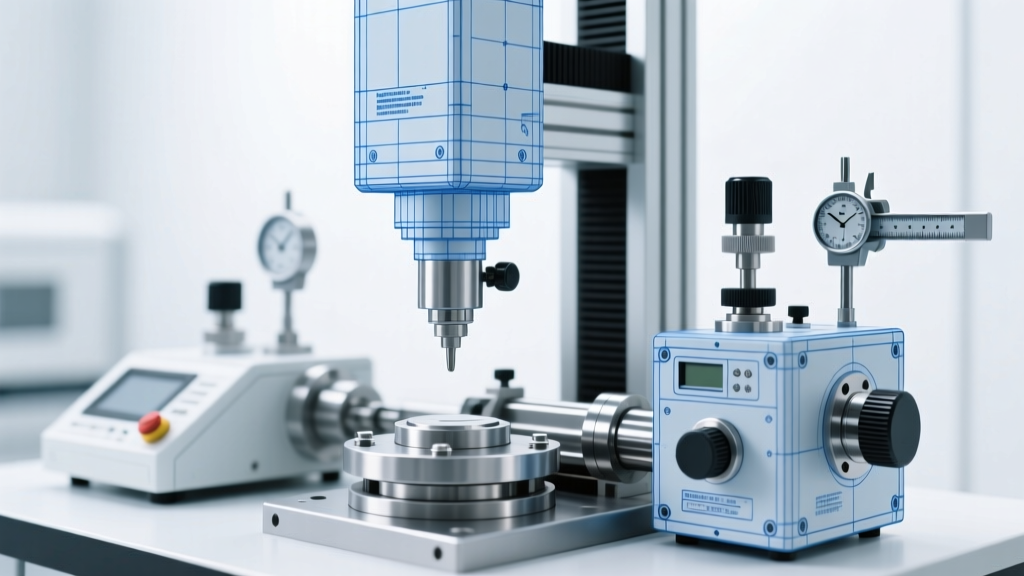
Materials Used in OEM Assembly Services
OEM assembly service, or Original Equipment Manufacturer assembly, refers to the process of manufacturing and assembling products using components and materials that meet the exact specifications of the original equipment design. This ensures compatibility, reliability, and adherence to industry standards. The choice of materials significantly impacts product performance, durability, cost, and sustainability. Below is a comprehensive overview of the most commonly used materials in OEM assembly processes.
Plastics
Widely used for their versatility, lightweight properties, and moldability, plastics are essential in modern OEM manufacturing. Materials such as polycarbonate (PC), acrylonitrile butadiene styrene (ABS), and polyvinyl chloride (PVC) are commonly selected based on strength, thermal resistance, and electrical insulation needs.
Advantages
- Lightweight and easy to shape
- Excellent electrical insulation
- Resistant to corrosion and chemicals
- Cost-effective for mass production
Limitations
- Lower heat resistance compared to metals
- Can degrade under prolonged UV exposure
- Environmental concerns with non-recyclable types
Best for: Consumer electronics, automotive interiors, enclosures, and housings
Metals
Metals provide structural integrity, thermal conductivity, and long-term durability. Commonly used metals include stainless steel (for corrosion resistance), aluminum (for lightweight strength), and copper (for electrical conductivity). These materials are critical in high-stress or safety-sensitive applications.
Advantages
- High strength and durability
- Excellent thermal and electrical conductivity
- Recyclable and long-lasting
- Resistant to high temperatures and mechanical stress
Limitations
- Heavier than plastics and composites
- Higher material and machining costs
- Prone to corrosion (except stainless steel and aluminum alloys)
Best for: Automotive frames, industrial machinery, electrical connectors, and outdoor equipment
Glass
Valued for its clarity, aesthetic appeal, and functional durability, glass is used in displays, windows, and protective covers. Tempered and chemically strengthened glass (like Gorilla Glass) offer enhanced impact resistance while maintaining optical clarity.
Advantages
- Superior transparency and scratch resistance
- Chemically inert and easy to clean
- Highly recyclable and environmentally sustainable
- Resists UV degradation and discoloration
Limitations
- Fragile under impact (unless tempered)
- Heavier than plastic alternatives
- More expensive to produce and transport
Best for: Smartphone and tablet screens, automotive windows, architectural components, and appliance panels
Rubber
Rubber materials—both natural and synthetic—are crucial for sealing, vibration damping, and insulation. Common types include EPDM, silicone, and nitrile rubber, each selected for specific resistance to temperature, oils, or weathering.
Advantages
- Excellent flexibility and elasticity
- Effective vibration and noise dampening
- Waterproof and weather-resistant
- Used in seals, gaskets, and insulation components
Limitations
- Degrades over time due to ozone and UV exposure
- Can harden or crack with age
- Limited structural strength
Best for: Automotive seals, electrical insulation, industrial gaskets, and tool grips
Composite Materials
Composites combine two or more materials to achieve superior performance characteristics. Carbon fiber, fiberglass, and Kevlar are widely used in aerospace, automotive, and sporting goods due to their high strength-to-weight ratios and resistance to fatigue.
Advantages
- Extremely strong yet lightweight
- High resistance to corrosion and fatigue
- Tailorable mechanical properties
- Ideal for performance-critical applications
Limitations
- High manufacturing and repair costs
- Complex production processes
- Difficult to recycle compared to metals
Best for: Aerospace components, high-performance vehicles, drones, and premium sporting equipment
| Material | Key Properties | Common Applications | Durability | Sustainability |
|---|---|---|---|---|
| Plastics | Lightweight, moldable, insulating | Electronics, consumer goods, automotive | Medium | Low to Medium (depends on recyclability) |
| Metals | Strong, conductive, durable | Machinery, structural parts, electrical systems | High | High (especially aluminum and steel) |
| Glass | Transparent, rigid, recyclable | Displays, windows, enclosures | High (when tempered) | Very High |
| Rubber | Flexible, sealing, dampening | Seals, gaskets, insulation | Medium (varies by type) | Medium (natural rubber is biodegradable) |
| Composites | Lightweight, high strength, customizable | Aerospace, performance vehicles, sports gear | Very High | Low to Medium (recycling challenges) |
Expert Tip: When selecting materials for OEM assembly, consider not only mechanical and electrical requirements but also environmental conditions such as temperature, humidity, and exposure to UV or chemicals. Material compatibility with adhesives, fasteners, and coatings is also critical for long-term reliability.
Uses and Benefits of OEM Assembly Services
An OEM (Original Equipment Manufacturer) assembly service enables businesses to outsource the manufacturing and integration of components into final products, all produced under the same trusted brand or production line. This collaborative model allows companies to focus on innovation and market strategy while leveraging the OEM’s established infrastructure, technical expertise, and quality standards. From concept to completion, OEM assembly services streamline production, reduce overhead, and enhance product reliability.
Key Uses and Advantages of OEM Assembly Services
Product Customization
OEM assembly services offer extensive customization options, empowering businesses to tailor products to specific market needs and customer expectations. Companies can influence design elements, functional features, material choices, and performance specifications—ensuring the end product aligns perfectly with brand identity and target audience demands.
This level of customization is particularly valuable in competitive industries such as consumer electronics, automotive, medical devices, and industrial equipment, where differentiation drives market success. By integrating customer feedback and regional preferences early in the design phase, OEMs help create products that stand out in both functionality and aesthetics.
Cost Efficiency
Outsourcing assembly to an OEM significantly reduces capital expenditure and operational costs. Instead of investing in manufacturing facilities, machinery, labor training, and supply chain logistics, businesses can leverage the OEM’s existing infrastructure and economies of scale.
These cost savings translate into improved profit margins and faster time-to-market. Additionally, OEMs often negotiate better pricing for raw materials due to bulk purchasing power, further lowering per-unit production costs. This financial efficiency allows smaller companies and startups to compete with larger players without compromising on quality or scale.
Quality Control
Reputable OEM assemblers adhere to rigorous quality assurance protocols, including ISO certifications, in-line inspections, and standardized testing procedures. These practices ensure consistency, reliability, and compliance with industry regulations across every production batch.
By maintaining high-quality standards, OEMs help minimize defects, reduce warranty claims, and enhance overall customer satisfaction. Consistent product quality also strengthens brand reputation and fosters long-term customer loyalty—critical factors for sustainable business growth in today’s quality-conscious markets.
Scalability and Flexibility
OEM assembly services provide unmatched scalability, allowing manufacturers to quickly adjust production volumes in response to market demand. Whether scaling up for seasonal peaks or scaling down during slower periods, businesses benefit from agile manufacturing capabilities without the burden of fixed overhead.
This flexibility is essential in fast-moving industries like technology and retail, where trends shift rapidly and inventory mismanagement can lead to losses. OEMs can often reconfigure production lines swiftly, supporting just-in-time (JIT) manufacturing and reducing warehousing costs.
Access to Technical Expertise
OEM partners bring deep technical knowledge and years of experience in product development and assembly optimization. Their engineering teams can assist with design for manufacturability (DFM), prototyping, testing, and troubleshooting complex production challenges.
This expertise not only improves product performance but also accelerates development cycles. Companies gain access to advanced technologies, automation systems, and best practices that might otherwise be out of reach—enabling innovation and continuous improvement without building internal R&D capacity from scratch.
| Benefit | Impact on Business | Best Suited For |
|---|---|---|
| Product Customization | Enhanced market differentiation and customer satisfaction | Brands targeting niche markets or regional preferences |
| Cost Efficiency | Lower capital investment and higher ROI | Startups, SMEs, and companies expanding product lines |
| Quality Control | Improved reliability and reduced returns | Industries requiring regulatory compliance (e.g., medical, automotive) |
| Scalability | Faster response to market changes and demand spikes | Seasonal products, e-commerce brands, tech innovators |
| Technical Expertise | Accelerated innovation and reduced development time | Complex products requiring engineering support |
Why Choose an OEM Assembly Partner?
Important: When selecting an OEM assembly partner, evaluate their track record, certifications, communication capabilities, and alignment with your brand values. A strong partnership goes beyond cost—it’s about trust, transparency, and shared commitment to excellence. Proper due diligence ensures long-term success and protects your brand reputation.
Customization Options for OEM Assembly Service
Custom OEM assembly services empower businesses to tailor products to their unique brand identity, customer needs, and market demands. By leveraging these customization options, companies can differentiate themselves in competitive markets, enhance customer loyalty, and deliver superior value. Below are the key areas where businesses can apply customization in OEM assembly to create distinctive, high-impact products.
Product Design and Development
Businesses can actively participate in the design and engineering phase of product development, modifying existing models or co-creating new ones. This includes adjustments to materials, dimensions, aesthetics, ergonomics, and functional capabilities.
- Customize product shape, size, and user interface for niche markets or specialized applications
- Integrate advanced features such as smart sensors, connectivity options, or modular components
- Optimize performance for specific environments (e.g., ruggedized devices for industrial use)
- Ideal for brands targeting unique customer segments with precise functional or aesthetic expectations
Strategic advantage: Enables innovation and market differentiation through proprietary product features
Branding and Labeling
OEM assembly allows complete control over branding elements, enabling businesses to imprint their identity directly onto the product and packaging. This includes logos, brand colors, taglines, and even embedded brand narratives.
- Custom laser engraving, embossing, or printed branding on product surfaces
- Inclusion of QR codes linking to brand story, warranty info, or digital content
- Multi-language labeling for international markets
- Enhances brand recognition and fosters emotional connection with end-users
Pro tip: Consistent branding across all touchpoints strengthens customer trust and recall
Packaging Options
Packaging is a critical component of the customer experience and product perception. With OEM services, businesses can design packaging that aligns with their brand values and market positioning.
- Eco-friendly materials like recycled cardboard, biodegradable plastics, or compostable wraps
- Custom box shapes, window cutouts, or magnetic closures for premium unboxing experiences
- Digital printing for vibrant graphics, seasonal themes, or limited-edition releases
- Smart packaging with NFC tags or augmented reality integration for interactive engagement
Key insight: Sustainable and visually appealing packaging influences purchasing decisions and social sharing
Custom Materials and Components
Manufacturers can specify alternative or upgraded materials and internal components to meet performance, durability, or regulatory standards.
- Use of medical-grade plastics, food-safe polymers, or aerospace alloys for specialized applications
- Integration of high-efficiency motors, long-life batteries, or precision sensors
- Material substitutions for improved thermal resistance, UV protection, or chemical stability
- Ensures compatibility with existing systems and enhances overall product reliability
Technical benefit: Superior materials increase product lifespan and reduce return rates
Volume and Scale Customization
OEM assembly services offer flexible production scaling, allowing businesses to adjust output based on demand fluctuations, seasonal trends, or market testing phases.
- Low-volume runs for product launches, prototypes, or regional rollouts
- High-volume production for mass distribution and retail partnerships
- Just-in-time manufacturing to minimize inventory costs and storage needs
- Quick ramp-up or down based on real-time sales data or promotional campaigns
Operational flexibility: Supports agile business models and responsive supply chains
Expert Recommendation: Combine multiple customization options—such as branded packaging with upgraded materials and tailored design—for maximum market impact. For startups or small businesses, begin with focused customizations (e.g., branding and moderate design tweaks) before scaling into full product redesigns. Always communicate customization capabilities clearly to your customers to highlight added value and justify premium positioning.
| Customization Type | Best For | Lead Time Impact | Cost Consideration |
|---|---|---|---|
| Product Design & Development | Innovative brands, niche markets, tech products | High (4–12 weeks) | Higher initial investment, long-term ROI |
| Branding & Labeling | All businesses, especially DTC and e-commerce | Low to moderate (1–3 weeks) | Cost-effective brand enhancement |
| Packaging Options | Luxury goods, eco-conscious brands, gifting sectors | Moderate (2–6 weeks) | Varies by material and complexity |
| Custom Materials & Components | Industrial, medical, outdoor, and performance products | High (requires sourcing and testing) | Premium pricing, justified by quality |
| Volume & Scale Customization | Seasonal products, startups, growing brands | Flexible (adjustable per batch) | Economies of scale at higher volumes |
Additional Strategic Considerations
- Regulatory Compliance: Ensure custom materials and designs meet industry standards (e.g., FDA, CE, RoHS) for safety and legality
- Intellectual Property: Protect custom designs with patents or trademarks when applicable
- Prototyping Support: Leverage OEM partners who offer rapid prototyping to test ideas before full production
- Sustainability Alignment: Choose recyclable materials and energy-efficient manufacturing to support ESG goals
- Supply Chain Transparency: Work with OEMs that provide traceability for materials and ethical labor practices
How to Choose the Right OEM Assembly Service: A Comprehensive Guide
Selecting the right OEM (Original Equipment Manufacturer) assembly service is a critical decision that can significantly impact your product quality, time-to-market, and overall business success. Whether you're launching a new product or scaling production, partnering with the right OEM assembler ensures precision, reliability, and compliance with industry standards. The following guide outlines the most important factors to consider when evaluating potential OEM partners.
Important Note: Choosing an OEM assembler is not just about cost—it's about building a long-term, reliable partnership. Prioritize quality, communication, and technical alignment over short-term savings to avoid costly delays or product failures.
Key Factors to Consider When Selecting an OEM Assembly Service
- Expertise and Industry Experience
The depth of experience an OEM provider has in your specific product category is crucial. A proven track record in assembling similar products—especially in your industry (e.g., medical devices, consumer electronics, industrial equipment)—ensures they understand critical design nuances, material compatibility, and functional requirements.
Look for case studies, client references, or certifications that validate their expertise. Providers with domain-specific knowledge are more likely to anticipate challenges and deliver high-performance assemblies that meet both technical and regulatory expectations.
- Quality Standards and Certifications
Ensure the OEM assembler adheres to internationally recognized quality management systems such as ISO 9001, ISO 13485 (for medical devices), or AS9100 (for aerospace). These certifications demonstrate a structured approach to quality assurance, process control, and continuous improvement.
In addition, verify their in-house quality testing procedures, including inspection protocols, failure analysis, and traceability systems. A robust quality framework reduces defect rates, enhances product reliability, and supports compliance with regulatory bodies.
- Communication and Project Management
Clear, consistent communication is the foundation of a successful OEM partnership. The assembler should provide transparent updates, proactive issue reporting, and collaborative problem-solving throughout the project lifecycle.
Ideal partners assign dedicated project managers and use digital collaboration tools to keep you informed on timelines, milestones, and potential risks. Strong communication minimizes misunderstandings, accelerates decision-making, and ensures alignment with your product vision and delivery goals.
- Technical Capabilities and Equipment
Evaluate the OEM’s technological infrastructure, including their machinery, automation level, and engineering support. Modern assembly lines equipped with SMT (Surface Mount Technology), robotic automation, precision testing equipment, and IoT-enabled monitoring systems ensure high accuracy and repeatability.
A tech-forward assembler can handle complex designs, support rapid prototyping, and scale production efficiently. Ask about their R&D support, design-for-manufacturability (DFM) feedback, and ability to integrate new technologies into your product development cycle.
- Turnaround Time and Production Flexibility
Time-to-market is often a competitive advantage. Assess the OEM’s production lead times, capacity, and ability to meet your schedule—especially during peak demand or urgent launches.
Inquire about their supply chain resilience, inventory management, and scalability options. A responsive OEM with flexible production lines can adapt to changes in volume or design, helping you seize market opportunities and avoid costly delays.
- Cost Structure and Value Proposition
While cost is important, focus on the value-to-cost ratio rather than the lowest price. Transparent pricing models, detailed quotes, and no hidden fees are signs of a trustworthy partner.
Compare not just unit costs but also total cost of ownership—factoring in quality, reliability, support, and potential rework expenses. A slightly higher investment with a premium OEM can yield better long-term returns through reduced defects, faster time-to-market, and stronger brand reputation.
| Selection Factor | Why It Matters | What to Ask | Red Flags |
|---|---|---|---|
| Expertise & Experience | Ensures understanding of product-specific requirements and reduces development risks | "Can you share examples of similar products you’ve assembled?" | Vague answers, lack of references, no industry-specific experience |
| Quality Certifications | Guarantees adherence to standardized quality and safety protocols | "Which ISO or industry-specific certifications do you hold?" | No certifications, expired audits, or reluctance to provide documentation |
| Communication | Prevents misalignment and enables timely resolution of issues | "How often will I receive progress updates? Who is my main contact?" | Slow responses, no dedicated point of contact, poor English proficiency (if relevant) |
| Technical Capabilities | Determines precision, scalability, and innovation potential | "What equipment do you use for assembly and testing?" | Outdated machinery, no automation, inability to handle complex components |
| Turnaround Time | Impacts your product launch timeline and inventory planning | "What is your standard lead time for a pilot run and full production?" | Unrealistic promises, lack of flexibility, frequent delays |
| Cost Structure | Affects profitability and long-term partnership sustainability | "Can you break down your pricing model and minimum order quantities?" | Unclear pricing, hidden fees, refusal to negotiate or provide quotes |
Pro Tip: Before finalizing a partnership, consider starting with a small pilot run. This allows you to evaluate the OEM’s quality, communication, and delivery performance on a low-risk scale before committing to large-volume production.
Additional Recommendations for Long-Term Success
- Request a facility tour (virtual or in-person) to assess working conditions and production processes
- Review their supply chain management and component sourcing strategies
- Ensure they offer post-assembly services such as packaging, labeling, and logistics support
- Check customer reviews, testimonials, or third-party ratings on platforms like ThomasNet or Alibaba
- Establish a service-level agreement (SLA) outlining quality, delivery, and support expectations
Choosing the right OEM assembly service is a strategic decision that goes beyond technical capability—it’s about finding a partner who aligns with your business goals, values quality, and communicates effectively. By carefully evaluating each of these factors, you can build a reliable, scalable, and profitable manufacturing partnership that supports your product’s success in the marketplace.
Frequently Asked Questions About OEM Assembly Services
Q1: What is the main function of OEM assembly?OEM (Original Equipment Manufacturer) assembly is a specialized service that enables companies to outsource the integration and final assembly of components for their products. Rather than handling the entire manufacturing process in-house, businesses partner with OEMs—entities that produce the original parts or subcomponents—to assemble these parts into complete units according to the client’s exact specifications.
What sets OEM assembly apart is the deep technical expertise and intimate knowledge of the product design that the OEM possesses. Because they are already involved in producing the components, they understand material tolerances, functional requirements, and engineering nuances better than third-party assemblers. This ensures that the final product is built precisely to the original design intent, maintaining consistency, performance, and reliability.
By leveraging OEM assembly, companies can streamline their operations, reduce capital expenditure on factory infrastructure, and accelerate time-to-market. It’s especially valuable in industries like automotive, electronics, medical devices, and industrial machinery, where precision and compliance are critical.
Q2: Who benefits from using OEM assembly services?OEM assembly services offer strategic advantages across a wide spectrum of organizations, from global manufacturers to emerging startups. Key beneficiaries include:
- Large Manufacturers: Companies focused on innovation and product development often outsource assembly to OEMs to free up internal resources. This allows them to concentrate on R&D, branding, and distribution while ensuring high-quality production.
- Mid-Sized Factories: Businesses seeking cost-effective ways to scale production without investing in new facilities or hiring additional labor can use OEM assembly to meet fluctuating demand efficiently.
- Startups and Small Businesses: Entrepreneurs with limited capital can access professional-grade assembly services without the need for expensive equipment or skilled technicians. This lowers the barrier to entry in competitive markets.
- Technology and Niche Product Developers: Firms creating specialized or low-volume products benefit from the flexibility and customization that OEMs provide, enabling small-batch production with high precision.
In essence, any business that requires reliable, scalable, and expert-level product assembly—without managing the logistical and operational burden of in-house manufacturing—can gain a competitive edge through OEM services.
Q3: How important is quality in OEM assembly?Quality is absolutely critical in OEM assembly, as it directly impacts product performance, safety, customer satisfaction, and brand reputation. Reputable OEM assemblers implement rigorous quality control systems to ensure every unit meets or exceeds industry standards.
Many OEMs are certified under internationally recognized quality management frameworks such as ISO 9001, IATF 16949 (for automotive), or ISO 13485 (for medical devices). These certifications require documented processes, regular audits, traceability of components, and continuous improvement practices.
Quality assurance in OEM assembly typically includes:
- Inspection of raw materials and components upon receipt
- In-process checks during assembly stages
- Final testing for functionality, durability, and compliance
- Use of calibrated tools and automated systems to minimize human error
- Detailed record-keeping for full production traceability
By partnering with a quality-focused OEM, businesses can ensure consistent product integrity, reduce returns and recalls, and build trust with customers and regulatory bodies alike.
Q4: Can small businesses use OEM assembly services?Yes, small businesses can—and increasingly do—leverage OEM assembly services to compete effectively in the marketplace. Contrary to the misconception that OEMs only serve large corporations, many providers offer scalable, flexible solutions tailored to startups and small-scale producers.
Modern OEM partners understand the unique challenges faced by small businesses, such as limited budgets, uncertain demand, and the need for rapid prototyping. As a result, they often provide:
- Low Minimum Order Quantities (MOQs): Allowing small businesses to test the market with pilot runs before scaling up.
- End-to-End Support: From design consultation and prototyping to packaging and logistics, reducing the need for multiple vendors.
- Cost Efficiency: Eliminating the need for expensive machinery, factory space, and technical staff, which significantly lowers upfront investment.
- Risk Mitigation: Shifting manufacturing risks (e.g., equipment failure, labor shortages) to the OEM partner.
- Speed to Market: Accelerating product launch timelines by utilizing existing production lines and expertise.
By outsourcing assembly to an experienced OEM, small businesses can focus their energy on core competencies like product innovation, customer engagement, and marketing—while still delivering high-quality, professionally assembled products. This strategic partnership model has become a cornerstone of success for many emerging brands in tech, consumer goods, and specialty manufacturing sectors.