Types of Lloyd Parker Components
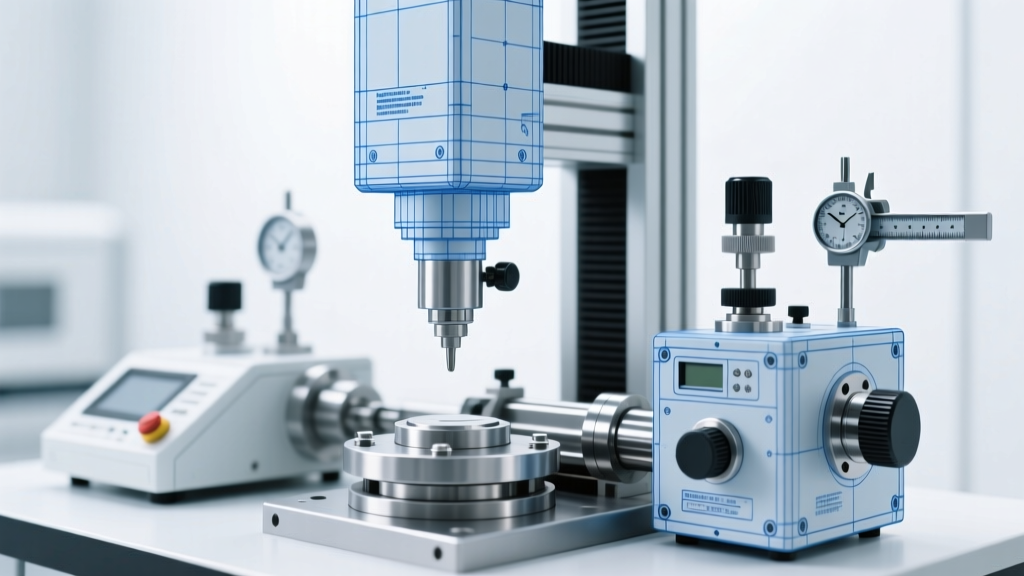
A Lloyd Parker refers to a range of high-performance power transmission and fluid control components engineered for reliability, precision, and durability across industrial and automotive applications. These systems are designed to manage energy transfer efficiently through hydraulic, pneumatic, and mechanical means, ensuring optimal performance in demanding environments.
Note: While "Lloyd Parker" may be used generically in some contexts, it typically refers to advanced fluid power components similar to those produced by leading manufacturers like Parker Hannifin. This guide categorizes key types based on function and application.
Hydraulic Cylinders
Hydraulic cylinders are among the most critical Lloyd Parker-type components, widely utilized in automotive and industrial systems to convert fluid pressure into linear mechanical force. In vehicle suspension systems, they enable dynamic ride height adjustment and superior shock absorption, enhancing both comfort and stability. Their precise control of fluid pressure also makes them essential in power steering systems, where they assist drivers by reducing steering effort through hydraulic amplification.
Key Benefits
- High force output with precise control
- Smooth operation in dynamic conditions
- Essential for active suspension technologies
- Reliable performance under heavy loads
Considerations
- Requires regular maintenance of seals and fluid
- Potential for fluid leaks if damaged
- More complex than mechanical alternatives
Common Applications: Automotive suspensions, steering assist systems, construction equipment, industrial automation
Compressors
Lloyd Parker-style compressors play a vital role in climate control and pneumatic power systems. In air conditioning and refrigeration units, these compressors pressurize refrigerants, enabling phase changes that facilitate heat exchange and consistent cooling performance. Additionally, in pneumatic systems, they compress ambient air to store energy that powers tools, actuators, and control mechanisms—making them indispensable in manufacturing, automotive repair, and process industries.
Key Benefits
- Efficient refrigerant compression for optimal cooling
- High reliability in continuous operation
- Versatile use in HVAC and industrial air systems
- Energy-efficient designs available
Considerations
- Sensitive to moisture and contaminants
- Noise generation during operation
- Requires proper ventilation and cooling
Common Applications: Vehicle AC systems, refrigeration units, pneumatic tool power sources, factory automation lines
Hydraulic Pumps
Hydraulic pumps are the heart of many Lloyd Parker-integrated systems, responsible for generating flow and pressure within hydraulic circuits. By utilizing principles of force multiplication through hydraulic cylinders, these pumps deliver immense power for lifting, pressing, and moving heavy loads—making them ideal for use in cranes, excavators, and material handling equipment. In automotive contexts, they are crucial in brake boosters and power-assisted braking systems, where they amplify driver input to ensure rapid, reliable stopping power and enhanced safety.
Key Benefits
- High power density in compact designs
- Smooth and responsive force delivery
- Integral to vehicle safety systems
- Durable under high-pressure conditions
Considerations
- Dependent on clean, properly maintained fluid
- Can be sensitive to cavitation
- Higher initial system complexity
Common Applications: Heavy machinery, mobile hydraulics, automotive brake boosters, industrial presses
Valves
Hydraulic and pneumatic valves in Lloyd Parker systems regulate the flow, direction, and pressure of fluids within a circuit. These components use actuation mechanisms—often driven by hydraulic cylinders or solenoids—to open, close, or modulate fluid paths. This precise control is essential for preventing system overloads, managing pressure spikes, and ensuring smooth operation across diverse applications, from automated assembly lines to advanced vehicle transmission systems.
Key Benefits
- Precise flow and pressure regulation
- Overload protection for system safety
- Fast response times in dynamic operations
- Available in manual, solenoid, and proportional variants
Considerations
- Requires clean fluid to prevent clogging
- Some electronic variants need power supply
- Calibration may be needed over time
Common Applications: Hydraulic control units, transmission systems, industrial automation, safety-critical fluid circuits
| Component Type | Primary Function | Key Applications | Durability | Maintenance Needs |
|---|---|---|---|---|
| Hydraulic Cylinders | Convert fluid pressure to linear motion | Suspension, steering, lifting | High | Moderate (seals, fluid) |
| Compressors | Compress refrigerant or air | AC systems, pneumatic tools | High | Moderate (filters, lubrication) |
| Hydraulic Pumps | Generate hydraulic flow and pressure | Heavy machinery, braking | Very High | High (fluid cleanliness critical) |
| Valves | Control fluid direction and pressure | System regulation, safety | Very High | Moderate (cleaning, calibration) |
Expert Tip: For optimal longevity of Lloyd Parker-type components, maintain strict fluid cleanliness standards, follow manufacturer-recommended service intervals, and use compatible lubricants and refrigerants to prevent premature wear or system failure.
Benefits of Lloyd Parker Hydraulic and Pneumatic Systems
Lloyd Parker systems are renowned for their reliability, precision, and performance across a wide range of industrial and mechanical applications. Understanding the key advantages of these systems enables buyers to make informed decisions when selecting components for hydraulic, pneumatic, or power transmission systems. Whether used in heavy machinery, manufacturing lines, or aerospace equipment, Lloyd Parker technology delivers consistent results and long-term value.
Increased Efficiency
One of the most significant benefits of Lloyd Parker systems is their exceptional operational efficiency. In hydraulic machinery, these components are engineered to precisely regulate the flow and pressure of hydraulic fluid, ensuring that systems operate at peak performance levels. This precise control minimizes energy losses and maximizes power transfer from the source to the actuator.
By optimizing fluid dynamics, Lloyd Parker systems reduce the volume of hydraulic fluid required to perform a given task, which translates into lower energy consumption and reduced operational costs. Their advanced valve designs and flow control mechanisms contribute to smoother operation, faster response times, and improved machine cycle efficiency—making them ideal for high-demand environments such as construction, agriculture, and automated manufacturing.
Enhanced Durability
Lloyd Parker components are built to last, utilizing high-grade materials such as hardened steel alloys, corrosion-resistant coatings, and reinforced seals. These materials are specifically selected to withstand extreme operating conditions, including high pressures (up to thousands of PSI), wide temperature ranges (-40°C to over 120°C), and exposure to harsh environmental elements like moisture, dust, and chemicals.
This robust construction ensures long service life even under continuous heavy loads, making Lloyd Parker systems a preferred choice in demanding sectors like mining, oil & gas, and heavy-duty transportation. The reduced wear and fatigue on internal components also minimize the risk of unexpected failures, enhancing overall system reliability and safety.
Versatility Across Industries
Lloyd Parker offers a comprehensive range of products—including hydraulic cylinders, pumps, motors, directional control valves, and pneumatic actuators—enabling integration into diverse applications across multiple industries. Their systems are widely used in:
- Automotive: Power steering, braking systems, suspension controls
- Manufacturing: Assembly line automation, robotic arms, clamping systems
- Aerospace: Landing gear actuation, flight control surfaces, hydraulic power units
- Energy: Wind turbine pitch control, offshore drilling equipment, hydroelectric dams
- HVAC: Refrigerant flow regulation, compressor controls, and valve actuation in air conditioning systems
Their ability to transmit power efficiently through fluid motion, regulate system pressure, and maintain stability under variable loads makes Lloyd Parker components indispensable in modern engineering solutions.
Cost-Effectiveness Over Time
While the initial investment in Lloyd Parker systems may be higher than generic alternatives, their long-term cost-effectiveness is unmatched. The durability and reliability of these components significantly reduce the frequency of maintenance, part replacements, and unplanned downtime.
Additionally, the energy-efficient design leads to lower electricity and fluid consumption, contributing to ongoing operational savings. Many users report a reduction in total cost of ownership (TCO) by up to 30% over a 5-year period due to decreased repair needs and improved system efficiency. With proper maintenance, Lloyd Parker systems can operate reliably for thousands of hours, delivering consistent performance and maximizing return on investment.
| Benefit | Key Impact | Industries Served |
|---|---|---|
| Increased Efficiency | Up to 25% lower energy consumption, faster response times | Manufacturing, Construction, Agriculture |
| Enhanced Durability | Extended lifespan, reduced failure rates | Mining, Oil & Gas, Heavy Transport |
| Versatility | Multi-functionality across fluid power systems | Aerospace, Automotive, HVAC, Energy |
| Cost-Effectiveness | Lower maintenance and operational costs over time | All industrial sectors |
Important: To fully realize the benefits of Lloyd Parker systems, ensure proper installation, routine maintenance, and use of genuine replacement parts. Neglecting system care or using incompatible components can compromise performance, safety, and longevity. Always consult technical specifications and application guidelines before integration.
Commercial Uses of Lloyd Parkers
Lloyd Parkers are specialized mechanical components widely utilized across multiple industries due to their reliability, precision, and ability to regulate or transmit power in complex systems. These components play a crucial role in enhancing operational efficiency, safety, and system longevity in commercial and industrial applications. Their versatility makes them indispensable in sectors ranging from automotive to aerospace, where fluid and power control are paramount.
Automotive Industry
Lloyd Parkers are integral to various power transmission and fluid control systems in modern vehicles. They are commonly used in hydraulic brake systems, where they ensure consistent distribution of brake fluid and maintain optimal pressure across the braking circuit. This contributes to responsive, reliable, and smooth braking performance—critical for vehicle safety and driver confidence.
- Used in master cylinders and brake calipers to regulate hydraulic pressure
- Enable precise control in anti-lock braking systems (ABS) and electronic stability control (ESC)
- Contribute to extended brake system lifespan by minimizing fluid leakage and pressure loss
- Also found in transmission systems for smooth gear engagement and torque transfer
Key benefit: Improved braking efficiency and reduced maintenance frequency in high-performance and everyday vehicles alike.
Industrial Machinery
In industrial environments, Lloyd Parkers are essential components in hydraulic and pneumatic systems that power heavy machinery. These systems rely on precise fluid control to lift, move, and position large loads with accuracy and safety, making Lloyd Parkers vital in manufacturing, construction, mining, and material handling operations.
- Enable reliable actuation in hydraulic presses, excavators, and forklifts
- Support automation processes in packaging, assembly lines, and robotic systems
- Ensure consistent pressure regulation in pneumatic tools and control valves
- Enhance system durability in high-vibration and high-load environments
Operational advantage: Increased uptime and reduced downtime due to dependable performance under extreme conditions.
Aerospace Applications
The aerospace industry demands components that offer unmatched precision, reliability, and safety—qualities that define Lloyd Parkers. They are employed in critical fluid control systems within aircraft, including hydraulic mechanisms for landing gear deployment, brake actuation, and flight control surface adjustments.
- Used in hydraulic actuators for flaps, rudders, and elevators to ensure responsive flight control
- Integral to emergency brake and nose-wheel steering systems
- Designed to perform under extreme altitudes, temperatures, and pressures
- Manufactured to meet rigorous aerospace standards (e.g., AS9100, MIL-SPEC)
Safety impact: Contributes to fail-safe operation of critical aircraft systems, directly enhancing passenger and crew safety.
Energy Sector
Lloyd Parkers play a significant role in both traditional and renewable energy systems by enabling precise control of fluids under high pressure. In oil and gas extraction, they are used in downhole tools, blowout preventers, and pumping systems to manage fluid flow and maintain operational integrity.
- Control pressure in subsea wellheads and drilling equipment
- Used in hydraulic fracturing (fracking) systems for accurate fluid injection
- Applied in wind turbines to regulate pitch control and braking mechanisms
- Support hydraulic power units in hydroelectric plants for gate and valve actuation
Sustainability contribution: Enhances efficiency and reduces energy loss in power generation systems, supporting cleaner and more reliable energy production.
Industry Insight: When selecting Lloyd Parkers for commercial use, engineers and procurement specialists should prioritize components with certified material traceability, corrosion resistance, and compatibility with system-specific fluids (e.g., aviation hydraulic fluid, synthetic oils). This ensures long-term reliability and compliance with industry regulations.
| Industry | Primary Application | Key Performance Requirement | Expected Lifespan (Typical) |
|---|---|---|---|
| Automotive | Brake & Transmission Systems | High-pressure sealing, thermal stability | 5–8 years |
| Industrial | Hydraulic & Pneumatic Machinery | Durability under heavy load, vibration resistance | 7���10 years |
| Aerospace | Flight Control & Landing Systems | Precision, fail-safe operation, lightweight design | 10–15 years (with maintenance) |
| Energy | Oil/Gas Extraction & Renewable Systems | Corrosion resistance, high-pressure tolerance | 8–12 years |
Additional Considerations
- Material Selection: Stainless steel, aerospace-grade alloys, and composite materials are commonly used to meet industry-specific demands.
- Maintenance & Monitoring: Regular inspection and preventive maintenance extend service life and prevent system failures.
- Customization: Many manufacturers offer tailored Lloyd Parkers for unique system requirements, including size, pressure rating, and environmental resilience.
- Regulatory Compliance: Components must adhere to ISO, API, FAA, and other relevant standards depending on the application sector.
- Environmental Sealing: Advanced sealing technologies prevent fluid leakage and contamination in sensitive environments.
How to Choose Lloyd Parkers: A Comprehensive Buyer’s Guide
Selecting the right Lloyd Parkers—a trusted name in hydraulic and pneumatic systems—is essential for ensuring optimal performance, safety, and longevity in both industrial and automotive applications. With a wide range of configurations, pressure ratings, and system compatibilities, making an informed decision can significantly impact operational efficiency. This guide breaks down the key considerations to help buyers choose the most suitable Lloyd Parker products based on their specific needs.
Important Note: "Lloyd Parkers" is likely a reference to products from Parker Hannifin Corporation, a global leader in motion and control technologies. Always verify product authenticity and consult official Parker distributors or technical documentation for accurate specifications and compatibility.
1. Application Suitability: Matching the Cylinder to the Task
The primary factor in selecting a Lloyd Parker (or Parker hydraulic/pneumatic cylinder) is understanding the intended application. Different systems demand different types of actuators:
- Automotive Systems: Commonly use hydraulic cylinders for braking systems, suspension control, and power steering. These require precise control, moderate stroke lengths, and resistance to temperature fluctuations.
- Industrial Machinery: Utilize hydraulic cylinders for heavy lifting, pressing, clamping, and material handling. These applications often require high force output, long stroke lengths, and robust construction.
- Pneumatic Cylinders: Ideal for low-pressure, high-speed operations such as automation, packaging, and assembly lines. They are generally more compact and faster than hydraulic counterparts but deliver less force.
- High-Pressure Hydraulic Cylinders: Designed for extreme-force applications like injection molding, metal forming, and construction equipment. These must meet strict safety and durability standards.
Expert Tip: Always define your application’s core function—lifting, pushing, pulling, rotating, or holding—before selecting a cylinder type. This ensures you choose between hydraulic, pneumatic, or electro-hydraulic solutions appropriately.
2. Performance Requirements: Matching Technical Specifications
To ensure reliable operation, the selected cylinder must meet or exceed the machine's performance demands. Key technical parameters include:
- Load Capacity: Determine the maximum force (in pounds or newtons) the cylinder must generate. Undersized cylinders may fail prematurely, while oversized ones increase cost and space requirements.
- Stroke Length: Measure the required travel distance between retracted and extended positions. Ensure the cylinder can accommodate full extension without binding or over-extension.
- Pressure Rating: Hydraulic systems typically operate between 1,000–5,000 psi, while pneumatic systems run at 80–150 psi. Verify that the cylinder is rated for your system’s maximum operating pressure.
- Speed and Cycle Rate: High-frequency operations require durable seals and materials that resist wear from rapid cycling.
- Environmental Conditions: Consider exposure to dust, moisture, extreme temperatures, or corrosive chemicals, which may require specialized coatings or sealing materials.
| Parameter | Hydraulic Cylinders | Pneumatic Cylinders | Selection Guidance |
|---|---|---|---|
| Typical Pressure Range | 1,000 – 5,000 psi | 80 – 150 psi | Select based on force needs and system design |
| Force Output | High (ideal for heavy loads) | Moderate to low | Use hydraulic for lifting; pneumatic for automation |
| Response Speed | Moderate (controlled flow) | Fast (instant air response) | Pneumatic for rapid cycling |
| Fluid Medium | Hydraulic oil | Compressed air | Ensure compatibility with system components |
| Maintenance Needs | Higher (fluid leaks, seal wear) | Lower (dry air systems) | Factor in long-term upkeep costs |
3. System Compatibility: Ensuring Seamless Integration
A Lloyd Parker cylinder must be fully compatible with your existing system to avoid leaks, inefficiencies, or premature failure:
- Fluid Compatibility: Confirm that the cylinder’s internal seals and materials are compatible with the hydraulic fluid (e.g., mineral oil, synthetic, water-glycol) or compressed air quality in your system.
- Mounting Style: Choose the correct mounting configuration (e.g., clevis, flange, trunnion, or foot mounts) to ensure secure installation and proper alignment.
- Port Size and Thread Type: Match the cylinder’s inlet/outlet ports with your hydraulic or pneumatic lines to prevent connection issues.
- Rod End Connections: Ensure the rod thread or clevis matches the attached machinery for smooth force transmission.
- Seal Materials: Use nitrile, polyurethane, or Viton seals depending on temperature, pressure, and chemical exposure.
4. Maintenance and Longevity: Planning for Durability
Investing in a durable, serviceable cylinder reduces downtime and long-term costs:
- Duty Cycle: High-demand environments require cylinders with reinforced rods, wear-resistant coatings, and heavy-duty bearings.
- Serviceability: Look for models with replaceable seals, accessible gland nuts, and modular designs that allow easy disassembly and repair.
- Corrosion Resistance: Stainless steel rods, chrome plating, or protective boots extend life in harsh environments.
- Lifespan Expectancy: High-quality Parker cylinders can last 10+ years with proper maintenance. Check manufacturer-rated cycles and MTBF (Mean Time Between Failures).
- Maintenance Access: Ensure the cylinder is installed in a location that allows for routine inspection, lubrication, and seal replacement without full system disassembly.
Pro Tip: Keep a log of maintenance activities, including seal replacements, fluid changes, and pressure checks. This helps predict future failures and optimize preventive maintenance schedules.
Final Selection Checklist
- ✅ Defined the primary application (automotive, industrial, automation)
- ✅ Confirmed required force, stroke, speed, and pressure
- ✅ Verified compatibility with system fluids and mounting requirements
- ✅ Selected appropriate seal materials and corrosion protection
- ✅ Chose a serviceable design with replaceable components
- ✅ Consulted official Parker technical guides or a certified distributor
Choosing the right Lloyd Parker (Parker) hydraulic or pneumatic cylinder is not just about matching size and power—it's about ensuring long-term reliability, safety, and efficiency. By carefully evaluating application needs, performance specs, compatibility, and maintenance requirements, you can select a solution that delivers consistent performance and minimizes operational disruptions. When in doubt, consult Parker’s engineering support or an authorized distributor for expert guidance tailored to your system.
Frequently Asked Questions About Lloyd Parker Hydraulic Systems
Q1: Can Lloyd Parkers Be Repaired? How Does the Process Work, and How Long Does It Take?Yes, Lloyd Parker hydraulic systems (commonly referred to as "Parker Lloyd" or "Lloyd Parker") can typically be repaired rather than replaced, provided the damage is not catastrophic. Repairing these units is often cost-effective and sustainable, especially for industrial-grade models designed for durability.
The repair process follows a structured sequence to ensure reliability and performance:
- Initial Inspection: Technicians conduct a comprehensive evaluation to identify leaks, corrosion, internal wear, or mechanical failure.
- Disassembly: The unit is carefully taken apart, with each component cataloged and inspected for damage.
- Component Replacement: Worn or damaged parts—such as piston rods, O-rings, seals, gaskets, and valves—are replaced with OEM or high-grade aftermarket equivalents.
- Cleaning & Reconditioning: All metal surfaces are cleaned and treated to prevent future corrosion or friction-related wear.
- Reassembly & Testing: The system is reassembled under controlled conditions and subjected to pressure, flow, and leakage tests to verify operational integrity.
Under normal circumstances, with readily available replacement parts and moderate damage, the entire repair process typically takes 2 to 3 business days. However, complex failures or delays in sourcing specialized components may extend this timeline to 5–7 days. Emergency repair services are also available through certified Parker distributors for time-sensitive operations.
Q2: Do Any Factors Increase How Much Maintenance Is Required for a Lloyd Parker?Yes, several operational and environmental factors significantly influence the maintenance frequency of Lloyd Parker hydraulic systems. Regular upkeep is essential to maximize lifespan and prevent unexpected downtime.
Key factors that increase maintenance demands include:
- Operating Environment: Units exposed to dust, moisture, chemicals, or abrasive materials require more frequent servicing to prevent contamination and internal wear.
- Usage Frequency: Systems in continuous or high-cycle applications (e.g., manufacturing lines) experience accelerated wear and need more regular inspections.
- Load Type and Pressure: Handling heavy or fluctuating loads, especially under high-pressure conditions, increases stress on seals and moving parts, necessitating proactive maintenance.
- Temperature Extremes: Operation in very hot or cold environments can degrade hydraulic fluids and compromise seal integrity, requiring fluid changes and seal replacements.
- Fluid Contamination: Presence of water, dirt, or degraded hydraulic oil accelerates internal corrosion and component failure. Using proper filtration systems helps mitigate this risk.
- Improper Installation or Misalignment: Incorrect setup can lead to uneven wear and premature failure, increasing the need for corrective maintenance.
To optimize performance, it's recommended to follow a predictive maintenance schedule based on these factors, including regular fluid analysis, visual inspections, and pressure testing.
Q3: Do Lloyd Parker's Commercial Uses Include Industrial Operations?Absolutely. Lloyd Parker hydraulic systems are extensively used across a wide range of industrial operations due to their reliability, precision, and ability to generate high force in compact designs.
Common industrial applications include:
- Material Handling: Powering hydraulic lifts, conveyors, and automated transfer systems for moving heavy loads.
- Machinery Actuation: Controlling movement in presses, injection molding machines, and CNC equipment.
- Construction Equipment: Used in excavators, cranes, and bulldozers for lifting, tilting, and stabilizing functions.
- Factory Automation: Integrated into robotic arms and assembly line mechanisms for precise motion control.
- Energy Sector: Employed in wind turbine pitch control and oil rig hydraulic systems.
Their robust design and compatibility with various control systems make Lloyd Parker units a preferred choice in demanding industrial environments where safety and efficiency are paramount.
Q4: Which Factors Have Affected the Durability of Lloyd Parkers Over the Years?The long-term durability of Lloyd Parker hydraulic systems has been shaped by continuous advancements in materials, engineering, and protective technologies. Historically, several key factors have contributed to their reputation for resilience:
- High-Strength Alloys: Early and modern models use advanced steel alloys and hardened chrome-plated rods that resist bending, pitting, and fatigue under heavy loads.
- Robust Engineering: Designed to withstand high pressures (up to 3,000+ psi) and extreme operational stress, ensuring longevity in tough conditions.
- Sealing Technology: Multi-layer sealing systems prevent fluid leakage and contamination, even in dusty or wet environments. Modern fluorocarbon (FKM) and polyurethane seals offer superior resistance to heat and abrasion.
- Protective Coatings: Corrosion-resistant coatings such as zinc plating or epoxy finishes protect external components from rust and chemical exposure.
- Modular Design: Components are engineered for easy replacement and serviceability, extending the overall system life without full replacement.
These innovations have allowed Lloyd Parker systems to maintain performance over decades, especially when paired with routine maintenance and proper operating practices.
Q5: Do Lloyd Parkers Have Any Commercial Uses at All?Yes, Lloyd Parker hydraulic systems are widely used in numerous commercial and industrial sectors due to their versatility, power efficiency, and reliability. They play a critical role in enabling automation, lifting, and motion control across various high-demand industries.
Major commercial applications include:
| Industry | Application | Key Benefit |
|---|---|---|
| Automotive | Car lifts, presses, robotic welding arms | Precision control and high force in compact spaces |
| Mining | Drilling rigs, haul trucks, conveyor systems | Durability under extreme loads and harsh environments |
| Manufacturing | Injection molding, stamping, clamping systems | Consistent performance and energy efficiency |
| Aerospace | Landing gear actuation, flight control surfaces | High reliability and fail-safe operation |
| Energy | Wind turbine pitch control, offshore platform systems | Long service life with minimal maintenance |
Thanks to their adaptability and integration with electronic controls, Lloyd Parker systems continue to be a cornerstone of modern commercial hydraulics, supporting innovation and efficiency across global industries.