
Walking into a movie theater with no one by your side might feel unusual at first. You glance around—couples sharing popcorn, friends laughing in clusters, families filing into auditoriums. For many, the idea of going to the movies alone triggers self-consciousness. But here’s the truth: choosing to see a film solo isn’t strange. It’s a growing cultural shift toward intentional solitude, self-awareness, and personal enjoyment. In fact, more people are embracing solo outings as acts of independence rather than isolation.
The stigma around being alone in public spaces often stems from outdated social norms. We’re conditioned to believe that shared experiences are inherently better. Yet, some of the most meaningful moments happen in solitude. Watching a movie alone allows full immersion—no distractions, no compromises on genre or timing, and no need to perform social etiquette during emotional scenes. It's not just acceptable; for many, it’s preferable.
Why Going Alone Isn’t Weird—It’s Empowering
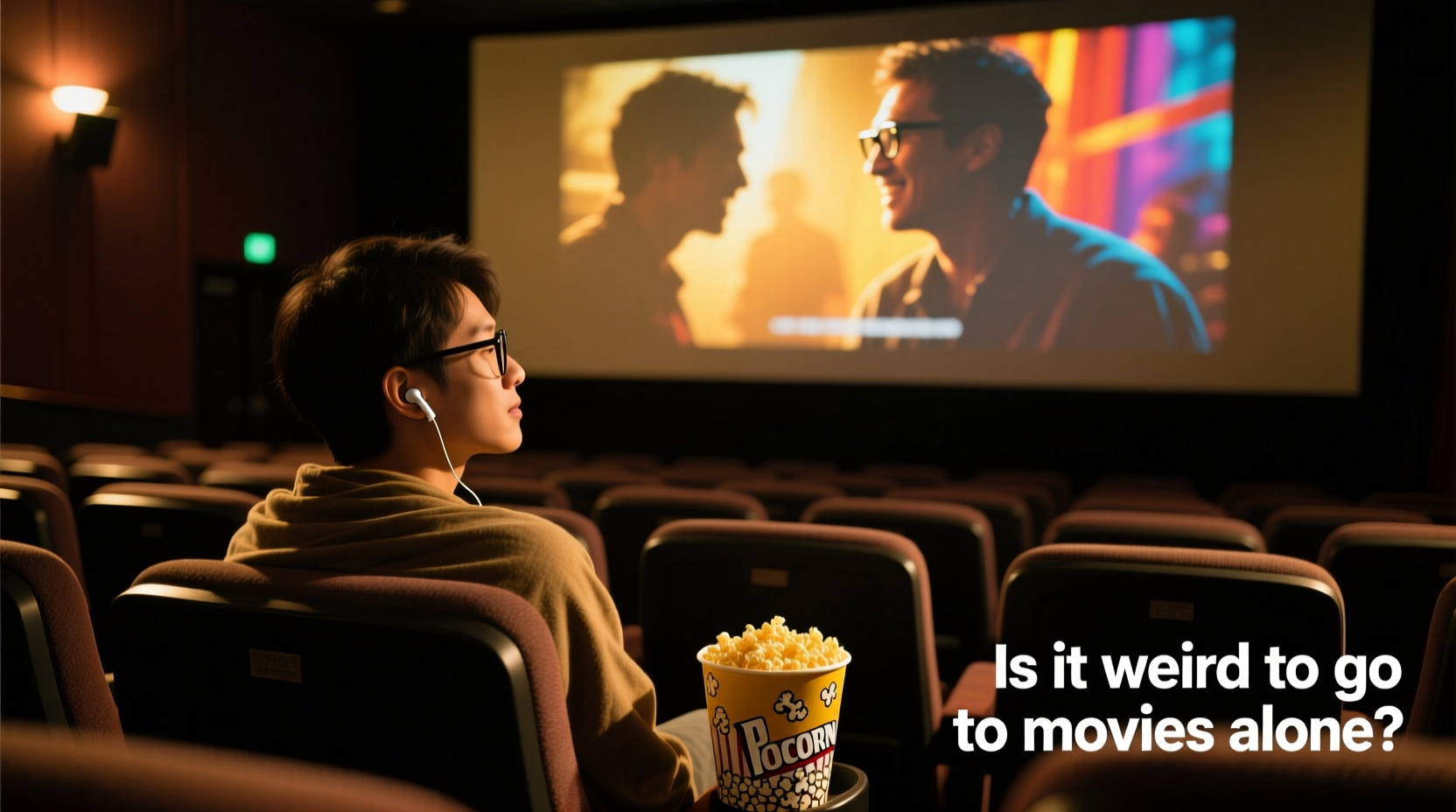
Solitude is not synonymous with loneliness. One is a state of being; the other, an emotion. Choosing to attend a movie alone reflects autonomy, not lack of companionship. According to Dr. Robert Coplan, a psychology professor specializing in solitude, “Intentional solitude can enhance well-being, creativity, and self-reflection.” When applied to leisure activities like moviegoing, this principle holds strong.
Cinemas have long been social hubs, but they’re also sensory sanctuaries. The dimming lights, enveloping sound, and focused visuals create an environment ideal for introspection. Watching a powerful drama or thrilling action sequence without commentary or distraction can deepen emotional engagement. You laugh when you want, cry freely, pause to reflect—all without worrying about someone else’s reaction.
In cities like Tokyo and Seoul, solo moviegoing is common and normalized. \"Solo dates\" are part of broader wellness trends where individuals prioritize self-care through independent activities. This mindset is catching on globally, especially among younger audiences who value authenticity over appearances.
“People who engage in solo leisure activities often report higher levels of life satisfaction and lower social anxiety.” — Dr. Bella DePaulo, Social Psychologist and Author of *Singled Out*
How to Make the Most of Your Solo Cinema Experience
Enjoying a movie alone isn’t just about showing up—it’s about designing an experience tailored to your preferences. With a few mindful choices, you can turn what some see as awkward into something deeply rewarding.
Choose the Right Time and Theater
Timing affects crowd density, which influences comfort. Mid-week afternoon screenings tend to be quieter, offering more space and fewer interruptions. Early evening shows (around 5–6 PM) also avoid peak rush hours while still feeling active enough to not seem out of place.
Opt for multiplexes with reserved seating if available. Knowing your seat is guaranteed reduces anxiety about finding a good spot or sitting near loud groups. Independent theaters or arthouse cinemas often attract niche audiences who appreciate quiet focus—ideal for solo viewers.
Tip: Use theater apps to check real-time seat availability and choose spots with clear sightlines and minimal foot traffic nearby.Bring Only What Enhances the Moment
You don’t need to bring much—just your ticket (or phone), wallet, and maybe a notebook if you’re inspired to jot down thoughts post-film. Avoid overpacking; bulky bags draw attention and limit mobility. If allowed, a small drink enhances ritual, but skip messy snacks that require constant handling.
Some solo attendees like to pair the outing with journaling before or after the film. Reflecting on themes, characters, or personal reactions turns entertainment into insight.
Embrace the Full Journey—Before and After
Treat the entire trip as an event. Arrive early and grab a coffee at the lobby café. Browse posters or trailers. Let anticipation build. Afterward, take time to decompress—walk around, write a quick review, or simply sit quietly processing what you’ve seen.
This continuity transforms moviegoing from passive consumption into a reflective practice.
Step-by-Step Guide to Your First Solo Screening
If you’ve never gone alone, starting can feel daunting. Follow this simple sequence to ease into the experience confidently.
- Pick a film you genuinely want to see – Not what’s trending or what others recommend. Choose something that speaks to you emotionally or intellectually.
- Select a low-pressure screening – Weekday matinee, non-blockbuster release, or a genre with typically smaller crowds (e.g., documentary, foreign film).
- Use online booking – Reserve your seat ahead of time to eliminate uncertainty upon arrival.
- Dress comfortably and authentically – Wear something that makes you feel calm and put-together, not performative.
- Arrive 15 minutes early – Settle in, observe the environment, claim your space without rushing.
- Let go of self-monitoring – Stop checking if others are looking at you. Focus on your breathing, then shift attention to the screen.
- Reflect afterward – Spend five minutes noting your impressions. Did any scene resonate? How did your mood shift?
Repeat this process with increasing variety—different genres, times, locations—and you’ll likely find your confidence growing with each visit.
Common Fears—and Why They Don’t Hold Up
Fear of judgment is the biggest barrier to solo moviegoing. Many imagine whispers, stares, or pitying glances. But reality rarely matches these assumptions.
- Fear: “People will think I have no friends.” Reality: Most patrons are absorbed in their own worlds. Even if noticed, solo viewers are increasingly common and viewed neutrally.
- Fear: “I’ll look lonely or sad.” Reality: Confidence changes perception. Someone entering calmly with a purposeful stride reads as independent—not isolated.
- Fear: “What if I get asked why I’m alone?” Reality: This almost never happens. Theater staff and fellow guests respect personal space.
Studies show that people overestimate how much others notice them—a phenomenon known as the \"spotlight effect.\" In truth, audiences are too preoccupied with their own experiences to scrutinize yours.
Real Example: Sarah’s Shift in Perspective
Sarah, a 29-year-old graphic designer in Portland, avoided solo outings for years. “I worried people would assume I was antisocial or couldn’t make plans,” she says. After a breakup, she found herself wanting to see a new indie film—but no one wanted to go. On impulse, she bought a ticket anyway.
“I walked in clutching my tote bag, eyes down, convinced everyone was staring. But once I sat down, sipped my tea, and the lights dimmed, everything changed. I cried during a scene about healing—I never could’ve done that with friends cracking jokes. Afterward, I wrote three pages in my journal. It felt sacred.”
Today, Sarah goes to the movies alone at least once a month. “It’s become my favorite form of self-care. No performance, no filtering. Just me and the story.”
Do’s and Don’ts of Solo Moviegoing
| Do | Don't |
|---|---|
| Choose seats with good visibility and distance from exits | Sit right next to strangers in an empty theater |
| Bring headphones if using a phone before the film | Scroll loudly or illuminate the area with bright screens |
| Engage with the atmosphere—notice details in the theater | Rush in and out anxiously; linger briefly to absorb the moment |
| Celebrate your courage, regardless of the film quality | Judge yourself for feeling nervous at first |
When Alone Time Becomes a Habit Worth Keeping
Regular solo moviegoing cultivates deeper media literacy. Without group influence, you develop your own tastes and interpretations. Over time, you may notice patterns in what draws you to certain films—themes of resilience, identity, transformation—that mirror your inner journey.
Additionally, practicing solitude in public builds resilience against social anxiety. Each successful outing reinforces the message: “I am comfortable in my own company.” That confidence spills into other areas—networking events, travel, even relationships—because you’re no longer dependent on others to validate your presence.
Tip: Pair your solo screening with a favorite book or playlist on the way home to extend the reflective mood.Frequently Asked Questions
Isn’t going to the movies alone a sign of social isolation?
No. Solitude and isolation are different. Isolation is involuntary and distressing; solitude is chosen and restorative. Many socially active people enjoy solo outings precisely because they value balance between connection and reflection.
What should I do if someone tries to sit right next to me in a nearly empty theater?
It’s rare but possible. If uncomfortable, you can politely say, “I prefer some space, mind if I move you to another row?” Or simply relocate yourself calmly. Most people respond respectfully to quiet assertiveness.
Can I bring food or take notes during the film?
Most theaters allow discreet snacks and silent note-taking (e.g., handwritten). Avoid crinkly wrappers or bright devices. Respect fellow viewers’ immersion—your experience shouldn’t disrupt theirs.
Final Thoughts: Reclaiming the Joy of Being Alone Together
Movies have always been communal in nature—not because we must share them physically, but because stories connect us across time and space. Sitting alone in a dark room surrounded by strangers all absorbing the same narrative is its own kind of togetherness. You're not missing out by going solo—you're engaging differently.
The question isn’t whether it’s weird to go to the movies alone. The real question is: why have we been taught to fear doing things by ourselves? Breaking that pattern starts with small acts of courage—like buying one ticket instead of two.
Next time a film calls to you, don’t wait for permission or company. Answer the call yourself. Buy the ticket. Take the seat. Let the music rise, the screen glow, and your thoughts settle. In that moment, you’re not alone—you’re exactly where you need to be.
💬 Have you tried going to the movies alone? Share your story or tips in the comments—your experience might inspire someone to take their first solo screening.