For decades, going to the movies has been considered a social ritual—something you do with friends, family, or a date. The idea of sitting in a dark theater, surrounded by strangers, eating popcorn alone, used to carry an unspoken stigma. But times are changing. More people are choosing to attend cinemas solo, not out of necessity, but by design. What was once seen as odd is now being reframed as a form of self-care, autonomy, and cultural engagement. So, is it still weird to go to a movie alone—or has solo cinema quietly become the new normal?
The Social Stigma Around Going Solo
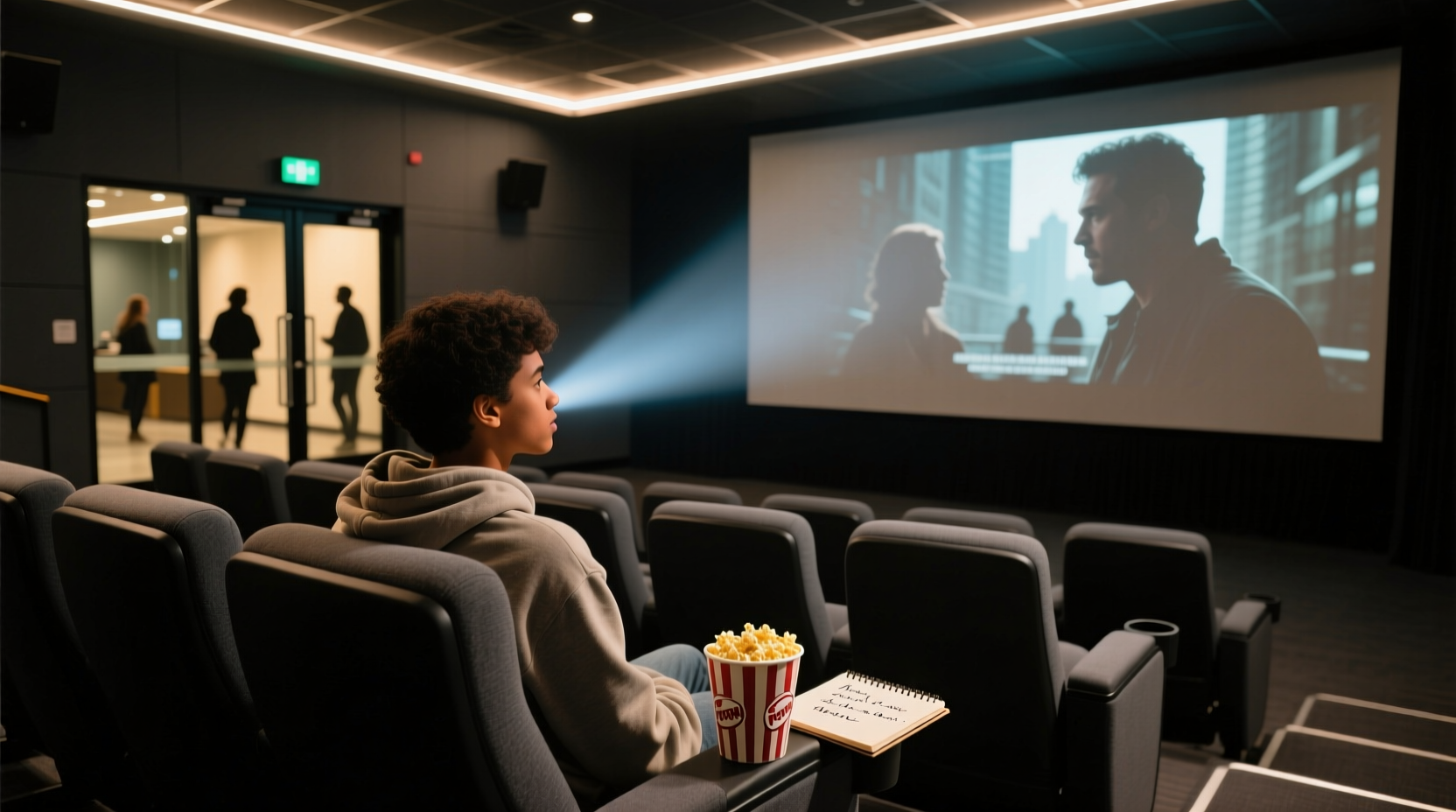
Historically, public activities involving leisure—especially entertainment—have carried implicit expectations of companionship. Dining out, attending concerts, or watching films were framed as shared experiences. Doing them alone often triggered assumptions: loneliness, social awkwardness, or lack of connection.
This bias stems from deep-seated cultural norms. In many societies, being seen without company in public spaces can inadvertently signal isolation. A 2017 study published in the *Journal of Consumer Research* found that individuals engaging in solo leisure activities were often perceived—incorrectly—as less happy or less socially integrated than those with companions.
But perception doesn’t always reflect reality. For many, going to the movies alone isn’t a last resort—it’s a deliberate choice rooted in personal preference, time efficiency, and emotional well-being.
Tip: If you're nervous about your first solo cinema trip, arrive early to settle in before the theater fills up.Solo Cinema on the Rise: Data and Trends
Cultural shifts are mirrored in consumer behavior. Over the past decade, box office analysts and cinema chains have observed a steady increase in single-ticket sales. According to data from the National Association of Theatre Owners (NATO), approximately 35% of moviegoers in urban markets now attend screenings alone—a figure that jumps to nearly 50% among viewers aged 25–34.
In countries like Japan and South Korea, solo cinema culture is not only normalized but celebrated. Tokyo-based “cinema cafés” offer private booths where patrons can watch films while dining alone in comfort. These venues report high occupancy rates, particularly during weekday evenings, indicating strong demand for independent viewing experiences.
Streaming services haven't killed the theater—they've redefined its purpose. With countless films available at home, people who go to cinemas are often doing so intentionally. They’re seeking immersion, quality sound, and the collective energy of a crowd—but not necessarily companionship.
Why People Choose to Watch Movies Alone
The motivations behind solo cinema vary widely, but several key themes emerge:
- Freedom of choice: No compromises on genre, runtime, or start time. Want to see a three-hour arthouse film at 10 a.m. on a Tuesday? You can.
- Mental space: For introverts or those managing anxiety, solo outings offer low-pressure environments to recharge.
- Enhanced focus: Without conversation or shared reactions, viewers often report deeper emotional engagement with the film.
- Time efficiency: Scheduling conflicts with friends or partners disappear when you answer only to yourself.
- Personal rituals: Some use solo screenings as weekly treats, akin to journaling or meditation.
“Watching a film alone allows for a more intimate relationship with the story. It becomes less about sharing the moment and more about experiencing it fully.” — Dr. Lena Torres, Cultural Psychologist and Film Studies Scholar
How to Make the Most of a Solo Cinema Experience
Going alone doesn’t mean missing out. In fact, with the right mindset, it can elevate your moviegoing experience. Here’s how to optimize your solo screening:
- Choose your seat wisely. Center-back rows typically offer the best audiovisual balance. Avoid front rows unless you enjoy neck cramps.
- Arrive with intention. Treat it like a small adventure. Bring a notebook if you want to jot down thoughts post-film.
- Embrace the silence. There's no need to force interaction. Enjoy your snack, focus on the screen, and let the story wash over you.
- Extend the experience. After the credits roll, consider visiting a nearby café to reflect on the film or read reviews.
- Start small. If you're unsure, pick a matinee showing of a familiar genre. Build confidence gradually.
Real Example: Sarah’s Solo Screening Ritual
Sarah, a 32-year-old graphic designer from Portland, began going to movies alone after moving to a new city. “I didn’t know anyone here,” she says. “One rainy Thursday, I saw that a Terrence Malick retrospective was starting. I’d always wanted to see *The Tree of Life*, but my friends weren’t interested. So I went alone.”
What started as a one-off became a monthly habit. “It turned into my favorite way to disconnect. No distractions, no small talk. Just me and the film. Now I look forward to it like a therapy session with better visuals.”
She now recommends the practice to others feeling overwhelmed by social demands. “It’s not antisocial. It’s recharging through art.”
Common Misconceptions About Solo Moviegoing
Despite growing acceptance, several myths persist about people who attend cinemas alone. Let’s address them directly:
| Misconception | Reality |
|---|---|
| Solo attendees are lonely or friendless. | Most are socially active; they simply value independent leisure. |
| It’s strange to eat popcorn alone in public. | Eating alone is common in cafes, diners, and airports—why not theaters? |
| You’ll feel awkward or judged. | Most people are absorbed in their own experience and rarely notice others. |
| Going alone ruins the shared joy of cinema. | Shared joy is valuable, but personal interpretation holds equal weight. |
| Solo viewers don’t contribute to cinema culture. | They support filmmakers, fuel word-of-mouth buzz, and engage deeply with content. |
When Going Alone Makes Sense (And When It Might Not)
Not every film or mood suits a solo outing. Consider these factors when deciding:
Tip: Use solo cinema for introspective films or genres you love but others don’t appreciate.Best for solo viewing:
- Dramas and character-driven stories
- Films you’ve been eager to see but no one wants to join you for
- Director retrospectives or foreign language films
- Revisiting a favorite movie for comfort or analysis
Better with company:
- Comedies (laughter is contagious)
- Horror films (shared screams add fun)
- Blockbusters with major spoilers (discussing afterward enhances enjoyment)
- First-date scenarios (unless you’re very confident!)
A Step-by-Step Guide to Your First Solo Cinema Trip
If you’re ready to try it, follow this simple roadmap:
- Week 1: Reflect on your motivation. Are you curious? Craving quiet? Eager to see a specific film? Clarify your reason.
- Week 2: Pick a low-pressure film. Choose something you’d comfortably watch at home—maybe a documentary or light drama.
- Week 3: Select a convenient time. Weekday matinees tend to be quieter and less intimidating.
- Day of: Arrive 15 minutes early. Buy your ticket, grab snacks if desired, and choose your seat calmly.
- After the film: Reflect. Did you enjoy it? Would you do it again? Note what worked and what didn’t.
Repeat as desired. Many find that the first time is the hardest—and every subsequent visit feels more natural.
FAQ
Isn’t going to the movies alone just sad?
Not inherently. Sadness implies unmet needs. Choosing solitude mindfully is different from enduring loneliness. Many people who go to movies alone describe the experience as peaceful, enriching, or even joyful.
Do theaters discourage solo attendees?
No. In fact, most theater chains welcome individual ticket buyers. Staff are trained to treat all guests equally, and ushers rarely—if ever—question seating choices based on group size.
Can I bring my phone or take notes?
Use discretion. While texting or loud typing is discouraged, discreet note-taking or checking messages during lulls (e.g., trailers) is generally acceptable. Just prioritize respect for other viewers.
Conclusion: Embracing the New Normal
The question isn’t whether it’s weird to go to a movie alone—it’s whether we’re ready to redefine what’s normal. As society evolves, so do our leisure habits. Solo cinema is no longer a fringe behavior; it’s a growing expression of autonomy, self-awareness, and cultural participation.
From packed screenings in Tokyo’s private cinema pods to urban millennials reclaiming their Friday nights on their own terms, the trend speaks to a broader shift: the normalization of doing things alone without apology. We’re learning that shared experiences are wonderful—but they aren’t the only path to fulfillment.
So if you’ve been hesitating, give yourself permission. Buy the ticket. Grab the oversized popcorn. Sit exactly where you want. Let the lights dim and the story begin. You might just discover that the best movie companion you’ll ever have is yourself.
💬 Have you tried going to the movies alone? What was your experience like? Share your story in the comments and help normalize solo cinema for others thinking of giving it a try.