Dropshipping was once the golden ticket for aspiring entrepreneurs—low startup costs, no inventory, and the dream of passive income from anywhere in the world. But as we move into 2025, many are asking: is it still possible to make real money with dropshipping, or has the model been saturated beyond profitability?
The answer isn’t a simple yes or no. Dropshipping isn’t “dead,” but it’s certainly evolved. The days of setting up a Shopify store overnight and raking in thousands with minimal effort are largely behind us. What remains is a more sophisticated, competitive, and rewarding opportunity—for those willing to treat it like a real business.
The State of Dropshipping in 2025
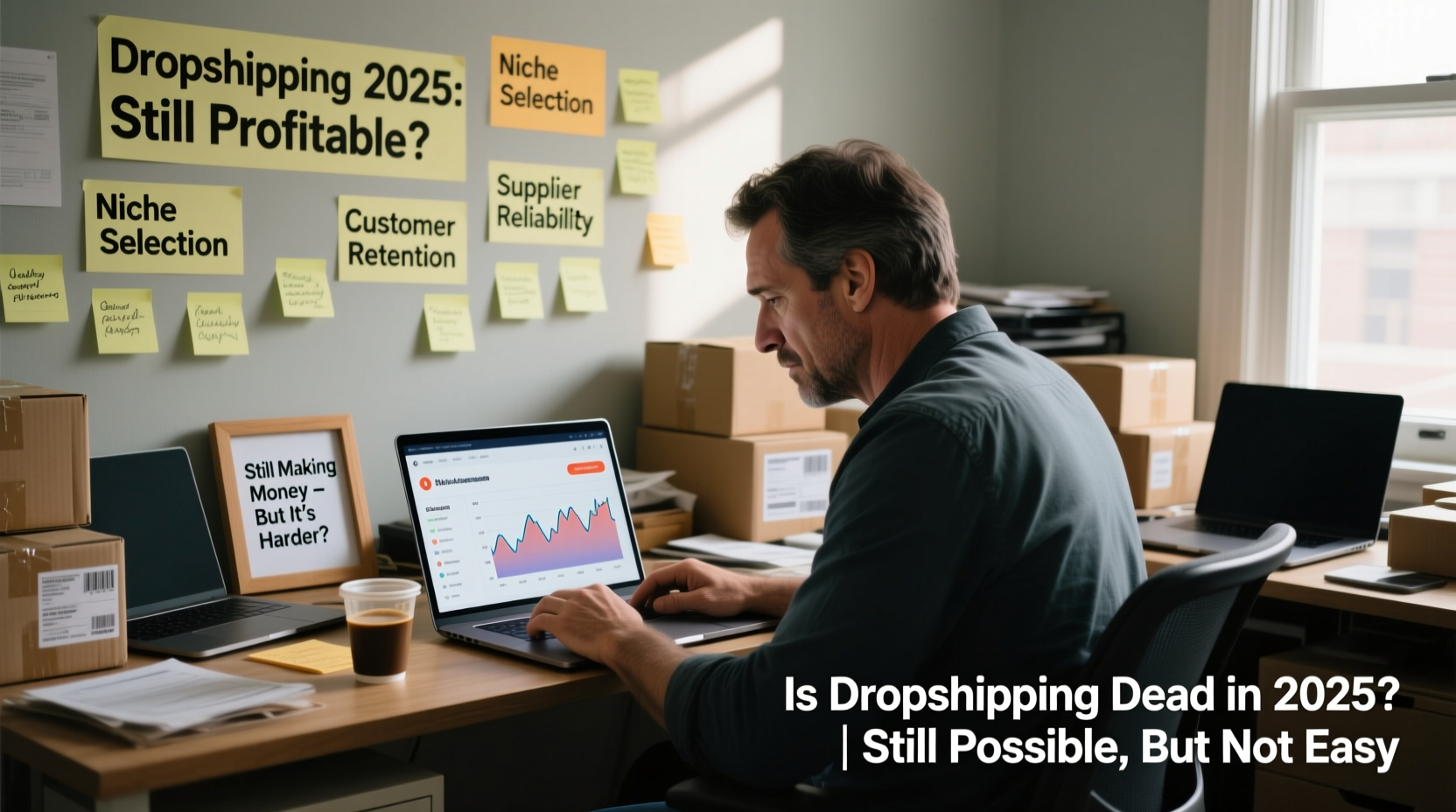
In its early years, dropshipping gained popularity through platforms like Oberlo and AliExpress, allowing anyone to import cheap products and mark them up. Social media ads, especially on Facebook and Instagram, made it easy to reach audiences quickly. But over time, market saturation, ad cost inflation, and increased scrutiny from platforms eroded the low-effort model.
By 2025, the average conversion rate for cold traffic in dropshipping has dropped below 1%, while customer acquisition costs (CAC) have risen sharply—often exceeding $20 per click in competitive niches. At the same time, consumers have become more skeptical of generic product listings and long shipping times.
Yet, despite these challenges, successful dropshippers still exist—and they’re making six and even seven figures annually. The key difference? They’ve adapted. They focus on branding, customer experience, faster fulfillment, and solving real problems rather than chasing viral trends.
“Dropshipping isn’t dead—it just stopped being lazy. The winners now are those who build real brands, not just stores.” — Sarah Lin, E-commerce Strategist & Founder of ScalePath Consulting
Why Dropshipping Still Works (When Done Right)
Several factors prove that dropshipping remains viable in 2025:
- Low barrier to entry: You can start with under $500, including domain, hosting, and initial ad spend.
- Global supplier networks: Platforms like CJ Dropshipping, Zendrop, and DSers offer faster shipping (7–14 days) and better quality control.
- Niche opportunities: Emerging markets in pet tech, sustainable living, and home fitness still have room for innovation.
- Automation tools: AI-powered copywriting, ad optimization, and order routing reduce manual work significantly.
The most profitable dropshippers today aren’t selling random gadgets—they’re curating solutions. For example, a store focused on eco-friendly kitchen replacements doesn’t just sell bamboo cutlery; it builds a brand around zero-waste living, offers educational content, and partners with influencers in the sustainability space.
Tip: Don’t compete on price alone. Compete on story, trust, and customer experience.How to Build a Profitable Dropshipping Business in 2025
Succeeding now requires strategy, patience, and execution. Here’s a step-by-step framework used by top performers:
- Choose a high-potential niche: Avoid oversaturated categories like phone grips or LED lights. Instead, target niches with passionate communities—e.g., urban gardening, remote work ergonomics, or specialty pet care.
- Validate demand before launching: Use tools like Google Trends, TikTok search volume, and Amazon Best Sellers to confirm interest. Look for consistent upward trends, not spikes.
- Source reliable suppliers: Prioritize suppliers offering ePacket, US/EU warehousing, and product customization. Test samples before listing.
- Build a brand-first store: Invest in clean design, professional copy, and high-quality lifestyle images. Your site should look like a premium brand, not a marketplace listing.
- Optimize for conversions: Implement urgency tactics (limited stock), trust badges (secure checkout, reviews), and clear return policies.
- Leverage organic growth: Create value-driven content on TikTok, YouTube Shorts, or Pinterest. A single viral video can generate months of sales without ad spend.
- Retain customers: Use email flows, loyalty programs, and post-purchase surveys to turn one-time buyers into repeat customers.
Real Example: From $0 to $12k/month in 5 Months
Jamal, a former teacher in Colorado, launched a dropshipping store in early 2024 focused on ergonomic accessories for remote workers. He noticed growing frustration in online forums about back pain and poor desk setups.
Instead of copying existing products, he curated a line of adjustable laptop stands, posture correctors, and anti-fatigue mats—all shipped from US-based warehouses for 5–7 day delivery. He created short-form videos showing real people adjusting their home offices, paired with practical tips.
Using a mix of paid TikTok ads and organic posting, his store hit $3,200 in sales by month three. By reinvesting profits into content creators and email marketing, he reached $12,000/month by month five—with a customer retention rate of 28%, far above the industry average of 15%.
His edge? He didn’t just sell products—he positioned himself as a trusted advisor in home office wellness.
Avoid These Common Dropshipping Mistakes
Many failures stem not from the model itself, but from flawed execution. Here are the most frequent pitfalls in 2025:
| Mistake | Why It Fails | Better Approach |
|---|---|---|
| Selling trending but irrelevant products | No audience loyalty; sales die when trend fades | Focus on evergreen needs within trending niches |
| Using only AliExpress with 30-day shipping | High refund rates due to long wait times | Use suppliers with regional fulfillment centers |
| Ignoring branding and storytelling | Customers see you as disposable | Develop a mission, voice, and visual identity |
| Scaling ads before optimizing conversion | Burns cash on unprofitable traffic | Test at small scale, optimize CRO first |
| Not collecting customer data | No way to remarket or build loyalty | Add email/SMS opt-ins and post-purchase flows |
Checklist: Launching a Viable Dropshipping Store in 2025
Before going live, ensure you’ve covered these critical steps:
- ✅ Selected a niche with proven demand and low competition saturation
- ✅ Researched and tested at least 3 suppliers for quality and shipping speed
- ✅ Built a mobile-optimized website with clear branding and messaging
- ✅ Created original product descriptions and lifestyle imagery
- ✅ Set up tracking pixels and analytics (Google, Meta, TikTok)
- ✅ Developed a 30-day content and ad plan (organic + paid)
- ✅ Implemented post-purchase email sequences and review collection
- ✅ Established a customer service protocol (refunds, tracking, inquiries)
Can You Make Real Money? Income Realities in 2025
Yes, you can make real money—but expectations must be realistic. According to recent surveys of active dropshippers:
- About 10% earn over $10,000/month consistently.
- 30% make between $1,000–$5,000/month after expenses.
- 60% earn less than $1,000/month or quit within 6 months.
Profitability depends heavily on operational efficiency. A well-run store with a 25% net margin, $20,000 in monthly sales, and strong retention can generate $50,000+ in annual profit. But this requires treating the business like a full-time job for the first 6–12 months.
One emerging advantage: hybrid models. Many successful entrepreneurs combine dropshipping with private labeling. Once a product proves popular, they source it in bulk, improve packaging, and rebrand it—increasing margins from 15% to 50% or more.
FAQ
Is dropshipping still profitable in 2025?
Yes, but only if you approach it strategically. Profitability depends on niche selection, supplier reliability, branding, and customer retention. The “set it and forget it” era is over, but smart operators can still earn substantial income.
How much do I need to start dropshipping in 2025?
You can start for under $500. This covers domain ($15), Shopify subscription ($29/month), theme ($0–100), and initial ad testing ($200–300). However, having $1,000–$2,000 allows for better testing, sample orders, and content creation.
Are Facebook and TikTok ads still effective for dropshipping?
TikTok remains highly effective for visually engaging products, especially with younger audiences. Facebook ads still work but require tighter targeting and higher creative quality. Many top sellers now prioritize organic content and influencer partnerships to reduce reliance on paid ads.
Conclusion: Dropshipping Isn’t Dead—It’s Just Grown Up
Dropshipping in 2025 is no longer a shortcut. It’s a legitimate path to building an e-commerce business—if you’re willing to invest time, learn continuously, and deliver real value. The surface-level players have been filtered out. What’s left is an opportunity for serious entrepreneurs to thrive by focusing on quality, trust, and customer experience.
If you’re ready to stop chasing get-rich-quick myths and start building something sustainable, now is still a great time to begin. The tools are better, the knowledge is more accessible, and the potential for profit remains real—for those who do the work.
🚀 Ready to start? Pick a niche you’re passionate about, validate one product idea this week, and take your first step toward a real online business. Share your journey in the comments—your next breakthrough could begin with a single decision.