For anime enthusiasts, collecting merchandise is more than a hobby—it’s a way to connect with beloved characters, shows, and eras. But as the market evolves, collectors face a growing dilemma: should they invest in vintage items from the 80s and 90s, or focus on limited-edition modern releases? While nostalgia pulls many toward retro goods, newer collectibles often come with better production quality and official licensing. The answer isn’t straightforward, but understanding the financial, cultural, and practical dimensions of each option can help collectors make smarter decisions.
The Value Proposition of Vintage Anime Merch
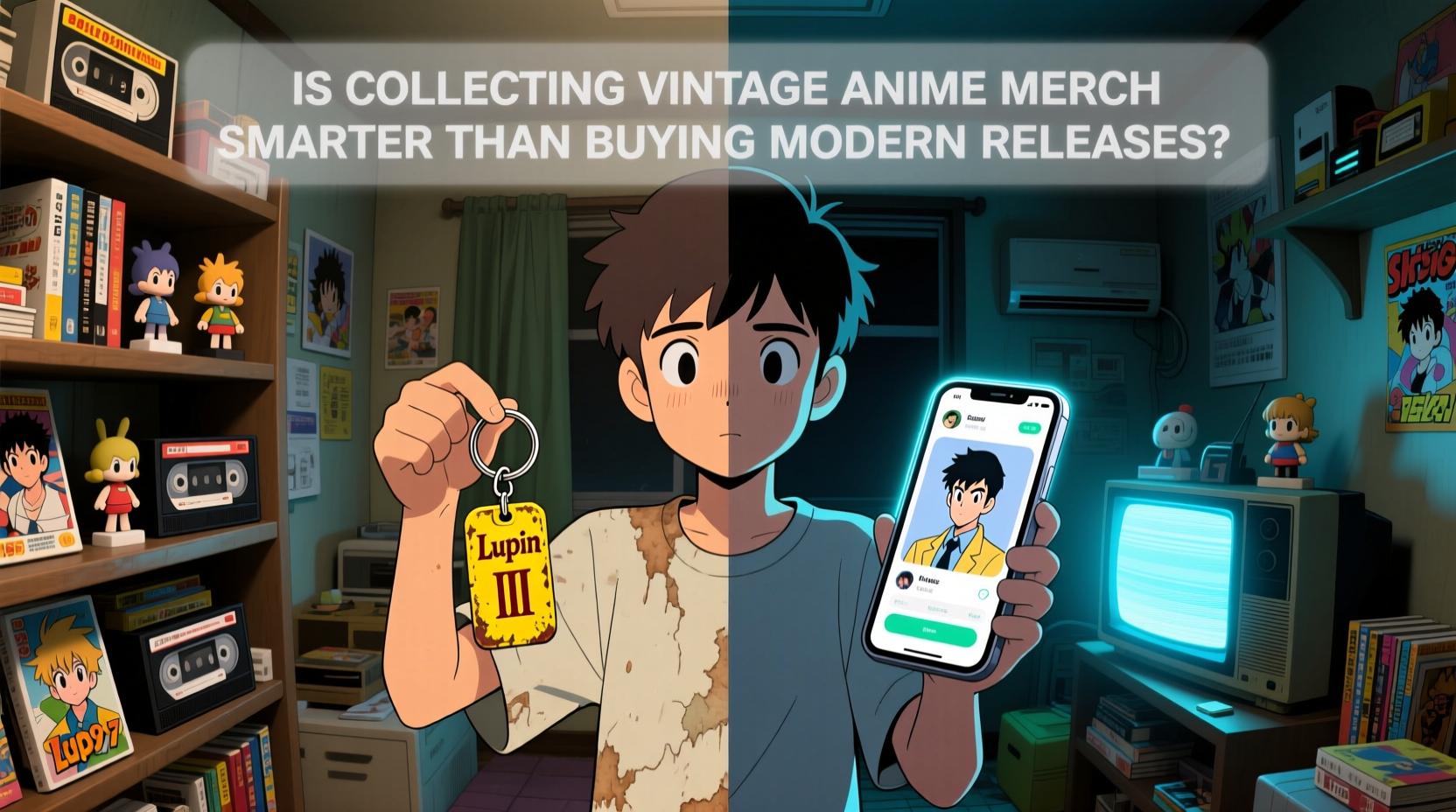
Vintage anime merchandise—items produced before the early 2000s—has seen a dramatic rise in value over the past decade. Rare VHS tapes, original cel art, promotional posters, and boxed figures from series like *Akira*, *Sailor Moon*, and *Neon Genesis Evangelion* now command high prices at auctions and specialty stores. Much of this appreciation stems from scarcity. Many older items were never intended for long-term preservation; they were mass-produced novelties with short lifespans. As time passes, surviving pieces in good condition become increasingly rare.
Additionally, vintage merch carries historical significance. It represents a pivotal era when anime transitioned from niche Japanese entertainment to global pop culture. Owning an original Bandai trading card set from *Dragon Ball Z* (1996) isn’t just about aesthetics—it’s owning a tangible piece of animation history.
“Vintage anime collectibles are like cultural artifacts. Their worth isn’t just monetary—it’s archival.” — Hiro Tanaka, Curator at the Tokyo Pop Culture ArchiveTip: When evaluating vintage items, always verify authenticity through packaging details, copyright stamps, and production codes. Counterfeits are common in high-demand markets.
Modern Releases: Quality, Accessibility, and Hype
In contrast, modern anime merchandise benefits from advanced manufacturing techniques, higher material standards, and global distribution networks. Companies like Good Smile Company, Aniplex, and Kotobukiya produce highly detailed figures, soundtracks, and apparel with precision and consistency. These items are often released in limited runs, creating artificial scarcity that drives demand among fans.
Moreover, today’s collectors have access to real-time information. Social media, collector forums, and price-tracking platforms allow buyers to assess an item’s potential value before purchase. Pre-orders, exclusive retailer variants, and convention-only editions further enhance desirability.
However, the very factors that boost appeal can also undermine long-term value. Overproduction, rapid re-releases, and shifting fan trends mean some modern items depreciate quickly. A figure that sells for $300 at launch might drop to $150 within a year if demand wanes.
Key Differences in Production and Longevity
| Factor | Vintage Merch (Pre-2000) | Modern Merch (Post-2010) |
|---|---|---|
| Production Quality | Variable; often lower detail, prone to wear | High consistency; UV-resistant paints, durable plastics |
| Scarcity | Naturally scarce due to age and attrition | Artificially limited; often reissued |
| Market Stability | Steady appreciation over decades | Volatility; subject to hype cycles |
| Authenticity Risk | High—counterfeits and reproductions common | Low—official holograms, QR codes, certificates |
| Storage Requirements | High—sensitive to light, humidity, pests | Moderate—more resilient materials |
Financial Realities: Appreciation vs. Speculation
While vintage anime merch has demonstrated strong long-term appreciation, it’s not immune to market fluctuations. Values depend heavily on condition, provenance, and cultural relevance. A mint-condition *Ghost in the Shell* LaserDisc box set sold for over $2,000 in 2023, but a damaged copy might fetch only $200.
Modern releases, meanwhile, attract speculative buyers hoping to flip items for profit. This behavior inflates initial prices but creates bubbles. For example, the *Demon Slayer: Kimetsu no Yaiba* EX Theater Edition Blu-ray (2020) resold for triple its retail price during peak popularity—only to settle near original value two years later.
Long-term financial wisdom favors patience. Vintage items that have already appreciated over 10+ years carry less risk than newly hyped products banking on fleeting popularity.
Tip: Focus on “evergreen” franchises (*Gundam*, *Pokémon*, *Studio Ghibli*) rather than seasonal hits. Time-tested series maintain demand across generations.A Mini Case Study: The Rise of a Vintage Treasure
Takashi M., a collector from Osaka, purchased a sealed copy of the 1997 *Neon Genesis Evangelion* “Plastic Model Complete Box” for ¥8,000 (~$70) at a flea market in 2005. At the time, the set—a collection of unassembled model kits—was considered outdated. Most fans preferred newer PVC figures.
Over the next 15 years, Takashi stored the box in a temperature-controlled cabinet, away from sunlight. By 2020, interest in early Eva memorabilia surged, driven by anniversary reboots and nostalgic social media trends. In 2023, he auctioned the unopened set through Mandarake for ¥1.2 million ($8,400).
This case illustrates three key principles: the power of preservation, the impact of cultural resurgence, and the importance of holding through quiet periods. Had Takashi sold during a minor spike in 2010, he would have earned only ten times his investment. Waiting doubled that return.
Step-by-Step Guide to Building a Smart Collection
Whether you lean toward vintage or modern, a structured approach maximizes value and enjoyment. Follow these steps to build a resilient, meaningful collection:
- Define Your Goal: Are you collecting for personal enjoyment, investment, or both? This shapes your acquisition strategy.
- Research Franchises: Prioritize series with enduring global appeal and active fan communities.
- Set a Budget: Allocate funds monthly to avoid impulsive spending. Stick to pre-approved limits.
- Evaluate Condition: For vintage, inspect for yellowing, sticker residue, and missing parts. For modern, check for factory defects.
- Authenticate Purchases: Use reputable sellers, compare packaging details, and consult collector databases.
- Invest in Storage: Use acid-free sleeves, UV-protected display cases, and climate control to preserve condition.
- Track Market Trends: Monitor sites like MyAnimeList, Mandarake, and Yahoo! Japan Auctions for pricing patterns.
- Reassess Annually: Review your collection’s performance and adjust focus based on shifts in demand.
Checklist: Before You Buy Any Anime Merch
- ✅ Is the item from a franchise with lasting popularity?
- ✅ Does it come with verifiable proof of authenticity?
- ✅ What is the current resale value on secondary markets?
- ✅ Am I buying because of genuine interest or FOMO (fear of missing out)?
- ✅ Do I have proper storage to maintain its condition?
- ✅ Has this item been reissued or reprinted recently?
- ✅ Is the seller reputable (e.g., authorized retailer, trusted collector)?
Common Pitfalls to Avoid
Both vintage and modern collecting carry risks. One of the most common mistakes is emotional buying—acquiring items solely because of fandom without considering long-term value. Limited editions aren’t automatically valuable; exclusivity must be paired with demand.
Another trap is neglecting preservation. A vintage *Cowboy Bebop* CD signed by the voice cast could be worth thousands—but only if the ink hasn’t faded and the case isn’t cracked. Exposure to sunlight, fluctuating temperatures, and improper handling can destroy value in months.
Finally, over-diversification weakens focus. Collectors who buy everything from keychains to life-size statues often lack depth in any one area, making it harder to build expertise or achieve critical mass for resale.
Frequently Asked Questions
Does all vintage anime merch increase in value?
No. Only items from popular series, in excellent condition, and with verified authenticity tend to appreciate. Forgotten OVAs or low-tier bootlegs rarely gain value.
Are modern “limited edition” figures worth the premium?
Sometimes. If the edition is truly limited (e.g., 500 units worldwide) and tied to a major franchise, it may hold or increase in value. However, many “limited” releases are mass-produced with staggered sales, reducing scarcity.
How do I start collecting vintage merch safely?
Begin with mid-tier items from trusted secondhand stores like Mandarake or Suruga-kan. Avoid high-stakes purchases until you’ve developed authentication skills. Join online communities to learn from experienced collectors.
Conclusion: Balancing Nostalgia, Value, and Practicality
Is collecting vintage anime merch smarter than buying modern releases? The answer depends on your goals. For long-term investment and historical connection, vintage pieces offer unmatched potential—if you’re willing to research, authenticate, and preserve them carefully. For immediate gratification, display quality, and lower entry barriers, modern releases provide accessible, well-made options.
The smartest collectors don’t choose one over the other. They diversify. They keep a core of timeless vintage items while selectively adding modern pieces from evergreen franchises. They prioritize condition, authenticity, and passion over hype. And they understand that true value isn’t just measured in yen or dollars, but in the stories each item carries.
🚀 Ready to build a collection that lasts? Start by auditing what you already own, define your collecting philosophy, and take one intentional step this week—whether it’s researching a vintage item’s serial number or joining a collector forum. The best collections grow with purpose, not impulse.