
The year 2016 was a pivotal moment in the smartphone industry. Apple and Samsung were locked in a fierce battle for dominance, each launching flagship devices that captured global attention. The iPhone 7 and 7 Plus from Apple hit the market in September, while Samsung had already released the Galaxy S7 and S7 Edge earlier that year. But when it comes to popularity—measured by sales, market share, brand loyalty, and cultural impact—did iPhones truly surpass Samsung Galaxy phones in 2016? The answer isn’t as straightforward as one might assume.
Sales Figures: Who Sold More Phones?
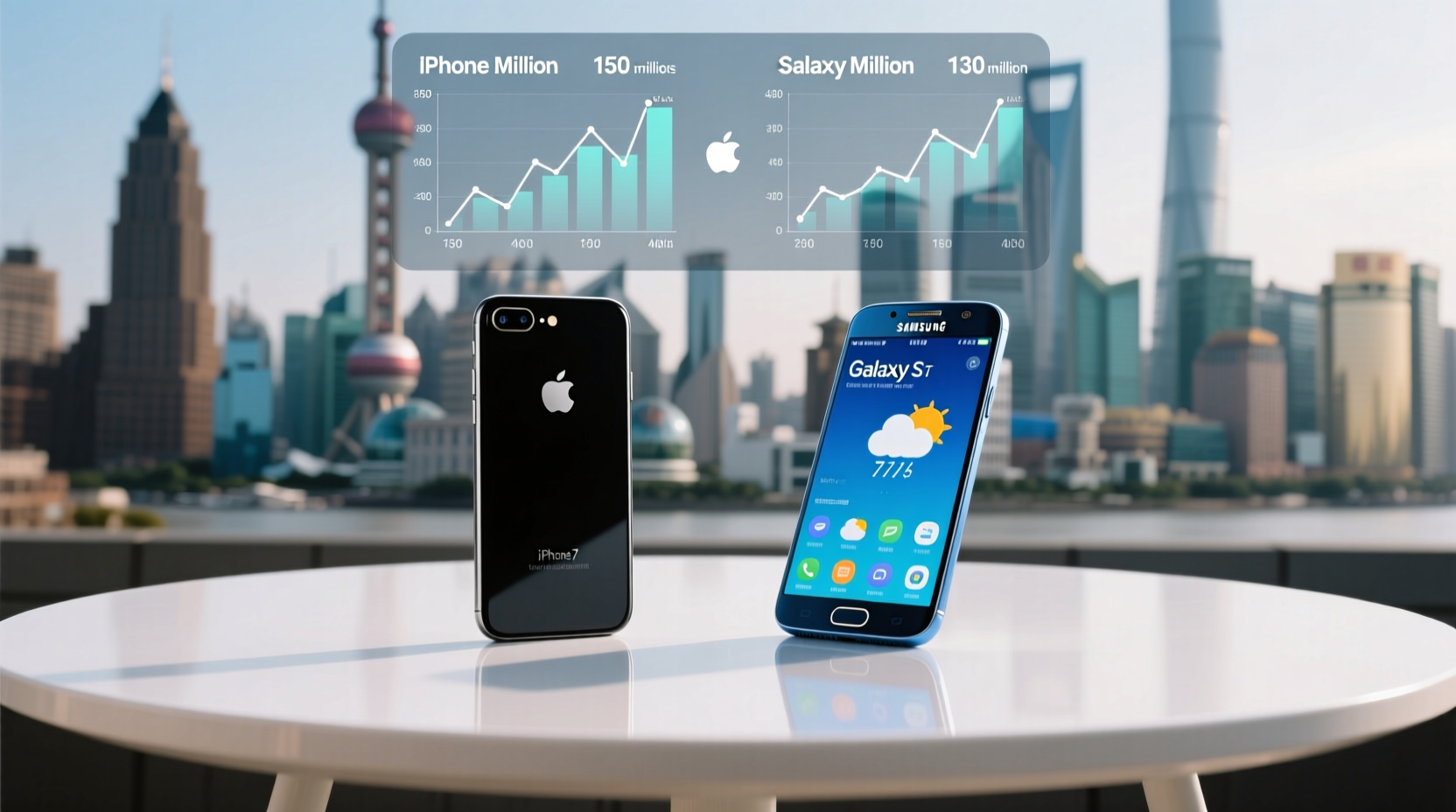
Global smartphone sales are among the most reliable indicators of popularity. In 2016, Samsung maintained its position as the world’s largest smartphone manufacturer by volume. According to data from IDC and Strategy Analytics, Samsung shipped approximately 311 million smartphones worldwide, compared to Apple’s 215 million iPhones sold during the same period.
This gap reflects Samsung’s broader product range, which spans budget models like the Galaxy J series to premium flagships such as the Galaxy S7 and Note 7 (before its recall). Apple, on the other hand, focuses exclusively on high-end devices with limited model variations, restricting its total unit volume despite commanding higher prices.
Tip: When comparing brand popularity, consider whether you're measuring units sold, revenue generated, or regional dominance—each tells a different story.Market Share by Region
Popularity varies significantly by geography. In North America, particularly the United States, Apple dominated in 2016. The iPhone accounted for over 40% of all smartphone sales in the U.S., outpacing every Android manufacturer including Samsung. This was due in part to carrier partnerships, strong brand loyalty, and consumer preference for iOS.
In contrast, Samsung led in markets across Asia, Latin America, Africa, and Eastern Europe. Its diverse pricing strategy allowed it to compete effectively in both developing economies and mature markets. For example, in India and Indonesia, mid-range Galaxy models were far more accessible than iPhones, giving Samsung a decisive edge.
“Samsung’s strength lies in its ability to offer something for everyone—from $100 handsets to cutting-edge foldables.” — Jan Dawson, Chief Analyst at Jackdaw Research
Flagship Performance: iPhone 7 vs. Galaxy S7
When evaluating popularity among tech-savvy users and early adopters, the performance and reception of flagship models matter greatly. Both the iPhone 7 and Galaxy S7 received critical acclaim upon release, but their trajectories differed.
- iPhone 7: Praised for its improved camera, water resistance, and powerful A10 Fusion chip. However, Apple’s decision to remove the headphone jack sparked widespread controversy.
- Galaxy S7: Celebrated for its superior display, expandable storage, and IP68 rating. It also retained the headphone jack, which many consumers appreciated.
In benchmark tests and user reviews, the Galaxy S7 often edged out the iPhone 7 in hardware flexibility and customization options. Yet, iOS offered smoother long-term software support and tighter ecosystem integration, appealing to users invested in Apple’s ecosystem.
Feature Comparison Table
| Feature | iPhone 7 | Galaxy S7 |
|---|---|---|
| Launch Price (Starting) | $649 | $649 |
| Display Size | 4.7 inches | 5.1 inches |
| Water Resistance | IP67 | IP68 |
| Headphone Jack | No | Yes |
| Expandable Storage | No | Yes (microSD) |
| Camera (Rear) | 12 MP, f/1.8 | 12 MP, f/1.7 |
| OS Updates Guaranteed | ~5 years | ~2 years |
The table highlights key trade-offs: Samsung prioritized hardware versatility, while Apple emphasized software longevity and design cohesion.
The Galaxy Note 7 Crisis and Its Impact
One major event shaped Samsung’s reputation in 2016—the Galaxy Note 7 recall. After reports of batteries catching fire, Samsung issued a global recall in September, eventually discontinuing the device entirely. Over 2.5 million units were recalled, damaging consumer trust and temporarily weakening Samsung’s momentum.
This crisis gave Apple a strategic advantage during the crucial holiday season. Many potential Samsung buyers switched to the iPhone 7, especially in markets where safety concerns amplified media coverage. Analysts estimate that Apple gained up to 3 percentage points in quarterly market share directly due to the Note 7 withdrawal.
However, Samsung responded swiftly with rigorous battery testing and transparent communication. By early 2017, the brand had largely recovered, proving its resilience in the face of crisis.
Mini Case Study: A Consumer’s Dilemma in Q4 2016
Jamal, a freelance photographer in Chicago, planned to upgrade his phone in October 2016. He initially leaned toward the Galaxy Note 7 for its stylus functionality and bright AMOLED screen, ideal for reviewing photos on the go. But after news of the battery fires spread, he hesitated. Friends warned him about risks, and local carriers stopped promoting the device. Ultimately, Jamal purchased an iPhone 7 Plus, citing reliability and resale value as deciding factors. His experience mirrored that of thousands of cautious buyers who pivoted to Apple during Samsung’s weakest moment.
Brand Loyalty and Ecosystem Lock-In
Long-term popularity isn’t just about how many phones sell—it’s also about retention. In 2016, Apple boasted a customer loyalty rate of around 90%, meaning nearly nine out of ten iPhone users planned to buy another iPhone. Samsung’s re-purchase rate was lower, estimated at 70–75%, partly because Android users face more choices across brands.
Apple’s tightly integrated ecosystem—iCloud, iTunes, AirPods, Apple Watch, and seamless Handoff between devices—made switching costly for users. Meanwhile, Samsung relied on Google’s ecosystem but added proprietary features like Samsung Pay and DeX (later introduced), attempting to build its own sticky environment.
Tip: If you're choosing between ecosystems, consider your existing devices. An iPad or Mac user will likely benefit more from staying within Apple's ecosystem.Checklist: Factors That Influenced Popularity in 2016
- ✅ Global shipment numbers (Samsung led)
- ✅ Regional market leadership (Apple in U.S., Samsung elsewhere)
- ✅ Flagship innovation and consumer reception
- ✅ Brand trust and crisis management (Note 7 fallout)
- ✅ Software update policies and long-term usability
- ✅ Carrier relationships and subsidies
- ✅ Resale value and depreciation rates
Frequently Asked Questions
Did the iPhone 7 outsell the Galaxy S7 in 2016?
No single model comparison is definitive, but overall, the Galaxy S7 series slightly outsold the iPhone 7 series globally. However, Apple sold more units across its entire lineup during the holiday quarter, benefiting from the Note 7 recall and strong demand in North America.
Why did Apple dominate in the U.S. but not globally?
The U.S. market favors premium devices and carrier subsidies, conditions under which Apple excels. Globally, affordability matters more. Samsung’s wide range of budget and mid-tier phones gave it broader reach, especially in price-sensitive regions like Southeast Asia and Africa.
Was iOS more popular than Android in 2016?
No—Android held about 80% of the global operating system market share in 2016, while iOS accounted for roughly 15–17%. However, iOS generated significantly more app store revenue and commanded higher average selling prices.
Conclusion: Were iPhones More Popular?
In 2016, \"popularity\" depended on how you defined it. Samsung sold more phones worldwide and maintained leadership in most international markets. Apple dominated in profitability, brand loyalty, and premium perception—especially in the U.S. The iPhone 7 benefited from Samsung’s self-inflicted Note 7 wound, gaining ground during a critical sales window.
Ultimately, neither brand was universally “more popular.” Samsung won on scale and variety; Apple triumphed in ecosystem strength and per-unit value. The rivalry pushed both companies to innovate faster, benefiting consumers with better cameras, longer battery life, and more durable designs.
Understanding this dynamic helps clarify why both brands remain powerhouses today. Their competition isn’t just about specs or marketing—it’s about fundamentally different philosophies of technology and user experience.
🚀 What do you think shaped smartphone preferences in 2016? Share your memories of upgrading that year—was it the headphone jack, the camera, or something else? Join the conversation below.