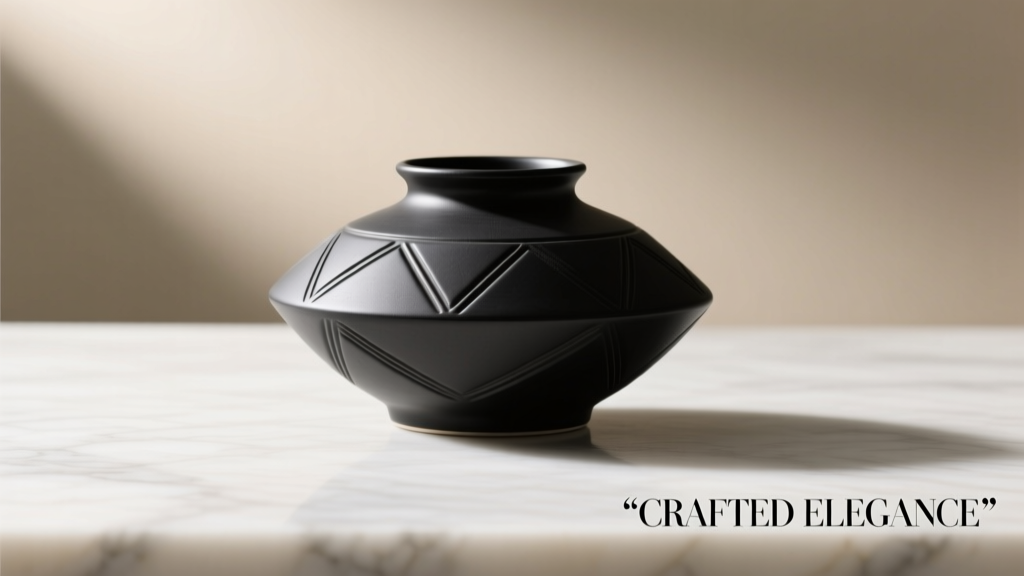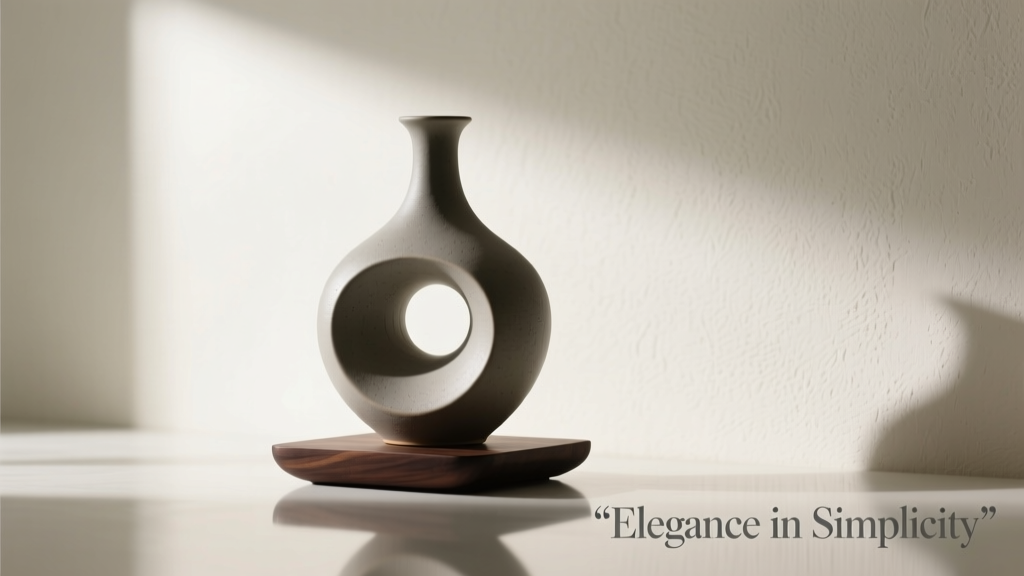
“Cute” isn’t just aesthetic—it’s emotional shorthand. A well-chosen cute gift signals attention, warmth, and intentionality. But what reads as charming to a five-year-old may feel infantilizing to a 32-year-old graduate. What delights a new parent might overwhelm someone grieving a loss. The most memorable cute gifts aren’t merely small, pastel, or kawaii—they’re precisely calibrated to the recipient’s personality, life stage, values, and the emotional weight of the moment. This isn’t about shopping faster; it’s about observing deeper, listening more carefully, and choosing with quiet confidence.
Why “Cute” Requires More Thought Than Most Gifts
Gift-giving carries unspoken expectations: to affirm identity, acknowledge transition, or offer comfort. Cute gifts amplify those intentions—but they also carry higher risk. A poorly matched cute item can unintentionally convey condescension (“You’re still so young”), oversimplification (“This is all you need right now”), or cultural misalignment (“This aesthetic has no meaning in your world”). Research from the Journal of Consumer Psychology shows recipients remember gifts tied to personal resonance—not visual appeal—up to 3.7 times longer. That means the plush sloth isn’t memorable because it’s soft and smiling; it’s memorable because it arrived the week your friend moved into her first apartment, mirroring her quiet determination and gentle sense of humor.
“Cuteness triggers caregiving instincts—but only when it aligns with the recipient’s self-concept. Mismatched ‘cuteness’ doesn’t delight; it distances.” — Dr. Lena Torres, Developmental Psychologist & Gift Behavior Researcher, Stanford University
The 5-Pillar Framework for Choosing Thoughtful Cute Gifts
Forget generic lists. Use this field-tested framework to evaluate any cute gift before purchase:
- Personality Alignment: Does this reflect how they describe themselves—or how others describe them? (e.g., “whimsical but precise,” “soft-spoken with sharp wit,” “organized but secretly nostalgic”)
- Life-Stage Resonance: Is this appropriate for where they are *now*—not where they were at 16 or where you imagine they’ll be in five years? (A college senior needs different symbolism than a newly retired teacher.)
- Functional Warmth: Does it serve a quiet, daily purpose *and* spark micro-moments of joy? (A ceramic mug shaped like a sleeping fox isn’t just “cute”—it’s a tactile pause in their morning routine.)
- Cultural & Sensory Fit: Does it honor their background, neurotype, or physical sensitivities? (Avoid scratchy fabrics for someone with sensory processing differences; skip cartoonish motifs if their family tradition emphasizes minimalist elegance.)
- Emotional Weight Matching: Does its tone match the occasion’s gravity? (A tiny origami crane is tender for a sympathy note; a glittery unicorn pencil case feels jarring after a serious medical diagnosis.)
Occasion-Specific Cute Gift Principles (With Real Examples)
Occasions aren’t just calendars—they’re emotional contexts. Here’s how to calibrate cuteness accordingly:
| Occasion | Core Emotional Need | What “Cute” Should Accomplish | Real-World Example That Worked |
|---|---|---|---|
| Baby Shower | Validation of new identity + practical reassurance | Softness + subtle symbolism of growth/protection—not just “babyish” motifs | A hand-stitched muslin swaddle with embroidered sprouting ferns (symbolizing quiet resilience) + matching organic cotton burp cloth with tiny, understated owl faces. Chosen after learning the parents-to-be love forest bathing and value quiet over noise. |
| Graduation (Undergraduate) | Celebration of effort + gentle grounding amid uncertainty | Playfulness with substance—no infantilization, but lightness that acknowledges transition | A walnut desktop organizer shaped like a stack of books, with one “book” opening to reveal a hidden compartment for notes—and a removable, enamel-painted “grad cap” bookmark. Used by a neuroscience major who joked about surviving on coffee and curiosity. |
| Sympathy / Loss Support | Permission to grieve + tangible comfort | Soft textures, muted tones, nature-based forms—never saccharine or prescriptive | A linen pouch filled with lavender-scented, oven-baked clay worry stones, each imprinted with a single leaf vein. Given to a widow who tended her late husband’s garden daily; the stones fit perfectly in her palm during walks among the roses. |
| Housewarming | Belonging + invitation to settle in | Items that soften edges, invite interaction, and reflect shared memory or inside jokes | A set of three ceramic coasters glazed in matte sage, terracotta, and oat—each stamped with a different local bird native to the neighborhood where the couple met. Paired with a handwritten note: “So your coffee stays warm while your roots grow deeper.” |
Step-by-Step: From “I Want to Give Something Sweet” to “This Is Perfect”
Follow this actionable sequence—no guesswork required:
- Pause & Name the Feeling: Write down the dominant emotion you want the recipient to feel upon opening the gift (e.g., “lightened,” “recognized,” “held,” “inspired to rest”). Discard options that don’t serve that feeling.
- Scan Their Current World: Review their recent social posts (public ones only), texts you’ve exchanged, or items visible in video calls. Note recurring colors, objects, phrases, or activities. (Did they mention loving their new ceramic teapot? Did they post a photo of wild violets blooming near their porch?)
- Apply the 5-Pillar Filter: Score each candidate gift 1–3 on each pillar (1 = weak alignment, 3 = strong). Reject anything scoring below 2 on Personality Alignment or Emotional Weight Matching.
- Test the “Unboxing Moment”: Imagine handing it to them. What do they see first? Touch first? Say first? If the immediate reaction feels forced (“Aww, how sweet!” without genuine surprise or recognition), it’s not quite right.
- Add One Anchoring Detail: Personalize with something only you could know—e.g., a ribbon in their favorite childhood candy color, a quote from a book you read together, or packaging lined with a map of where you first met.
Mini Case Study: When “Cute” Saved a Relationship
Maya, 28, was estranged from her older sister Priya for 18 months after a heated argument about caregiving for their ailing mother. When Priya’s birthday approached, Maya wanted reconciliation—but feared a grand gesture would feel performative. She remembered Priya’s lifelong habit of collecting vintage library cards and her dry, self-deprecating humor. Maya commissioned a custom notebook bound in faded blue cloth, with a spine stamped “PRIYA’S PERMANENT LOAN RECORD.” Inside, the first page held a single, handwritten entry: “Borrowed: My patience. Returned: With interest, and mint tea.” Tucked inside was a pressed violet (Priya’s birth month flower) and a gift card to their mother’s favorite tea shop. Priya texted back within 12 minutes: “You remembered the violet. And the tea. Come over Saturday.” The “cute” element—the library motif—wasn’t childish; it was a linguistic bridge, referencing shared history, intellectual warmth, and quiet accountability. It worked because it was specific, respectful, and emotionally precise.
What to Avoid: The Cute Gift “Don’ts” Checklist
- ❌ Assuming “small” equals “cute” (A tiny succulent is cute; a mini stapler is not—unless your recipient collects office supplies ironically)
- ❌ Prioritizing Instagrammability over usability (That cloud-shaped lamp looks magical in photos—but casts no useful light)
- ❌ Using cartoon animals without knowing their personal associations (A raccoon might symbolize cleverness to you—but remind them of a traumatic pet incident)
- ❌ Overloading with themes (A “unicorn + rainbows + glitter + kitten” combo rarely lands; pick one resonant motif and deepen it)
- ❌ Forgetting material integrity (Felt that pills after two washes, plastic that smells chemical, or paint that chips off a wooden toy undermines trust)
FAQ: Common Cute-Gift Dilemmas, Solved
How do I choose a cute gift for someone who says they “don’t like cute things”?
They likely dislike clichéd, overly saccharine, or infantilizing aesthetics—not warmth or charm itself. Focus on “quiet cute”: clean lines with a single whimsical detail (e.g., a sleek ceramic mug with a subtle, raised wave pattern), or “grown-up cute” rooted in craft (hand-thrown pottery with organic asymmetry, linen napkins embroidered with a single imperfect daisy). Ask: “What makes *them* smile quietly?”—then mirror that.
Is it okay to give a cute gift for a professional milestone, like a promotion?
Yes—if it honors their competence while adding levity. Avoid anything implying “you’re adorable for succeeding.” Instead, choose items that blend sophistication and softness: a leather-bound notebook with gold foil constellations on the cover (for someone who stargazes), or a sleek desk plant stand shaped like a minimalist mountain range. The cuteness lies in the poetic detail—not the premise.
What’s the biggest mistake people make with cute gifts for kids?
Choosing based on age labels rather than developmental cues. A highly verbal 4-year-old may prefer a storybook with intricate illustrations over a squeaky plush. A sensitive 7-year-old might find bright flashing lights overwhelming—even if the toy is “age-appropriate” per packaging. Observe their current play patterns, energy levels, and language. When in doubt, opt for open-ended, tactile, and screen-free.
Conclusion: Cute Gifts Are Acts of Witnessing
Choosing the best cute gift isn’t about mastering trends or hunting for viral items. It’s about paying attention—not just to birthdays and anniversaries, but to the quiet rhythms of someone’s life: the way they arrange their bookshelf, the emoji they use most often, the small victories they mention in passing, the grief they hold gently. A truly great cute gift says, “I see you—not as a role (sister, student, colleague), but as a particular, irreplaceable human navigating a complex world with grace, humor, and quiet courage.” That kind of seeing takes time. It requires setting aside assumptions and reaching instead for curiosity. So pause before clicking “add to cart.” Reread that text they sent last Tuesday. Recall the color of the scarf they wore to your last coffee. Then choose—not what’s trending, but what’s true.
💬 Your turn: Share one “cute gift win” you’ve given or received—one that landed deeply because it felt *seen*, not just sweet. Your story might help someone else choose with more heart this week.