Tuscany is often imagined as a landscape of rolling hills, vineyards, and isolated hilltop villages—scenes that suggest a rental car is essential. But for travelers who prefer to avoid driving, especially through narrow medieval streets or steep mountain passes, staying in Tuscany without a car is not only possible—it can be deeply rewarding. With careful planning and the right base, you can explore Florence’s art treasures, sip Chianti in Greve, and wander Siena’s cobbled piazzas using public transportation, guided tours, and your own two feet.
The key lies in choosing a location that balances accessibility, charm, and connectivity. Not every Tuscan town offers reliable bus service or train links. The best spots combine walkability with proximity to regional transport hubs, making day trips feasible and stress-free. This guide explores where to stay, how to move around, and what to expect when navigating Tuscany car-free.
Top Car-Free-Friendly Towns in Tuscany
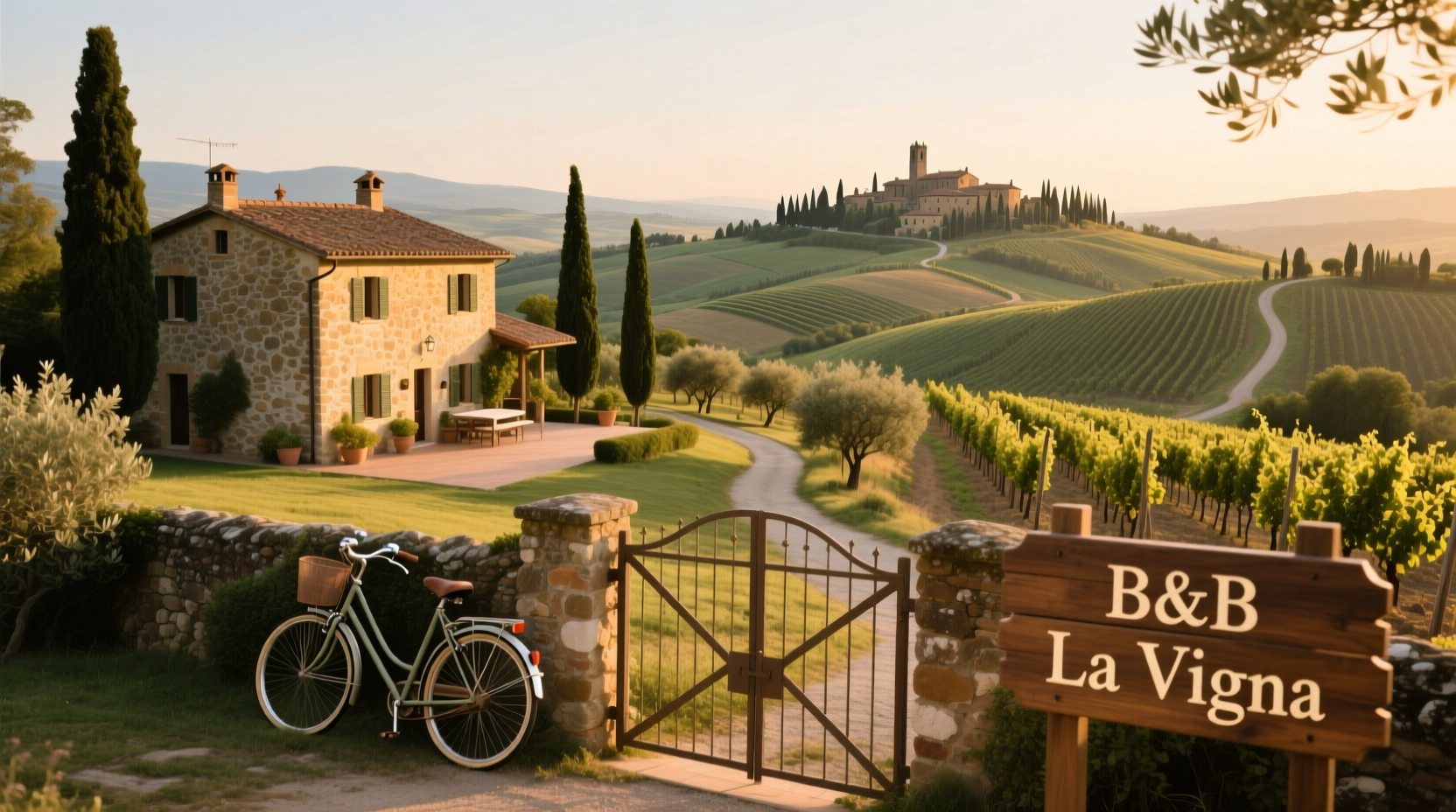
Several Tuscan destinations are well-suited for travelers without vehicles. These towns offer compact centers, pedestrian zones, frequent transit connections, and access to regional attractions via bus or rail.
- Florence: The region’s capital is the most connected city in Tuscany. Its central station, Santa Maria Novella, links to major towns like Pisa, Siena, Arezzo, and Lucca. Within the historic center, nearly everything is within walking distance.
- Siena: Though nestled in the hills, Siena has regular bus service to nearby wineries and towns like San Gimignano and Monteriggioni. The historic center is entirely pedestrianized, making exploration safe and pleasant.
- Lucca: A walled Renaissance city with flat streets perfect for biking. It's served by direct trains from Florence, Pisa, and Viareggio. Many visitors use Lucca as a base for exploring northern Tuscany.
- San Gimignano: Famous for its medieval towers, this small village is walkable and accessible via seasonal tourist buses and regional routes from Siena and Poggibonsi.
- Montepulciano: While more remote, it’s reachable by bus from Chiusi (a train hub on the Rome-Florence line), making it viable for car-free stays with advance planning.
How to Navigate Tuscany Without a Car
Public transportation in Tuscany varies significantly between urban and rural areas. Understanding the options—and their limitations—is crucial for seamless travel.
Train Travel: Your Long-Distance Backbone
Trenitalia operates regional and high-speed lines connecting Florence to Pisa, Lucca, Arezzo, and beyond. Regional trains (Regionale) stop at smaller towns and are ideal for day trips. For longer distances—such as Florence to Rome or Venice—the Frecciarossa or Intercity trains provide comfort and speed, but require advance booking for best fares.
Bus Services: Filling the Gaps
While trains cover major corridors, buses connect hill towns unreachable by rail. Key operators include:
- Autolinee Toscane: State-run service covering most regional routes, including Siena-San Gimignano and Florence-Montepulciano.
- Pitagora/CAST: Operates routes in southern Tuscany, such as Chiusi to Montepulciano.
- CAP Autolinee: Serves Lucca and surrounding villages.
Check timetables carefully—many routes run only a few times daily, especially off-season.
Walking and Cycling: The Local Way
In towns like Lucca and Florence, walking is not just practical—it’s enjoyable. Lucca even rents bikes at affordable rates, allowing visitors to circle the entire city along its tree-lined ramparts. In Siena, uphill walks are balanced by panoramic views and espresso breaks in hidden piazzas.
“Travelers who ditch the car often experience Tuscany more intimately. They notice details—doorway frescoes, family-run bakeries, vineyard workers pruning vines—that pass by too fast behind a windshield.” — Marco Bianchi, Sustainable Tourism Consultant, SlowTuscany Tours
Choosing the Best Base: Factors to Consider
Selecting where to stay requires balancing convenience, atmosphere, and cost. Use the following checklist to evaluate potential bases.
Checklist: Is This Town Right for Me?- Is there a train station or bus stop within 15 minutes’ walk?
- Are grocery stores, restaurants, and pharmacies within walking distance?
- Does the town offer guided tours to nearby attractions?
- Are there luggage-friendly sidewalks and elevators in accommodations?
- Is the area safe and well-lit at night?
Table: Comparison of Top Car-Free-Friendly Tuscan Towns
| Town | Train Access | Bus Links | Walkability | Best For |
|---|---|---|---|---|
| Florence | Excellent (High-speed & regional) | Good (to Fiesole, Chianti) | Excellent | Art lovers, first-time visitors |
| Lucca | Very Good (direct to Florence/Pisa) | Fair (local village routes) | Excellent (flat, bike-friendly) | Relaxed stays, cycling |
| Siena | Fair (bus to station; no direct train) | Very Good (to San Gimignano, Monteriggioni) | Excellent (pedestrian-only center) | Culture, wine country access |
| San Gimignano | No (nearest: Poggibonsi) | Seasonal (from Siena/Poggibonsi) | Excellent (compact) | Photographers, history buffs |
| Montepulciano | No (nearest: Chiusi) | Fair (hourly bus from Chiusi) | Good (steep streets) | Vineyard visits, slow travel |
A Realistic Example: One Week in Siena Without a Car
Consider Sarah, a solo traveler from Canada who wanted to experience authentic Tuscany without the stress of driving. She chose Siena as her base for six nights, booking a centrally located guesthouse near the Fortezza.
Her itinerary included:
- Day 1: Settled in, walked the city walls, dined in Piazza del Campo.
- Day 2: Took a morning bus to San Gimignano (1.5 hours), explored the towers, returned by early evening.
- Day 3: Joined a guided group tour to a Chianti winery departing from Siena’s tourist office.
- Day 4: Day trip to Monteriggioni via local bus, then walked the ancient walls.
- Day 5: Free day exploring Siena’s museums and cathedral.
- Day 6: Train from Siena to Florence (via Empoli), spent the day in the Uffizi, returned same evening.
Though the Florence trip required a transfer, clear signage and helpful staff made it manageable. Sarah found that pre-booking some excursions reduced uncertainty, while spontaneous walks led to her favorite gelato shop and a tiny Etruscan museum she hadn’t planned to visit.
Step-by-Step Guide to Planning a Car-Free Trip
Follow these steps to ensure a smooth, enjoyable experience.
- Choose your primary base from towns with strong transit access—Florence, Lucca, or Siena are top choices.
- Book lodging near the center or station to avoid hauling luggage over cobblestones.
- Research regional bus and train schedules using Trenitalia and Autolinee Toscane websites.
- Pre-book select day tours for destinations with limited public transport (e.g., Val d’Orcia).
- Pack light—navigating stairs, narrow alleys, and bus storage compartments is easier with one carry-on.
- Download offline maps and transit apps like Moovit or Google Maps for real-time updates.
- Carry a physical map as backup—rural areas may have poor signal.
Frequently Asked Questions
Can I visit the Chianti region without a car?
Yes, but with limitations. Buses connect Florence and Siena to Greve in Chianti, a central hub. From there, local wineries may be reachable on foot or via organized tours. Independent vineyard hopping is difficult without private transport, so joining a guided excursion is recommended.
Is public transportation in Tuscany reliable year-round?
Service is most frequent from April to October. In winter, many rural bus routes reduce frequency or suspend operations. Always verify current timetables before arrival, especially in January or February.
Are Tuscan towns wheelchair accessible without a car?
Many historic centers feature cobblestones, steps, and narrow doorways, posing challenges. Larger towns like Florence and Lucca are improving accessibility, but rural areas remain difficult. Research accommodations and transit options thoroughly if mobility is a concern.
Final Thoughts: Embrace the Rhythm of Tuscan Life
Staying in Tuscany without a car isn’t about compromise—it’s an invitation to travel differently. Slower movement allows deeper engagement with local culture, from chatting with vendors at a morning market to lingering over a three-course lunch in a family-run trattoria. By choosing the right base and planning thoughtfully, you gain freedom from parking fees, navigation stress, and the fatigue of mountain roads.
The best places to stay prioritize connection over isolation. Whether you’re enchanted by Florence’s Renaissance grandeur or drawn to Siena’s medieval soul, Tuscany rewards those who arrive on foot, by rail, or on a local bus. Let the journey unfold at a human pace—where every turn reveals not just scenery, but story.
🚀 Ready to plan your car-free Tuscan getaway? Start by picking one walkable town, checking next month’s bus schedule, and booking a cozy room in the heart of the action. Your slower, richer Italian adventure begins now.