Navigating the cryptocurrency market requires more than just chasing trends—it demands strategy, timing, and insight into both technology and macroeconomic forces. Coinbase remains one of the most trusted gateways for investors entering the digital asset space, offering a curated selection of high-potential cryptocurrencies. While volatility is inherent, identifying coins with strong fundamentals, active development, and real-world utility can significantly improve long-term outcomes. This guide dives into some of the most compelling options available on Coinbase today, backed by data, expert perspectives, and practical investment logic.
Key Factors in Selecting Coins on Coinbase
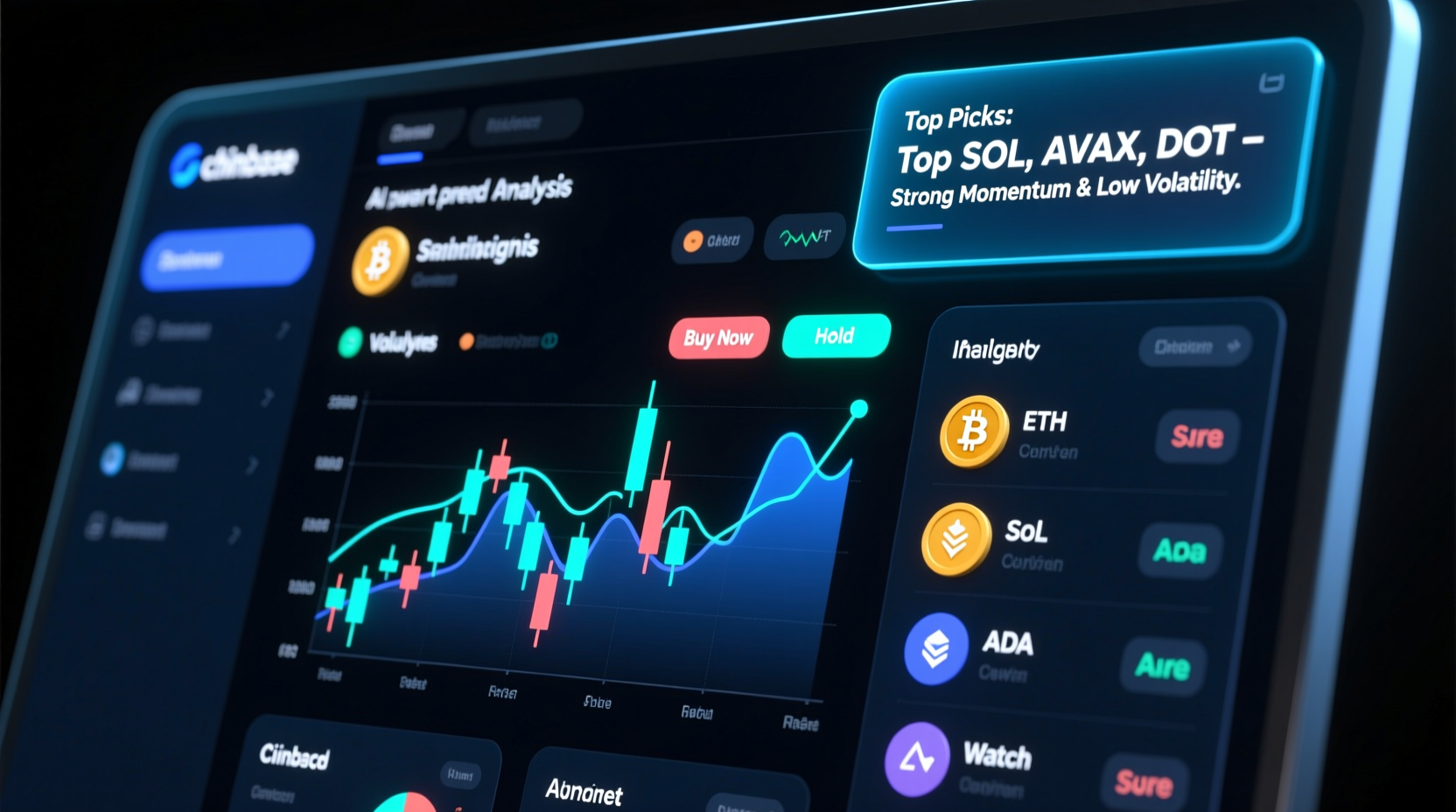
Before diving into specific assets, it’s essential to understand what makes a cryptocurrency worth considering. Not every coin listed on Coinbase is created equal. The platform vets projects for compliance, liquidity, and security, but that doesn’t guarantee performance. Investors should evaluate based on several criteria:
- Market Position: Is the project among the top 50 by market cap? Larger caps often imply stability and adoption.
- Use Case: Does the coin power a functional blockchain, decentralized application (dApp), or financial service?
- Development Activity: Are GitHub commits frequent? Is the team transparent and technically capable?
- Ecosystem Growth: Are new partnerships, integrations, or user bases expanding?
- Regulatory Standing: Has the project avoided major legal challenges, especially in the U.S.?
Top Coins to Consider on Coinbase Right Now
The following selections are based on current market conditions, technological progress, and investor sentiment as of mid-2024. These are not guarantees of future returns but represent well-positioned assets within Coinbase’s offerings.
1. Bitcoin (BTC)
Still the gold standard of crypto, Bitcoin continues to serve as a foundational holding. With the approval of spot Bitcoin ETFs in the U.S., institutional interest has surged. Its scarcity model (21 million cap) and growing acceptance as a reserve asset make it a low-correlation hedge against inflation.
2. Ethereum (ETH)
Ethereum remains the backbone of decentralized finance (DeFi), NFTs, and smart contracts. The transition to proof-of-stake has reduced energy consumption by over 99%, improving its ESG profile. Upcoming protocol upgrades like Proto-Danksharding aim to enhance scalability, potentially boosting demand for ETH as gas and staking collateral.
3. Solana (SOL)
Solana has re-established momentum after overcoming past network outages. With sub-second transaction speeds and ultra-low fees, it's become a favorite for developers building consumer-facing dApps. High-profile integrations with Visa and Shopify signal increasing enterprise validation.
4. Chainlink (LINK)
As the leading decentralized oracle network, Chainlink bridges blockchains with real-world data. Its role in powering cross-chain interoperability and AI-driven smart contracts gives it unique positioning. Major financial institutions use Chainlink for price feeds, reinforcing its critical infrastructure status.
5. Polygon (MATIC)
Polygon offers scalable solutions for Ethereum, functioning as a layer-2 ecosystem. With Polygon zkEVM gaining traction and Microsoft adopting its tech for identity solutions, the project combines innovation with corporate partnerships. MATIC also plays a role in governance and staking rewards.
“Ethereum and Bitcoin are core holdings, but Layer 1 and oracle networks like Solana and Chainlink offer asymmetric upside in a maturing ecosystem.” — Lara Chen, Senior Analyst at Blockchain Insights Group
Comparison Table: Key Metrics at a Glance
| Coin | Price (Approx.) | Market Cap | Primary Use Case | Staking Available? |
|---|---|---|---|---|
| Bitcoin (BTC) | $63,000 | $1.25T | Digital store of value | Yes (via custodial services) |
| Ethereum (ETH) | $3,400 | $410B | Smart contracts & DeFi | Yes (native staking) |
| Solana (SOL) | $145 | $78B | High-speed dApps | Yes |
| Chainlink (LINK) | $15.50 | $8.7B | Decentralized oracles | No (but node operators earn fees) |
| Polygon (MATIC) | $0.72 | $7.3B | Ethereum scaling | Yes |
Strategic Investment Approach: A Step-by-Step Guide
Entering the crypto market without a plan increases exposure to emotional decision-making. Follow this structured approach to build a resilient portfolio on Coinbase:
- Define Your Risk Tolerance: Allocate only what you can afford to lose. A common rule is limiting crypto exposure to 5–10% of total investable assets.
- Diversify Across Layers: Combine a store-of-value coin (BTC), a smart contract leader (ETH), a high-performance chain (SOL), and an infrastructure play (LINK).
- Use Dollar-Cost Averaging (DCA): Invest fixed amounts weekly or monthly to reduce timing risk.
- Enable Staking Where Possible: Earn passive income on ETH, SOL, and MATIC directly through Coinbase’s staking interface.
- Monitor Project Updates: Subscribe to official blogs or newsletters from each project to stay informed about upgrades and risks.
- Review Quarterly: Rebalance if any single asset exceeds 30% of your crypto allocation due to price surges.
Real Example: Building a Balanced $5,000 Portfolio
Jamal, a 34-year-old software engineer, decided to allocate $5,000 to crypto via Coinbase. Instead of betting everything on one coin, he followed a diversified strategy:
- $2,000 in Bitcoin (40%) – Core holding for long-term preservation
- $1,500 in Ethereum (30%) – Bet on DeFi and ecosystem growth
- $1,000 in Solana (20%) – High-growth potential with lower entry cost
- $500 in Chainlink (10%) – Strategic bet on data infrastructure
He set up automatic weekly buys over two months to average his entry points. After six months, despite market swings, his portfolio grew 22%, outperforming a single-asset strategy in BTC alone. His disciplined rebalancing prevented overexposure when SOL spiked 40% in one month.
Tip: Set price alerts on Coinbase for your holdings—this helps avoid panic selling during dips or FOMO buying during spikes.Common Pitfalls to Avoid
Even experienced investors fall into traps. Here are frequent mistakes to sidestep:
- Chasing Meme Coins: While Dogecoin or Shiba Inu may trend, they lack sustainable utility and are highly speculative.
- Ignoring Fees: Frequent trading on Coinbase Pro vs. the main app can impact net returns—use limit orders to reduce costs.
- Overlooking Tax Implications: Every trade is a taxable event in many jurisdictions. Track transactions using tools like Koinly or CoinTracker.
- Holding Everything on Exchanges: For larger holdings, consider moving assets to a self-custody wallet for better security.
Frequently Asked Questions
Is it safe to buy crypto on Coinbase?
Yes, Coinbase is a regulated U.S.-based exchange with robust security measures including cold storage, insurance, and two-factor authentication. However, no platform is immune to hacking, so enable all security features and consider withdrawing large balances to hardware wallets.
Which coin has the highest growth potential in 2024?
Solana and Chainlink stand out due to accelerating adoption in payments and enterprise systems. That said, Ethereum maintains strong momentum with upcoming upgrades and institutional staking products. Growth potential must be balanced with risk tolerance.
Can I earn yield on my Coinbase holdings?
Yes. Coinbase offers staking for ETH, SOL, MATIC, and ALGO, with annual yields ranging from 3% to 6%. Interest-bearing accounts for stablecoins like USDC also provide ~5% APY, though these are subject to change.
Final Thoughts and Action Plan
Selecting the best coins on Coinbase isn't about finding the next moonshot—it's about constructing a portfolio rooted in technology, adoption, and resilience. Bitcoin and Ethereum remain foundational, while emerging players like Solana and Chainlink offer targeted exposure to innovation. Success lies not in timing the market perfectly but in consistent execution, diversification, and staying informed.
🚀 Ready to build your crypto portfolio? Start today with a small, diversified investment on Coinbase, enable staking, and commit to learning one new thing about blockchain tech each week. The future of finance is unfolding—be part of it with clarity and confidence.