
Starting an internet business has never been more accessible. With minimal upfront costs and global reach, digital entrepreneurship offers unparalleled opportunity. But while launching a website or opening an online store is easy, building a profitable, long-term venture requires deliberate planning, consistent execution, and strategic thinking. Many fail not because their ideas are flawed, but because they skip foundational steps or mismanage growth. Sustainable success comes from combining vision with discipline—knowing what to do, when to do it, and how to adapt as the market evolves.
Choose the Right Business Model Based on Your Strengths
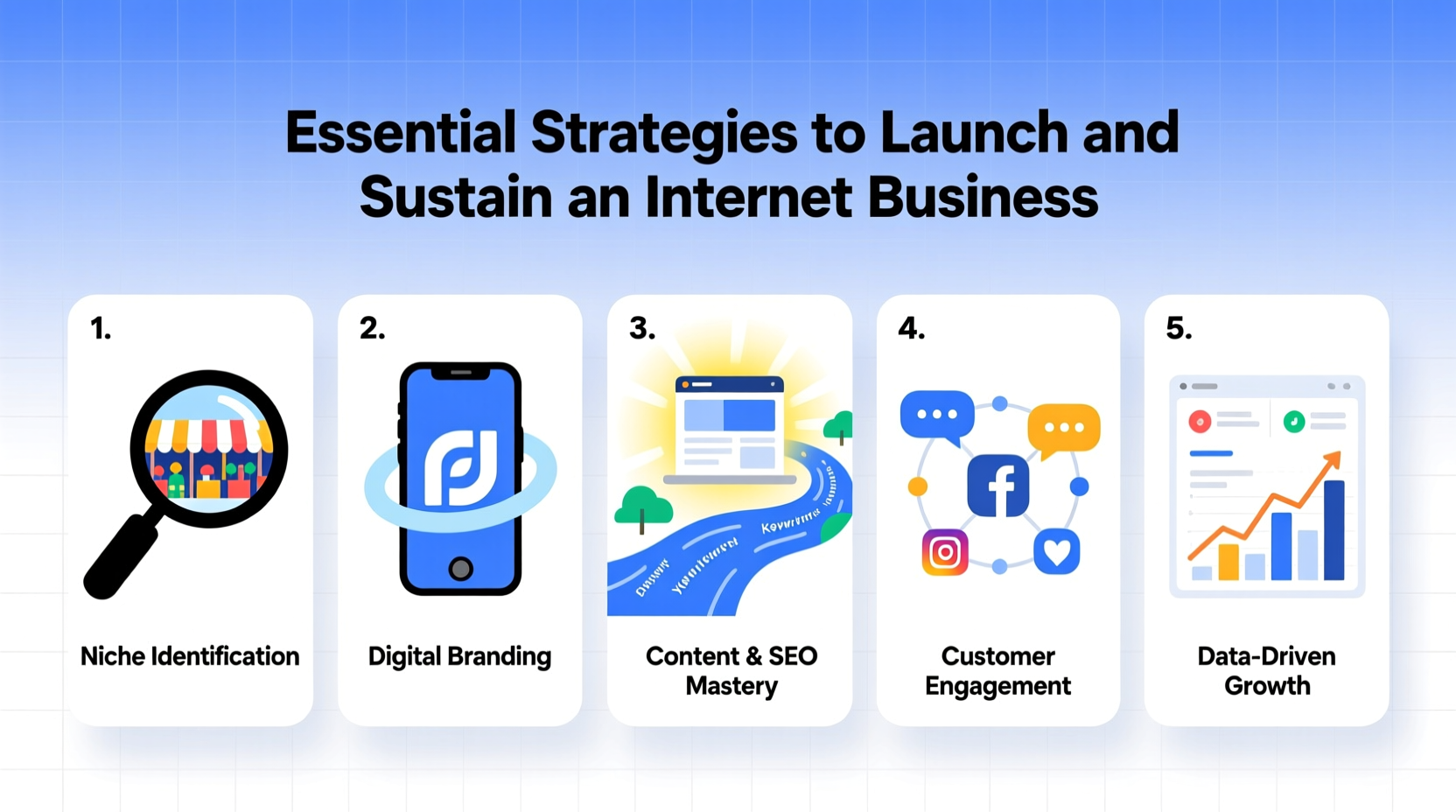
The first critical decision is selecting a viable online business model that aligns with your skills, resources, and goals. Not all models suit every entrepreneur. Some require inventory and logistics; others rely on content creation or technical expertise. The most common sustainable models include:
- E-commerce: Selling physical or digital products through platforms like Shopify or Amazon.
- Service-Based: Offering freelance or agency services such as web design, copywriting, or consulting.
- Digital Products: Creating and selling courses, templates, eBooks, or software tools.
- Content Monetization: Earning through ads, sponsorships, or memberships via blogs, YouTube, or newsletters.
- Subscription Models: Delivering recurring value for a monthly fee, such as SaaS or curated content clubs.
Choosing the right path reduces initial learning curves and increases early momentum. Test small before scaling—launch a minimum viable product (MVP) to validate demand without over-investing time or capital.
Build a Customer-Centric Foundation
Sustainable businesses solve real problems for specific audiences. Too many entrepreneurs begin with a product idea and then search for customers. The reverse approach—understanding customer pain points first—is far more effective.
Conduct market research by engaging directly with potential users. Use surveys, social media polls, or interviews to uncover frustrations, desires, and unmet needs. Tools like Google Trends, Reddit communities, and industry forums can reveal gaps in existing offerings.
“Startups survive not because they have the best technology, but because they understand their customers better than anyone else.” — Paul Graham, Y Combinator Co-Founder
Once you’ve identified a target audience, define your unique value proposition (UVP): What makes your solution different? Is it faster, cheaper, simpler, or more personalized? Clarity here shapes everything—from branding to sales messaging.
Step-by-Step Guide to Validating Demand
- Identify a niche with active online discussion (e.g., remote work tools, sustainable fashion).
- Engage in relevant communities (Facebook groups, subreddits, LinkedIn).
- Create a simple landing page describing your proposed solution.
- Drive targeted traffic using low-cost ads or organic outreach.
- Measure sign-ups, inquiries, or pre-orders as proof of interest.
If people express willingness to pay or engage seriously, you have validation. If not, refine your idea or pivot early—before investing heavily.
Master Digital Marketing with Focused Channels
Even the best product fails without visibility. Internet businesses must master marketing—but trying to be everywhere at once leads to burnout and poor results. Instead, focus on one or two high-potential channels where your audience spends time.
| Marketing Channel | Best For | Time to Results | Cost Level |
|---|---|---|---|
| Search Engine Optimization (SEO) | Blogs, informational products, service providers | 6–12 months | Low (but time-intensive) |
| Paid Ads (Google, Meta) | E-commerce, lead generation | Immediate | High (requires budget) |
| Email Marketing | Retention, digital products, subscriptions | 1–3 months | Low |
| Organic Social Media | Brand-building, visual products | 3–6 months | Low |
For example, if you're launching an online course about personal finance, SEO and email marketing may yield better long-term returns than Instagram ads. Conversely, a fashion brand benefits more from visually driven platforms like TikTok or Pinterest.
Tip: Build an email list from day one. Even with 10 subscribers, you own that audience—unlike social media followers, who depend on algorithm changes.Real Example: From Side Hustle to Six Figures
Jamie, a former teacher, noticed parents struggling to find screen-free educational activities. She began creating printable learning games and shared them in Facebook parenting groups. Initially, she offered free downloads in exchange for email sign-ups.
Within three months, her list grew to 5,000 subscribers. She launched a $19 digital workbook bundle and promoted it via email. The first campaign generated $3,200 in sales. Over the next year, she expanded her product line, added seasonal themes, and automated delivery using a simple e-commerce platform.
By focusing on one niche, delivering real value, and nurturing relationships through email, Jamie now earns over $120,000 annually—with minimal overhead and no employees.
Her story illustrates a powerful truth: sustainable online success often starts small, grows steadily, and prioritizes trust over virality.
Avoid Common Pitfalls That Kill Momentum
Many internet businesses collapse within the first year—not due to lack of effort, but because of avoidable mistakes. Awareness alone can prevent failure.
- Skipping financial planning: Underestimating costs or failing to track cash flow leads to premature shutdowns.
- Chasing trends instead of solving problems: Jumping into “hot” niches without genuine understanding results in weak positioning.
- Overcomplicating the tech stack: Using ten tools when two would suffice slows progress and increases frustration.
- Neglecting customer feedback: Ignoring user complaints or suggestions means missed opportunities for improvement.
“The biggest risk is not taking any risk. In a world that’s changing quickly, the only strategy that is guaranteed to fail is not taking risks.” — Mark Zuckerberg, Facebook Founder
Risk is inevitable, but reckless decisions aren’t. Document key metrics weekly—revenue, conversion rates, customer acquisition cost—and adjust based on data, not emotion.
Essential Startup Checklist
- ✅ Define your target audience and core problem you solve
- ✅ Validate demand with a landing page or pre-sale
- ✅ Choose a scalable business model aligned with your strengths
- ✅ Set up basic legal structure (LLC, sole proprietorship)
- ✅ Build a professional website with clear messaging
- ✅ Launch a minimum viable product (MVP)
- ✅ Collect emails from the first visitor onward
- ✅ Focus on one marketing channel for 90 days
- ✅ Track revenue, expenses, and customer feedback monthly
- ✅ Reinvest profits into growth, not lifestyle upgrades
Frequently Asked Questions
How much money do I need to start an internet business?
You can launch for under $500 if you keep costs lean. Domain registration ($15), website hosting ($30/year), and basic tools (free tiers available) make entry affordable. Avoid overspending on branding or complex software early on.
Can I start an online business while working full-time?
Yes—most successful founders begin as side hustlers. Dedicate 10–15 focused hours per week to build momentum. Once your business generates consistent income (e.g., 30% of your salary), consider transitioning full-time.
How long does it take to become profitable?
It varies, but most realistic timelines range from 6 to 18 months. Businesses based on digital products or services tend to scale faster than e-commerce, which involves inventory and shipping logistics.
Conclusion: Build With Purpose, Scale With Patience
Starting an internet business isn’t about getting rich quick—it’s about creating value that lasts. The most enduring ventures grow from deep customer understanding, consistent execution, and iterative improvement. There will be setbacks: campaigns that flop, products that miss the mark, and moments of doubt. But each challenge refines your strategy and strengthens resilience.
🚀 Your journey begins today. Pick one idea, test it with real people, and take your first public step—whether it’s launching a landing page, posting content, or sending your first offer. Success isn’t reserved for experts. It belongs to those who start, learn, and keep going.