
In the digital age, online dating has become a mainstream way to meet potential partners. With millions of users on platforms ranging from niche communities to global apps, the opportunities for meaningful connections are vast. However, the convenience of swiping right comes with risks—ranging from emotional manipulation to identity theft and physical danger. Navigating this landscape requires awareness, caution, and intentionality. This guide outlines practical strategies to help you stay safe while increasing your chances of forming authentic relationships.
Understand the Risks of Online Dating
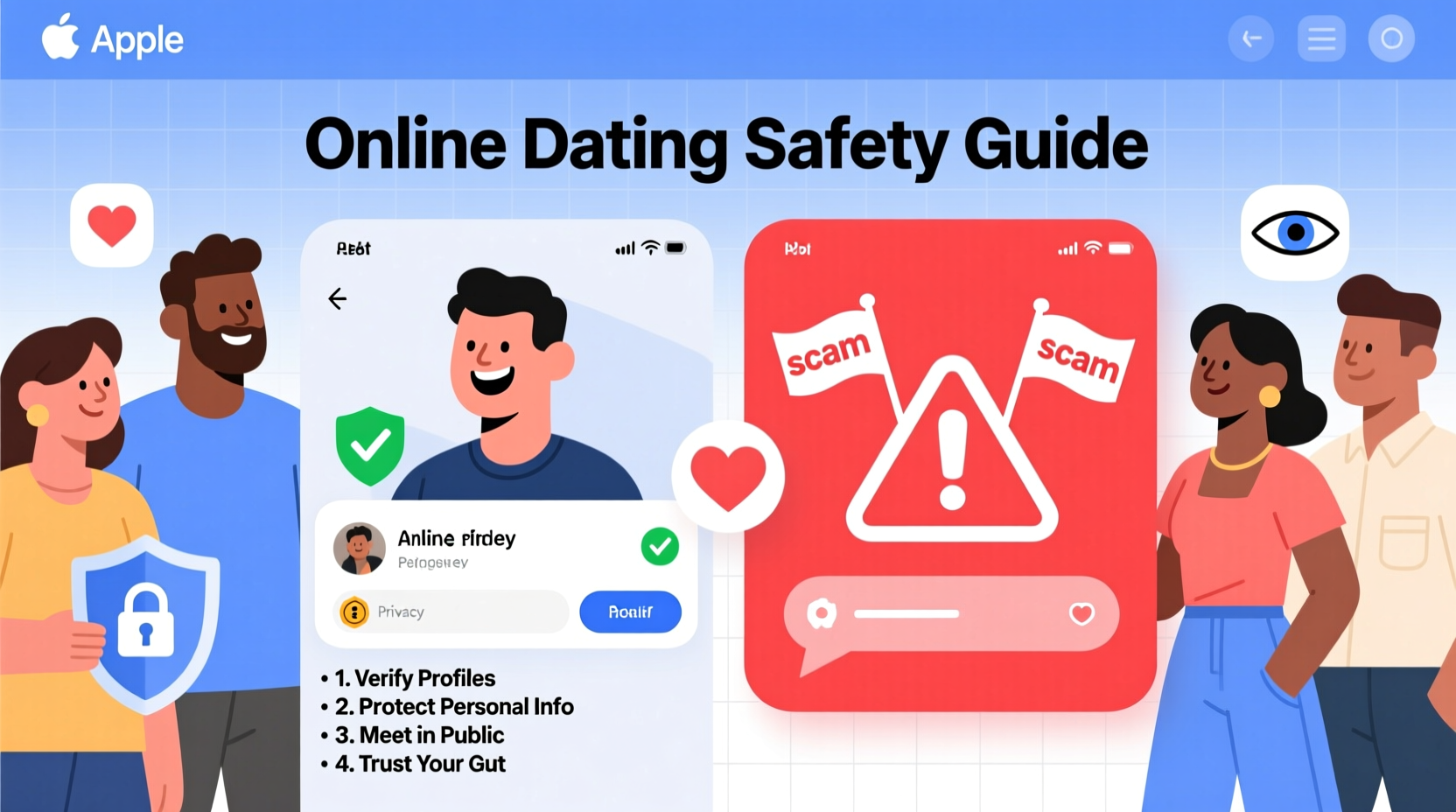
Before diving into conversations or meeting someone in person, it’s crucial to recognize the potential dangers. Scammers, catfishers, and individuals with malicious intent often exploit the anonymity of dating platforms. Common threats include:
- Fake profiles: Bots or scammers using stolen photos and fabricated bios.
- Catfishing: People pretending to be someone they’re not, often emotionally manipulating others.
- Financial scams: Requests for money under false pretenses, such as emergencies or travel costs.
- Privacy breaches: Sharing too much personal information that could be used for phishing or stalking.
- Safety risks: Meeting someone who may not have honest intentions.
Awareness is the first step toward protection. Being informed doesn’t mean approaching dating with fear—it means doing so with confidence and control.
Tip: If someone avoids video calls, refuses to meet in public, or asks for money early on, trust your instincts and disengage.Best Practices for Profile Safety
Your profile is your introduction—but it shouldn’t reveal too much. Balance authenticity with discretion to protect your privacy and safety.
Do’s and Don’ts for Secure Profile Creation
| Do | Don’t |
|---|---|
| Use recent, clear photos that don’t show your face in every shot | Post images with identifiable backgrounds (e.g., your home, workplace, car license plate) |
| Mention general interests like hiking or cooking | Include your full name, address, workplace, or daily routines |
| Verify your profile if the app offers photo verification | Link to your social media accounts publicly |
| Write a bio that reflects your personality without oversharing | State you’re traveling alone or away from home |
Consider using a nickname instead of your full name. Many platforms allow you to display only your first name or a chosen alias. This small change can significantly reduce the risk of doxxing or unwanted contact outside the app.
“Your safety starts before the first message. A well-crafted, cautious profile sets the tone for healthier interactions.” — Dr. Lena Torres, Cyberpsychology Researcher
How to Vet Matches Before Meeting
Building trust takes time—especially online. Rushing into meetings or deep emotional sharing can leave you vulnerable. Instead, follow a structured approach to vetting potential matches.
Step-by-Step Guide to Evaluating Compatibility and Safety
- Start with in-app messaging: Keep communication within the platform initially. Avoid moving to text or third-party apps too quickly.
- Reverse image search profile photos: Use Google Images or dedicated tools to check if photos appear elsewhere online—this helps spot stolen images.
- Ask open-ended questions: Gauge consistency in their responses. For example: “What did you do this weekend?” or “Tell me about your family.”
- Suggest a video call: A live conversation reveals more than texts. Watch for evasiveness or excuses to avoid face-to-face interaction.
- Check social presence (cautiously): If they mention a job or hobby, a quick LinkedIn or Instagram search (without stalking) can add credibility.
- Discuss boundaries early: Talk about what you’re looking for��casual, serious, etc.—and observe how they respond to honesty.
This process isn’t about interrogation; it’s about gathering information to make informed decisions.
Mini Case Study: Recognizing a Red Flag Early
Sophia, 32, matched with someone who seemed perfect—similar interests, thoughtful messages, and shared values. After two days, he said his mother was ill and asked for $500 to visit her. He promised to repay her immediately. Sophia paused. She searched his profile picture and found it linked to a known scam network. She reported the account and avoided financial loss. Her diligence saved her from a common romance scam.
Tip: Never send money to someone you haven’t met in person, regardless of the story.Staying Safe When Meeting in Person
The transition from online to offline is a critical moment. Even if someone seems trustworthy, take precautions every single time.
Meeting Safety Checklist
- Choose a busy public place (e.g., café, bookstore, museum).
- Arrange your own transportation—don’t accept rides from the other person.
- Inform a trusted friend or family member about the date: who, where, when.
- Share your live location via smartphone during the meetup.
- Keep your phone charged and accessible.
- Limit alcohol consumption—stay alert and in control.
- Have an exit plan (e.g., a fake call or prior engagement).
- Trust your gut—if something feels off, leave.
First dates should be low-pressure and focused on conversation, not intimacy or long outings. A coffee date or short walk allows you to assess chemistry and comfort without overcommitting.
Real Example: Using a Safety App
Mark, 29, uses a safety app that sends automated check-in alerts. Before each date, he inputs the person’s name and location. If he doesn’t confirm he’s safe within two hours, the app notifies his emergency contact with details of the meetup. This simple tool gives him peace of mind—and his sister appreciates being looped in.
“Physical safety isn’t paranoia—it’s preparation. One precaution can prevent a lifetime of regret.” — Detective Rosa Mendez, Cybercrime Unit
FAQ: Common Concerns About Online Dating Safety
Is it safe to use free dating apps?
Many free apps are safe, but they may have fewer moderation resources than paid platforms. Always research the app’s reputation, read reviews, and look for built-in safety features like photo verification, reporting tools, and anti-scam filters.
What should I do if someone threatens or harasses me?
Immediately block and report the user through the app. Save screenshots of messages as evidence. If threats involve violence or personal information, contact local law enforcement. Most jurisdictions now recognize online harassment as a criminal offense.
Can I stay anonymous while still being genuine?
Yes. You can share your passions, humor, and values without revealing identifying details. For example, say you work in healthcare instead of naming your hospital. Say you love live music instead of listing your favorite local venue. Authenticity doesn’t require full disclosure.
Conclusion: Build Connections with Confidence
Online dating doesn’t have to be risky to be rewarding. By applying smart habits—from secure profile setup to cautious vetting and safe in-person meetings—you protect yourself while remaining open to real connection. The goal isn’t to distrust everyone, but to engage thoughtfully and empower yourself with knowledge.
Every swipe, message, and meetup is an opportunity—not just for romance, but for personal growth and discernment. Stay alert, stay kind, and remember: the right person will respect your boundaries and appreciate your care.
🚀 Ready to date with confidence? Review your current profile, update your privacy settings, and share this guide with a friend starting their online journey. Your safety is worth the effort.