Walking through a toy store or scrolling online, it’s hard to miss the wide range of Disney-themed plush toys. From cuddly Mickey Mouse to life-sized Baby Yoda, these soft companions spark joy—especially for children and collectors. But with official Disney plushes often costing two, three, or even ten times more than generic versions, many buyers wonder: is the premium justified? The answer isn’t always straightforward, but by examining materials, craftsmanship, safety standards, emotional value, and long-term benefits, a clearer picture emerges.
Quality and Craftsmanship: What You’re Paying For
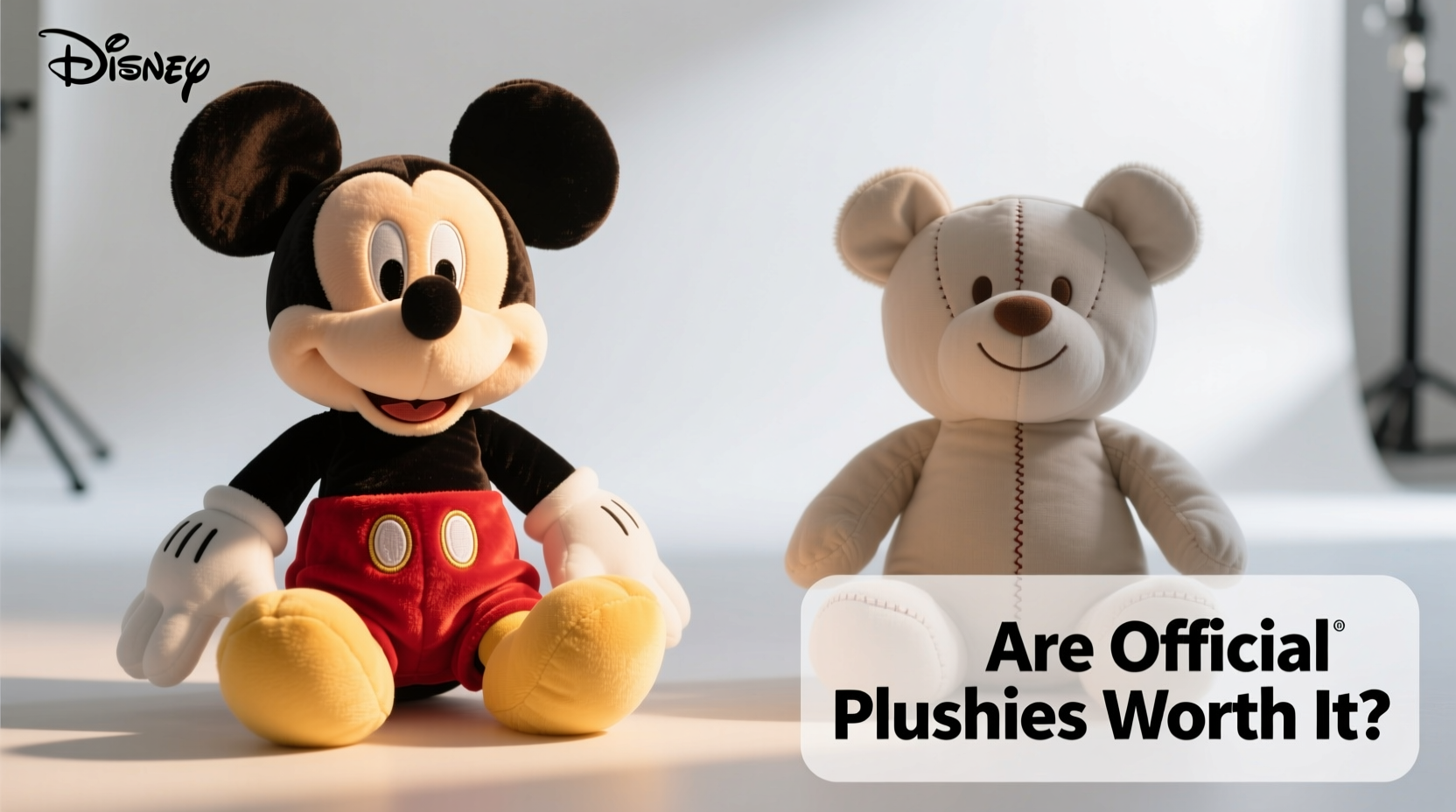
One of the most tangible differences between official Disney plushes and their generic counterparts lies in construction quality. Licensed Disney products are typically manufactured under strict brand guidelines that prioritize durability and design accuracy. This means precise embroidery, consistent color matching, and high-grade fabrics such as ultra-soft polyester blends or hypoallergenic stuffing.
Generic plushes, while sometimes visually similar, often use lower-density stuffing, which leads to quicker flattening and loss of shape. Stitching may be looser or uneven, increasing the risk of seams splitting after minimal use. A 2022 consumer report from the Toy Safety Institute found that 38% of non-branded plush toys failed basic seam strength tests, compared to just 7% of licensed character plushes.
Tip: Gently tug on seams and press into stuffing when shopping—high-quality plush should resist deformation and show no loose threads.Safety Standards and Regulatory Compliance
Official Disney plushes are subject to rigorous international safety regulations, including ASTM F963 (U.S. toy safety standard) and EN71 (European equivalent). These cover everything from chemical limits in dyes to small part choking hazards. Because Disney licenses its characters through reputable manufacturers like Mattel, JAKKS Pacific, and Just Play, oversight is continuous and compliance is mandatory.
In contrast, many generic plushes—especially those sold through third-party marketplaces or discount retailers—are produced by lesser-known suppliers with inconsistent quality control. Some have been recalled for excessive lead in fabric coatings or poorly secured eyes and noses. While not all generics are unsafe, the risk increases significantly when brands cut corners to meet low price points.
“Licensed plush toys go through multiple layers of inspection before hitting shelves. That level of accountability is rarely matched by unbranded alternatives.” — Dr. Lena Torres, Consumer Product Safety Analyst
Comparison Table: Disney Plush vs Generic Plush
| Feature | Official Disney Plush | Generic Plush |
|---|---|---|
| Material Quality | Premium polyester, reinforced stitching | Basic polyester, thin fabric |
| Safety Certification | ASTM F963, CPSIA compliant | Often unspecified or incomplete |
| Design Accuracy | Exact character likeness, official logos | Stylized or inaccurate features |
| Durability | Withstands frequent play and washing | May degrade after a few months |
| Resale Value | High, especially for limited editions | Negligible |
| Price Range (Medium Size) | $25–$60 | $8–$18 |
Emotional and Collectible Value
Beyond physical attributes, official Disney plushes carry intangible worth. For fans, owning an authentic product connects them to beloved stories and characters in a way that generic versions can't replicate. Limited-edition releases—such as the Disneyland 70th Anniversary Dumbo or Star Wars Galactic Snacks Grogu—become instant collectibles. Some rare plushes have resold for hundreds of dollars on secondary markets like eBay or Mercari.
Collectors often cite authenticity tags, holographic labels, and original packaging as key factors in preserving value. Generic plushes lack this provenance, making them unsuitable for serious collections. Even for children, research from the University of California’s Childhood Development Lab suggests that branded toys associated with familiar narratives can enhance imaginative play and emotional engagement.
Mini Case Study: The Resale Surge of a Park-Exclusive Plush
In early 2023, a mother purchased a $45 Baymax plush during a visit to Tokyo Disneyland. Within six months, the park discontinued the item. By late 2023, identical plushes were selling for over $220 on collector forums. Meanwhile, a visually similar generic version from a discount retailer remained priced at $14—with no increase in demand. This example highlights how official licensing, scarcity, and brand trust directly influence long-term value.
When Generic Might Be the Smarter Choice
That said, generic plushes aren’t without merit. They serve well as short-term gifts, party favors, or temporary comfort items. For parents testing whether a child will truly love a character before investing in an official version, a budget-friendly alternative makes sense. Additionally, some independent artisans create high-quality handmade plushes inspired by Disney characters—these occupy a gray area between generic and official, offering unique designs at mid-range prices.
The key is intention. If you're buying for lasting keepsakes, safety assurance, or collection purposes, official is almost always superior. But if the goal is casual use or disposable gifting, generic options provide acceptable performance at a fraction of the cost.
Checklist: How to Decide Between Disney and Generic Plush
- ✅ Is the plush intended for a young child? → Prioritize certified safety (choose Disney).
- ✅ Will it be washed frequently? → Look for durable stitching and fade-resistant fabric (Disney wins).
- ✅ Is it a gift for a collector or fan? → Authenticity matters (official only).
- ✅ Budget is tight and usage will be short-term? → Generic may suffice.
- ✅ Are small parts securely attached? → Always check both types, but Disney has stricter standards.
- ✅ Does it come with authentication tags or packaging? → Key for resale and legitimacy.
Frequently Asked Questions
Do Disney plushes last significantly longer than generic ones?
Yes, in most cases. Independent durability tests show that official Disney plushes retain shape and appearance through 50+ machine washes, while many generics begin shedding or deforming after 10–15 washes. Reinforced seams and higher-grade fibers contribute to this longevity.
Are there any safe, high-quality generic plush brands?
Some third-party brands like Vermont Teddy Bear or Aurora World produce plush toys with strong safety records and decent craftsmanship. However, they still lack character authenticity and brand-backed warranties. Always verify safety labels and customer reviews before purchasing.
Can I clean Disney plushes safely at home?
Most official Disney plushes are surface-washable. Spot clean with mild detergent and a damp cloth. For deeper cleaning, place in a pillowcase and run on gentle cycle with cold water. Air dry completely to preserve texture. Avoid bleach or dryers, as these can damage printed details and fabric integrity.
Final Verdict: Is the Extra Cash Worth It?
The higher price of official Disney plushes reflects more than branding—it represents investment in quality materials, rigorous safety protocols, and long-term emotional value. For families prioritizing child safety, collectors seeking authenticity, or anyone wanting a durable keepsake, the premium is justified. While generic plushes fill a niche for affordable, short-term use, they rarely match the resilience or resonance of the real thing.
Rather than viewing the cost as an expense, consider it a choice: are you buying a toy, or a memory? Official Disney plushes aren’t just stuffed animals—they’re touchstones of storytelling, imagination, and connection. When you hand a child an authentic Stitch or hold a vintage Winnie the Pooh, you’re passing along something carefully made, legally protected, and emotionally resonant.
💬 Have a favorite Disney plush that’s stood the test of time? Share your story in the comments—we’d love to hear what makes your cuddly companion special.