
Travelers face a universal challenge at baggage claim: spotting their suitcase in a sea of nearly identical black rollers. Standard luggage tags offer basic identification, but custom tags promise more—personal style, enhanced security, and easier recognition. But is the upgrade truly worthwhile? For frequent flyers, occasional vacationers, or gift-givers, understanding the tangible differences between standard and custom options can influence both convenience and peace of mind.
Understanding Luggage Tags: Purpose and Evolution
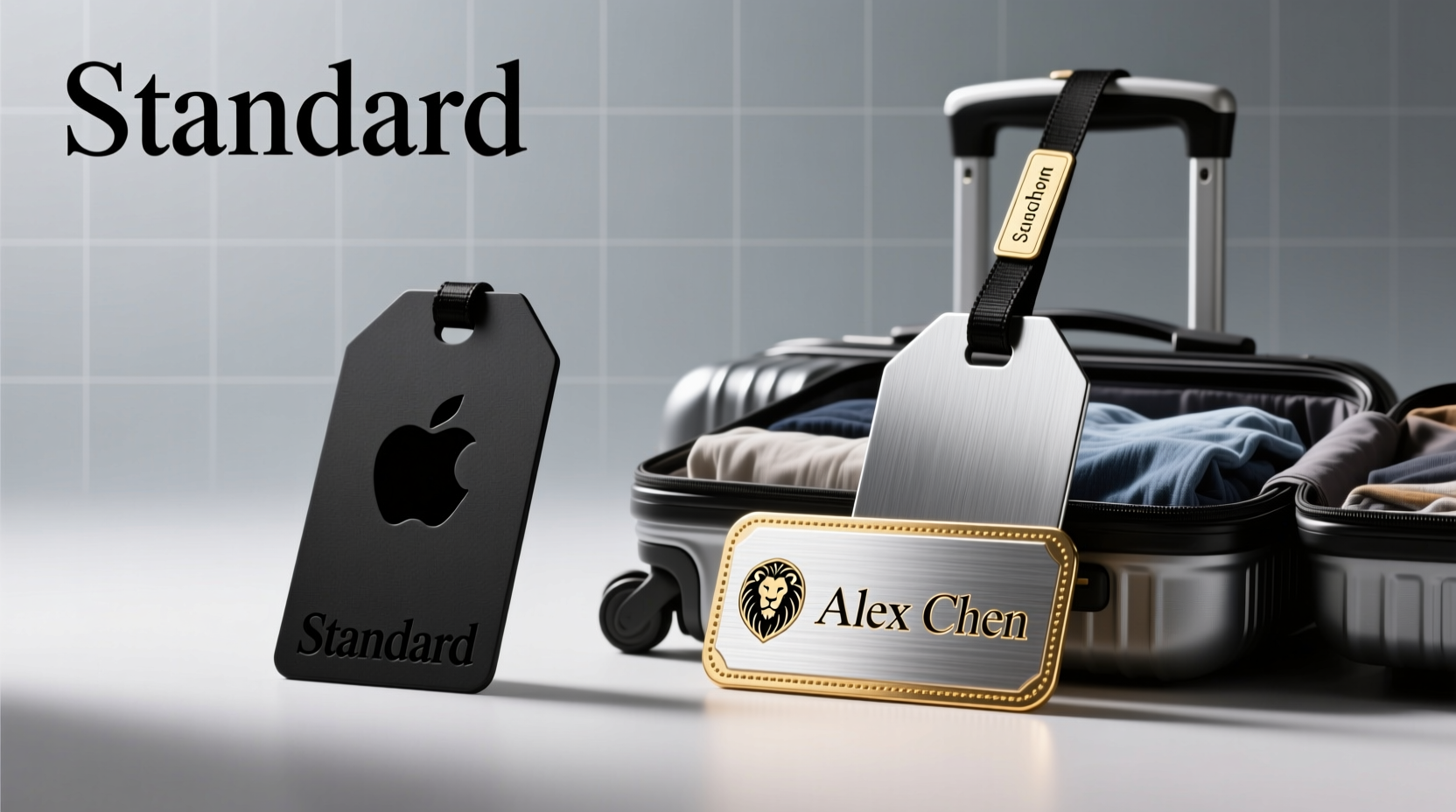
Luggage tags serve two primary functions: identification and contact tracing. In the early days of air travel, paper tags with handwritten details were common. Today’s versions range from simple plastic sleeves to high-tech RFID-enabled devices. Despite technological advances, the core need remains unchanged—helping airlines and owners reconnect lost bags efficiently.
Standard tags typically come pre-packaged with luggage or are available at airport kiosks. They feature minimal design, often with space for a name, phone number, and email. Custom tags, on the other hand, allow personalization through color, material (leather, silicone, metal), engraving, and even QR codes linking to digital profiles.
The evolution reflects broader shifts in consumer expectations. Travelers now seek not just utility but expression. A tag isn’t merely functional—it’s an extension of identity. Yet functionality must still outweigh fashion, especially when dealing with lost baggage or international customs.
Custom vs Standard: A Practical Comparison
| Feature | Standard Luggage Tags | Custom Luggage Tags |
|---|---|---|
| Cost | $1–$5 per unit | $8–$30+ depending on material and design |
| Personalization | Basic text only | Names, monograms, logos, colors, photos, QR codes |
| Durability | Moderate; prone to fading or tearing | High; leather and metal resist wear better |
| Security | Exposed contact info (privacy risk) | Optional privacy via digital links instead of visible numbers |
| Visibility | Low; often blends in with others | High; unique designs stand out easily |
| Lifespan | 1–3 trips before degradation | Years with proper care |
While standard tags win on affordability and availability, custom options excel in durability, visibility, and long-term value. The decision hinges on how much weight you place on aesthetics, security, and frequency of use.
Tip: Use a custom tag with a QR code that links to a secure contact form instead of displaying your phone number publicly.When Personalization Adds Real Value
Not every traveler needs a custom tag, but certain scenarios make them a smart investment:
- Frequent travelers who check bags regularly benefit from durable, easily identifiable tags that survive repeated handling.
- Families traveling with multiple suitcases can assign color-coded or character-themed tags to each member, reducing confusion at drop-off and pickup.
- Business professionals may opt for sleek leather tags with initials to project polish and protect sensitive information discreetly.
- Gift-givers find custom tags meaningful and practical—engraved with names or travel mottos, they double as keepsakes.
“Personalized tags reduce misidentification by up to 70% in crowded terminals,” says Mark Reynolds, Senior Operations Manager at JetStream Logistics. “A bright red tag with a sunburst design stands out faster than another plain white rectangle.”
Moreover, some custom tags integrate with digital platforms. For example, services like eTag or BagID let users register their bag online. If found, handlers scan a code or visit a URL to notify the owner without exposing private data—a significant upgrade over traditional tags where thieves could harvest phone numbers.
Mini Case Study: Sarah’s Lost Suitcase in Tokyo
Sarah, a marketing consultant from Chicago, lost her suitcase during a layover in Narita Airport. Her standard paper tag had smeared during transit, leaving no legible contact info. It took three days for airline staff to locate her via booking records. Frustrated, she invested in a custom silicone tag with a scannable QR code linked to her secure travel profile. On her next trip to Berlin, her bag was rerouted again—but this time, a ground agent scanned the tag and called her within 45 minutes. The difference in recovery time was dramatic.
How to Choose the Right Tag: A Step-by-Step Guide
Selecting between standard and custom doesn’t have to be overwhelming. Follow this timeline to make an informed choice:
- Assess Your Travel Frequency: Do you fly less than twice a year? Standard may suffice. More than five times annually? Consider upgrading.
- Evaluate Privacy Needs: If you’re uncomfortable listing your phone number openly, choose a custom tag with encrypted digital contact options.
- Determine Style Preferences: Match your tag to your luggage aesthetic—minimalist, bold, professional, or playful.
- Set a Budget: Allocate $10–$20 per bag for long-term quality. Think of it as insurance against hassle.
- Purchase and Register: Buy from reputable brands (e.g., Briggs & Riley, Tile, Samsonite) and register any digital features immediately.
- Attach Securely: Loop through a strong handle, not a zipper pull. Ensure it won’t snag or detach during loading.
Common Pitfalls to Avoid
Even well-intentioned travelers make mistakes when selecting luggage tags. Here’s what to watch for:
- Over-personalizing: Avoid full addresses or birthdates. Stick to first name and emergency contact method.
- Choosing fragile materials: Thin plastic or flimsy fabric tags often break during rough handling.
- Ignoring readability: Fancy fonts or small text defeat the purpose. Prioritize clarity over creativity.
- Forgetting updates: Changed your number or email? Update your digital tag profile immediately.
FAQ
Can I bring custom luggage tags on international flights?
Yes, custom tags are allowed globally. However, avoid metallic tags with sharp edges that might raise security concerns. Most customs agencies treat them like any other luggage accessory.
Do custom tags prevent theft?
They don’t physically stop theft, but they increase traceability. A unique, branded tag makes stolen luggage harder to resell and easier to identify if recovered.
Are digital QR codes reliable at airports?
Increasingly so. Many ground crews now carry smartphones or scanners. Even if someone can’t scan it, a curious finder can type the URL manually. Just ensure the landing page loads quickly and works offline.
Final Verdict: Are Custom Tags Worth It?
The answer depends on your travel habits and priorities. For infrequent travelers, a standard tag paired with a printed copy inside the bag may be sufficient. But for those who value efficiency, durability, and discretion, custom luggage tags deliver measurable benefits.
They transform a mundane accessory into a strategic tool—reducing stress, speeding up reunions with lost luggage, and reflecting personal style without compromise. When viewed as a small investment in smoother travel, the cost becomes negligible compared to the frustration of a delayed or misplaced suitcase.
“A luggage tag is the first thing handlers see—and the last hope when bags go missing. Make it count.” — Lena Patel, Airline Customer Experience Consultant
Checklist: Choosing & Using Your Ideal Luggage Tag
- ☐ Assess how often you travel annually
- ☐ Decide whether privacy protection is important
- ☐ Select a durable material (silicone, leather, polycarbonate)
- ☐ Include a first name and non-public contact method
- ☐ Add a QR code linking to a secure digital profile
- ☐ Attach the tag securely to a sturdy part of the suitcase
- ☐ Register digital tags and keep info updated
Conclusion
Custom luggage tags aren’t just about standing out—they’re about staying connected to your belongings in a disconnected world. Whether you're jetting across continents or visiting family for the holidays, a thoughtful tag can be the difference between chaos and calm at baggage claim. Evaluate your needs, weigh the pros and cons, and choose a solution that aligns with how you travel. In most cases, the slight premium for customization pays dividends in peace of mind.
🚀 Ready to upgrade your travel game? Replace one standard tag with a custom option today and experience the difference on your next trip.