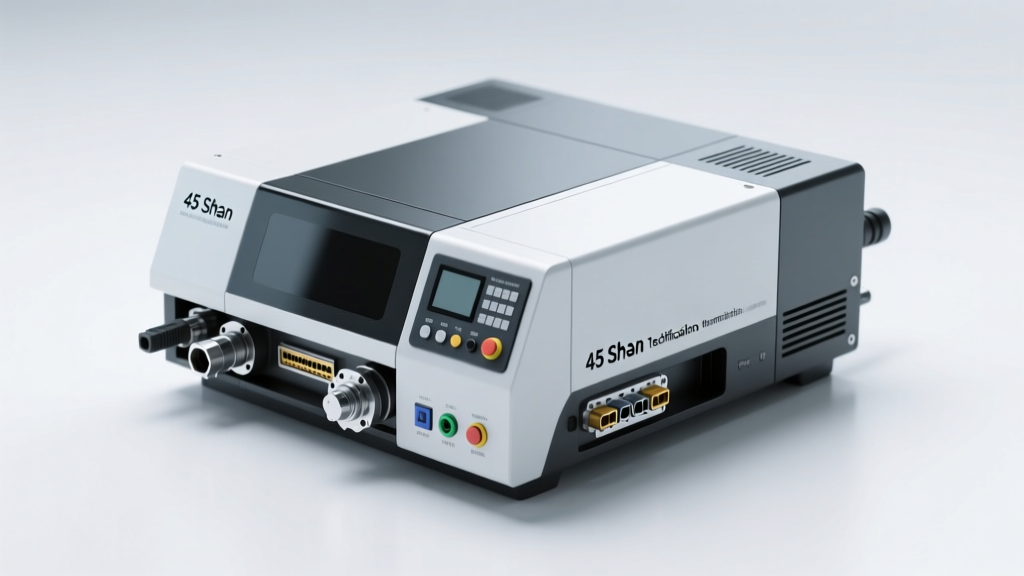
Types of Coin Piggy Bank Counters
A coin piggy bank counter is a smart savings tool that combines the nostalgic charm of traditional piggy banks with modern technology to automatically count and track your coins. These devices help users monitor savings in real time, making budgeting and financial education easier for children and adults alike. From basic manual counters to advanced digital systems, there’s a coin counter bank to match every need and lifestyle.
Digital Coin Counter Banks
Advanced electronic piggy banks that use precision weighing and microprocessor technology to automatically calculate and display the total value of deposited coins.
Advantages
- Highly accurate coin counting using weight sensors
- LCD screens display totals in multiple currencies (USD, EUR, GBP, etc.)
- Large capacity—some models hold up to 6,000 coins
- Memory function stores historical savings data
- Potential for smart connectivity (Wi-Fi/app integration) for digital money tracking
Limitations
- Higher price point due to advanced electronics
- Requires batteries or power source
- More complex mechanisms may require maintenance
- Not ideal for mixed international coin sets without manual setup
Best for: Tech-savvy users, families teaching financial literacy, digital budgeters, and those who want real-time savings tracking
Manual Coin Deposit Counters
Simplified, battery-powered coin counters that tally deposits with the push of a button, offering a balance between functionality and affordability.
Advantages
- Simple and intuitive operation
- Affordable compared to digital or automatic models
- Compact design with anti-jam coin slots
- Error detection displays incorrect or stuck coins
- Lightweight construction using durable plastic and metal blends
Limitations
- Slower counting speed
- Limited capacity for high-volume use
- Less precise than digital or automatic systems
- Battery-dependent with no data storage
Best for: Households, small offices, and casual savers who handle moderate amounts of change
Automatic Coin Sorting & Counting Banks
High-efficiency machines that automatically sort coins by denomination and count each type separately using internal sensors and motors.
Advantages
- Simultaneous sorting and counting by coin size
- High-speed processing with powerful internal motors
- Multiple compartments—some hold up to 1,000 coins per denomination
- Secure, spill-proof trays with locking plastic covers
- Ideal for preparing coins for bank deposits or bulk transactions
Limitations
- Higher cost due to complex mechanics
- Larger footprint—requires more storage space
- Potential for mechanical wear over time
- Noisier operation compared to manual or digital models
Best for: Retail businesses, schools, donation centers, and frequent coin users who need organized, fast processing
Traditional Piggy Banks with Coin Counters
Classic piggy bank designs enhanced with built-in digital counters, blending nostalgic aesthetics with modern convenience.
Advantages
- Timeless design in ceramic, porcelain, or glass
- Digital display shows real-time totals as coins are inserted
- Large internal capacity—up to 3 liters of coins
- Durable construction resists cracking under heavy use
- Removable base for easy coin retrieval
Limitations
- Counter mechanism may be less accurate than digital scales
- Heavier and more fragile than plastic models
- Limited tech features (no data storage or connectivity)
- Manual counting per deposit, not continuous tracking
Best for: Children’s savings, home décor, gift-giving, and nostalgic users who value style and simplicity
| Type | Accuracy | Capacity | Speed | Best For |
|---|---|---|---|---|
| Digital Coin Counter | High | Up to 6,000 coins | Fast | Tech users, digital tracking, education |
| Manual Deposit Counter | Medium | Low to Medium | Slow | Home use, small offices, budget buyers |
| Automatic Sorter & Counter | Very High | Up to 1,000 per denomination | Very Fast | Businesses, high-volume counting |
| Traditional with Counter | Medium | Up to 3L volume | Slow | Children, décor, nostalgic savers |
Expert Tip: For best performance, regularly clean coin slots and sensors—especially in automatic and digital models—to prevent jams and ensure accurate counting. Use a soft brush or compressed air to remove dust and debris.
Industrial Applications of Coin Piggy Bank Counters
Coin piggy bank counters have evolved from simple home devices into sophisticated industrial tools used across a wide range of sectors. These high-speed, precision machines automate the tedious process of counting and sorting coins, improving accuracy, reducing labor costs, and enhancing operational efficiency. From retail giants to charitable organizations, industries rely on advanced coin counting technology to manage large volumes of currency efficiently and securely.
Key Industrial Applications
Retail Store Cash Management
Retail environments generate significant volumes of coinage daily through customer transactions. Industrial coin counters streamline end-of-day reconciliation by rapidly processing large quantities of coins from cash registers, self-checkout kiosks, and vending machines. This reduces long queues during deposit preparation and minimizes human error associated with manual counting.
High-capacity models are ideal for large retailers such as Walmart, Sam’s Club, and grocery chains that handle thousands of coins daily. These machines often feature bulk feeding systems, automatic denomination sorting, and integration with cash management software. Additionally, they support efficient restocking of coin-operated devices, ensuring seamless customer service.
Banking Sector Coin Handling
Financial institutions process vast amounts of coin deposits from businesses, municipalities, and individual customers. Banks utilize industrial-grade coin counters to verify the accuracy of deposits, maintain audit trails, and prepare coins for redistribution or shipment to central reserves like the Federal Reserve.
Leading manufacturers such as Diebold Nixdorf and Glory offer robust, secure counting systems with advanced counterfeit detection, mixed-coin processing, and bagging or rolling capabilities. These machines improve teller efficiency, reduce processing time, and enhance compliance with financial regulations. Their durability ensures reliable performance in high-volume cash vaults and drive-thru banking operations.
Nonprofit Organizations and Charities
Charities frequently collect donations in coin form—from donation jars in supermarkets to school penny drives and community fundraising events. Manually counting these contributions is time-consuming and diverts resources from core missions. Industrial coin counters allow nonprofits to quickly and accurately process large volumes of donated change.
Compact, portable models are especially valuable for organizations with limited space or those conducting mobile collection campaigns. Accurate counts ensure transparency in financial reporting and donor trust. By automating this process, charities can redirect staff time toward program delivery and outreach, maximizing the impact of every donated dollar.
Manufacturing Facilities for Inventory Control
In manufacturing and logistics settings that operate coin- or token-based systems—such as gumball machines, arcade cabinets, car washes, laundromats, and parking meters—precise inventory tracking is essential. Industrial piggy bank counters help monitor token inflows, manage refill schedules, and prevent service interruptions due to coin shortages.
These counters are often adapted to handle custom tokens, slugs, or non-currency discs used in automated equipment. With features like programmable denomination settings and data logging, they provide real-time inventory insights and support predictive maintenance workflows. This level of control improves uptime, reduces losses, and enhances supply chain efficiency for vending and entertainment equipment providers.
Educational Institutions for Student Funds
Schools and universities manage numerous small-scale financial activities involving coins, including cafeteria payments, book fairs, field trip fees, and student-led fundraisers. Manual counting by teachers or staff is inefficient and prone to errors, especially during peak periods.
Portable coin counters enable school districts to centralize cash processing or deploy units across multiple campuses as needed. They help ensure accurate accounting of student funds, promote fiscal responsibility, and free up valuable instructional time. Some models even integrate with school finance systems for seamless deposit reporting and budget tracking.
| Industry | Primary Use Case | Key Benefits |
|---|---|---|
| Retail | Daily cash reconciliation, vending restocking | Speed, accuracy, reduced labor costs, improved customer service |
| Banking | Coin deposit verification, cash vault operations | Security, compliance, integration with financial systems, scalability |
| Nonprofits | Donation processing, fundraising events | Transparency, time savings, portability, donor confidence |
| Manufacturing/Vending | Token inventory, machine maintenance | Precision tracking, downtime prevention, operational efficiency |
| Education | Student payments, school fundraisers | Time efficiency, accuracy, mobility, administrative support |
Emerging Trends and Technology Integration
Important: When selecting a coin counter for industrial use, consider factors such as throughput capacity, durability, security features, and compatibility with existing financial systems. Regular calibration and maintenance are essential to ensure long-term accuracy and reliability. Investing in high-quality, commercial-grade equipment pays off through increased efficiency, reduced errors, and enhanced financial control across all applicable industries.
Product Specifications and Features of Coin Piggy Bank Counters
Coin piggy bank counters are smart, time-saving devices designed to automate the tedious process of counting and sorting loose change. Whether for personal use at home, small businesses, or financial institutions, these machines combine precision engineering with user-friendly design to deliver fast, accurate results. Below is a detailed breakdown of their technical specifications, setup process, usage guidelines, and maintenance best practices.
Technical Specifications
- High Capacity: Modern coin counters can process large volumes—some models hold over 4,000 coins at once—reducing the need for frequent emptying and increasing efficiency.
- Advanced Coin Recognition: Equipped with optical sensors and size-detection technology, these devices automatically identify coin denominations and sort them into designated bins, enabling simultaneous counting and categorization.
- Durable Construction: Built from impact-resistant plastic or reinforced metal, coin counters are engineered to withstand daily use and protect internal mechanisms from wear caused by constant coin flow.
- Flexible Power Options: Most digital models support both AC power adapters and battery operation, offering versatility for home use or mobile applications where outlets aren’t readily available.
- Versatile Sizing: Available in compact desktop models for home offices and larger freestanding units for high-volume environments. Dimensions vary accordingly, but all are designed for ergonomic access and efficient workspace integration.
- User-Friendly Interface: Featuring LCD or LED displays, these counters provide real-time updates on totals, coin types, and settings. Intuitive button controls make navigation simple for users of all ages.
Pro Insight: Look for models with memory retention and batch-counting features for enhanced productivity.
Installation Guide
Setting up your coin counter properly ensures long-term reliability and accurate performance. Follow these steps for optimal installation:
- Choose a Stable Surface: Place the unit on a level, vibration-free area like a desk or countertop. Avoid high-traffic zones to prevent accidental bumps or disconnections.
- Connect Power Supply: Plug the power cord into the back of the device and a grounded wall outlet. For battery-powered models, insert fresh batteries and verify proper polarity.
- Configure Settings: Use the instruction manual to set preferences such as currency type, count mode (single or batch), and denomination selection. Some models allow custom totals or alerts.
- Attach Sorting Trays: Securely connect the included coin bins or trays to the front or side outlets. Proper alignment ensures coins are routed correctly and prevents jams.
- Run a Test Cycle: Feed a small mix of coins to confirm sensor responsiveness, sorting accuracy, and display functionality. Adjust tray positions or sensitivity if needed.
Smart Tip: Keep the user manual nearby and label trays for quick identification during daily use.
How to Use Your Coin Counter
Operating a coin counter is straightforward and efficient once set up. Here’s how to get the most out of each session:
- Feed Coins Properly: Pour or drop coins one at a time or in small batches into the feed slot. Avoid overloading to prevent jams and ensure accurate detection.
- Automatic Sorting: As coins pass through the mechanism, they are sorted by diameter and thickness into separate bins—pennies, nickels, dimes, quarters, etc.—based on preset calibrations.
- Monitor Real-Time Data: The digital display shows running totals, including the number of each coin type, total value, and sometimes even weight-based estimates.
- Adjust as Needed: Use control buttons to pause, reset, switch modes, or clear data between uses. Some advanced models support USB export or Bluetooth connectivity for record keeping.
- Collect Sorted Coins: Once counting is complete, remove the bins and transfer coins into rolls, jars, or deposit bags. Label each bin for easy tracking.
Best Practice: Calibrate the machine monthly using known coin samples to maintain counting accuracy.
Maintenance & Longevity Tips
Regular care extends the life of your coin counter and ensures consistent performance. Follow this maintenance schedule:
- Daily Dusting: Wipe down the exterior and feed slot with a dry microfiber cloth. Dust buildup can interfere with sensors and cause miscounts.
- Weekly Lubrication: Apply a light machine lubricant to moving parts like rollers and gears—especially in dusty or high-use environments. In lighter-use settings, monthly lubrication suffices.
- Monthly Inspection: Check belts, gears, and wiring for signs of wear, looseness, or corrosion. Replace damaged components promptly using manufacturer-approved parts.
- Handle Coins Carefully: Avoid inserting heavily corroded, bent, or foreign objects, as these can scratch internal surfaces or jam the mechanism. Pre-clean dirty coins when possible.
- Professional Repair Services: For major issues, contact authorized service centers. Using non-certified technicians may void warranties or lead to improper part replacements.
Key Reminder: Never immerse the unit in water or use harsh cleaners—only dry or slightly damp cloths are safe.
Expert Recommendation: For households or small businesses, choose a mid-range model with dual power options, clear bin labeling, and an easy-to-read display. These offer the best balance of speed, durability, and ease of use. For high-volume applications like banks or retail stores, invest in commercial-grade units with higher capacity, faster processing speeds, and robust metal housings.
| Feature | Entry-Level Model | Mid-Range Model | Premium/Commercial Model |
|---|---|---|---|
| Capacity | Up to 1,500 coins | Up to 3,000 coins | 4,000+ coins |
| Sorting Bins | 3–4 bins | 5–6 bins | 6+ bins with stack counters |
| Power Source | Battery only | Battery or AC adapter | AC-powered with backup |
| Display Type | Basic LCD | Backlit LCD with totals | Full digital interface with data export |
| Lifespan (with care) | 2–3 years | 4–6 years | 7+ years |
Additional Features to Consider
- Batch Counting: Set target amounts (e.g., $10 in quarters) and the machine stops automatically when reached.
- No-Jam Technology: Advanced models include anti-jam sensors and reverse functions to clear blockages automatically.
- Multi-Currency Support: Ideal for international users or collectors, allowing recognition of foreign coins.
- Quiet Operation: Essential for home or office environments where noise levels matter.
- Eco-Friendly Design: Energy-efficient motors and recyclable materials contribute to sustainable usage.
Quality and Safety Considerations of Coin Piggy Bank Counters
When selecting a digital coin piggy bank counter—especially for home, educational, or commercial use—ensuring high quality and safety standards is essential. These devices handle frequent mechanical and electrical operations, making durability, compliance, and user safety critical factors. This guide explores the key quality and safety aspects to consider when purchasing or using a coin counting piggy bank.
Safety Note: Always inspect your coin counter regularly for signs of overheating, loose parts, or electrical issues. Avoid using damaged units, particularly in environments with children, such as schools or daycare centers.
Key Quality and Safety Features
- Robust Build Quality
Digital piggy bank counters, particularly those used in high-traffic environments like banks, retail stores, or schools, must be built to withstand constant use. Units constructed from durable materials such as reinforced ABS plastic, aluminum, or stainless steel offer superior longevity and resistance to wear and impact.
A solid construction protects sensitive internal components—including sensors, motors, and circuitry—from damage due to drops, vibrations, or daily handling. High-quality materials also reduce the risk of mechanical failure, ensuring consistent and accurate coin counting over time.
- Certifications for Safety and Environmental Compliance
Look for internationally recognized certifications such as CE (Conformité Européenne) and RoHS (Restriction of Hazardous Substances). These are not just marketing labels—they are critical indicators of a product’s safety and environmental responsibility.
The CE mark confirms that the device meets EU health, safety, and environmental protection standards, ensuring it is safe for consumer use. RoHS certification guarantees that the counter contains no harmful substances like lead, mercury, or cadmium, making it safer for users and easier to recycle. These certifications are especially important in educational institutions, healthcare facilities, and public spaces where safety and environmental impact are top priorities.
- USB Connectivity and Firmware Updates
Modern coin counters with USB ports offer more than just power—they enable firmware updates that enhance functionality, improve accuracy, and address potential security or performance issues. Regular updates ensure the device remains compatible with evolving software standards and maintains optimal operation.
Some advanced models can also export usage data via USB, allowing users to track coin volume, frequency of use, or error logs. This feature is particularly useful for budgeting, auditing, or monitoring device performance in commercial or institutional settings.
Always ensure that firmware updates come from the manufacturer and are applied using secure methods to prevent malware or system corruption.
- Effective Heat Dissipation Design
Continuous operation—especially in commercial or high-volume environments—can cause electronic components to generate significant heat. Without proper thermal management, this can lead to component degradation, system failure, or even fire hazards.
High-quality coin counters incorporate effective heat dissipation features such as ventilation grills, heat sinks, or internal cooling fans. These elements help maintain a stable internal temperature, preventing overheating and extending the device’s lifespan. Avoid placing counters in enclosed spaces or near heat sources to maximize airflow and cooling efficiency.
- Stability and Anti-Slip Design
Desktop coin counters must remain stable during operation to prevent jams, miscounts, or tipping hazards. A well-designed unit features a wide base, rubberized feet, or a weighted bottom to minimize vibration and movement.
Instability during operation can cause coins to misalign or get stuck in the counting mechanism, leading to inaccurate totals or mechanical stress. In homes or schools with children, a stable design also reduces the risk of accidents from tipping devices.
Look for models with non-slip pads or anti-vibration technology to ensure smooth and reliable performance on any surface.
| Feature | Why It Matters | Recommended Standard | Best For |
|---|---|---|---|
| Robust Build Quality | Prevents damage from daily use and extends lifespan | Metal casing or reinforced plastic | Commercial, school, or public use |
| CE / RoHS Certification | Ensures user safety and environmental compliance | Official certification labels present | Healthcare, education, export markets |
| USB Connectivity | Enables updates and data transfer | USB 2.0 or higher with secure firmware | Businesses, financial tracking |
| Heat Dissipation | Prevents overheating and component failure | Ventilation holes or internal fan | High-volume or continuous use |
| Stability Features | Reduces jams and improves accuracy | Rubber feet or weighted base | Home, office, classroom environments |
Pro Tip: When purchasing a coin counter, check customer reviews and product specifications for real-world feedback on durability and safety. Units used in schools or by children should have rounded edges, enclosed moving parts, and no exposed wires or sharp components.
Maintenance and Long-Term Safety
- Regularly clean the coin chute and sensors to prevent dust or debris buildup
- Inspect power cords and plugs for fraying or damage before each use
- Store the device in a dry, cool place when not in use
- Follow the manufacturer’s guidelines for firmware updates and troubleshooting
- Retire units showing signs of overheating, strange noises, or inconsistent performance
Investing in a high-quality, safety-certified coin piggy bank counter not only ensures accurate counting but also protects users and extends the device’s operational life. Whether used at home, in schools, or in business, prioritizing build quality, certifications, and thermal and mechanical stability leads to a safer, more reliable experience.
Frequently Asked Questions About Digital Coin Counters
Q1: How does a coin piggy bank counter treat old or worn coins?Digital coin counters are designed to handle a variety of coin conditions, including older or slightly worn coins. The internal sensors and sorting mechanisms can typically accommodate minor variations in size, shape, and surface texture caused by wear. However, it's important to note that:
- Surface Scratches: Older coins with rough edges or deep scratches may cause minor abrasions on internal components like counting slots or rotating wheels over time.
- Accuracy Impact: Severely corroded, bent, or heavily tarnished coins may not be recognized correctly, leading to miscounts or jams.
- Durability: Most modern coin counters are built with durable materials to withstand regular use, even with mixed coin conditions, making them suitable for long-term home or commercial use.
For best performance, it's recommended to remove extremely damaged or non-standard coins before feeding them into the machine.
Q2: Is it safe to wash or clean coins inside an electronic coin counter?No, it is strongly advised against washing or cleaning coins while they are inside an electronic coin counter. Doing so can lead to several serious issues:
- Damage to Electronics: Moisture can seep into sensitive circuits, sensors, and motors, potentially causing short circuits or permanent damage.
- Loss of Coin Protection: Many coins have protective coatings or finishes that can be stripped away by water or cleaning agents, reducing their value and appearance.
- Residue Buildup: Detergents or mineral deposits from water can accumulate inside the machine, interfering with sensor accuracy and mechanical movement.
- Corrosion Risk: Trapped moisture can lead to rust on metal components, especially in the coin path or storage bins.
If coins need cleaning, they should be removed and cleaned manually using appropriate dry methods (e.g., soft cloth), then completely dried before being reinserted into the counter.
Q3: Can a digital coin counter operate continuously for several years without failure?While digital coin counters are built for durability and long-term use, they are not maintenance-free machines. With proper care, many models can function reliably for years, but longevity depends on several factors:
- Mechanical Wear: Moving parts like motors, gears, and conveyor belts are subject to wear over time, especially under heavy usage.
- Lubrication Needs: Some internal components may require occasional lubrication to maintain smooth operation—refer to the manufacturer’s maintenance guide.
- Dust and Debris: Regular cleaning of fans, vents, and coin pathways helps prevent overheating and blockages.
- Usage Frequency: Machines used daily in commercial settings will likely require servicing sooner than those used occasionally at home.
To maximize lifespan, users should follow the manufacturer's recommended maintenance schedule, keep the device clean, and avoid overloading it with excessive coin volumes in one session.
Q4: Can a coin counter process tokens or non-currency coins?Many digital coin counters, especially those designed for vending or arcade environments, are capable of counting tokens and similar round discs. However, compatibility varies by model and depends on:
| Factor | Consideration |
|---|---|
| Size & Weight | Tokens must closely match the diameter and weight parameters programmed into the counter’s sensor system. |
| Material Composition | Magnetic or metallic properties affect detection—some counters use metal sensing technology. |
| Edge Design | Smooth, reeded, or grooved edges may impact how tokens move through the mechanism. |
| Manufacturer Settings | Some counters allow custom calibration for specific token types; others only recognize standard currency. |
Always consult the manufacturer or product manual to confirm whether your specific model supports token counting and if any setup adjustments are required.
Q5: Why does the coin counter display inconsistent amounts when counting the same batch of coins?Inconsistent readings usually indicate a mechanical or sensor-related issue. A properly functioning digital coin counter uses multiple sensors to verify each coin’s diameter, thickness, and weight as it passes through. Inconsistencies may arise due to:
- Coin Jams or Blockages: If one or more coins get stuck in the feeding mechanism, the count may be underreported or duplicated.
- Dirty Sensors: Dust, oil, or debris on optical or metal-detection sensors can cause misreads or missed coins.
- Worn Components: Over time, belts, rollers, or gears may slip, affecting the consistent movement of coins.
- Improper Calibration: Some counters require periodic recalibration, especially after heavy use or power interruptions.
- Mixed Denominations: Coins that are very similar in size (e.g., dimes and small foreign coins) may be misidentified without proper sorting settings.
To resolve this, ensure the machine is clean, properly calibrated, and free of obstructions. If problems persist, contact customer support or refer to the troubleshooting section of the user manual.