
Choosing a gift for a child is about more than just fun—it’s an opportunity to nurture their curiosity, expand their thinking, and fuel their sense of wonder. The most meaningful presents don’t just entertain; they invite children to create, explore, and discover the world in new ways. From open-ended toys that evolve with a child’s imagination to outdoor gear that encourages real-world adventures, the right gifts can shape how kids see themselves and their potential.
When selecting gifts that inspire creativity and adventure, focus on items that promote problem-solving, storytelling, physical activity, and hands-on learning. These experiences lay the foundation for confidence, resilience, and lifelong curiosity.
Gifts That Spark Imagination and Creative Thinking
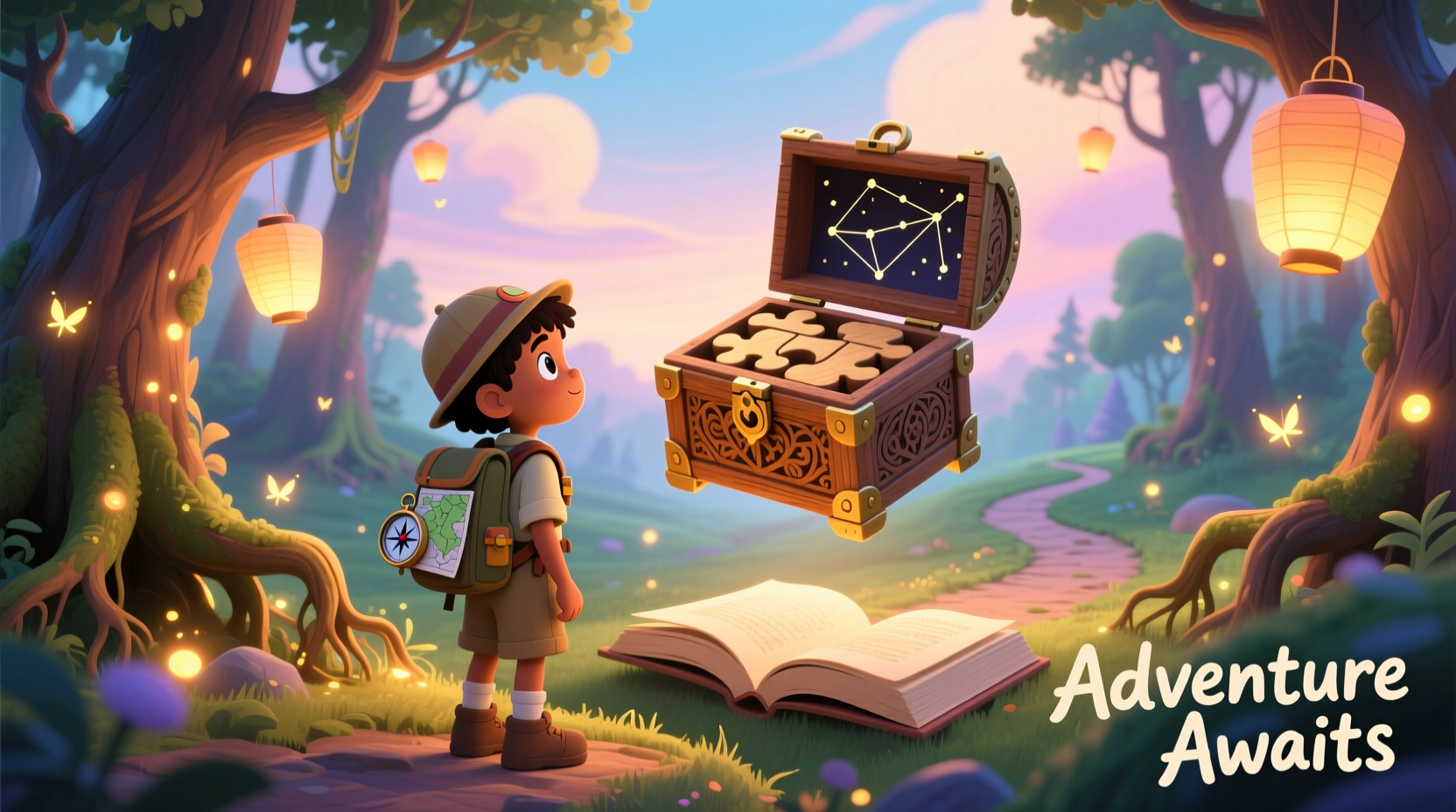
Creative play isn’t just about art supplies or dress-up clothes—it’s about giving children tools that allow them to build, design, and invent. Open-ended toys are especially effective because they don’t come with a single “right” way to use them. Instead, they adapt to the child’s evolving ideas.
- Building sets: Wooden blocks, magnetic tiles, or engineering kits like LEGO Technic encourage spatial reasoning and architectural thinking.
- Art studios in a box: Portable art kits with watercolors, clay, sketchbooks, and mixed media materials give kids freedom to experiment.
- Storytelling kits: Illustrated prompt cards, puppet theaters, or DIY comic book templates help children craft narratives and develop language skills.
These types of gifts foster divergent thinking—the ability to generate multiple solutions to a problem—and are linked to stronger emotional intelligence and cognitive flexibility later in life.
Outdoor and Adventure-Focused Gifts for Explorers
Adventure doesn’t require a jungle expedition. It begins in the backyard, a local park, or even a rainy sidewalk turned river system by a curious mind. Gifts that get children outside deepen their connection to nature, improve physical health, and sharpen observational skills.
Consider these adventure-ready ideas:
- Nature explorer kits: Include binoculars, a magnifying glass, bug jar, field journal, and identification guides for plants, insects, or birds.
- Backpack & survival essentials: A child-sized hiking pack with a whistle, compass, mini flashlight, and reusable water bottle empowers independence.
- Geocaching starter set: Pair a simple GPS device or app access with a small trinket to leave at the next cache—turns walks into treasure hunts.
“Children who engage regularly with unstructured outdoor play show improved focus, reduced stress, and greater risk-assessment skills.” — Dr. Lena Torres, Child Development Researcher, University of Oregon
Mini Case Study: The Curious Backyard Biologist
Six-year-old Maya received a nature discovery kit for her birthday. At first, she used the magnifying glass to examine ants near the garden hose. Within weeks, she began sketching bugs in her journal, labeling wings and legs. Her parents printed free insect charts online, and soon, weekend walks turned into “research missions.” By summer’s end, Maya had identified 14 species and presented her findings (with drawings) to her kindergarten class. The gift didn’t just entertain—it sparked a passion for science.
Do’s and Don’ts: Choosing Gifts That Truly Inspire
Selecting the right creative or adventurous gift involves more than browsing toy catalogs. Consider the child’s personality, environment, and opportunities for sustained engagement.
| Do | Don’t |
|---|---|
| Choose gifts that grow with the child (e.g., adjustable easels, modular building systems) | Select overly prescriptive toys with one fixed outcome (e.g., electronic games with no replay variation) |
| Prioritize quality over quantity—fewer, well-chosen items lead to deeper play | Buy gifts that require constant adult supervision or setup |
| Include elements of surprise or mystery (e.g., “mystery material” boxes for art) | Assume gender-specific interests—creativity and adventure are universal |
| Pair physical gifts with experience-based additions (e.g., a telescope + stargazing night) | Overlook safety—ensure outdoor gear fits properly and materials are non-toxic |
Step-by-Step Guide: Building a Creativity & Adventure Kit
You don’t need to buy a single high-cost item to make an impact. Assemble a personalized kit that combines creativity and exploration using affordable, accessible components.
- Assess the child’s current interests: Do they love drawing? Climbing trees? Asking questions about weather?
- Choose a theme: Examples include “Junior Scientist,” “Story Builder,” or “Trail Explorer.”
- Select 3–5 core items: For a “Junior Scientist” kit: notebook, colored pencils, thermometer, mini microscope, and a weather chart.
- Add a challenge card: Write prompts like “Draw what you see under the magnifier” or “Map your backyard like a pirate.”
- Pack it creatively: Use a decorated toolbox, backpack, or wooden crate to house the items—making the container part of the fun.
- Include a launch activity: Schedule time to do the first project together, modeling curiosity and enthusiasm.
Frequently Asked Questions
What if the child loses interest quickly?
Short attention spans are normal. Instead of seeing disengagement as failure, treat it as exploration. Store unused items out of sight for 4–6 weeks, then reintroduce them in a new context. A cardboard robot kit might be ignored until you suggest building a “lunar rover” during a space-themed week.
Are tech-based gifts okay for inspiring creativity?
Some digital tools can enhance creativity when used intentionally. Coding kits like Osmo or ScratchJr teach logic through game design. However, balance screen-based gifts with hands-on experiences. Limit passive consumption and prioritize interactive, creation-focused platforms.
How can I encourage adventure in urban environments?
Adventure isn’t limited to forests or mountains. City dwellers can become urban explorers by mapping neighborhood murals, documenting bird sightings in parks, or designing scavenger hunts based on historical landmarks. A simple “adventure passport” with stamps for completed missions adds structure and excitement.
Checklist: Selecting the Right Gift
Use this checklist before purchasing to ensure your gift supports creativity and adventure:
- ☐ Encourages open-ended play or exploration
- ☐ Can be used independently or with peers
- ☐ Promotes movement, problem-solving, or self-expression
- ☐ Is durable and safe for the child’s age
- ☐ Includes an element of discovery or surprise
- ☐ Aligns with the child’s emerging interests, not just trends
- ☐ Comes with minimal batteries or digital distractions
Conclusion: Gifts That Last Beyond the Unwrapping
The most memorable gifts aren’t the ones that dominate shelf space—they’re the ones that live in a child’s imagination long after the ribbon is tossed. A handmade storybook, a muddy hike guided by a first compass, or a tower built from wooden blocks and boundless vision—these moments shape identity and instill courage.
When you choose gifts that inspire creativity and adventure, you’re not just giving a toy. You’re handing a child a key—to unlock questions, test limits, and believe in their own ingenuity. Whether it’s a sketchpad for future illustrations or a headlamp for midnight campfire tales, each item becomes a companion in their journey of becoming.
🚀 Ready to inspire the next generation of creators and explorers? Share this guide with parents, teachers, or gift-givers who believe in the power of imaginative play. What was the most impactful childhood gift you received? Comment below and pass on the inspiration.