Every year on May 30, food lovers, farmers, and agricultural advocates unite to observe Global Potato Day—a celebration of one of humanity’s most versatile, resilient, and culturally significant crops. Far more than just a humble tuber, the potato feeds over a billion people worldwide and plays a central role in cuisines across continents. From Andean hillside harvests to Nordic feasts and Indian street food stalls, this day honors not only the potato’s culinary diversity but also its contribution to food security, rural economies, and sustainable agriculture. As climate challenges grow and dietary needs evolve, recognizing the global impact of the potato has never been more relevant.
Definition & Overview
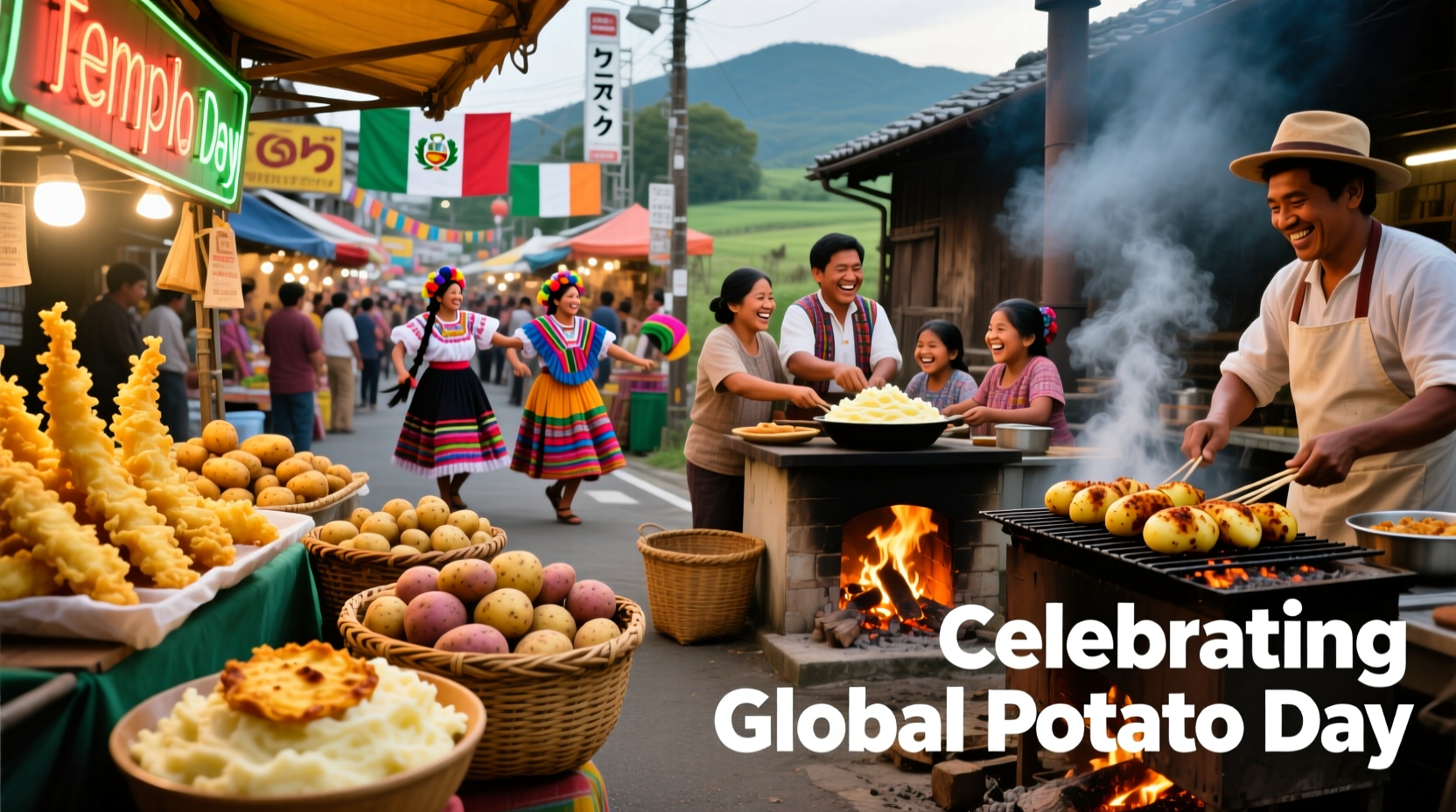
The potato (Solanum tuberosum) is a starchy root vegetable native to the Andes Mountains of South America, where it was first domesticated over 7,000 years ago by Indigenous peoples. Today, it ranks as the world's fourth-largest food crop after rice, wheat, and maize. Botanically a tuber—part of the nightshade family—the potato grows underground as a modified stem that stores energy for the plant. Its adaptability to diverse climates, high nutritional value, and long shelf life have enabled its spread across nearly every continent.
Globally, more than 5,000 varieties of potatoes exist, with differences in color, texture, moisture content, and cooking properties. While often associated with European and North American diets, the potato holds deep cultural roots in regions such as the Andes, Eastern Europe, and South Asia. On Global Potato Day, communities celebrate through festivals, educational programs, farm-to-table events, and national promotions highlighting local potato-based dishes, heirloom preservation, and innovations in sustainable cultivation.
Key Characteristics of the Potato
The potato’s widespread appeal stems from its sensory and functional versatility. Depending on variety and preparation method, it can be creamy or fluffy, crisp or tender, subtly sweet or earthy. Below are its defining characteristics:
| Attribute | Description |
|---|---|
| Flavor Profile | Earthy, mildly sweet, nutty; varies slightly by type and growing conditions. |
| Aroma | Neutral when raw; develops warm, roasted, or buttery notes when cooked. |
| Color & Form | Skin ranges from white, yellow, red, purple, to blue; flesh matches or contrasts skin. Shape varies: oval, round, elongated. |
| Texture (Cooked) | Determined by starch content: waxy (firm), starchy (fluffy), or all-purpose (balanced). |
| Culinary Function | Thickener, binder, side dish, main ingredient, snack base, fermentation substrate. |
| Shelf Life | 2–5 weeks at cool room temperature (10°C/50°F); longer if stored properly in dark, dry conditions. |
| Nutritional Value (per 100g boiled) | 87 kcal, 2 g protein, 20 g carbs, 2 g fiber, rich in vitamin C, B6, potassium, magnesium. |
Practical Usage: How Potatoes Are Used Globally
The way potatoes are prepared and consumed reflects regional tastes, agricultural traditions, and historical influences. Unlike many ingredients limited to specific applications, the potato transitions seamlessly between appetizers, mains, sides, and even desserts. Here's how different cultures incorporate them into everyday meals and festive occasions:
Latin America: The Birthplace of the Potato
In Peru alone, over 3,000 native potato varieties thrive—from small, knobby *papa amarilla* to frost-resistant *oca* and colorful *purple potatoes*. During Global Potato Day celebrations in Cusco and Puno, Quechua and Aymara farmers lead communal planting ceremonies and showcase ancestral techniques like freeze-drying (*chuño*) for long-term storage. Traditional dishes include:
- Papa a la Huancaína: Boiled yellow potatoes smothered in spicy cheese sauce made with ají amarillo and queso fresco.
- Ocopa: Purple potatoes topped with a nutty, herb-laced sauce containing huacatay (Andean mint).
- Chuño-based soups: Rehydrated freeze-dried potatoes used in hearty stews during highland winter festivals.
Pro Tip: When using heirloom Andean potatoes, avoid overcooking—they often retain firmness better than commercial types and benefit from gentle simmering rather than boiling.
Europe: Comfort Food Classics and Seasonal Rituals
In countries like Germany, Ireland, Poland, and Sweden, the potato is a dietary cornerstone. Global Potato Day here often coincides with early summer harvests and open-air markets featuring new potatoes still dusted with soil. Celebrations emphasize seasonality and terroir:
- Germany: Farmers host “Kartoffelfest” fairs with giant potato pancakes (*Reibekuchen*), live music, and tractor parades. Regional specialties like Bavarian *Bratkartoffeln* (pan-fried potatoes) are served with apple sauce.
- Ireland: Events highlight heritage varieties such as *Irish Lumper*, once vital before the Great Famine. Modern chefs reinterpret colcannon and boxty with smoked salmon or wild herbs.
- Scandinavia: In Sweden, new potatoes are boiled and served with dill, sour cream, and pickled herring—an early summer tradition now aligned with Global Potato Day festivities.
South Asia: Street Food Innovation and Religious Offerings
In India, Pakistan, and Bangladesh, the potato is deeply embedded in both daily cuisine and religious culture. It appears in temple offerings, wedding spreads, and roadside snacks. On Global Potato Day, culinary schools and NGOs promote awareness about reducing post-harvest losses and improving smallholder yields.
- Aloo Tikki: Spiced mashed potato patties pan-fried and served with chutneys.
- Samosas and Dosas: Stuffed with curried potatoes, these are staples across regions.
- Kashmiri Dum Aloo: Baby potatoes slow-cooked in yogurt-based gravy with aromatic spices.
Interestingly, some Hindu temples use boiled potatoes in prasad (blessed food) because they are considered pure and easy to digest—making them ideal for fasting days when grains are avoided.
North America: Farm Tours and Culinary Challenges
In the United States and Canada, Global Potato Day is marked by agritourism initiatives, school nutrition programs, and chef-led tasting events. Idaho, Maine, and Prince Edward Island—major producers—open farms for public tours. Supermarkets run discounts on organic and colored potato varieties, while restaurants feature limited-time menus such as:
- Loaded sweet potato bars with black beans, avocado, and chipotle crema.
- Potato gnocchi paired with seasonal mushrooms and brown butter.
- Fermented potato rye breads showcasing zero-waste baking.
Variants & Types: Choosing the Right Potato
Not all potatoes behave the same in the kitchen. Understanding their classification helps ensure optimal results whether roasting, mashing, frying, or stewing. The three primary categories are based on starch and moisture levels:
| Type | Starch Level | Best Uses | Common Varieties |
|---|---|---|---|
| Starchy | High | Mashing, baking, frying | Russet, King Edward, Desirée |
| Waxy | Low | Boiling, salads, soups, roasting | Red Bliss, Fingerling, Charlotte, Yukon Gold* |
| All-Purpose | Medium | Versatile: roasting, grilling, steaming, gratins | Yukon Gold, Nicola, Désirée |
\"Choosing the wrong potato can ruin a dish—not because it’s bad, but because it doesn’t perform the function you need. Want crispy fries? Use starchy Russets. Making a salad that holds shape? Reach for waxy reds.\" — Chef Elena Martinez, Culinary Institute of America
*Note: Yukon Gold straddles the line between waxy and all-purpose, offering creamy texture without disintegrating.
Specialty and Heirloom Varieties Gaining Popularity
- Purple Majesty: High in antioxidants, vibrant color holds during cooking; excellent roasted or mashed.
- Adirondack Blue: Nutty flavor, great for chips and salads.
- La Ratte (France): Fingerling-shaped, buttery taste; prized in gourmet kitchens.
- Chinese Yam Potato (not true potato): Often confused due to similar use; actually a yam species common in East Asian cooking.
Comparison with Similar Ingredients
The potato is frequently mistaken for other underground crops, especially in international recipes. Clarifying distinctions ensures proper substitution and technique:
| Ingredient | Botanical Family | Texture | Best Substitution For Potato? | Notes |
|---|---|---|---|---|
| Yam (true) | Dioscoreaceae | Drier, stringier, less sweet than marketed \"yams\" | Limited—use only in African/Caribbean dishes | Most U.S. \"yams\" are orange sweet potatoes. |
| Sweet Potato | Convolvulaceae | Sweeter, moister, softer when cooked | Yes, in roasting/fries—but alters flavor profile | Higher sugar content affects browning and crisping. |
| Taro Root | Araceae | Dense, starchy, slightly slimy when undercooked | No—requires special handling due to calcium oxalate crystals | Must be cooked thoroughly; popular in Pacific Island dishes. |
| Turnip | Brassicaceae | Peppery, firm, less starchy | Only in mixed mashes or soups | Adds sharpness; not suitable for standalone replacement. |
Practical Tips & FAQs
Q: How should I store potatoes at home?
A: Keep in a cool, dark, well-ventilated place between 7–10°C (45–50°F). Avoid refrigeration (causes sweetness and acrylamide formation when fried) and sunlight (leads to greening and solanine buildup). Do not store near onions—ethylene gas from onions accelerates sprouting.
Q: Can I eat sprouted potatoes?
A: Mild sprouting is manageable—simply remove sprouts and any green patches. However, discard potatoes that are shrunken, wrinkled, or extensively green, as they may contain harmful glycoalkaloids.
Q: What’s the best way to prevent potatoes from turning brown after peeling?
A: Soak cut pieces in cold water immediately. Adding lemon juice or vinegar (1 tsp per liter) helps inhibit oxidation. Drain and pat dry before cooking.
Q: Are there sustainable ways to grow potatoes at home?
A: Yes. Try “straw mulching”—laying seed potatoes on soil and covering with straw instead of digging trenches. Reduces labor, conserves moisture, and suppresses weeds. Also consider saving certified disease-free seed tubers from your harvest for next season.
Q: How do professional kitchens minimize waste with potatoes?
A: Many adopt a nose-to-tail approach:
- Peeles are dehydrated and ground into flour for thickening sauces.
- Trimmings are fermented into vinegar or composted.
- Leftover mashed potatoes become croquettes or dumplings.
Zero-Waste Hack: Simmer potato peels with onion trimmings and herbs to make a light vegetable stock—strain and freeze for future use.
Case Study: Norway’s “New Potato Festival” Alignment with Global Potato Day
In recent years, Norway has synchronized its annual “Nyttekartoffelmarked” (New Potato Market) with Global Potato Day. Small-scale farmers from coastal regions bring early-season fingerlings to Oslo’s Mathallen Food Hall. Consumers purchase directly, attend cooking demos, and vote for “Potato of the Year.” This model supports biodiversity, reduces transport emissions, and strengthens urban-rural food connections—an example other nations are beginning to emulate.
Summary & Key Takeaways
Global Potato Day is far more than a niche observance—it is a powerful reminder of how a single crop can nourish nations, sustain ecosystems, and inspire culinary creativity. From ancient Andean terraces to modern fusion kitchens, the potato continues to adapt and endure.
- The potato originated in the Andes and now feeds over a billion people globally.
- It comes in thousands of varieties, classified mainly as starchy, waxy, or all-purpose—each suited to different cooking methods.
- Cultural celebrations vary widely: from Peruvian chuño rituals to Scandinavian new-potato feasts and Indian street food showcases.
- Understanding differences between potatoes and similar tubers prevents recipe failures and enhances authenticity.
- Proper storage, waste reduction, and sustainable growing practices extend the potato’s value beyond the plate.
As climate resilience and food sovereignty become urgent priorities, honoring the potato means supporting smallholder farmers, preserving genetic diversity, and reimagining traditional wisdom in contemporary contexts. Whether you're roasting baby potatoes with rosemary or exploring an heirloom purple mash, every bite connects you to a global story of survival, innovation, and shared sustenance.
This Global Potato Day, visit a local farmer’s market, try a regional potato dish you’ve never tasted, or plant a few seed potatoes in your garden. Celebrate not just the food, but the centuries of knowledge behind it.