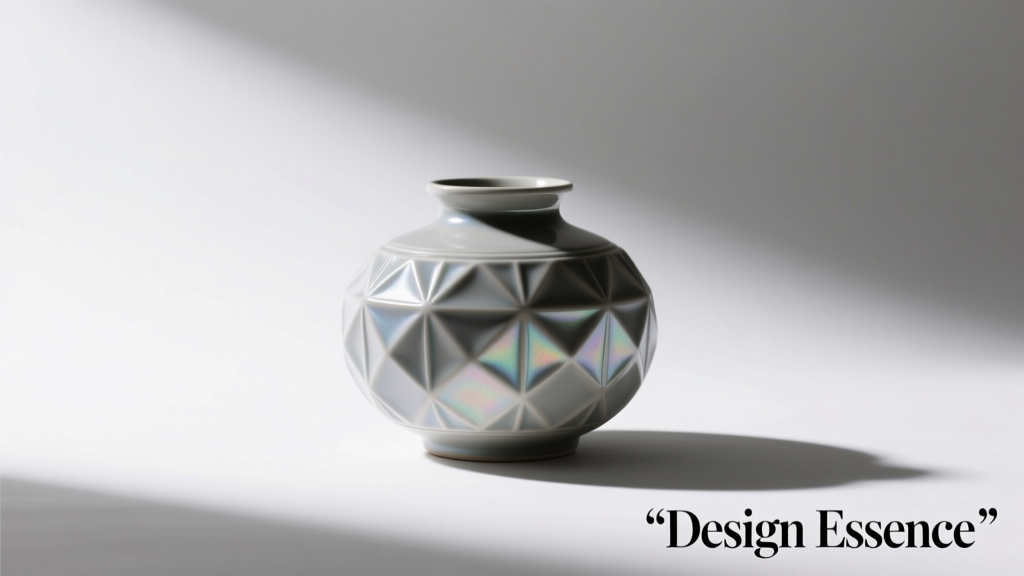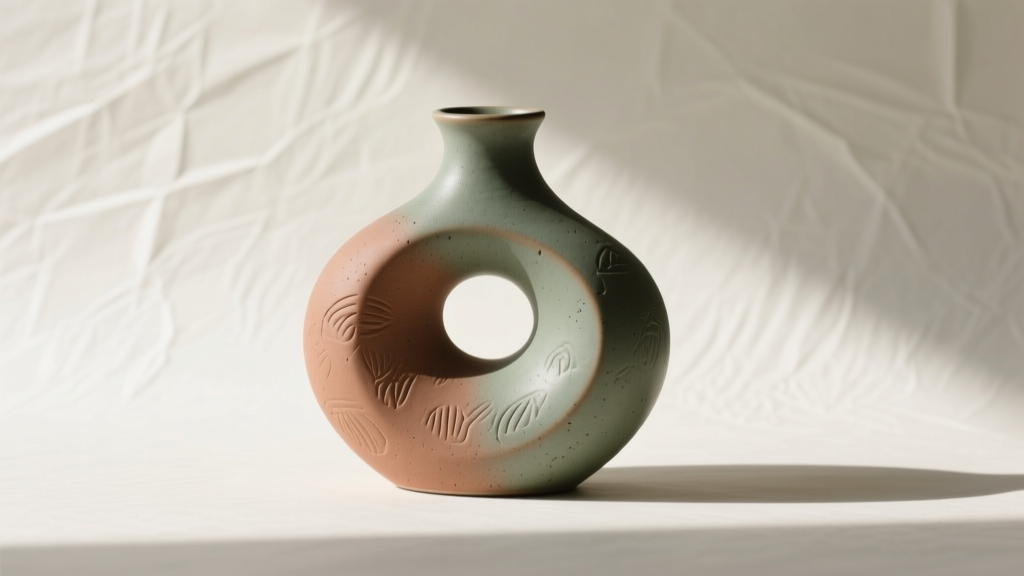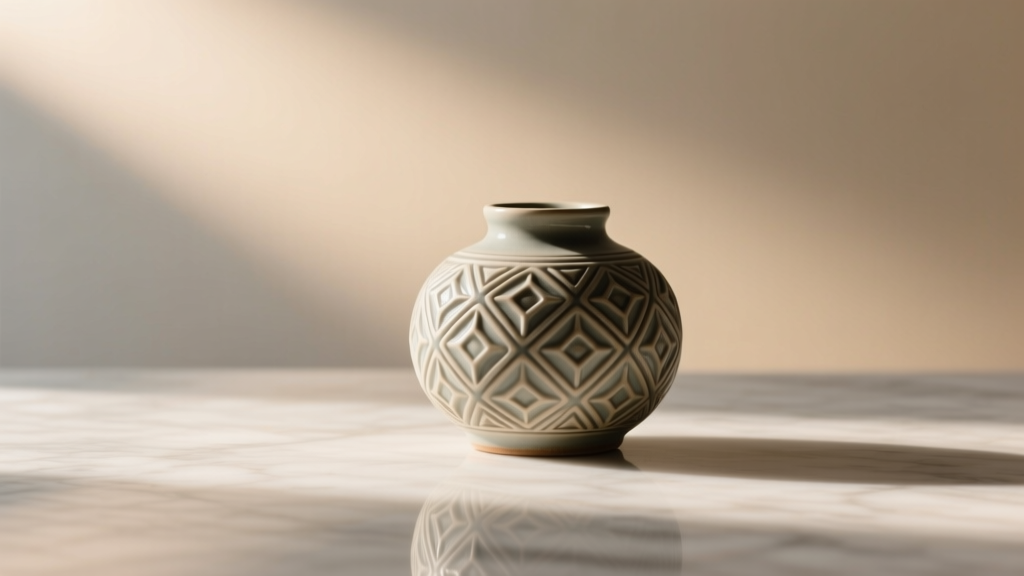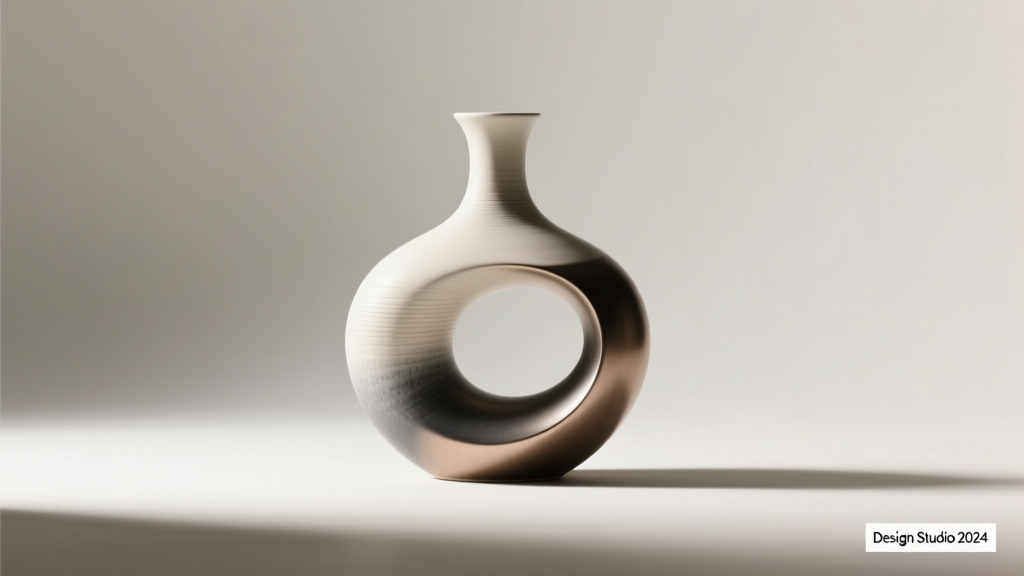
Materials Used in Artisanal Chinese Craftsmanship
China’s rich tradition of artisanal craftsmanship spans thousands of years, producing exquisite handmade goods renowned for their beauty, durability, and cultural significance. The materials used in these creations vary widely depending on the product type, regional practices, and intended function—ranging from functional tableware to decorative art pieces. Below is a detailed overview of the key materials used in traditional and modern artisanal products made in China.
Kaolin & Porcelain Clay
Kaolin clay is the cornerstone of Chinese porcelain, often referred to as "china" in the West due to its origins. This fine, white clay is highly refined and vitrifies at high temperatures, resulting in a translucent, durable ceramic known for its smooth texture and brilliant white appearance.
Advantages
- Exceptional purity and whiteness
- High heat resistance and durability
- Smooth, glass-like finish when glazed
- Ideal for intricate hand-painted designs
Limitations
- Requires precise firing conditions
- More fragile than stoneware if thin
- Sensitive to thermal shock if not properly fired
Best for: Fine porcelain tableware, vases, and collectible ceramics
Stoneware Clay
A robust, lower-fired clay commonly used for functional pottery such as mugs, bowls, and teapots. Stoneware is less refined than kaolin but offers greater strength and a naturally earthy aesthetic, often appearing in warm browns, grays, or reds due to iron content.
Advantages
- High durability and chip resistance
- Excellent for everyday use
- Natural, rustic appearance
- Less prone to cracking during firing
Limitations
- Lacks the translucency of porcelain
- Heavier than fine china
- Limited for delicate detailing
Best for: Kitchenware, teaware, and rustic decorative items
Natural Dyes & Mineral Pigments
Traditional Chinese artisans use natural pigments derived from minerals, ores, and plant sources to create vibrant, non-toxic glazes and decorative paints. Common examples include cobalt oxide (blue), iron oxide (red/brown), copper (green), and manganese (purple).
Advantages
- Rich, authentic colors with cultural heritage
- Environmentally friendly and non-toxic
- Unique variations enhance artistic value
- Chemically stable when properly fired
Limitations
- Color consistency can vary between batches
- Requires expert knowledge for mixing and application
- Some minerals may be costly or rare
Best for: Hand-painted porcelain, antique-style ceramics, and art pieces
Hardwoods (Oak, Maple, Mahogany, Cherry)
Woodworking in China often features premium hardwoods prized for their strength, grain patterns, and workability. These woods are used in furniture, carvings, and decorative boxes, often finished with lacquer or carved with intricate motifs.
Advantages
- Durable and long-lasting
- Beautiful natural grain enhances aesthetics
- Excellent for detailed carving and joinery
- Age gracefully with proper care
Limitations
- Higher cost due to quality and sourcing
- Requires climate control to prevent warping
- Longer production time for handcrafted pieces
Best for: Traditional furniture, decorative carvings, and luxury gift items
Decorative Metals (Gold, Silver, Copper)
Metals are used in Chinese artisanal products primarily for embellishment. Gold and silver leafing (gilding) are applied to porcelain and lacquerware to add elegance, while copper accents are sometimes integrated into functional or decorative designs.
Advantages
- Creates luxurious, high-end appearance
- Resists tarnishing when properly sealed
- Symbolizes prosperity and refinement in Chinese culture
- Enhances collectible value
Limitations
- Premium cost increases product price
- May wear off with frequent use or improper cleaning
- Requires skilled artisans for precise application
Best for: Premium porcelain, ceremonial items, and luxury decorative objects
| Material | Primary Use | Durability | Aesthetic Quality | Cultural Significance |
|---|---|---|---|---|
| Kaolin Clay | Porcelain, fine ceramics | High | Excellent (elegant, refined) | Symbol of Chinese craftsmanship |
| Stoneware Clay | Functional pottery, tableware | Very High | Good (earthy, rustic) | Represents practical artistry |
| Natural Pigments | Glazes, hand-painted designs | High (when fired) | Exceptional (vibrant, organic) | Ties to ancient painting traditions |
| Hardwoods | Furniture, carvings, boxes | Very High | Excellent (rich grain, luster) | Used in imperial and scholarly arts |
| Decorative Metals | Gilding, accents, luxury finishes | Moderate (surface wear) | Outstanding (luxurious) | Represents wealth and status |
Expert Tip: When purchasing artisanal Chinese ceramics, look for hand-painted details and natural mineral glazes—these are hallmarks of authentic craftsmanship. Avoid items with overly uniform colors, which may indicate mass production with synthetic dyes.
Uses and Benefits of Artisanal China Products
Artisanal china products are more than just functional household items—they represent centuries of cultural heritage, meticulous craftsmanship, and sustainable practices. Handcrafted by skilled artisans across China, these ceramics blend tradition with artistry, offering unique advantages over mass-produced alternatives. From daily use to decorative elegance, artisanal china serves both practical and symbolic roles in homes around the world.
Key Uses of Artisanal China Products
These handcrafted ceramics are widely used in everyday life and special occasions alike. Common applications include:
- Dining and Entertaining: Handmade plates, bowls, teacups, and serving dishes enhance mealtime experiences with their elegance and durability.
- Tea Culture: Traditional Yixing teapots, gaiwans, and tea trays are essential in Chinese tea ceremonies, prized for their ability to improve flavor over time.
- Home Décor: Decorative vases, wall art, and sculptural pieces add cultural depth and aesthetic value to interior spaces.
- Gifts and Heirlooms: Due to their uniqueness and emotional value, artisanal china items are often gifted during weddings, festivals, or passed down through generations.
- Spiritual and Ritual Use: Certain pieces are crafted for ancestral altars, temples, or traditional ceremonies, reflecting deep cultural and spiritual meanings.
Core Benefits of Choosing Artisanal China
Cultural Significance
Artisanal china products are deeply rooted in Chinese heritage, embodying centuries-old traditions, philosophies, and regional identities. The materials, motifs, and techniques—such as blue-and-white porcelain from Jingdezhen or red lacquerware from Fuzhou—are not merely decorative; they tell stories of dynasties, folklore, and Confucian values like harmony and balance.
Each piece often features symbolic designs: dragons for power, peonies for prosperity, or lotus flowers for purity. These elements preserve cultural narratives and connect users to a living history, making the products more than just objects—they are cultural ambassadors.
Exceptional Quality & Craftsmanship
Unlike factory-made ceramics, artisanal china is crafted with extraordinary attention to detail. Skilled potters use both ancient methods—like wheel-throwing, hand-painting, and wood-fired kilns—and modern innovations to achieve superior quality.
Because production is small-scale, each item receives individual care, resulting in subtle variations that add character and authenticity. This dedication ensures a refined finish, balanced weight, and tactile elegance that mass-produced items cannot replicate.
Superior Durability
Contrary to the misconception that porcelain is fragile, high-quality artisanal china is remarkably durable. Crafted from premium clays like kaolin and fired at high temperatures, these pieces are resistant to chipping, cracking, and thermal shock.
With proper care—such as avoiding sudden temperature changes and stacking with felt protectors—artisanal ceramics can last for decades or even generations. Their resilience makes them ideal for both daily use and special occasions, combining beauty with long-term functionality.
Functional Art
Artisanal china bridges the gap between utility and artistry. A hand-painted teapot isn’t just for brewing tea—it becomes a centerpiece during gatherings, sparking conversation and appreciation. Similarly, a uniquely glazed dinner plate elevates a simple meal into an aesthetic experience.
This concept of "functional art" reflects the Chinese philosophy of finding beauty in everyday life. Whether used for dining, tea rituals, or decoration, these pieces enrich routines with elegance and mindfulness.
Eco-Friendly & Sustainable Production
Artisanal workshops typically operate with minimal environmental impact compared to industrial factories. They use natural, locally sourced materials such as clay, mineral pigments, and plant-based glazes, reducing reliance on synthetic chemicals.
Production processes consume less energy—many artisans still use wood-fired kilns or small electric units—and generate little waste. Leftover clay is often recycled into new pieces, and packaging tends to be minimal and biodegradable. By supporting artisans, consumers promote sustainable craftsmanship over fast, disposable consumerism.
Support for Local Communities
Purchasing artisanal china directly supports independent craftspeople and small communities, particularly in rural regions where traditional pottery has been a way of life for centuries. This helps preserve endangered skills and empowers cultural preservation.
Unlike global supply chains that prioritize profit over people, buying handmade fosters ethical labor practices and fair wages. It also encourages cultural tourism and educational exchange, helping keep ancient traditions alive in a modern world.
| Benefit | Impact | Real-World Example |
|---|---|---|
| Cultural Preservation | Maintains traditional knowledge and heritage | Jingdezhen porcelain techniques recognized by UNESCO |
| Handcrafted Quality | Unique, high-end finish with no two pieces exactly alike | Yixing clay teapots develop richer patina with use |
| Longevity | Reduces waste and promotes mindful consumption | Family heirloom porcelain sets used for 50+ years |
| Sustainability | Low carbon footprint and eco-conscious materials | Artisans using rainwater collection and solar kilns |
Important: When purchasing artisanal china, verify authenticity and sourcing. Look for maker’s marks, regional certifications, or direct partnerships with artisan cooperatives. Avoid imitations labeled as "handmade" but produced in factories. True artisanal pieces may cost more upfront but offer lasting value in quality, beauty, and cultural significance.
China Artisanal Quality Control Standards
Chinese artisanal ceramics, renowned for their elegance and craftsmanship, adhere to rigorous quality control standards that blend centuries-old traditions with modern precision. These standards ensure that every piece—whether a delicate teacup or an intricately carved vase—not only reflects cultural heritage but also meets expectations for durability, safety, and aesthetic excellence.
Traditional Techniques
Artisanal Chinese ceramics are crafted using time-honored methods passed down through generations, preserving authenticity and cultural significance. These include hand-painting with fine brushes, meticulous carving using chisels and styluses, and specialized firing techniques such as wood-firing or kiln stacking in traditional dragon kilns.
- Techniques like underglaze blue painting and famille rose enameling require years of apprenticeship to master
- Each artisan develops a unique signature style, contributing to the individuality of every piece
- Regional variations—such as Jingdezhen porcelain or Yixing clay wares—reflect localized expertise and heritage
Cultural insight: The preservation of traditional methods is considered essential to maintaining the soul of Chinese ceramics.
High-Quality Materials
The foundation of superior artisanal china lies in the selection of premium raw materials. Artisans source fine kaolin clay, petuntse (feldspar), and high-grade stoneware, known for their plasticity, strength, and ability to hold intricate details after firing.
- Kaolin from Jingdezhen is prized for its whiteness and translucency when fired at high temperatures
- Clay is often aged for months to improve workability and reduce impurities
- Raw materials undergo sieving, sedimentation, and de-airing processes to ensure consistency
Quality check: Only clays free of iron specks or contaminants are used for premium pieces.
Attention to Detail
Precision is central to Chinese ceramic artistry. Artisans conduct multiple inspections throughout the production process—from shaping and drying to glazing and decoration—to uphold exacting standards of symmetry, proportion, and design fidelity.
- Hand-painted motifs, such as dragons or floral patterns, are checked for line continuity and color accuracy
- Dimensions are measured against master templates to ensure uniformity across sets
- Even subtle imperfections in glaze thickness or edge smoothness are corrected before final firing
Expert practice: Master artisans often inspect pieces under natural light to detect flaws invisible under artificial lighting.
Quality Control Inspections
Before reaching the market, each ceramic piece undergoes a comprehensive quality control evaluation. This multi-stage inspection ensures compliance with both aesthetic and structural standards.
- Visual checks for cracks, bubbles, warping, or glaze defects are performed post-firing
- Color consistency is verified against approved samples, especially for batch-produced items
- Design alignment and pattern registration are confirmed, particularly on multi-piece dinnerware sets
- Defective items are either reworked or discarded—no compromise is made on quality
Industry standard: Rejection rates of 5–15% are common among top workshops to maintain excellence.
Testing for Durability
To ensure functionality and longevity, artisanal china is subjected to durability tests that simulate real-world use. These assessments validate the strength and resilience of the final product.
- Firing temperatures are precisely controlled (often between 1,280°C and 1,400°C) to achieve optimal vitrification
- Thermal shock resistance is tested by rapid temperature changes (e.g., oven to fridge)
- Mechanical strength is evaluated through controlled impact and load tests
- Dishwasher and microwave safety are verified for modern-use compatibility
Technical advantage: Properly fired porcelain is non-porous, stain-resistant, and ideal for long-term use.
Sustainable & Safe Practices
Modern Chinese artisans are increasingly adopting eco-conscious methods that enhance both product safety and environmental responsibility. These practices align with global consumer demands for sustainable luxury goods.
- Eco-friendly, lead-free glazes and natural mineral pigments replace toxic alternatives
- Water recycling systems minimize waste during clay processing and glazing
- Solar-assisted kilns and energy-efficient firing reduce carbon footprint
- Natural dyes produce richer, more stable colors while protecting artisan health
Consumer benefit: Sustainable practices result in safer, non-toxic tableware suitable for everyday use.
Professional Insight: When sourcing artisanal Chinese ceramics, look for workshops that combine heritage techniques with documented quality assurance processes. Certification from regional craft associations or adherence to ISO standards in small-batch production can be strong indicators of consistent quality. Additionally, pieces with artisan signatures or workshop stamps often reflect greater accountability and pride in craftsmanship.
| Quality Factor | Traditional Method | Modern Enhancement | Consumer Benefit |
|---|---|---|---|
| Material Selection | Hand-sourced kaolin and petuntse | Lab-tested for purity and consistency | Stronger, more refined porcelain |
| Decoration | Hand-painted with natural pigments | UV-resistant, food-safe glazes | Vibrant, durable designs |
| Firing Process | Dragon kiln wood firing | Computer-monitored electric kilns | Consistent results, reduced warping |
| Final Inspection | Visual and tactile checks | Backlighting and magnification tools | Flawless finish, no hidden defects |
Additional Considerations for Buyers
- Craft Certification: Seek products endorsed by recognized Chinese craft councils or UNESCO heritage programs
- Traceability: Premium artisans provide origin details, including workshop location and maker information
- Functionality: High-quality artisanal china is both beautiful and practical—suitable for dining and display
- Packaging: Authentic pieces often come in custom boxes with care instructions and certificates of authenticity
- Longevity: With proper care, handcrafted Chinese ceramics can last generations, becoming heirloom pieces
How to Choose Artisanal China Products: A Comprehensive Buyer’s Guide
Selecting high-quality artisanal china products requires careful consideration of craftsmanship, materials, and seller reliability. Whether you're purchasing for personal use, gifting, or collecting, this guide provides essential insights to help you make informed decisions when buying handcrafted china from China or Chinese-inspired ceramics worldwide.
Important Note: "China" in this context refers to ceramic tableware, not the country. However, many artisanal pieces originate from traditional Chinese kilns with centuries-old techniques. Always verify authenticity and origin when purchasing.
Key Factors to Consider When Buying Artisanal China
- Seller Reputation and Expertise
Reputable sellers play a crucial role in ensuring you receive authentic, high-quality artisanal china. The craftsmanship and integrity of the product are directly tied to the seller’s experience and knowledge of ceramics.
- Choose sellers with a proven track record in selling handmade or traditional ceramics
- Look for certifications, affiliations with artisan cooperatives, or partnerships with recognized studios
- Experienced sellers can provide detailed background on the artisans, production region, and firing techniques
- Check for consistent customer service, responsiveness, and transparency about sourcing
- Precise and Detailed Product Descriptions
A comprehensive product description is essential for making an informed purchase, especially when buying online where physical inspection isn't possible.
- Ensure the listing includes exact dimensions (diameter, height, weight) for plates, bowls, mugs, etc.
- Color accuracy should be noted, with disclaimers about potential screen variations
- Material composition must be clearly stated (e.g., porcelain, bone china, stoneware, earthenware)
- High-resolution, multi-angle photos showing glaze texture, hand-painted details, and any unique imperfections are vital
- Videos or 360-degree views can further enhance understanding of the piece’s form and finish
- Material Quality and Craftsmanship Technique
The beauty and durability of artisanal china depend heavily on both the raw materials used and the skill of the craftspeople.
- Porcelain: Known for its translucency, strength, and smooth finish—ideal for fine dining ware
- Stoneware: Denser and more durable; excellent for everyday use and oven-to-table serving
- Earthenware: Softer and more porous; often features rustic, hand-glazed aesthetics
- Traditional techniques like blue-and-white painting, famille rose, or ru kiln glazing add cultural and artistic value
- Hand-thrown or hand-painted items may have slight variations, which are signs of authenticity, not defects
- Shipping, Packaging, and Total Cost
Due to their fragile nature, artisanal china pieces require special handling during transit. Shipping practices can make or break your buying experience.
- Confirm that the seller uses double-boxing, bubble wrap, foam inserts, or molded pulp packaging
- Inquire about insurance coverage for breakage during shipping
- Compare total costs including item price, shipping fees, customs duties (for international orders), and handling charges
- Ask about the estimated delivery time and tracking availability
- Preferred sellers often offer international shipping with reliable carriers (e.g., DHL, FedEx)
- Customer Reviews and Testimonials
Feedback from previous buyers offers real-world insights into product quality, accuracy of descriptions, and seller reliability.
- Read both positive and negative reviews to identify recurring themes (e.g., chipping, color discrepancies)
- Look for comments about packaging effectiveness and whether items arrived intact
- Pay attention to photos submitted by customers—they often reveal true color and scale
- Sellers with consistently high ratings across multiple platforms (Etsy, Amazon, dedicated marketplaces) are generally more trustworthy
- Engage with the seller by asking questions—responsive communication reflects professionalism
- Intended Purpose and Functional Suitability
Understanding how you plan to use the china will guide your selection toward pieces that are both beautiful and practical.
- For Daily Use: Prioritize durability, dishwasher and microwave safety, and resistance to chipping
- For Display or Collecting: Focus on artistic value, limited editions, signature marks, and historical significance
- For Gifting: Consider elegant packaging, cultural symbolism (e.g., dragons, peonies), and presentation
- Some artisanal glazes may not be food-safe—verify this if the piece will hold edibles
- Weight and balance matter for usability—especially in teacups or large platters
| Selection Factor | What to Look For | Risks to Avoid | Pro Tips |
|---|---|---|---|
| Seller Reputation | Years in business, artisan partnerships, verified reviews | New sellers with no history or vague sourcing | Contact them directly to ask about the maker or workshop |
| Product Description | Exact measurements, material type, firing method | Vague terms like “handmade” without details | Request additional photos if details are missing |
| Material & Technique | Porcelain, stoneware, traditional glazing | Mislabeling earthenware as porcelain | Learn to identify crackled glaze or underglaze painting |
| Shipping & Cost | Insured, tracked, well-packed shipments | Low prices with high shipping or no insurance | Budget for 15–25% extra for safe shipping |
| Customer Feedback | Photos, detailed experiences, long-term use | Only generic 5-star reviews | Search for keywords like “arrived safely” or “color accurate” |
| Usage Intent | Dishwasher-safe, food-safe, ergonomic design | Buying delicate art pieces for daily family meals | Match the piece’s function to your lifestyle |
Expert Tip: When possible, purchase from artisans or sellers who provide a certificate of authenticity, studio stamp, or artist signature. These details enhance the piece’s value, especially for collectors, and confirm its handmade origin.
Additional Recommendations for Buyers
- Support small studios and independent ceramic artists to promote sustainable craftsmanship
- Understand regional specialties—Jingdezhen is renowned for porcelain, while Yixing is famous for clay teapots
- Ask about the firing process (e.g., single-fire vs. double-fire, kiln type—wood, gas, or electric)
- Be cautious of mass-produced items marketed as “artisanal”—look for signs of handcrafting like brushstrokes or irregular edges
- Keep a record of your purchases, including receipts and descriptions, for insurance or resale purposes
Choosing artisanal china is not just about aesthetics—it's an appreciation of cultural heritage, skilled craftsmanship, and timeless design. By focusing on quality indicators and working with trusted sellers, you can build a collection that is both functional and meaningful. Whether you're drawn to minimalist modern designs or intricate traditional patterns, thoughtful selection ensures your pieces will be cherished for years to come.
Frequently Asked Questions About Chinese Porcelain and Ceramics
Q1: What Makes Chinese Porcelain (China) Products Special?Chinese porcelain, often referred to as "china," holds a distinguished place in global art and culture due to its deep historical roots and exceptional craftsmanship. Originating over 2,000 years ago during the Han Dynasty, these products are celebrated not only for their beauty but also for their cultural significance.
- Historical Legacy: Chinese porcelain has been a symbol of refinement and luxury since ancient times, with imperial kilns producing exquisite pieces for emperors and nobility.
- Artistic Mastery: Each piece reflects intricate handcrafting techniques passed down through generations, including delicate hand-painting, engraving, and glazing methods that require years of training.
- Symbolism and Design: Traditional motifs such as dragons, phoenixes, lotus flowers, and calligraphy carry rich cultural meanings related to prosperity, harmony, and longevity.
- Innovation and Influence: China pioneered high-fired translucent porcelain, influencing ceramic production across Asia, the Middle East, and Europe for centuries.
Whether antique or modern, authentic Chinese porcelain blends aesthetic elegance with cultural heritage, making it highly valued by collectors and enthusiasts worldwide.
Q2: Are Chinese Porcelain Products Durable?The durability of Chinese porcelain products depends on several key factors, including the type of ceramic material, firing process, and quality of craftsmanship.
- Porcelain vs. Stoneware: True porcelain is fired at very high temperatures (up to 1,400°C), resulting in a hard, non-porous, and chip-resistant structure. Stoneware, while strong, is slightly more porous and less refined.
- Glaze Quality: A well-applied glaze enhances both appearance and resilience, protecting the surface from scratches, stains, and moisture absorption.
- Construction: Thicker-walled pieces and those with reinforced rims tend to be more resistant to breakage under daily use.
- Care Impact: Even durable porcelain can crack or chip if dropped or exposed to sudden temperature changes (e.g., moving from freezer to oven).
High-quality Chinese porcelain—especially pieces from renowned regions like Jingdezhen—is engineered for both beauty and longevity, often lasting generations with proper care.
Q3: Can Chinese Porcelain Be Used in Daily Life?Yes, many Chinese porcelain items are designed for everyday use, though the suitability depends on the specific product and how it's cared for.
- Dinnerware: Modern porcelain plates, bowls, and cups are commonly used daily due to their stain resistance, ease of cleaning, and microwave/dishwasher compatibility (if labeled safe).
- Decorative Pieces: Hand-painted vases, ornamental plates, or antique reproductions are best reserved for display to preserve their condition and value.
- Usage Tips:
- Avoid stacking without protection to prevent scratching.
- Do not expose to extreme thermal shock.
- Use soft cloths when cleaning delicate or gilded surfaces.
While functional porcelain is built for regular use, treating each piece with care ensures it remains beautiful and intact over time.
Q4: How Can Buyers Ensure the Quality of Chinese Porcelain Products?Purchasing high-quality Chinese porcelain requires attention to materials, craftsmanship, and trusted sourcing. Here’s how buyers can make informed decisions:
- Material Inspection: Look for fine, smooth textures, consistent coloring, and translucency when held to light—hallmarks of genuine porcelain.
- Craftsmanship Signs: Examine hand-painted details for precision and symmetry; imperfections may indicate mass production or lower skill levels.
- Origin and Brand: Products from Jingdezhen, known as the “Porcelain Capital of China,” are often superior in quality due to centuries of expertise and traditional methods.
- Customer Feedback: Read reviews and testimonials from verified buyers, especially regarding durability, packaging, and authenticity.
- Certifications: Some premium products come with authenticity certificates or artisan signatures, adding assurance of quality.
When shopping online or abroad, choose reputable sellers with clear return policies and detailed product descriptions to minimize the risk of receiving substandard items.
Q5: What Materials Are Used to Make Chinese Porcelain Items?Chinese ceramic products are crafted from a range of materials, each offering distinct characteristics in terms of appearance, strength, and functionality.
| Material | Description | Common Uses | Key Features |
|---|---|---|---|
| Porcelain | Made from kaolin (white china clay), feldspar, and quartz, fired at high temperatures. | Dinnerware, tea sets, vases, collectibles | Translucent, durable, smooth finish, elegant appearance |
| Stoneware | Denser clay fired at mid-to-high temperatures; more opaque than porcelain. | Bowls, mugs, bakeware, decorative items | Chip-resistant, practical for daily use, rustic aesthetic |
| Earthenware | Lower-fired clay, often glazed; softer and more porous. | Ornamental pieces, planters, traditional crafts | Vibrant glazes, less durable, best for decorative use |
| Bone China | Contains bone ash (often from cattle), mixed with porcelain ingredients. | High-end tableware, luxury gifts | Extremely thin, lightweight, milky-white, highly translucent |
The choice of material significantly influences not only the visual appeal but also the functionality and care requirements of the final product. Understanding these differences helps buyers select pieces that match their intended use and aesthetic preferences.