Types of Arte Málaga: A Cultural Tapestry of Andalusian Creativity
Arte Málaga is a vibrant expression of the city’s rich cultural heritage, blending centuries-old traditions with contemporary artistic innovation. From ancient Roman mosaics to the modern genius of Pablo Picasso, Málaga’s artistic legacy is deeply woven into its identity. Today, local artisans and artists continue to celebrate this legacy through diverse forms of craftsmanship and performance, making the city a dynamic hub of Iberian art. The following categories highlight the most significant expressions of Arte Málaga, each reflecting the soul of the region’s history, people, and creativity.
Traditional Crafts
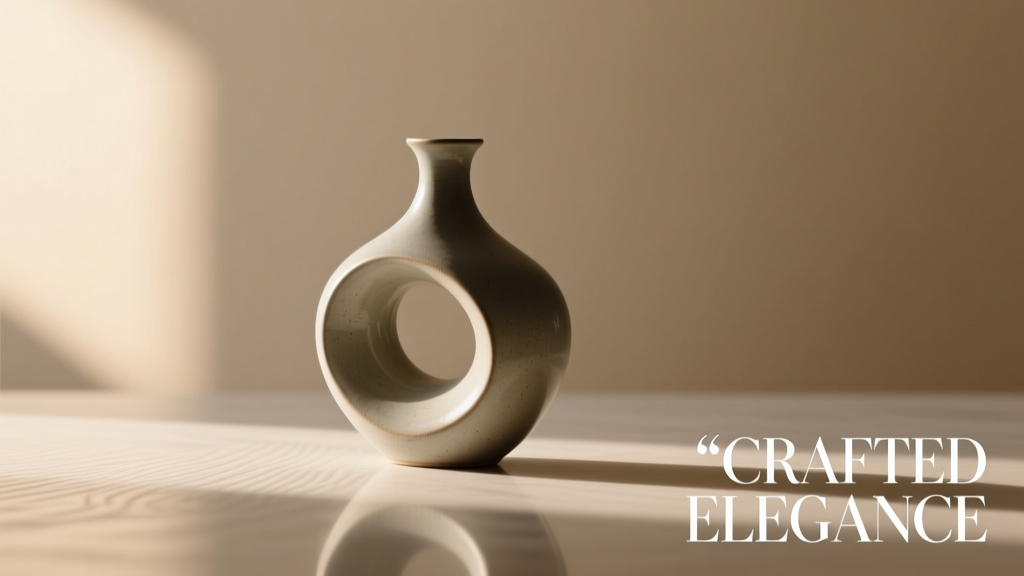
Rooted in centuries-old Andalusian techniques, traditional crafts in Málaga showcase the mastery of local artisans in ceramics, woodwork, and leather goods.
Key Features
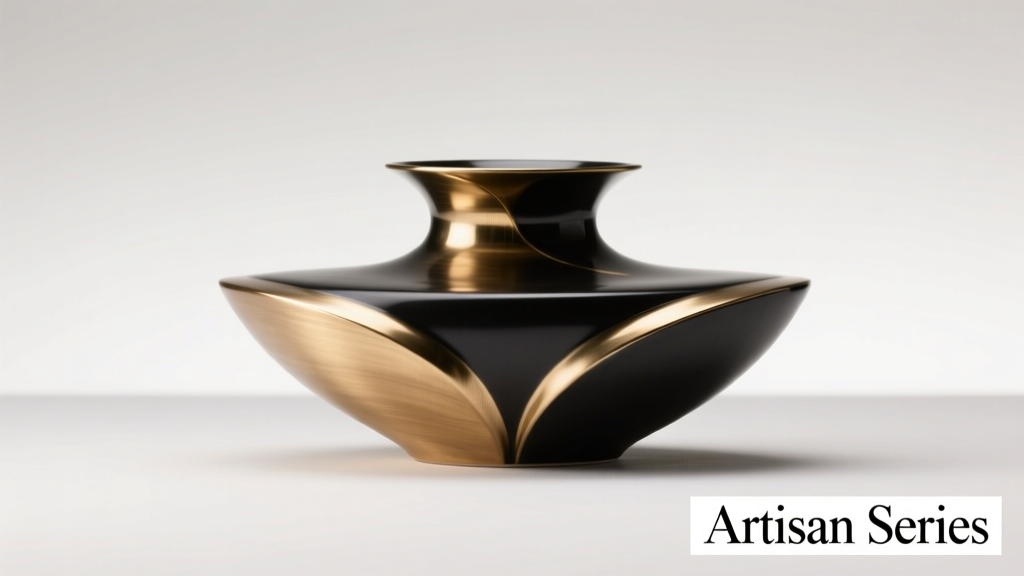
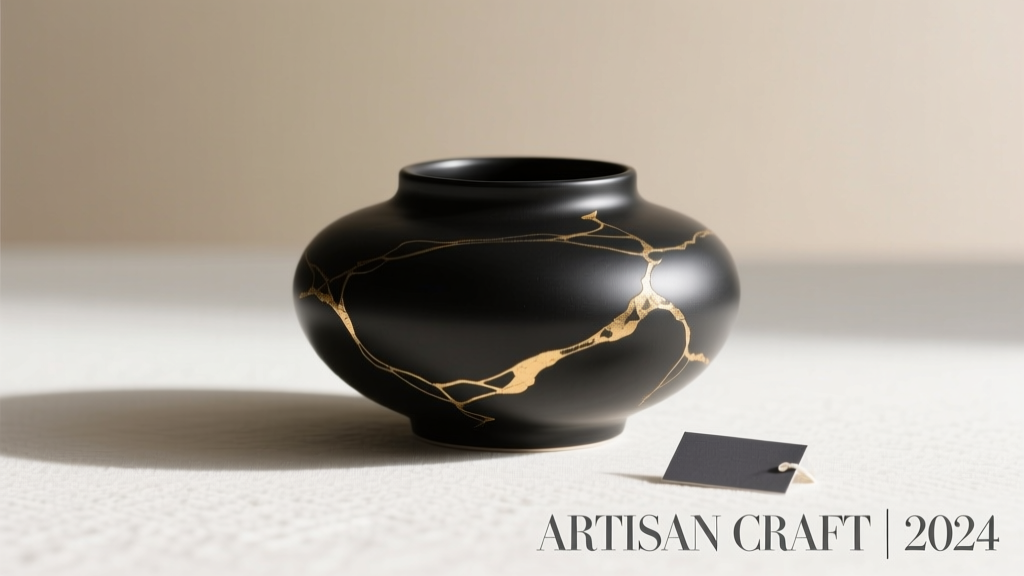
- Ceramics & Azulejos: Hand-painted tiles with intricate geometric and floral patterns, often in cobalt blue, terracotta, and white.
- Woodcraft: Artisans create finely carved furniture, religious figurines, and decorative panels using olive, pine, and walnut wood.
- Leatherwork: Hand-stitched belts, bags, and shoes using traditional methods, often embellished with regional motifs.
Considerations
- Susceptible to environmental damage if not properly maintained.
- Authentic pieces may carry a premium price due to handmade nature.
- Some techniques are being preserved by a shrinking number of master craftsmen.
Best for: Collectors, cultural enthusiasts, and those seeking authentic Andalusian souvenirs.
Painting and Sculpture
Málaga is the birthplace of Pablo Picasso, and his influence permeates the city’s artistic landscape. Museums like the Picasso Museum Málaga house iconic works, while contemporary galleries feature emerging local talent.
Key Features
- Picasso Legacy: Over 200 works by Picasso are on display, offering deep insight into his evolution as an artist.
- Diverse Styles: Artists explore realism, abstract expressionism, surrealism, and neo-figurative art.
- Sculptural Art: Bronze, marble, and mixed-media sculptures are exhibited in public plazas and private collections.
Considerations
- Original artworks can be expensive and require proper documentation.
- Fakes or reproductions may be sold in tourist areas.
- Limited availability of large-scale pieces for casual buyers.
Best for: Art collectors, museum visitors, and those interested in modern and contemporary Spanish art.
Mosaics and Murals
Málaga’s mosaic tradition dates back to Roman times, while modern murals reflect social themes and cultural pride across the cityscape.
Key Features
- Roman Mosaics: Preserved in archaeological sites like the Roman Theatre, showcasing mythological scenes and daily life.
- Andalusian Tile Art: Modern reinterpretations of Islamic-inspired geometric patterns in homes and public spaces.
- Urban Murals: Vibrant street art in neighborhoods like Soho, often created during the Málaga Street Art Festival.
Considerations
- Outdoor murals may fade or be painted over due to weather or new projects.
- Authentic mosaic pieces can be heavy and fragile.
- Some murals are temporary or community-based, not for sale.
Best for: Public art lovers, photographers, and travelers seeking Instagram-worthy cultural spots.
Flamenco and Dance
As a cornerstone of Andalusian culture, flamenco in Málaga is more than dance—it’s a powerful fusion of music, rhythm, and emotion.
Key Features
- Live Performances: Peñas flamencas (flamenco clubs) and tablaos offer nightly shows with singing (cante), guitar (toque), and dance (baile).
- Instrument Craft: Handmade flamenco guitars and castanets are crafted by local luthiers and artisans.
- Cultural Festivals: Events like the Flamenco Biennial celebrate this UNESCO-recognized art form.
Considerations
- High-quality instruments require expert knowledge to evaluate.
- Authentic experiences may be less accessible to non-Spanish speakers.
- Tourist-oriented shows may lack the raw intensity of traditional performances.
Best for: Cultural travelers, music lovers, and those seeking immersive Andalusian experiences.
Hand-Painted Souvenirs
These charming, portable artworks capture the essence of Málaga in colorful, personalized form.
Key Features
- Popular Items: Ceramic plates, bowls, postcards, and figurines painted with local landmarks.
- Symbols of Málaga: Common motifs include the Alcazaba, Gibralfaro Castle, Malaga Cathedral, and citrus fruits.
- Artisan Markets: Sold in Mercado Central, craft fairs, and boutique shops across the city.
Considerations
- Quality varies widely—hand-painted items differ from mass-produced imports.
- Smaller items may be delicate and require careful packing for travel.
- May not appeal to serious art collectors seeking original works.
Best for: Tourists, gift shoppers, and families looking for memorable keepsakes.
| Art Form | Historical Roots | Modern Presence | Accessibility | Ideal For |
|---|---|---|---|---|
| Traditional Crafts | Phoenician, Roman, Islamic | Active artisan workshops | High – markets & studios | Cultural preservation, home décor |
| Painting & Sculpture | 19th–20th century Andalusian art | Museums, galleries, private collections | Medium – requires visit to galleries | Art collectors, Picasso enthusiasts |
| Mosaics & Murals | Roman & Islamic heritage | Public art, festivals, urban renewal | Very High – city-wide visibility | Photographers, street art lovers |
| Flamenco & Dance | Andalusian Romani traditions | Live performances, festivals, music schools | High – nightly shows available | Cultural immersion, music lovers |
| Hand-Painted Souvenirs | 20th century tourist culture | Tourist shops, craft markets | Very High – widely available | Tourists, gift-givers, families |
Expert Tip: When purchasing traditional crafts or souvenirs in Málaga, look for the “Artesanía de Andalucía” certification mark to ensure authenticity and support local artisans. Visit the Casa de Artesanía de Málaga for curated, high-quality pieces.
Designs of Arte Málaga: Tradition, Symbolism, and Innovation
Arte Málaga is a vibrant expression of Andalusian cultural heritage, blending centuries-old craftsmanship with contemporary creativity. Known for its rich visual language, Arte Málaga encompasses a wide range of artistic forms—including ceramics, textiles, jewellery, and decorative tiles—each reflecting the region’s diverse historical influences and natural beauty. From intricate geometric precision to lush floral depictions, the designs of Arte Málaga are both timeless and evolving, making them a cornerstone of Spanish artisanal tradition.
Core Design Elements of Arte Málaga
Geometric Patterns
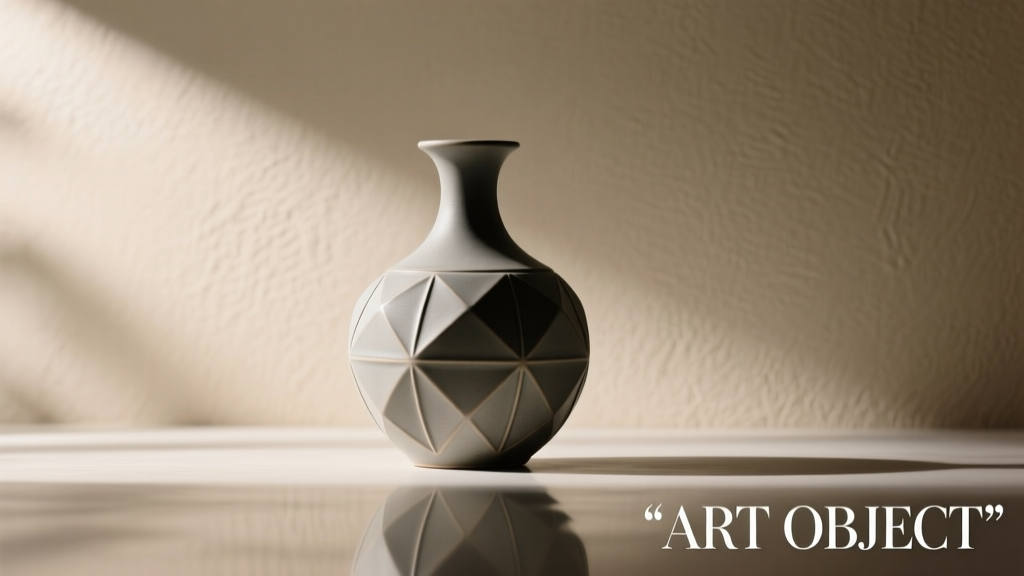
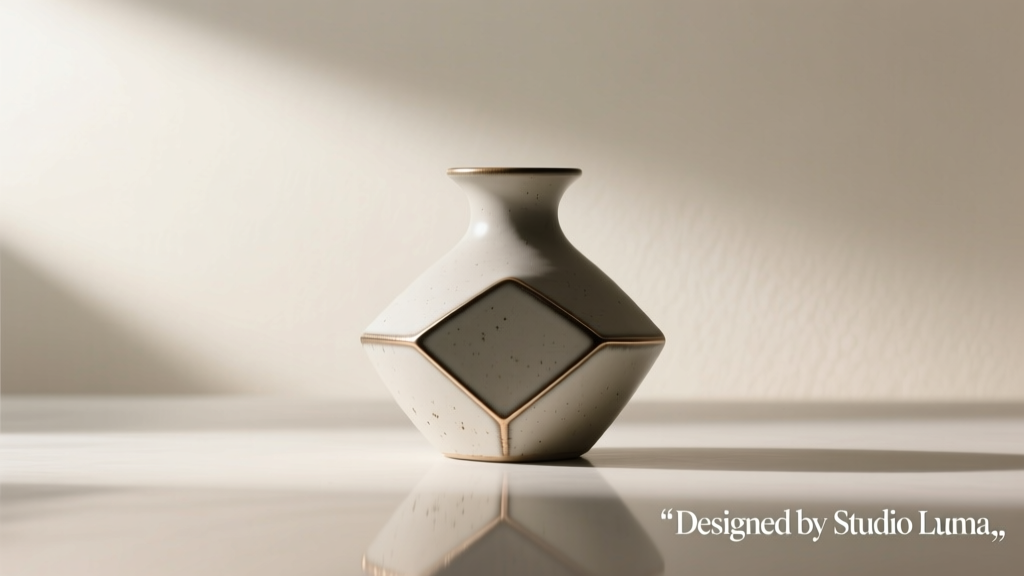
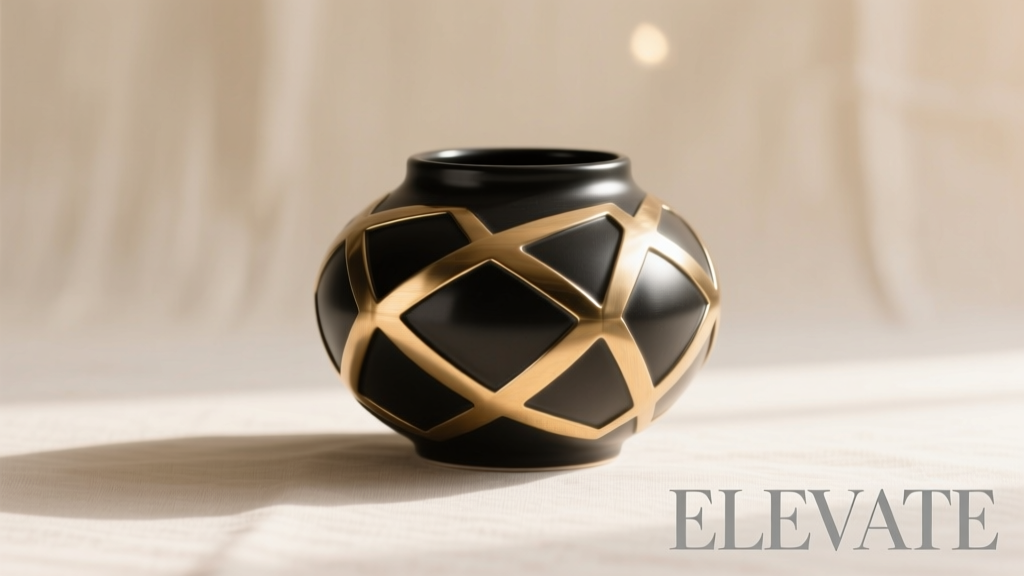
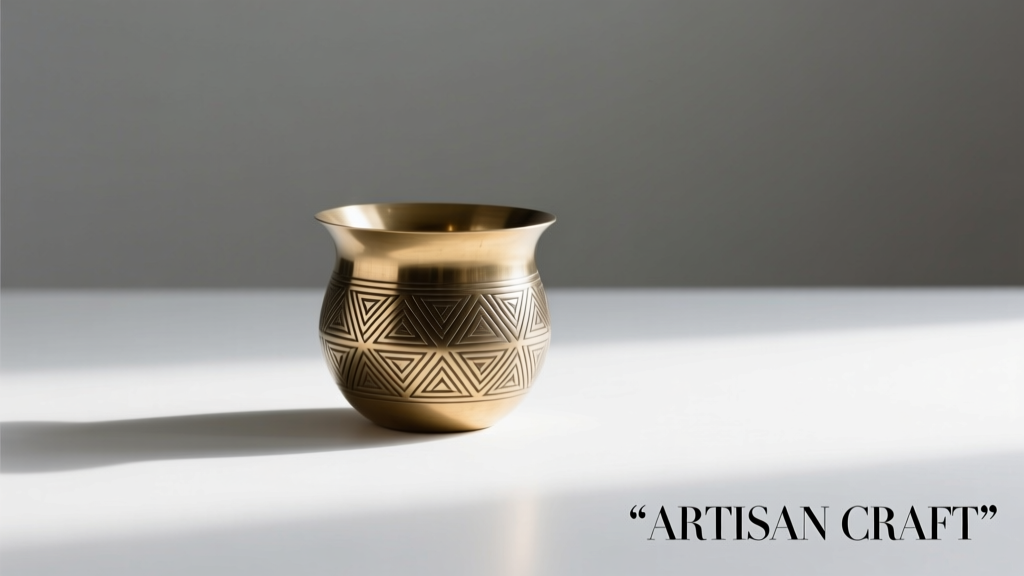
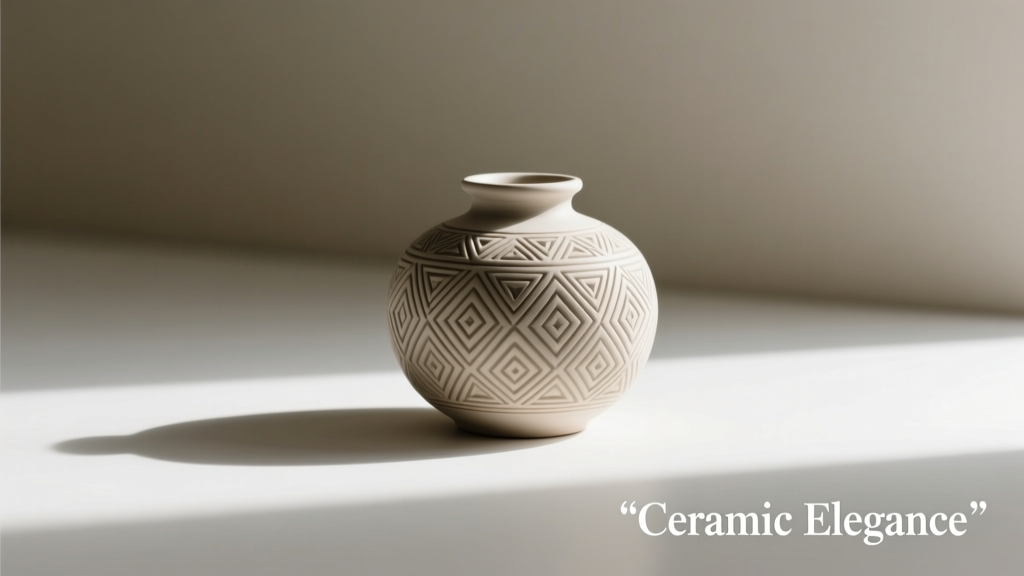
One of the most defining characteristics of Arte Málaga is its use of geometric patterns, deeply rooted in the Islamic artistic legacy that shaped southern Spain. These designs—featuring interlocking stars, hexagons, and intricate latticework—are meticulously crafted in pottery and azulejos (decorative tiles), showcasing mathematical precision and symmetry.
The alternating color schemes, often in cobalt blue, emerald green, and terracotta red, create a striking visual rhythm. These timeless motifs continue to inspire modern architecture and interior design, where they are used to add elegance and cultural depth to homes, restaurants, and public spaces across Spain and beyond.
Floral Motifs
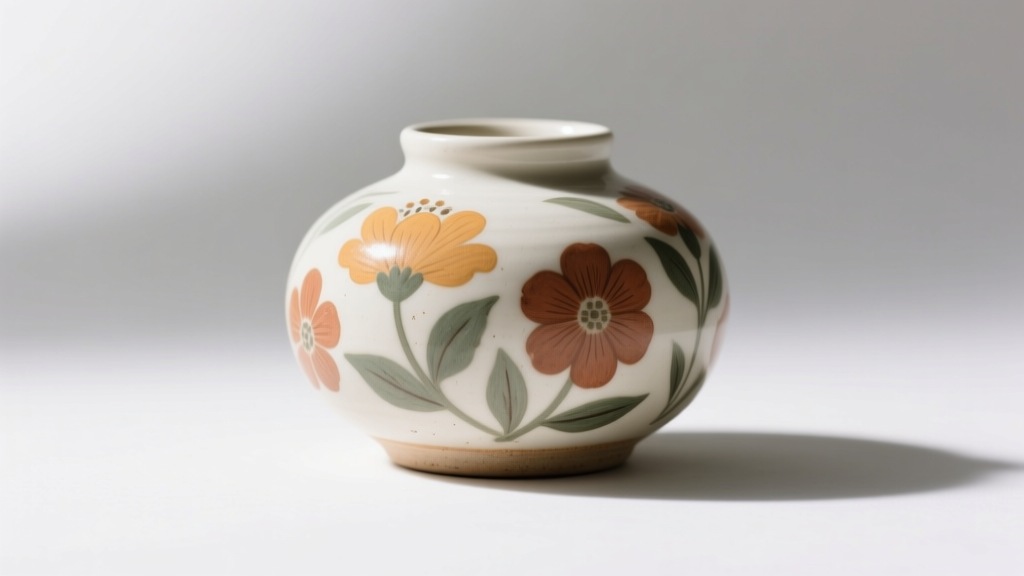
Floral designs are central to the identity of Arte Málaga, drawing inspiration from the Mediterranean landscape that surrounds the city. Artists capture the region’s abundant flora with remarkable detail and vibrancy, often depicting sunflowers, roses, jasmine, and the iconic orange blossoms that perfume Málaga’s streets each spring.
These motifs appear across various media—hand-painted ceramics, embroidered textiles, and decorative wall art—symbolizing growth, beauty, and the joy of life. The use of bold, warm colors and flowing lines gives these designs a sense of movement and vitality, making them a favorite in both traditional and modern decorative contexts.
Fauna Elements
Animals hold symbolic significance in Arte Málaga, with certain creatures recurring across generations of artwork. The eagle, revered as the king of birds, represents strength, freedom, and spiritual elevation. It frequently appears in sculptures, paintings, and ornamental metalwork, often depicted in flight with wings outstretched.
The horse, another iconic symbol, embodies grace, nobility, and Andalusian equestrian tradition. Often illustrated in dynamic poses, horses are featured in murals, ceramic platters, and fine jewellery, reflecting their deep cultural resonance in regional festivals and flamenco performances. These fauna elements add narrative depth and emotional resonance to the artwork.
Andalusian Style
The overarching aesthetic of Arte Málaga is defined by the Andalusian style—a celebration of life, color, and sensory richness. Characterized by curvilinear forms, ornate detailing, and a vivid palette, this style mirrors the warmth and passion of southern Spanish culture.
Artisans skillfully merge classical Andalusian elements—such as wrought-iron influences, Moorish arches, and baroque flourishes—with modern minimalism and abstract touches. This fusion allows Arte Málaga to remain relevant in today’s design world, offering pieces that are both culturally authentic and stylistically contemporary.
Customized and Personal Designs
In response to growing demand—especially from tourists and collectors—Arte Málaga has embraced personalization as a key trend. Artisans now offer bespoke creations, including hand-painted tiles with family names, personalized ceramic plates, and custom-designed jewellery featuring initials or meaningful symbols.
This shift not only enhances the emotional value of the pieces but also transforms them into unique souvenirs and heirloom gifts. Workshops throughout Málaga invite visitors to co-create their own designs, fostering a deeper connection between the artist, the artwork, and the owner. This personal touch ensures that each piece tells a distinct story.
Cultural Significance & Modern Adaptation
Arte Málaga is more than decorative art—it is a living tradition that preserves history while embracing innovation. Each design element, from geometric precision to symbolic fauna, reflects layers of cultural influence: Phoenician, Roman, Islamic, and Christian.
Today, local artisans are revitalizing these traditions through collaborations with designers, participation in international craft fairs, and integration into sustainable fashion and eco-conscious home décor. As a result, Arte Málaga continues to evolve, maintaining its authenticity while reaching global audiences.
| Design Element | Primary Mediums | Cultural Inspiration |
|---|---|---|
| Geometric Patterns | Tiles, Pottery, Metalwork | Islamic Art, Moorish Architecture |
| Floral Motifs | Ceramics, Textiles, Paintings | Mediterranean Flora, Spring Festivals |
| Fauna Elements | Sculptures, Jewellery, Murals | Andalusian Symbolism, Nature Worship |
| Andalusian Style | All Art Forms | Regional Identity, Flamenco Culture |
| Custom Designs | Tiles, Plates, Accessories | Tourism, Personal Expression |
Why Arte Málaga Stands Out
Did You Know? Many Arte Málaga pieces are protected under regional artisanal heritage laws. When purchasing, look for the "Artesanía de Andalucía" certification to ensure authenticity and support ethical craftsmanship. Avoid mass-produced imitations that lack the soul and detail of true handmade works.
How to Choose Arte Málaga: A Complete Buyer’s Guide
Investing in authentic Arte Málaga is more than just a purchase—it's a celebration of Andalusian heritage, craftsmanship, and cultural expression. To ensure your investment is both meaningful and valuable, it's essential to consider several key factors before buying. This guide will help you make informed decisions when selecting genuine Arte Málaga products, from small souvenirs to large decorative masterpieces.
Quality of Craftsmanship
Arte Málaga, often referred to as "malagueña" art, is renowned for its meticulous handcrafting. These pieces reflect generations of artisanal skill, particularly in woodwork, ceramics, and metal inlays. The quality of craftsmanship directly impacts both aesthetic appeal and longevity.
- Purchase from trusted artisans, cooperatives, or certified local markets to ensure authenticity and superior workmanship
- Inspect woodwork for smooth finishes, precise joinery, and absence of splinters or warping
- Examine ceramic pieces for uniform glazing, clean edges, and no cracks or air bubbles
- Look for hand-painted details that show precision and cultural motifs typical of Málaga
Expert tip: Handmade imperfections are often signs of authenticity—avoid items that look too perfect or mass-produced.
Authenticity & Origin
Due to its popularity among tourists, counterfeit Arte Málaga products are common. Genuine pieces support local artists and preserve regional traditions, making authenticity a crucial consideration.
- Always ask for a certificate of authenticity or provenance, especially for high-value items
- Buy directly from artisan workshops in neighborhoods like El Palo, La Merced, or Soho in Málaga
- Look for artist signatures, workshop stamps, or regional labels indicating "Hecho en Málaga" (Made in Málaga)
- Be cautious of extremely low prices—authentic handmade art requires time and skill, which is reflected in cost
Cultural note: Supporting authentic Arte Málaga helps sustain traditional crafts and local economies.
Type of Artifacts
Arte Málaga spans a wide range of items—from functional household goods to ornamental collectibles. Understanding your purpose helps narrow your choices and ensures satisfaction with your purchase.
- Souvenirs & Gifts: Small hand-painted tiles (azulejos), decorative fans, ceramic trinket boxes, or miniature furniture
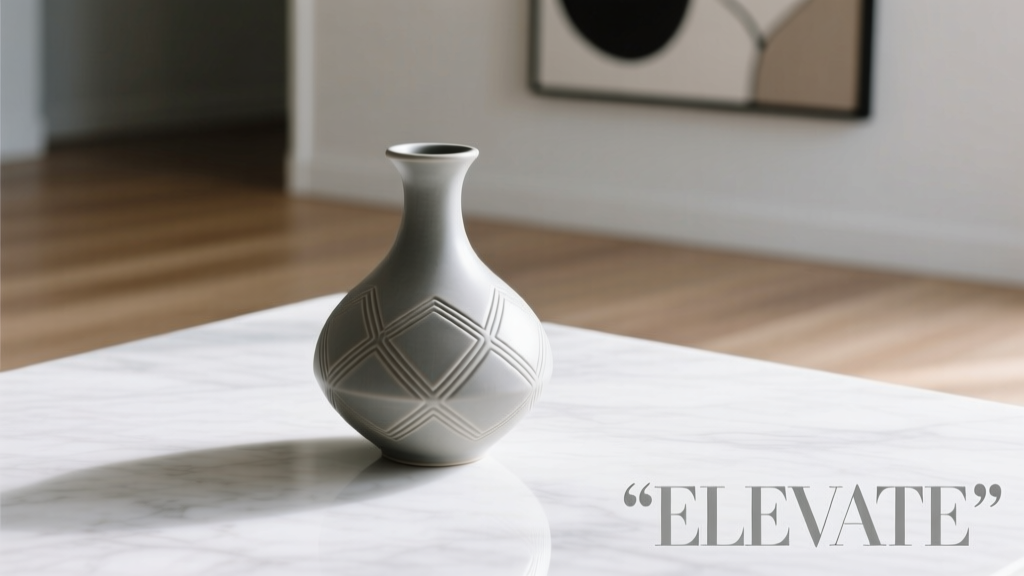
- Home Decor: Large wall art, hand-carved mirrors, wrought iron lanterns, or ceramic vases
- Functional Art: Olive wood cutting boards, ceramic serving trays, or hand-forged kitchen tools
- Furniture: Intricately carved wooden cabinets, tables, or Andalusian-style chairs
Smart choice: Consider the item’s purpose—will it be displayed, used daily, or gifted?
Design & Cultural Significance
The designs in Arte Málaga are deeply rooted in Andalusian history, blending Moorish, Mediterranean, and Spanish influences. Understanding the symbolism enhances your appreciation and connection to the piece.
- Floral and vine patterns symbolize the region’s lush gardens and agricultural abundance
- Geometric Islamic-inspired designs reflect the Moorish legacy in southern Spain
- Maritime motifs (anchors, fish, boats) honor Málaga’s coastal heritage
- Religious or flamenco-themed art connects to local traditions and festivals
Pro tip: Choose designs that resonate with your personal taste or memories of Andalusia for a more meaningful keepsake.
Size & Practical Dimensions
Whether you're shipping internationally or fitting a piece into your home, size matters. Arte Málaga comes in a wide variety of dimensions, so planning ahead prevents logistical issues.
- Small items (under 12 inches): Ideal for gifts, easy to pack, and travel-friendly
- Medium pieces (12–30 inches): Great for shelves, desks, or tabletops—check airline baggage policies
- Large artworks or furniture (over 30 inches): May require special packaging, crating, or freight shipping
- Measure your display space beforehand to ensure proper fit
Important: Delicate ceramics or wooden items may need custom padding for safe transport.
Functionality vs. Decoration
Decide whether you want a purely decorative piece or something that combines beauty with utility. Many Arte Málaga items are designed to be both artistic and practical.
- Functional options: Olive wood kitchenware, ceramic pitchers, or hand-painted serving trays
- Decorative-only: Framed art, sculptural figures, or ornamental wall hangings
- Dual-purpose: Wrought iron wall hooks with floral designs, or ceramic lamps with hand-painted shades
- Consider maintenance—ceramic and wood may require special care to preserve finish
Value insight: Functional art offers daily enjoyment and long-term utility, increasing its sentimental and practical worth.
Professional Recommendation: For first-time buyers, start with a mid-sized, functional item like a hand-painted ceramic plate or olive wood bowl. These pieces are affordable, easy to transport, and showcase the essence of Arte Málaga. As you grow more familiar with the styles and quality, consider investing in larger or limited-edition works from recognized artisans.
| Purchase Purpose | Recommended Item Type | Average Price Range (€) | Portability |
|---|---|---|---|
| Gift or souvenir | Miniature azulejo, fan, or trinket box | 10–30 | High – fits in carry-on |
| Home decoration | Medium ceramic vase or wall art | 50–120 | Medium – check luggage allowance |
| Functional use | Olive wood board or ceramic tray | 40–90 | High – durable and packable |
| Investment piece | Hand-carved furniture or signed artwork | 200–1000+ | Low – may require shipping |
Additional Tips for Buyers
- Seasonal Markets: Visit Feria de Málaga or Christmas craft fairs for the widest selection and direct access to artisans
- Custom Orders: Many artisans accept commissions for personalized pieces—ideal for unique gifts
- Preservation: Keep wooden items away from direct sunlight and humidity; dust ceramics gently with a soft cloth
- Ethical Sourcing: Support fair-trade cooperatives that pay artisans fairly and promote sustainable practices
- Insurance: For high-value purchases, consider travel or home insurance that covers art and antiques
Scenarios for Arte Málaga: Bringing Andalusian Culture to Life
Arte Málaga represents the vibrant artistic soul of southern Spain, deeply rooted in the traditions, history, and craftsmanship of the Andalusian region. From intricate ceramics to expressive flamenco-inspired sculptures, this art form transcends mere decoration—it tells stories, preserves heritage, and fosters cultural connection. Its versatility allows it to thrive in a wide range of settings, making it ideal for personal, commercial, and educational use. Below are six key scenarios that showcase the diverse applications of Arte Málaga, highlighting its cultural significance and functional beauty.
Cultural Note: Arte Málaga is more than just visual art—it's a living tradition. Many pieces are handcrafted using techniques passed down through generations, often incorporating motifs from Moorish architecture, Catholic iconography, and Mediterranean nature. Supporting these creations helps sustain local artisans and preserve Spain’s intangible cultural heritage.
1. Souvenirs for Tourists: Authentic Mementos of Málaga
For visitors exploring the sun-drenched streets of Málaga, Arte Málaga offers meaningful souvenirs that go beyond generic trinkets. These handcrafted items serve as tangible connections to the city’s rich cultural tapestry, allowing tourists to take home a piece of authentic Andalusian life.
- Decorated Ceramic Plates: Often painted with scenes of the Alcazaba, flamenco dancers, or traditional festivals, these plates are both decorative and symbolic.
- Hand-Painted Fans (Abanicos): Functional and artistic, these fans feature intricate designs and are especially popular during summer festivals.
- Miniature Sculptures: Small terracotta or wood carvings depicting local icons such as fishermen, bullfighters, or Gibralfaro Castle.
These souvenirs not only support local economies but also promote cultural exchange by introducing global audiences to Málaga’s artistic legacy.
2. Home Decor: Infusing Spaces with Andalusian Charm
Arte Málaga elevates interior design by blending aesthetic beauty with deep cultural resonance. Whether used in traditional Andalusian homes or modern minimalist spaces, these artworks add warmth, color, and storytelling depth.
- Paintings and Murals: Featuring coastal landscapes, historic plazas, or abstract interpretations of flamenco movements.
- Ceramic Tiles (Azulejos): Hand-glazed tiles used as kitchen backsplashes, bathroom accents, or wall art, often displaying geometric Moorish patterns or floral motifs.
- Handcrafted Lamps and Mirrors: Wrought iron frames with colored glass or tile inlays, inspired by centuries-old craftsmanship.
Each piece becomes a focal point, sparking conversation and reflecting the owner’s appreciation for artisanal quality and cultural authenticity.
3. Cultural Events and Exhibitions: Celebrating Living Traditions
Arte Málaga is central to the city’s cultural calendar, playing a dynamic role in festivals, exhibitions, and community workshops. These events not only display finished works but also invite public participation in the creative process.
- Artisan Markets and Festivals: Events like the Feria de Málaga feature stalls where visitors can watch artisans at work and purchase original pieces.
- Interactive Workshops: Hands-on sessions in ceramic painting, leather tooling, or tile making allow participants to create their own Arte Málaga keepsakes.
- Flamenco-Integrated Exhibits: Art displays often coincide with live flamenco performances, creating immersive experiences that engage sight, sound, and emotion.
These gatherings reinforce community identity and ensure the continuity of traditional skills in a modern context.
4. Gifts: Thoughtful and Meaningful Presentations
In a world of mass-produced items, Arte Málaga stands out as a deeply personal and culturally rich gift option. Whether for birthdays, anniversaries, or housewarmings, these pieces carry emotional weight and narrative depth.
- Hand-Painted Tile Coasters or Plaques: Customizable with names, dates, or messages, ideal for commemorating a visit to Málaga.
- Flamenco Dancer Figurines: Delicately sculpted in clay or porcelain, symbolizing passion, rhythm, and Spanish artistry.
- Custom Leather Goods: Wallets, journals, or pouches embossed with Andalusian patterns, crafted by local leatherworkers.
Gifting Arte Málaga is not just about the object—it’s about sharing a story, a tradition, and a piece of Spanish soul.
5. Workplaces: Inspiring Creativity and Cultural Connection
Integrating Arte Málaga into office environments enhances ambiance, fosters creativity, and reflects an appreciation for global cultures. These elements humanize corporate spaces and create a more inviting atmosphere.
- Wall Art and Murals: Large-scale paintings or tile installations depicting Málaga’s skyline or maritime history.
- Functional Decor: Ceramic pen holders, wooden desk organizers, or wrought iron nameplates crafted by local artists.
- Reception Area Displays: Sculptures or curated collections that welcome clients with a sense of place and cultural pride.
In multicultural companies or tourism-related industries, Arte Málaga can also serve as a branding element, reinforcing identity and values.
6. Educational Purposes: Teaching Through Art and Craft
Schools, universities, and cultural centers use Arte Málaga as a powerful educational tool to teach history, art techniques, and regional identity. It provides a multidisciplinary approach to learning that combines theory with hands-on experience.
- Curriculum Integration: Art and history classes explore the influence of Phoenician, Roman, and Moorish civilizations on Málaga’s artistic evolution.
- Student Workshops: Learners practice traditional methods like ceramic glazing, stencil painting, or leather stamping under artisan guidance.
- Museum Collaborations: Institutions such as the Museo Picasso Málaga or Museo de Arte Flamenco offer guided tours and educational programs centered on local art forms.
These initiatives help students develop fine motor skills, cultural empathy, and a deeper understanding of heritage preservation.
| Application | Cultural Value | Ideal For | Recommended Arte Málaga Items |
|---|---|---|---|
| Souvenirs | Promotes cultural exchange and supports local artisans | Tourists, gift shops, travel agencies | Ceramic plates, hand fans, mini sculptures |
| Home Decor | Enhances living spaces with authentic regional character | Homeowners, interior designers | Azulejo tiles, paintings, ironwork lamps |
| Cultural Events | Preserves traditions through public engagement | Festivals, museums, community centers | Exhibition pieces, workshop kits |
| Gifts | Offers meaningful, story-rich presents | Special occasions, corporate gifting | Custom tiles, figurines, leather goods |
| Workplaces | Creates inspiring, culturally enriched environments | Offices, hotels, cultural institutions | Wall art, desk accessories, sculptures |
| Educational Use | Teaches history, art, and craftsmanship | Schools, universities, workshops | Learning kits, demonstration pieces |
Expert Tip: When purchasing Arte Málaga, look for authenticity markers such as handmade craftsmanship, local materials, and artist signatures. Supporting certified artisans or cooperatives ensures ethical sourcing and helps sustain traditional practices for future generations.
Conclusion: The Enduring Relevance of Arte Málaga
From personal keepsakes to public installations, Arte Málaga continues to evolve while honoring its roots. Its adaptability across contexts—tourism, design, education, and beyond—demonstrates its enduring appeal and cultural significance. By embracing these artistic expressions, individuals and institutions contribute to the preservation of Andalusia’s heritage and inspire a deeper appreciation for the beauty of handmade tradition. Whether displayed in a home, gifted to a loved one, or used to teach a new generation, Arte Málaga remains a vibrant testament to the soul of southern Spain.
Frequently Asked Questions About Arte Málaga
Q1: What is Arte Málaga?Arte Málaga refers to the rich and diverse body of artistic creations and traditional crafts originating from Málaga, a vibrant coastal city in southern Spain. As a cultural hub in the Andalusia region, Málaga has nurtured a unique artistic identity shaped by centuries of historical influences—including Phoenician, Roman, Islamic, and Christian civilizations.
This artistic tradition spans a wide array of mediums, such as:
- Paintings: From classical religious works to modern abstract expressions, often inspired by the region’s dramatic landscapes and Mediterranean light.
- Sculptures: Stone, wood, and metal works that reflect both religious devotion and contemporary themes.
- Ceramics: Hand-painted pottery and tiles featuring intricate Moorish-inspired patterns and bright, sun-drenched colors.
- Textiles and Embroidery: Traditional garments like flamenco dresses adorned with detailed handwork.
- Local Crafts: Items such as hand-carved olive wood, esparto grass weaving, and decorative fans.
Collectively, Arte Málaga serves as a living testament to the city’s creative spirit and cultural depth.
Q2: Why is Arte Málaga important?Arte Málaga holds significant cultural, historical, and social value for several reasons:
- Cultural Identity: It preserves and promotes the unique heritage of Málaga, distinguishing it within Spain’s diverse regional art scenes.
- Historical Continuity: The evolution of local art reflects broader historical shifts, from ancient civilizations to modern globalization.
- Economic Contribution: Artisan crafts and galleries support local economies through tourism, exports, and creative industries.
- Educational Value: Museums, workshops, and public art installations educate both residents and visitors about Andalusian traditions and artistic innovation.
- National Significance: As part of Spain’s artistic mosaic, Arte Málaga contributes to the country’s global reputation for rich cultural expression.
By celebrating local artists and preserving traditional techniques, Arte Málaga ensures that future generations remain connected to their roots while embracing artistic evolution.
Q3: How is Arte Málaga influenced by Pablo Picasso?The influence of Pablo Picasso, one of the most revolutionary artists of the 20th century and a native of Málaga (born in 1881), is deeply woven into the fabric of Arte Málaga:
- Birthplace Legacy: Málaga proudly claims Picasso as its most famous artistic son. His childhood home is now the Picasso Birthplace Museum, a major cultural landmark.
- Artistic Inspiration: Many contemporary artists in Málaga draw from Picasso’s bold use of form, color, and abstraction, especially his Cubist innovations.
- Thematic Influence: Themes of identity, emotion, and social commentary—central to Picasso’s work—resonate in modern local art.
- Institutional Support: The Museo Picasso Málaga, opened in 2003, houses over 200 of his works and serves as a center for artistic education and international exhibitions.
- Global Recognition: Picasso’s association has elevated Málaga’s status on the global art stage, attracting collectors, curators, and tourists interested in both his legacy and emerging local talent.
As a result, Arte Málaga carries a distinctive modernist character that sets it apart from other regional art traditions in Spain.
Q4: How can one differentiate original Arte Málaga from replicas?With the growing popularity of Arte Málaga, distinguishing authentic pieces from mass-produced imitations is crucial for collectors and enthusiasts. Here are key ways to verify authenticity:
| Aspect | Authentic Arte Málaga | Replicas or Imitations |
|---|---|---|
| Origin | Made by local artisans in Málaga or nearby Andalusian towns. | Often mass-produced in factories outside Spain. |
| Craftsmanship | Handmade with attention to detail; slight imperfections are common and indicate authenticity. | Machine-made, uniform, and overly perfect in appearance. |
| Materials | Natural, locally sourced materials (e.g., terracotta, olive wood, natural pigments). | Synthetic or low-cost substitutes (e.g., plastic, printed decals). |
| Documentation | Comes with a certificate of authenticity, artist signature, or workshop stamp. | No documentation or vague labeling (e.g., “Made in Europe” or “Spanish style”). |
| Purchase Location | Bought directly from artisan markets, certified galleries, or official cultural centers. | Sold in tourist shops, online marketplaces, or generic souvenir stores. |
To ensure you're acquiring genuine Arte Málaga, visit reputable venues like the Centro de Arte Contemporáneo, local craft fairs, or workshops in the historic center. Engaging directly with artists can also provide insight into the creative process and provenance of the piece.
Q5: Are there any modern influences on Arte Málaga?Yes, Arte Málaga is experiencing a dynamic renaissance as younger generations of artists blend traditional craftsmanship with modern techniques and global influences:
- Contemporary Materials: Artists are experimenting with recycled materials, resins, digital prints, and mixed media to create innovative works.
- Digital Art & Technology: Some creators integrate projection mapping, augmented reality, or 3D printing into installations, especially in urban art projects.
- Street Art Movement: Málaga’s alleys and public spaces have become canvases for vibrant murals that combine local symbolism with global street art trends.
- Fusion Styles: Modern painters merge traditional Andalusian motifs with abstract expressionism, surrealism, or pop art aesthetics.
- Sustainability Focus: Eco-conscious artisans are reviving ancient techniques using sustainable practices, such as natural dyeing and zero-waste design.
- Global Collaboration: International artist residencies and cultural exchanges are fostering cross-border creativity while maintaining a strong local identity.
This fusion of old and new ensures that Arte Málaga remains not only a reflection of the past but also a forward-looking, evolving art movement that resonates with contemporary audiences worldwide.