
Subscription boxes have exploded in popularity over the past decade. From beauty and snacks to clothing and pet toys, there’s a curated box for nearly every interest. Marketed as convenient, personalized, and cost-effective, these services promise value with every delivery. But beneath the glossy packaging and surprise factor lies a critical question: Are subscription boxes actually saving you money—or quietly draining your wallet?
The answer isn’t straightforward. For some consumers, subscription boxes deliver genuine savings and joy. For others, they become recurring expenses that add up faster than expected. To make an informed decision, it’s essential to examine the true cost structure, psychological triggers, and long-term financial impact of these services.
Understanding the Subscription Box Model
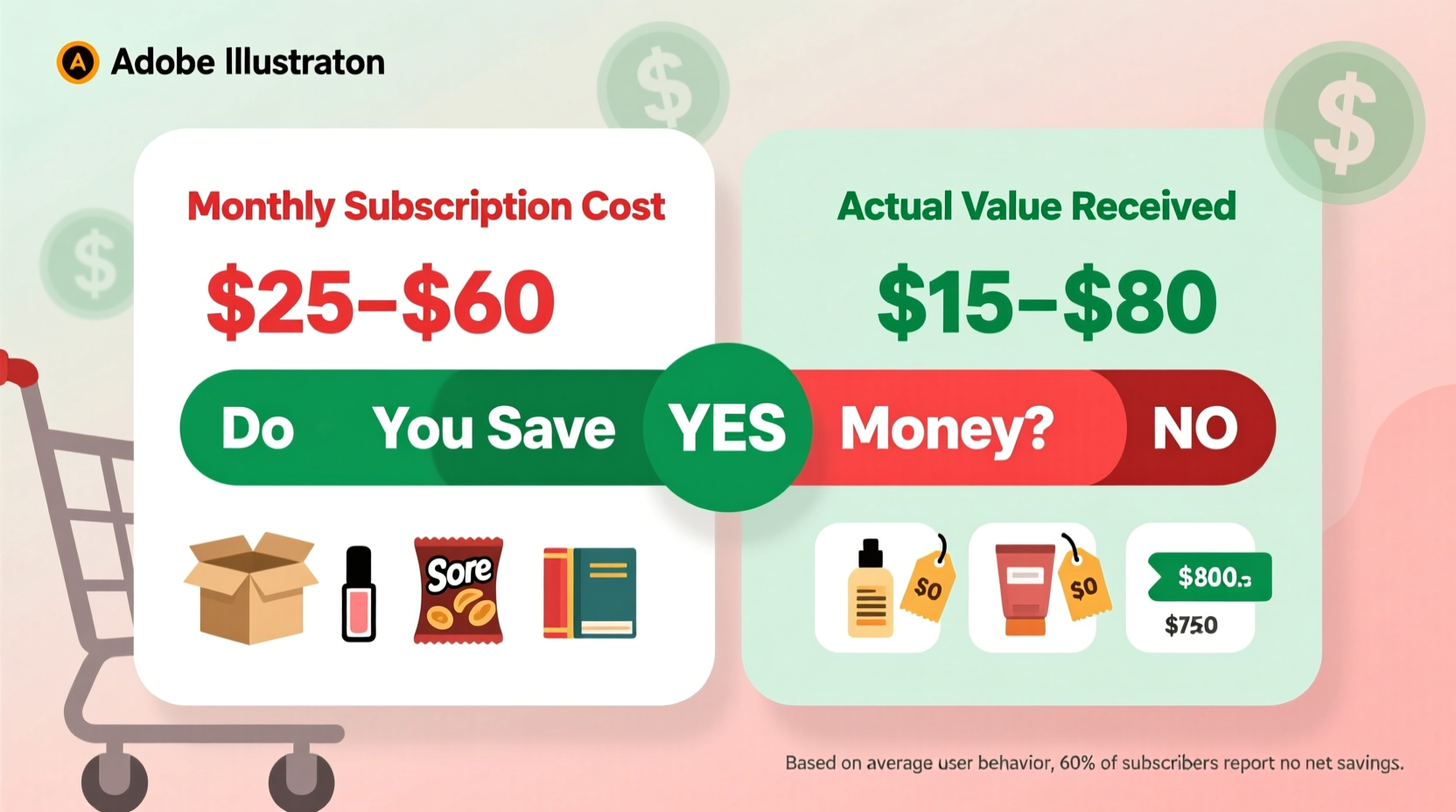
At their core, subscription boxes operate on a recurring revenue model. Customers pay a monthly, bi-monthly, or quarterly fee in exchange for a curated package of products. These can range from full-sized retail items to exclusive samples and limited-edition goods. The appeal often lies in discovery—trying new brands, receiving expert curation, and enjoying the \"unboxing\" experience.
However, pricing varies widely. A basic snack box might cost $15 per month, while premium beauty or apparel boxes can exceed $40. Some services offer tiered pricing based on product quantity or exclusivity. While many companies advertise a “value” (e.g., “$80 worth of products for only $30”), this claimed value is often inflated or based on retail MSRPs rather than actual market prices.
Tip: Always compare the actual retail price of included items using online marketplaces—not the brand’s suggested retail price—to assess real value.The Hidden Costs Behind the Convenience
Convenience has a price, and subscription boxes are no exception. While the upfront cost may seem modest, several hidden factors contribute to their overall expense:
- Shipping fees: Many boxes include shipping in the base price, but international or expedited deliveries can add extra charges.
- Tax implications: Depending on your state or country, subscription services may be subject to sales tax not reflected in advertised rates.
- Unused or unwanted items: If you receive products you don’t use or already own, the effective cost per useful item rises significantly.
- Auto-renewal traps: Forgotten subscriptions continue billing unless canceled, leading to months of unused service.
A 2023 study by the Consumer Financial Protection Bureau found that the average American spends $219 annually on digital and physical subscription services—many of which go underutilized. Subscription boxes fall squarely into this category, where emotional appeal often overrides rational spending habits.
“Consumers tend to overestimate the utility of subscription boxes because they focus on the novelty, not the long-term usage rate.” — Dr. Lena Torres, Behavioral Economist at MIT
When Subscription Boxes Save You Money
Despite the risks, subscription boxes can offer real financial benefits—if used strategically. Here are scenarios where they genuinely save money:
- You’re replacing higher-cost purchases: If you regularly buy gourmet coffee or luxury skincare, a curated box offering those same items at a discount can reduce your overall spending.
- Bulk buying through subscriptions: Services like Dollar Shave Club or pet food subscriptions lock in lower prices through economies of scale.
- Exclusive access reduces trial costs: Beauty boxes like Sephora’s Play! allow sampling high-end products without purchasing full sizes, helping avoid costly mismatches.
- Loyalty rewards and member discounts: Long-term subscribers often gain access to special deals, early releases, or free shipping on additional purchases.
In these cases, the subscription acts as a tool for smarter consumption rather than impulse spending. The key is intentionality: knowing what you need, how often you’ll use it, and whether the box aligns with those needs.
When They Cost More Than Retail
On the flip side, subscription boxes often end up being more expensive than buying individually. This happens when:
- The contents are low-quality or generic versions of popular brands.
- The “value” is artificially inflated (e.g., claiming a $75 value for items that sell online for $35).
- You duplicate products you already own or rarely use.
- The frequency doesn’t match your usage rate (e.g., getting socks monthly when you only wear them weekly).
Consider this real-world example:
Mini Case Study: The Skincare Enthusiast
Sophia, a 32-year-old marketing professional, subscribed to a premium beauty box for $39/month. Each box promised $100+ in full-sized skincare and makeup. After six months, she tallied her haul: 12 products totaling an advertised value of $600. But when she checked current Amazon and Sephora prices, the actual market value was just $287. She had spent $234 for $287 worth of products—barely breaking even. Worse, four items were duplicates of products she already owned, and two expired before use. Her net effective cost? Over $50 per usable product.
Had Sophia bought only the items she needed, she could have saved at least $100 and avoided clutter.
Comparing Real Value: A Side-by-Side Analysis
To help evaluate whether a subscription box makes financial sense, here’s a comparison of common box types versus retail alternatives:
| Box Type | Monthly Cost | Avg. Advertised Value | Real Market Value | Net Savings/Loss |
|---|---|---|---|---|
| Beauty Sampler (e.g., Ipsy) | $12 | $50 | $20 | +$8 (vs. buying full sizes) |
| Premium Skincare Box | $40 | $120 | $65 | –$25 (overpaid) |
| Snack Box (International) | $25 | $45 | $30 | –$5 (slight loss) |
| Dollar Shave Club (Basic) | $6 | N/A | $15 (retail equivalent) | +$9 savings |
| Wardrobe Styling Box | $20 rental fee | N/A | $80 (items worn) | +$60 if kept; $20 loss if returned |
This table illustrates a crucial point: not all boxes are created equal. Low-cost sampler boxes often provide modest savings through discovery, while high-end boxes frequently overpromise on value. Subscription models tied to rentals or consumables (like razors) tend to offer clearer financial advantages.
Tip: Calculate the real cost per use. If you spend $30 on a box but only use one item worth $15, you’ve effectively paid $15 for that single product—likely more than retail.Smart Strategies to Maximize Value
If you enjoy subscription boxes, you don’t need to quit entirely. Instead, adopt a strategic approach to ensure you’re getting real value. Follow this checklist to stay in control:
Checklist: How to Use Subscription Boxes Wisely
- ✅ Track every charge and item received in a spreadsheet or notes app.
- ✅ Research the actual resale or retail price of each product online.
- ✅ Cancel after the first box if value doesn’t meet expectations.
- ✅ Choose customizable boxes that let you skip or swap items.
- ✅ Set calendar reminders to review renewals before billing dates.
- ✅ Avoid multiple overlapping subscriptions (e.g., two snack boxes).
- ✅ Use cashback apps or credit card rewards to offset costs.
Additionally, consider starting with a one-time purchase instead of auto-renewing. Many services offer a “first box” deal that lets you test the concept without commitment.
Step-by-Step Guide to Evaluating a Subscription Box
Before signing up, follow this five-step evaluation process:
- Define Your Need: Ask why you want the box. Is it convenience, discovery, or necessity? If it’s purely for entertainment, treat it as discretionary spending.
- Analyze Past Spending: Review how much you currently spend on similar items. If you buy $20 of snacks monthly, a $25 snack box likely isn’t saving you money.
- Read Unbiased Reviews: Look beyond company testimonials. Check Reddit threads, YouTube reviews, and consumer forums for honest feedback.
- Calculate Per-Use Cost: Divide the box price by the number of items you’ll actually use. A $30 box with three usable items costs $10 each—compare that to retail.
- Test and Reassess: Subscribe for one cycle. After receiving it, ask: Would I have bought these items separately? Did I save money? Was it worth the time and space?
This method turns emotional decisions into data-driven choices, reducing the risk of ongoing overspending.
Frequently Asked Questions
Do subscription boxes really offer good value?
Some do, especially those focused on consumables with bulk pricing (like razors or pet food). However, most lifestyle or luxury boxes exaggerate their value. Always verify the real market price of included items before deciding.
How can I cancel a subscription easily?
Log into your account on the company’s website and look for “Subscription Settings” or “Manage Plan.” Avoid calling customer service unless necessary—most reputable companies allow online cancellation. Use tools like Truebill or Rocket Money to track and cancel forgotten subscriptions automatically.
Are there tax benefits to subscription boxes?
Generally, no. Personal subscription boxes are considered non-deductible consumer expenses. However, if you’re a content creator or small business owner using boxes for reviews or inventory, consult a tax professional about potential deductions.
Conclusion: Make Subscriptions Work for You, Not Against You
Subscription boxes aren’t inherently wasteful—but they demand scrutiny. The line between saving money and overspending hinges on awareness, usage, and intentionality. For some, these services streamline shopping and introduce valuable products. For others, they become silent budget leaks disguised as fun surprises.
The most financially savvy consumers don’t reject subscriptions altogether—they optimize them. They choose services aligned with real needs, track value meticulously, and cancel without guilt when the math doesn’t add up. In a world of automatic renewals and persuasive marketing, being a conscious subscriber is the ultimate form of financial self-defense.
🚀 Ready to audit your subscriptions? Take 15 minutes today to review every recurring charge. Cancel one that doesn’t deliver real value—and redirect that money toward a goal that matters to you.