War has shaped civilizations, redrawn borders, and influenced every aspect of human society. For those drawn to understanding its causes, consequences, and complexities, few resources are as revealing as well-crafted books. From firsthand accounts of soldiers in the trenches to strategic analyses by military historians, the literature on war spans genres, eras, and perspectives. This curated list highlights ten essential books that deliver not only historical accuracy but also profound insight into leadership, courage, suffering, and the enduring impact of conflict.
The Power of War Literature
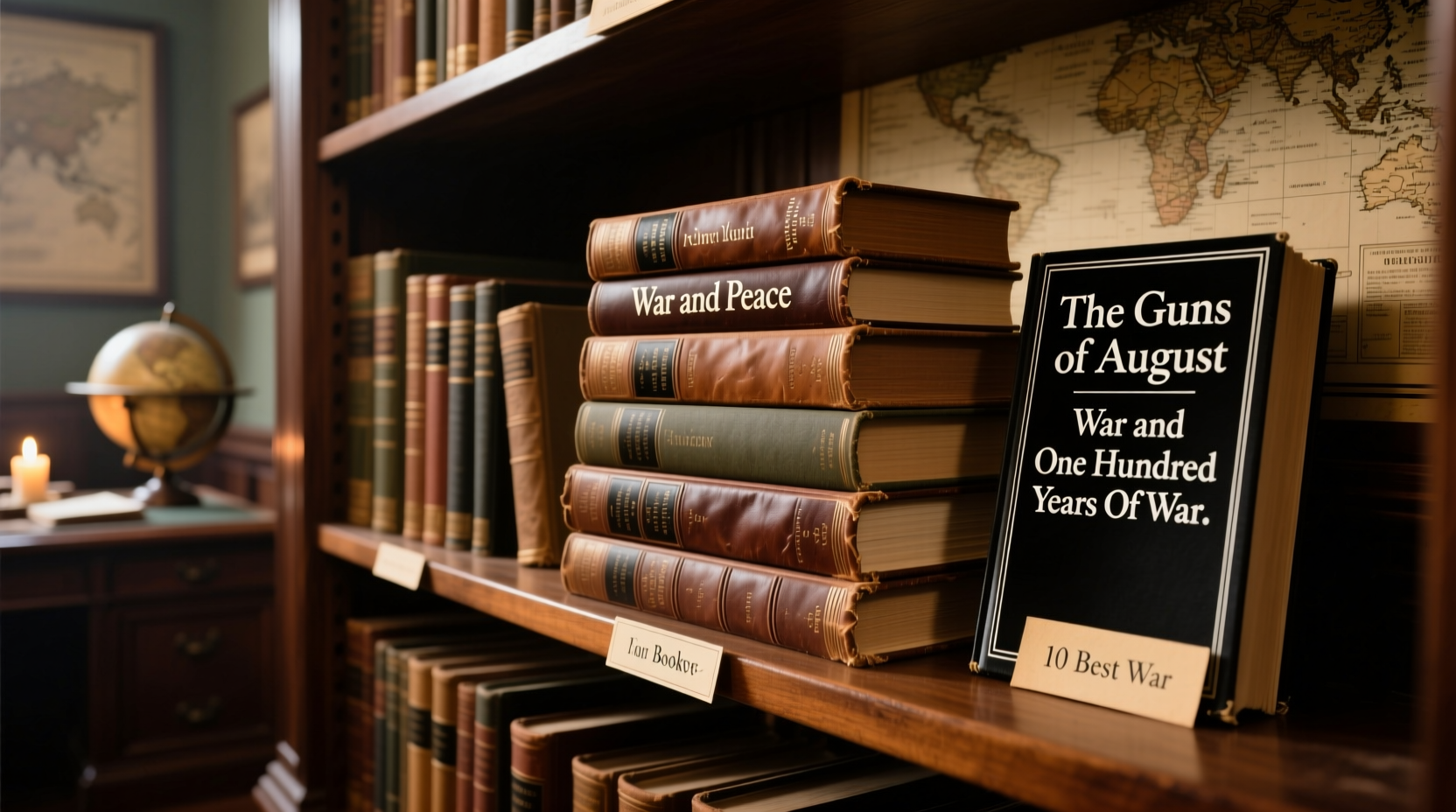
Books about war go beyond battle statistics or political timelines. The best ones immerse readers in the lived experience of war—its chaos, moral ambiguity, and emotional toll. Whether exploring ancient warfare or modern asymmetric conflicts, these works help contextualize how nations rise and fall through force, ideology, and sacrifice. They serve both as warnings and as records of resilience.
For history enthusiasts, students, or general readers, selecting which books to read can be overwhelming. The following list prioritizes depth of analysis, narrative strength, and lasting influence. Each entry offers something unique: a soldier’s voice, a historian’s clarity, or a philosopher’s reflection on violence.
Top 10 Books on War: A Curated Selection
- The Face of Battle by John Keegan – A groundbreaking study comparing Agincourt, Waterloo, and the Somme, focusing not on generals but on the infantryman’s experience. Keegan dismantles romanticized views of warfare with meticulous research.
- With the Old Breed by E.B. Sledge – A raw, unflinching memoir of combat in the Pacific during WWII. Sledge, a Marine biologist turned rifleman, captures the horror and camaraderie of island warfare like no other.
- Ghosts of the Tsunami by Richard Lloyd Parry – While centered on a natural disaster, this book examines trauma, survival, and collective memory—themes deeply relevant to postwar societies.
- The Guns of August by Barbara Tuchman – A Pulitzer-winning narrative of the first month of World War I. Tuchman masterfully illustrates how miscalculation, pride, and outdated tactics led to unprecedented slaughter.
- On War by Carl von Clausewitz – A foundational text in military theory. Though dense, its exploration of war as “a continuation of politics by other means” remains essential reading for strategists and scholars.
- Dispatches by Michael Herr – A visceral, literary account of the Vietnam War. Herr’s prose blends journalism with poetry, conveying the psychological disintegration of soldiers and the surreal nature of guerrilla conflict.
- A Bright Shining Lie by Neil Sheehan – A biography of Lt. Col. John Paul Vann, this book dissects American delusion in Vietnam. It’s as much about institutional failure as individual tragedy.
- The Second World War by Antony Beevor – A comprehensive yet accessible single-volume history. Beevor balances global scope with personal stories, covering Eastern Front horrors and Western campaigns alike.
- Killing Patton by Bill O'Reilly and Martin Dugard – Part of the \"Killing\" series, this dramatized but well-researched account explores General George S. Patton’s role and controversial death, appealing to readers who prefer narrative-driven history.
- Homage to Catalonia by George Orwell – Orwell’s eyewitness report from the Spanish Civil War reveals ideological fractures within anti-fascist forces. It’s a crucial reminder that war is often as much about internal struggle as external enemies.
Comparing Approaches to War Writing
Different books serve different purposes. Some focus on grand strategy, others on personal trauma. Understanding the author’s intent helps readers choose wisely. The table below categorizes key titles by genre, perspective, and accessibility.
| Book | Author | Perspective | Genre | Best For |
|---|---|---|---|---|
| The Face of Battle | John Keegan | Military historian | Analytical history | Readers interested in tactical evolution |
| With the Old Breed | E.B. Sledge | Frontline participant | Personal memoir | Those seeking emotional authenticity |
| On War | Carl von Clausewitz | Theoretical strategist | Philosophical treatise | Students of military doctrine |
| Dispatches | Michael Herr | War correspondent | Literary journalism | Fans of immersive, stylized writing |
| The Guns of August | Barbara Tuchman | Narrative historian | Popular history | Beginners and general audiences |
Expert Insight: Why These Books Matter
Scholars and veterans alike emphasize the importance of reading diverse accounts of war. As historian Margaret MacMillan once observed:
“Understanding war isn’t just about studying battles. It’s about grasping why humans resort to violence, how societies justify it, and what comes after.” — Margaret MacMillan, Historian and Author of The War That Ended Peace
This sentiment echoes throughout the selected works. Books like Homage to Catalonia and A Bright Shining Lie don’t glorify war—they expose its contradictions. Meanwhile, Keegan and Beevor provide frameworks to understand scale and causation. Together, they form a balanced education on one of humanity’s oldest realities.
Real Example: How One Reader Gained Clarity
James, a college student majoring in international relations, initially approached war studies through textbooks and lectures. He struggled to grasp the human cost until he read With the Old Breed. “Sledge didn’t write to impress,” James recalls. “He wrote because he needed someone to know what it was like. After finishing it, I couldn’t see military policy the same way. It wasn’t just about doctrine—it was about people breaking under unimaginable stress.”
This shift in perspective led him to explore oral histories and veteran interviews, enriching his academic work with empathy. His experience underscores a vital truth: great war books don’t just inform—they transform.
Reading Checklist: Get the Most from War Literature
- ✅ Read memoirs alongside analytical histories for balance
- ✅ Note the author’s background—soldier, journalist, academic?
- ✅ Identify the central argument or theme of each book
- ✅ Reflect on how the narrative challenges or confirms your views
- ✅ Discuss with others to deepen understanding and uncover blind spots
Frequently Asked Questions
Are these books suitable for beginners?
Yes. Titles like The Guns of August and The Second World War are written for general audiences and require no prior expertise. Start there if you’re new to military history.
Do any of these books cover non-Western conflicts?
While most focus on European or American wars, Dispatches (Vietnam) and Ghosts of the Tsunami (Japan) offer critical non-Western perspectives. For broader global coverage, consider pairing these with works on colonial wars or African conflicts.
Is On War really readable today?
Clausewitz’s prose is challenging, but modern translations and companion guides make it accessible. Consider reading excerpts first or pairing it with commentary from contemporary strategists.
Conclusion: Deepen Your Understanding Through Thoughtful Reading
The best books on war do more than recount events—they provoke thought, challenge assumptions, and honor the complexity of human conflict. Whether you're drawn to the fog of battle, the psychology of soldiers, or the long shadow war casts on peace, these ten titles offer a meaningful starting point.
Each book represents a different lens: historical, personal, philosophical, or journalistic. By engaging with them critically and empathetically, readers gain not just knowledge, but wisdom. In an age where misinformation spreads quickly and geopolitical tensions rise, understanding war in all its dimensions is more important than ever.
💬 Which war book changed your perspective? Share your favorite in the comments and help build a community of informed, reflective readers.