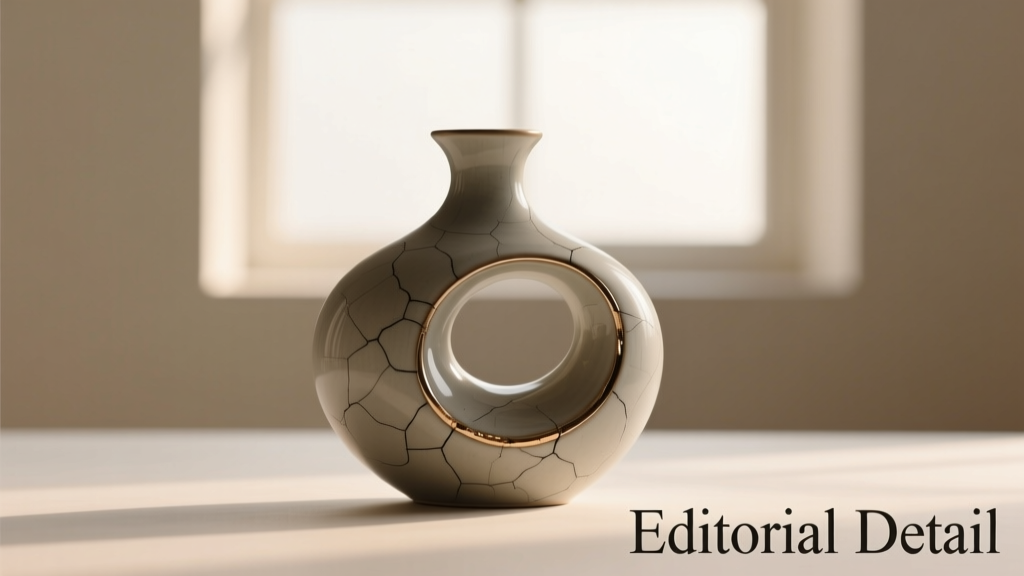
Types of Yellow Marble Countertop Sinks
A yellow marble countertop sink is more than just a functional fixture—it’s a statement piece that combines natural beauty with timeless elegance. The warm tones and intricate veining of yellow marble add a luxurious, sun-kissed glow to any bathroom or kitchen space. Each slab is unique, making every sink a one-of-a-kind masterpiece. Below are the most popular styles of yellow marble sinks, each offering distinct aesthetic and practical benefits.
Vessel Sinks
Mounted directly on top of the countertop, vessel sinks rise above the surface like sculptural art pieces.
Advantages
- Dramatic visual impact and focal point
- Showcases the full beauty of yellow marble veining
- Ergonomic height reduces bending
- Available in diverse shapes: round, square, oval
Considerations
- Requires more counter space
- Potential for splashing without proper faucet alignment
- Higher installation complexity
Best for: Modern, contemporary, or eclectic bathrooms; luxury master suites
Undermount Sinks
Installed beneath the marble countertop, creating a seamless transition from counter to basin.
Advantages
- Smooth, uninterrupted surface for easy cleaning
- Enhances the luxurious continuity of marble
- Prevents debris buildup along edges
- Ideal for high-end, minimalist designs
Considerations
- More labor-intensive and costly installation
- Requires precise cutting and sealing
- Less visible from the front, so design subtlety is key
Best for: Gourmet kitchens, spa-like bathrooms, traditional or contemporary luxury interiors
Drop-In Sinks
Also known as self-rimming or top-mount sinks, these feature a visible lip that rests on the countertop.
Advantages
- Simple and cost-effective installation
- Wide compatibility with pre-cut countertops
- Classic, timeless appearance
- Durable and practical for everyday use
Considerations
- Seam where sink meets counter can trap dirt and moisture
- Less seamless than undermount styles
- May highlight imperfections in edge finishing
Best for: Rustic, farmhouse, or transitional designs; budget-conscious renovations
Pedestal Sinks
Composed of a basin supported by a single pedestal base, often carved from matching yellow marble.
Advantages
- Space-saving design ideal for small bathrooms
- Vintage elegance with a luxurious touch
- No cabinetry needed—clean, open look
- Striking centerpiece in powder rooms
Considerations
- Limited storage options
- Plumbing is exposed unless concealed creatively
- Less practical for high-traffic households
Best for: Powder rooms, guest bathrooms, vintage or European-style interiors
Console Sinks
Featuring slender legs or a decorative frame that supports the basin, often extending the full width of the counter.
Advantages
- Open design creates a sense of spaciousness
- Allows for decorative baskets, stools, or planters underneath
- Architectural appeal with vintage or modern flair
- Customizable leg designs (brass, iron, wood)
Considerations
- Requires more floor space
- Legs may be less stable than solid bases
- Higher-end pricing due to craftsmanship
Best for: Spacious master bathrooms, boutique hotel aesthetics, designer homes
| Sink Type | Style Impact | Installation Ease | Space Efficiency | Ideal Setting |
|---|---|---|---|---|
| Vessel Sink | High – Bold and artistic | Moderate | Medium | Modern bathrooms, luxury upgrades |
| Undermount Sink | High – Sleek and seamless | Challenging | High | Kitchens, high-end bathrooms |
| Drop-In Sink | Medium – Classic and familiar | Easy | Medium | Renovations, rustic or traditional spaces |
| Pedestal Sink | High – Elegant and vintage | Moderate | Low (storage), High (footprint) | Small bathrooms, powder rooms |
| Console Sink | Very High – Architectural statement | Challenging | Medium to High | Spacious, designer bathrooms |
Expert Tip: Yellow marble is naturally porous, so it's essential to seal your sink annually with a high-quality stone sealer to prevent staining from makeup, cleaning products, or cooking oils. For vessel and console sinks, consider pairing with wall-mounted faucets to enhance the uncluttered, elegant look.
Marble Sink vs Other Sink Materials: A Complete Guide
Yellow marble sink countertops offer a luxurious and timeless aesthetic that sets them apart from other sink materials. While all sinks serve the essential function of holding water and facilitating daily use, the differences in appearance, durability, maintenance, and cost can significantly impact your decision. Whether you're remodeling a kitchen or designing a bathroom, understanding how marble compares to alternatives like granite, stainless steel, composite, and ceramic is crucial for making an informed choice.
Material Comparison: Key Differences at a Glance
| Material | Appearance | Durability | Maintenance | Cost |
|---|---|---|---|---|
| Marble | Luxurious with unique veining; each slab is one-of-a-kind. Yellow and white tones add warmth and elegance to any space. | Soft compared to other stones; prone to scratching, chipping, and etching from acidic substances like lemon juice or vinegar. | Requires regular sealing (every 6–12 months) to prevent stains and water damage. Sensitive to harsh cleaners. | Premium pricing due to natural beauty, rarity, and labor-intensive fabrication. |
| Granite | Speckled and granular appearance with natural variation; available in a wide range of colors and patterns. | Highly durable, resistant to scratches, heat, and impacts. One of the toughest natural stone options. | Needs periodic sealing (every 1–2 years), but less frequently than marble. Easy to maintain with proper care. | Comparable to marble in initial cost, but offers better long-term value due to superior durability. |
| Stainless Steel | Modern, sleek, and industrial look. Ideal for contemporary kitchens and commercial settings. | Extremely durable and impact-resistant. Does not crack or break, though it can dent and show scratches over time. | Easy to clean with mild soap and water. Prone to water spots and fingerprint smudges; may require polishing to maintain shine. | Lower upfront cost. Affordable and widely available, making it a popular choice for budget-conscious homeowners. |
| Composite (Quartz or Solid Surface) | Versatile appearance; can mimic natural stone, concrete, or even wood. Available in consistent colors and finishes. | Highly resistant to chipping, cracking, and scratching. Non-porous and won’t harbor bacteria or stains. | Minimal maintenance—clean with soap and water. No sealing required, making it ideal for high-traffic areas. | Moderate cost with excellent long-term value. Great for families or commercial kitchens due to low upkeep. |
| Ceramic | Offers endless design possibilities with vibrant colors, glazes, and patterns. Classic for farmhouse and traditional styles. | Durable under normal use but can crack or chip if heavy objects are dropped. Glaze protects the surface but may wear over time. | Very easy to clean and maintain. Resistant to stains and odors; just wipe with a damp cloth. | Most affordable option. Accessible and widely used in both residential and rental properties. |
Why Choose a Marble Sink? Pros and Cons
Advantages of Marble Sinks
- Unmatched Aesthetic Appeal: Each marble slab is unique, offering natural veining and color variations that add character and elegance.
- Luxurious Feel: Marble conveys sophistication and high-end design, enhancing the overall value of your space.
- Heat Resistance: Naturally resistant to heat, making it safe for placing hot pots or pans (though use trivets to avoid thermal shock).
- Cool Surface: Ideal for food preparation and pastry work due to its naturally cool surface.
Disadvantages of Marble Sinks
- High Maintenance: Requires regular sealing and careful cleaning to avoid etching and staining.
- Soft and Porous: More susceptible to scratches, chips, and water absorption than harder materials.
- Stain-Prone: Acidic liquids like wine, coffee, and citrus can cause permanent etching or discoloration.
- Higher Cost: Expensive to purchase and install, with potential for added costs from repairs or restoration.
Tips for Choosing the Right Sink Material
Important: While marble sinks are stunning, they are not ideal for every home. If you love the look of marble but want more durability, consider quartz countertops with a marble-like finish. These offer the aesthetic appeal with far less maintenance. Always consult with a professional fabricator to ensure proper installation and sealing, especially for natural stone.
Yellow Marble Sink Scenarios
The rich, golden tones and intricate veining of yellow marble make it a standout choice for premium interior spaces. Revered for its natural elegance and timeless appeal, yellow marble sinks are more than functional fixtures—they serve as artistic centerpieces that elevate the ambiance of any environment. Each setting brings out a different facet of the stone’s beauty, from opulence and warmth to sophistication and cultural resonance. Below are key scenarios where yellow marble sinks truly shine, enhancing both design and user experience.
Luxury Hotel Bathrooms
In five-star hotels and boutique resorts, yellow marble sinks contribute to a lavish, spa-inspired bathroom experience. The natural variation in the stone ensures that no two sinks are identical, adding a sense of exclusivity and craftsmanship. Often paired with brushed gold or chrome fixtures, backlit mirrors, and ambient lighting, these sinks become integral to the guest’s sensory journey.
- Veined varieties like Yellow Onyx or Botticino are favored for their translucency and depth
- Integrated lighting enhances the stone’s glow, especially in evening settings
- Marble’s cool surface complements warm lighting for a balanced sensory feel
Design insight: Hotels use marble sinks to reinforce brand identity as luxurious and detail-oriented.
High-End Residential Kitchens
Discerning homeowners incorporate yellow marble sinks into custom kitchen designs to create a statement of elegance and refinement. Unlike standard stainless steel or ceramic sinks, marble blends seamlessly with high-end countertops, island features, and designer cabinetry. The warm undertones of yellow marble soften modern aesthetics and add a welcoming, organic touch.
- Often used in open-concept kitchens where the sink is visible from multiple angles
- Paired with under-cabinet lighting to highlight the stone’s texture and color variation
- Sealed with advanced resin coatings to resist stains and moisture damage
Pro tip: Recommend regular sealing and gentle cleaning to preserve the sink’s luster and prevent etching.
Chic Retail Stores
Premium fashion boutiques, jewelry stores, and lifestyle showrooms use yellow marble sinks in private fitting rooms or customer lounges to elevate the shopping experience. The presence of such a refined fixture subtly communicates exclusivity and attention to detail, aligning with the brand’s high-end positioning.
- Sinks are often placed in VIP fitting areas to enhance the sense of privilege
- Marble’s natural beauty complements luxury product displays and interior finishes
- Custom shapes and edge profiles allow for brand-specific design integration
Brand strategy: A thoughtfully designed wash area reinforces the perception of a holistic luxury experience.
Stylish Restaurants
In upscale dining establishments, restrooms featuring yellow marble sinks leave a lasting impression on guests. These spaces are no longer afterthoughts—they’re curated environments that reflect the restaurant’s culinary artistry and commitment to ambiance. The visual impact of a glowing yellow marble sink often encourages social media sharing, amplifying the venue’s reputation.
- Backlit onyx sinks create a dramatic focal point in dimly lit restrooms
- Paired with designer faucets and artisanal soaps for a cohesive aesthetic
- Photogenic qualities contribute to word-of-mouth marketing
Marketing angle: A beautiful restroom can become a viral talking point, enhancing brand visibility.
Artistic Gallery Spaces
Art galleries and cultural institutions treat yellow marble sinks as functional sculptures. Installed in VIP lounges or public restrooms, these sinks are selected not just for beauty but for their artistic merit. Curators often choose rare marble varieties with bold patterns or historical significance, creating a dialogue between the fixture and the surrounding artwork.
- Marble types like Golden Ratio or Calacatta Gold are prized for their artistic patterning
- Sinks may be custom-carved by artisans to match exhibition themes
- Used in museum cafes and members-only areas to maintain design continuity
Cultural connection: The sink becomes part of the gallery’s narrative, blending utility with artistic expression.
Wellness & Spa Centers
Spas and wellness retreats leverage the calming, golden hues of yellow marble to promote relaxation and balance. The stone’s natural warmth and organic flow patterns align with holistic design principles, creating serene environments that support mindfulness and rejuvenation.
- Used in steam rooms, treatment areas, and relaxation lounges
- Paired with natural wood, stone, and soft textiles for a harmonious palette
- Marble’s thermal properties help maintain a comfortable touch temperature
Therapeutic benefit: The visual warmth of yellow marble contributes to emotional well-being and stress reduction.
Design Professional Tip: When specifying yellow marble sinks, consider the lighting conditions of the space. Natural daylight enhances the stone’s true color, while warm artificial lighting brings out its golden undertones. Always recommend professional installation and a maintenance plan to ensure long-term beauty and performance.
| Setting | Marble Type | Design Role | Maintenance Consideration |
|---|---|---|---|
| Luxury Hotels | Yellow Onyx, Botticino | Spa-like elegance | Regular sealing, gentle cleaners |
| Residential Kitchens | Crema Marfil, Golden Sahara | Statement centerpiece | Avoid acidic substances, immediate wipe-down |
| Retail Spaces | Calacatta Gold, Breccia Aurora | Brand elevation | Daily polishing, UV-protective sealant |
| Restaurants | Onyx Gold, Giallo Ornamental | Instagrammable detail | High-traffic cleaning protocol |
| Art Galleries | Rare veined or fossil-rich marble | Sculptural element | Conservation-grade care |
Additional Considerations
- Lighting Integration: Backlit installations can dramatically enhance the translucency of onyx marble, creating a glowing effect.
- Sustainability: Specify marble from quarries with responsible extraction practices and low environmental impact.
- Customization: Yellow marble can be shaped into undermount, vessel, or integrated sink designs for unique applications.
- Durability: While beautiful, marble requires protection from acids (citrus, vinegar) and heavy impacts to prevent etching and chipping.
- Acoustic Properties: In quiet spaces like galleries and spas, marble’s density helps dampen sound, contributing to a serene atmosphere.
How to Choose Yellow Marble Sinks: A Comprehensive Buyer's Guide
Yellow marble sinks combine luxury, elegance, and timeless appeal, making them a standout choice for modern kitchens and bathrooms. These natural stone fixtures not only elevate the aesthetic of any space but also offer durability when properly maintained. Selecting the perfect yellow marble sink requires careful consideration of several factors, including function, style, material characteristics, and budget. This guide breaks down the essential criteria to help you make an informed decision that balances beauty, performance, and value.
Important Note: Natural marble is porous and sensitive to acidic substances like lemon juice, vinegar, and certain cleaning products. Always seal your yellow marble sink regularly and clean spills promptly to prevent etching and staining.
Key Factors to Consider When Choosing a Yellow Marble Sink
- Application: Kitchen vs. Bathroom Use
Understanding where the sink will be installed is the first step in your selection process. The application determines size, depth, functionality, and durability requirements.
- Kitchen Sinks: Require greater durability due to heavy use, including food prep, dishwashing, and exposure to heat and sharp objects. Opt for thicker slabs (2–3 cm) and deeper basins to handle daily wear. Consider a single or double bowl design depending on available space and usage needs.
- Bathroom Sinks: Prioritize style and elegance over utility. Vessel or undermount sinks made from yellow marble can serve as stunning focal points in a vanity. Since they endure less mechanical stress, thinner slabs may be acceptable, though sealing remains essential.
- Mounting Style: Matching Function with Aesthetics
The installation method significantly impacts both the visual appeal and practicality of your sink. Yellow marble sinks are available in several mounting styles, each with unique benefits.
- Undermount: Installed beneath the countertop for a seamless, modern look. Ideal for kitchens as it allows easy wipe-downs into the sink. Requires precise fabrication and strong support due to the weight of marble.
- Vessel: Sits atop the counter like a sculptural piece. Offers dramatic visual impact and is popular in luxury bathrooms. Ensure adequate counter strength and faucet height clearance (typically 18–20 inches).
- Drop-In (Self-Rimming): Fits into a cutout with the rim resting on the countertop. Easier to install and more forgiving of minor countertop imperfections, though less sleek than undermount options.
- Integrated (Flush Mount): The sink and countertop are carved from a single block of marble, creating a completely seamless surface. This premium option offers superior hygiene and elegance but comes at a higher cost and requires expert installation.
- Veining and Color: Choosing the Right Marble Type
Yellow marble is prized for its warm tones and natural variation. The appearance depends heavily on the specific type of marble used, so understanding the differences can help align your choice with your interior design.
- Breccia Yellow: Features bold, chaotic patterns with contrasting fragments and dramatic veining. Perfect for statement pieces in contemporary or eclectic spaces.
- Orient Yellow (Giallo Ornamental): Offers a smoother, more uniform golden hue with soft, flowing veining. Ideal for classic, elegant interiors seeking subtle sophistication.
- Giallo Veneziano: Displays warm honey tones with fine gray and white veins. Balances richness and refinement, making it versatile across traditional and modern decors.
- Golden Sahara: Known for its creamy base with golden-brown streaks, this variety adds warmth and organic texture to minimalist designs.
Pro Tip: Request a full slab preview before purchase, as marble is highly variable. What appears in a sample may differ significantly from the actual piece.
- Size and Proportions: Balancing Form and Function
Choosing the right size ensures your sink complements the room rather than overwhelming it. Measure your available space carefully before selecting a model.
- For kitchens, standard widths range from 24” to 36”. Larger sinks improve functionality but require adequate cabinet support.
- Bathroom vessel sinks typically range from 14” to 20” in diameter, while rectangular or oval undermount models vary by vanity size.
- Ensure at least 3” of countertop remains on all sides of a drop-in or vessel sink for stability and aesthetics.
- Deep basins (8–10 inches) reduce splashing and are better suited for kitchen use.
- Budget and Value: Understanding Cost Drivers
Yellow marble sinks vary widely in price based on multiple factors. Setting a realistic budget helps narrow choices without compromising on quality.
- Material Rarity: Sinks made from exotic or limited-supply marbles (e.g., Breccia) command higher prices due to scarcity and visual impact.
- Fabrication Complexity: Custom shapes, integrated drains, and seamless countertop integration increase labor and material costs.
- Thickness and Weight: Thicker slabs (3 cm) are heavier and more expensive to transport and install but offer greater durability.
- Origin: Imported Italian or Turkish yellow marbles often cost more than domestically sourced or engineered alternatives.
- Installation: Undermount and integrated sinks require professional templating and installation, adding to overall project cost.
Entry-level yellow marble vessel sinks start around $500, while fully custom kitchen installations can exceed $3,000 including fabrication and sealing.
| Selection Factor | Best For | Average Price Range | Maintenance Level |
|---|---|---|---|
| Kitchen Undermount | Durability, seamless design | $800 – $2,500+ | Moderate (requires sealing every 6–12 months) |
| Bathroom Vessel | Decorative impact, luxury feel | $500 – $1,800 | Moderate (daily wipe-down, regular sealing) |
| Drop-In Sink | Ease of installation, budget-friendly | $600 – $1,400 | Moderate (clean rim area to prevent buildup) |
| Integrated Marble Sink | High-end kitchens, seamless elegance | $2,000 – $5,000+ | Low (easy cleaning, but high initial cost) |
Expert Tip: Pair your yellow marble sink with complementary fixtures—such as brushed gold, brass, or matte black faucets—to enhance its warm tones. Avoid chrome in spaces with strong yellow or gold accents, as it can create visual conflict.
Additional Considerations for Long-Term Satisfaction
- Sealing Schedule: Apply a high-quality stone sealer every 6 to 12 months, depending on usage. Perform a water test annually: if water beads up, the seal is intact; if it darkens the surface, reseal promptly.
- Weight Support: Marble sinks are heavy—often 50–100+ lbs. Confirm your cabinetry and countertops can support the load, especially for vessel and undermount styles.
- Drain Compatibility: Choose a drain that matches the sink’s finish and hole configuration. Integrated overflow drains are common in vessel sinks, while kitchen models may require garbage disposal compatibility.
- Lifetime Care: Use pH-neutral cleaners only. Never use abrasive pads or acidic cleaners. Blot spills immediately to preserve the polished finish.
- Professional Installation: Due to weight and precision requirements, always hire an experienced stone fabricator for cutting, sealing, and mounting.
Choosing a yellow marble sink is an investment in both beauty and functionality. By evaluating your space, lifestyle, and design goals, you can select a sink that not only enhances your décor but also stands the test of time with proper care. Whether you're creating a bold kitchen centerpiece or a serene bathroom retreat, a well-chosen yellow marble sink adds unmatched warmth and sophistication to your home.
Frequently Asked Questions About Marble Sinks
Q1: Is marble a suitable material for sinks?Yes, marble is a highly desirable and elegant material for sinks, prized for its natural beauty, refined appearance, and timeless luxury. Each marble sink is unique due to the stone’s organic veining patterns and subtle color variations, making it a standout centerpiece in bathrooms and kitchens.
However, while marble offers unmatched aesthetic appeal, it is a relatively soft and porous natural stone that requires mindful maintenance. It is particularly vulnerable to staining, etching, and scratching if not properly protected. For example, yellow marble sinks—while visually striking—can be more prone to showing wear and discoloration, so extra care and consistent sealing are strongly recommended to preserve their luster and integrity over time.
Q2: How can one tell if their countertop sink is made of natural marble?A simple and effective way to determine if a sink is made of natural marble is the acid test. Here's how to perform it safely:
- Apply a few drops of white vinegar or fresh lemon juice to a small, inconspicuous area of the sink (such as the underside or near the rim).
- Observe the surface for 30–60 seconds.
- If the stone begins to fizz, bubble, or develop a dull spot, it is likely composed of calcium carbonate—indicative of marble or limestone.
This reaction occurs because marble is highly sensitive to acidic substances, which etch the surface by dissolving the mineral structure. While this test is reliable, it should be done cautiously and cleaned immediately afterward to avoid damage. For absolute certainty, consult a stone specialist or refer to manufacturer documentation.
Q3: How should one maintain and care for yellow marble sinks?Maintaining a yellow marble sink requires consistent, gentle care to preserve its warm tones and glossy finish. The good news is that daily upkeep is straightforward:
- Daily Cleaning: Use a soft, damp microfiber cloth and mild pH-neutral soap. Avoid abrasive sponges or scouring pads that can scratch the surface.
- Immediate Drying: After each use, dry the sink thoroughly to prevent water spots and mineral buildup, especially important for lighter-colored marbles like yellow or cream.
- Spill Management: Wipe up spills—especially wine, coffee, citrus, or oils—as quickly as possible to avoid staining.
- Sealing: Apply a high-quality, marble-specific penetrating sealer every 6 to 12 months, depending on usage. This helps repel liquids and reduces the risk of staining.
- Avoid Harsh Cleaners: Never use vinegar, bleach, ammonia, or abrasive cleaners, as they can dull or etch the stone.
With proper care, a yellow marble sink can retain its radiant beauty for decades, adding warmth and elegance to your space.
Q4: Do marble sinks stain easily?Yes, marble sinks can stain relatively easily if not properly maintained, due to the stone’s natural porosity. Liquids like red wine, coffee, tea, oil, and even water (over time) can penetrate the surface and leave behind visible marks—especially on lighter shades like white, beige, or yellow marble.
The key to preventing stains is proactive protection:
- Sealing: A high-quality sealer creates a protective barrier that slows down liquid absorption. Reapply as recommended based on usage and water-beading tests.
- Quick Cleanup: Always wipe up spills immediately, particularly those involving pigmented or oily substances.
- Regular Inspection: Check for signs of wear, such as loss of shine or water soaking into the surface instead of beading.
While marble is more maintenance-intensive than engineered materials like quartz, its natural elegance makes it a favorite for luxury interiors—especially when owners commit to proper care routines.
Q5: Can one place hot items directly on a marble sink?It is not advisable to place hot pots, pans, or appliances directly on a marble sink. Although marble has moderate heat resistance, sudden or prolonged exposure to high temperatures can cause thermal shock, leading to cracking, discoloration, or surface damage.
To protect your marble sink:
- Always use trivets, hot pads, or heat-resistant mats when placing warm or hot items near or on the sink area.
- Avoid setting down items straight from the stove or oven, even if they appear cool on the outside.
- Be mindful of hair tools like curling irons or flat irons, which can also generate enough heat to damage the surface over time.
While marble is durable in many ways, protecting it from extreme temperature changes ensures it remains beautiful and functional for years to come.









