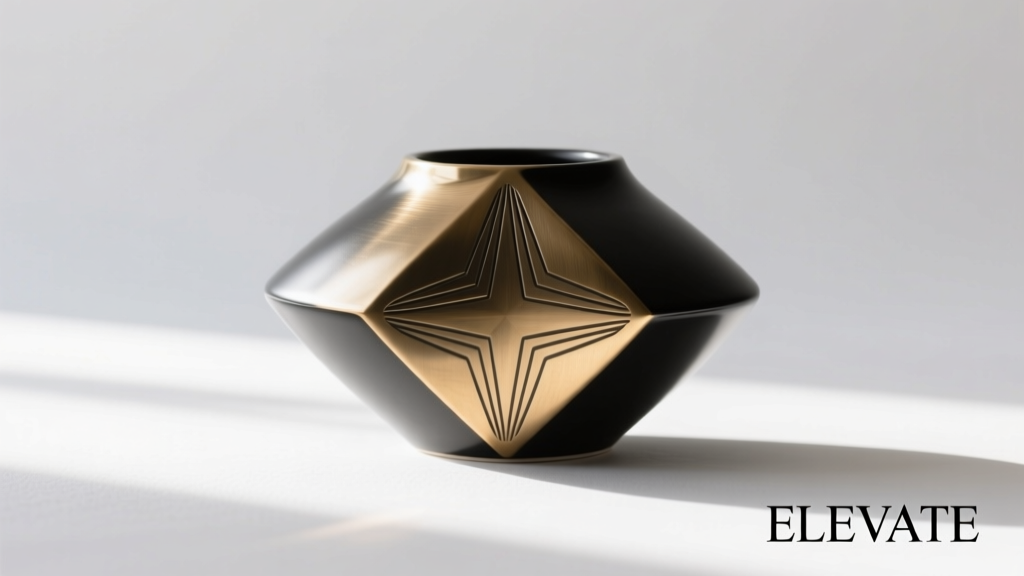
Types of Wholesale Colored Porcelain Dinnerware
Colored porcelain dinnerware combines elegance, durability, and style, making it a popular choice for both home and commercial use. Whether you're outfitting a restaurant, catering business, or simply looking to elevate your home dining experience, understanding the different types of colored porcelain available in wholesale can help you make informed purchasing decisions. These options vary in design, color application, and aesthetic appeal, catering to diverse tastes and functional needs.
Colored Porcelain Dinnerware Sets
Complete, coordinated collections where every piece—from dinner plates to saucers and bowls—is uniformly colored for a cohesive look.
Advantages
- Full aesthetic harmony across all pieces
- Ideal for themed dining or modern table settings
- Durable and chip-resistant porcelain construction
- Suitable for everyday use and special occasions
Considerations
- Limited mix-and-match flexibility
- Bold colors may show wear over time
- May require larger storage space due to full sets
Best for: Restaurants, hotels, family dining, and event catering with a consistent visual theme
Porcelain Dinnerware with Colored Accents
Features a classic white or cream base enhanced with colored edges, rims, or subtle decorative patterns for a refined, elegant look.
Advantages
- Timeless and versatile appearance
- Easy to pair with various table linens and decor
- Maintains a formal, upscale aesthetic
- Hides minor stains and wear better than solid colors
Considerations
- Less visually bold or expressive
- May appear too traditional for modern tastes
- Limited color impact compared to full-color sets
Best for: Fine dining establishments, weddings, and formal home entertaining
Vintage-Inspired Colored Porcelain Dinnerware
Draws from classic designs of the past, featuring ornate patterns, glossy finishes, and nostalgic color palettes reminiscent of antique porcelain.
Advantages
- Unique, artistic appeal with historical charm
- Perfect for creating a retro or heritage-themed ambiance
- Often features hand-painted details and intricate motifs
- High perceived value and elegance
Considerations
- May not suit minimalist or contemporary interiors
- Potential for more delicate handling requirements
- Higher price point due to design complexity
Best for: Themed restaurants, bed and breakfasts, collectors, and vintage-loving homeowners
Bold Colored Porcelain Dinnerware
Characterized by vibrant, saturated hues like red, cobalt blue, emerald green, and sunshine yellow for maximum visual impact.
Advantages
- Creates a lively, energetic dining atmosphere
- Excellent for branding or color-coded service
- Great conversation starter and focal point
- Perfect for casual, family-friendly, or festive settings
Considerations
- May clash with certain decor styles
- Bright colors can show fading over time with frequent washing
- Not ideal for ultra-formal environments
Best for: Cafes, family homes, children’s dining, parties, and creative culinary spaces
Geometric and Patterned Colored Porcelain Dinnerware
Features modern designs with structured patterns such as stripes, dots, chevrons, florals, or abstract shapes in multiple colors.
Advantages
- Highly decorative and visually engaging
- Offers design flexibility—mix and match patterns
- Aligns well with contemporary and artistic interiors
- Adds personality and uniqueness to the table setting
Considerations
- Patterns may date over time
- Can be overwhelming if overused
- May require careful coordination with other tableware
Best for: Trend-focused restaurants, modern homes, brunch spots, and design-forward events
| Type | Style | Color Application | Durability | Ideal Use Case |
|---|---|---|---|---|
| Colored Porcelain Sets | Modern, Uniform | Full-body color | High | Restaurants, family dining, catering |
| Colored Accents | Classic, Elegant | Trim/pattern accents | Very High | Formal dining, weddings, hotels |
| Vintage-Inspired | Retro, Ornate | Decorative motifs | Moderate to High | Themed venues, collectors, B&Bs |
| Bold Colored | Vibrant, Expressive | Solid bright colors | High | Casual dining, parties, cafes |
| Geometric & Patterned | Contemporary, Artistic | Multicolor designs | High | Modern homes, trendy eateries |
Procurement Tip: When buying wholesale colored porcelain dinnerware, request samples first to assess color accuracy, glaze quality, and durability under real-world conditions like dishwashing and stacking.
Designs of Wholesale Coloured Porcelain Dinnerware
Wholesale coloured porcelain dinnerware combines elegance, durability, and artistic expression, making it a popular choice for restaurants, hotels, and home use. The design of each piece plays a crucial role in setting the tone of the dining experience—whether casual, formal, or culturally inspired. Below is a detailed overview of the most sought-after design styles in the market today.
Floral Patterns
Floral patterns are timeless classics in porcelain dinnerware design, evoking grace, warmth, and sophistication. These designs typically feature intricate illustrations of roses, peonies, daisies, or wildflowers, rendered in soft pastels or vibrant hues across plates, bowls, and serving dishes.
The feminine and romantic aesthetic of floral patterns enhances formal dining settings, holiday feasts, and special occasions such as weddings or afternoon tea. Their versatility allows them to complement both traditional and modern table settings, making them a favorite among retailers and consumers alike.
Geometric Shapes
Geometric designs offer a contemporary and minimalist appeal, characterized by clean lines, angular motifs, and symmetrical patterns. Often inspired by modern art and architectural elements, these designs use bold contrasts and structured layouts to create visual interest.
Popular among younger demographics and urban households, geometric-patterned dinnerware suits casual dining, brunches, and trendy cafes. Their simplicity also makes them ideal for mixing and matching with other styles, allowing for creative tablescaping and personalized dining experiences.
Solid Color
Solid-colored porcelain dinnerware emphasizes simplicity, elegance, and functionality. Available in a wide spectrum—from classic white and midnight black to bold cobalt blue, emerald green, or terracotta—these pieces provide a sleek, uncluttered look.
Ideal for modern kitchens and minimalist interiors, solid-color sets are highly versatile. They seamlessly integrate into various decor themes and are perfect for everyday family meals, dinner parties, or commercial use in upscale restaurants seeking a refined yet understated presentation.
Ombre Effect
The ombre effect features a smooth gradient transition between two or more colors—such as navy to sky blue, blush pink to ivory, or charcoal to gray—creating a soft, painterly finish on each piece.
This design adds depth and artistry to dinnerware, offering a unique aesthetic where no two items are exactly alike, yet they harmonize beautifully as a set. Ombre porcelain is particularly popular for bridal showers, boutique hotels, and luxury gift collections due to its elegant and contemporary flair.
Motif and Symbolic Designs
Motif-based dinnerware incorporates culturally significant symbols, nature-inspired elements, or thematic artwork—such as birds in flight, cherry blossoms, bamboo, or traditional mandalas. These designs often reflect heritage, storytelling, or seasonal celebrations.
Beyond aesthetics, these pieces serve an educational and emotional purpose, connecting users to cultural roots or natural beauty. They are widely used in themed restaurants, cultural events, and as commemorative gifts, blending functionality with artistic and symbolic value.
Striped Patterns
Striped designs bring a dynamic and structured energy to porcelain dinnerware. Stripes can be horizontal, vertical, diagonal, thin, thick, or multi-colored, offering flexibility in style and application.
These patterns strike a balance between casual and formal, making them suitable for everything from beachside cafes to elegant dinner parties. Their graphic appeal enhances visual cohesion on the table and pairs well with solid-color accents or complementary patterns, allowing for creative and cohesive table settings.
| Design Style | Best For | Popular Settings |
|---|---|---|
| Floral Patterns | Formal dinners, weddings, holidays | Tea rooms, family gatherings, upscale homes |
| Geometric Shapes | Modern aesthetics, youth appeal | Cafes, urban apartments, brunch spots |
| Solid Color | Versatility, minimalism | Restaurants, daily use, contemporary kitchens |
| Ombre Effect | Luxury, visual interest | Bridal gifts, boutique hotels, special events |
| Motif & Symbolic | Cultural expression, storytelling | Ethnic restaurants, festivals, educational settings |
| Striped Patterns | Dynamic, balanced style | Resorts, casual dining, coastal homes |
Choosing the Right Design for Your Needs
Important: When sourcing wholesale coloured porcelain dinnerware, ensure the designs are food-safe, lead-free, and dishwasher/microwave compatible. High-quality glazing preserves the vibrancy of colors and patterns over time. Always request samples to evaluate the finish, weight, and design consistency before placing bulk orders.
How to Choose Wholesale Colored Porcelain Dinnerware
Selecting the right wholesale colored porcelain dinnerware is crucial for retailers aiming to stock attractive, durable, and profitable tableware. The right selection not only enhances customer satisfaction but also reduces return rates and supports repeat business. With a wide variety of styles, materials, and manufacturing standards available, making informed purchasing decisions ensures your inventory aligns with market demand and quality expectations.
Quality of Material
Premium porcelain is made from fine kaolin clay, fired at high temperatures (typically 1,200–1,450°C), resulting in a hard, translucent, and highly durable product. When sourcing in bulk, prioritize suppliers who use genuine porcelain over lower-grade ceramics or bone china substitutes.
- Microwave & dishwasher safe: High-fired porcelain resists thermal shock and wear from repeated cleaning cycles
- Chip and crack resistance: Dense composition prevents chipping along edges and rims, especially important for commercial use
- Non-porous surface: Resists staining and odor absorption, ideal for serving a variety of foods
- Weight and feel: Authentic porcelain has a refined weight—light enough to handle comfortably, yet substantial enough to convey quality
Key insight: Request material certifications or lab test reports to verify firing temperature and composition integrity.
Variety in Design
Diverse design options allow retailers to appeal to a broad customer base—from minimalist modernists to traditional collectors and seasonal shoppers. A well-curated selection can differentiate your store in a competitive market.
- Modern aesthetics: Clean lines, matte glazes, and asymmetrical shapes attract younger, design-conscious buyers
- Vintage & rustic styles: Floral patterns, hand-painted details, and antique finishes resonate with nostalgic and farmhouse-style interiors
- Cultural motifs: Japanese-inspired wabi-sabi, Mediterranean blues, or Scandinavian neutrals cater to niche markets and global tastes
- Custom branding potential: Some suppliers offer private labeling or custom designs for boutique hotels and restaurants
Pro tip: Offer coordinated collections (e.g., dinner plates, salad plates, bowls, mugs) to encourage bundle purchases.
Shades and Colorfastness
The vibrancy and longevity of color are critical in colored porcelain. Poorly applied glazes can fade, crack, or leach over time—especially with frequent washing or exposure to sunlight.
- Underglaze vs. overglaze coloring: Underglaze (color applied beneath the clear glaze) is more durable and resistant to scratching
- UV resistance: Essential for dinnerware displayed in sunlit stores or used outdoors
- Consistency across batches: Ensure color uniformity when reordering to avoid mismatched sets
- Food-safe pigments: Confirm that dyes are lead- and cadmium-free, especially for bright reds, yellows, and oranges
Critical check: Perform a simple scratch test with a metal utensil to assess glaze durability before bulk ordering.
Size and Shape Variety
Offering a range of sizes and silhouettes ensures your inventory meets diverse dining needs—from everyday family meals to formal entertaining.
- Standard sizes: Dinner plates (10–11"), salad plates (7–8"), bowls (8–10 oz), and mugs (12 oz) are staples
- Functional shapes: Square, oval, or rectangular platters are popular for modern presentation and charcuterie
- Stackability: Rimmed or footed designs improve storage efficiency in both homes and commercial kitchens
- Portion control: Smaller plates appeal to health-conscious consumers and fine dining establishments
Smart strategy: Include specialty pieces like ramen bowls, coupe plates, or gravy boats to increase average order value.
Customer Preferences and Trends
Staying ahead of consumer trends ensures your inventory remains relevant and in-demand. Today’s buyers prioritize sustainability, functionality, and aesthetic cohesion.
- Eco-friendly appeal: Market porcelain as biodegradable, recyclable, and long-lasting—ideal for zero-waste lifestyles
- Seasonal collections: Launch holiday-themed sets (e.g., autumn harvest, winter white, spring florals) to drive urgency and gift sales
- Matching kitchenware: Coordinate with colored glassware, cutlery, or napkins for curated table settings
- Social media trends: Pastel tones, marble effects, and terrazzo patterns perform well on platforms like Instagram and Pinterest
Trend insight: 68% of consumers say aesthetics influence their tableware purchases (2023 Home Goods Retail Survey).
Supplier Reliability and MOQs
Wholesale success depends not only on product quality but also on consistent supply, fair pricing, and flexible ordering terms.
- Minimum Order Quantities (MOQs): Look for suppliers offering tiered MOQs to accommodate small and large retailers
- Lead times: Confirm production and shipping timelines, especially for seasonal launches
- Sample availability: Always request physical samples before placing bulk orders
- Return policies: Clarify terms for defective or damaged goods upon delivery
Negotiation tip: Build long-term relationships with suppliers to secure better pricing, exclusive designs, or faster restocking.
Professional Recommendation: Start with a core collection of 3–5 versatile, neutral-colored porcelain sets (e.g., ivory, sage, navy, terracotta) that can be mixed and matched. Complement these with 1–2 bold, trend-driven lines for seasonal promotions. This approach balances evergreen appeal with marketing excitement, maximizing turnover and minimizing dead stock.
| Customer Segment | Preferred Style | Key Features | Suggested Product Mix |
|---|---|---|---|
| Everyday Home Users | Simple, neutral tones | Dishwasher-safe, chip-resistant | 4-piece place settings + mixing bowls |
| Young Professionals | Modern, geometric designs | Stackable, Instagram-worthy | Minimalist sets + serving platters |
| Luxury & Gift Shoppers | Handcrafted, artisanal finishes | Unique patterns, premium packaging | Curated gift boxes, limited editions |
| Restaurants & Cafés | Durable, commercial-grade | High-heat resistant, uniform appearance | Bulk packs, standardized sizes |
Additional Considerations
- Weight & shipping costs: Lighter porcelain reduces freight expenses—ideal for e-commerce fulfillment
- Packaging: Individually wrapped or boxed sets enhance perceived value and reduce damage
- Brand alignment: Choose styles that reflect your store’s identity—elegant, playful, rustic, or contemporary
- Warranty & support: Reputable suppliers offer replacements for manufacturing defects
- Compliance: Ensure products meet FDA, Prop 65, and EU food contact safety standards
Scenarios of Wholesale Colored Porcelain Dinnerware: Applications Across Industries
Colored porcelain dinnerware has become a staple in both commercial and retail environments due to its durability, aesthetic appeal, and versatility. Purchasing in bulk offers cost-efficiency and consistency, making wholesale procurement ideal for businesses seeking to enhance their brand image, improve customer experience, or streamline operations. Below is a comprehensive overview of key industries and use cases where wholesale colored porcelain dinnerware plays a transformative role.
Pro Tip: When sourcing colored porcelain dinnerware in bulk, consider factors such as chip resistance, microwave and dishwasher safety, and colorfast glazes to ensure long-term performance and customer satisfaction.
Key Applications of Wholesale Colored Porcelain Dinnerware
- Restaurants and Cafes
In food service environments, dinnerware is more than functional—it's a critical part of the brand identity. Colored porcelain allows restaurants to align their table settings with their interior design, menu style, and overall ambiance. Fine dining establishments often choose elegant hues like deep navy, emerald green, or matte black to convey sophistication, while casual cafes may opt for vibrant or pastel tones to create a cheerful, modern atmosphere.
Wholesale purchasing ensures uniformity across tables and locations, reduces per-unit costs, and simplifies inventory management. It also enables seasonal or themed changes (e.g., summer collections or holiday editions) without disrupting service.
- Gift Shops and Online Retailers
Colored porcelain dinnerware sets are highly sought after as gifts due to their blend of beauty, utility, and emotional appeal. Retailers frequently feature curated collections—such as minimalist monochrome sets, floral patterns, or artisan-inspired designs—targeted at occasions like weddings, housewarmings, anniversaries, and holidays.
During peak gifting seasons (e.g., Christmas, Mother’s Day, Valentine’s Day), wholesale availability allows retailers to meet increased demand, offer bundled packages, and run promotional campaigns. Online stores benefit from bulk inventory to maintain fast shipping times and reduce supply chain disruptions.
- Event Planning and Catering Services
Professional event planners and caterers rely on high-quality dinnerware to elevate the guest experience at weddings, corporate galas, product launches, and private parties. Colored porcelain provides a premium alternative to disposable or rented tableware, offering both elegance and reusability.
Buying in wholesale quantities allows event companies to build an in-house inventory tailored to different themes—such as rustic chic, modern minimalist, or luxury black-tie events. This eliminates recurring rental fees, reduces setup time, and ensures consistency in presentation across multiple events.
- Home Staging and Interior Design
In home staging, every detail contributes to creating an inviting, aspirational living space. Stagers use colored porcelain dinnerware to style dining areas, kitchen islands, and open-concept layouts, helping potential buyers visualize themselves hosting meals and entertaining guests.
Interior designers also incorporate dinnerware as part of a cohesive design scheme, selecting colors that complement cabinetry, countertops, and decor. Wholesale access allows designers to maintain a versatile collection on hand for different client projects, from urban lofts to coastal retreats.
- Hotels and Resorts
For hospitality businesses, dinnerware is a subtle yet powerful element of guest experience. High-end hotels and resorts use colored porcelain across breakfast buffets, fine dining restaurants, poolside bars, and room service to reinforce their brand’s luxury standards.
Wholesale procurement ensures that every outlet within the property uses coordinated tableware, enhancing visual harmony. Durable, stain-resistant porcelain is ideal for high-turnover environments, maintaining its appearance even after repeated commercial washing. Custom-branded pieces can further elevate exclusivity and guest perception.
| Industry | Primary Use Case | Benefits of Wholesale Purchase | Popular Color Trends |
|---|---|---|---|
| Restaurants & Cafes | Daily table service, brand alignment | Cost savings, consistent branding, easy replacement | Matte black, sage green, terracotta, white with colored rims |
| Gift & Retail | Packaged gift sets, seasonal promotions | Volume discounts, faster fulfillment, bundling options | Pastels, jewel tones, metallic accents, floral patterns |
| Event & Catering | Themed events, weddings, corporate functions | No rental costs, full customization, reusability | Blush pink, navy blue, gold-edged, monochrome |
| Interior Design | Space styling, client presentations | Variety on hand, project-ready inventory | Neutral tones, earthy hues, contrast sets |
| Hotels & Resorts | Breakfast service, fine dining, room service | Brand consistency, durability, low long-term cost | Classic white, charcoal gray, ocean blue, custom logos |
Expert Tip: Consider investing in modular dinnerware collections when buying wholesale—sets that mix and match colors and shapes. This flexibility allows businesses to adapt to changing trends, create dynamic tablescapes, and extend the lifecycle of their inventory.
Additional Considerations for Bulk Buyers
- Quality Assurance: Request samples before placing large orders to evaluate glaze finish, weight, and edge durability.
- Sustainability: Opt for manufacturers using eco-friendly production methods and recyclable packaging to support green business practices.
- Customization: Explore options for private labeling, custom colors, or unique shapes to differentiate your offerings.
- Storage & Logistics: Plan adequate storage space and consider staggered deliveries to manage inventory efficiently.
- Supplier Reliability: Partner with suppliers who offer consistent quality, timely shipping, and responsive customer service.
Wholesale colored porcelain dinnerware is more than just tableware—it's a strategic asset that enhances aesthetics, supports branding, and improves operational efficiency across multiple industries. Whether you're outfitting a new restaurant, curating gift collections, or designing immersive event experiences, investing in high-quality, bulk dinnerware delivers lasting value and a superior customer experience.
Frequently Asked Questions About Colored Porcelain Dinnerware
Q1: Why is colored porcelain dinnerware a good choice for resale?Colored porcelain dinnerware is an excellent choice for resale due to its appealing combination of beauty, durability, and versatility. Here’s why:
- Aesthetic Appeal: The vibrant colors and elegant designs make porcelain dinnerware highly desirable for home decorators and collectors alike.
- Durability: Porcelain is known for its strength and resistance to chipping, making it suitable for both everyday use and special occasions.
- Timeless Value: High-quality colored porcelain retains its visual appeal over time, contributing to strong resale value, especially for branded or artisan-crafted sets.
- Market Demand: There's growing consumer interest in stylish, functional tableware, particularly among eco-conscious and design-focused buyers.
Whether sold individually or as part of a curated set, colored porcelain dinnerware often commands premium pricing in both retail and secondhand markets.
Q2: What is the best way to store colored porcelain dinnerware?Proper storage is essential to preserve the appearance and longevity of colored porcelain dinnerware. Follow these best practices:
- Cool, Dry Environment: Store in a place with stable temperature and low humidity to prevent moisture damage or mold growth.
- Use Soft Liners: Place a soft cloth, felt pad, or paper towel between each piece to avoid direct contact and reduce the risk of scratches.
- Avoid Overstacking: Limit the number of stacked plates or bowls to prevent excessive pressure that could lead to chipping or cracking.
- Secure Shelving: Keep dinnerware in cabinets or on shelves where they won’t be easily knocked over, especially if you have children or pets.
- Original Packaging: For long-term storage or resale, consider keeping pieces in their original boxes with dividers for maximum protection.
Taking these precautions ensures your dinnerware remains in pristine condition, preserving both its functionality and resale value.
Q3: Are there eco-friendly colored porcelain dinnerware options available?Yes, many manufacturers now offer eco-friendly colored porcelain dinnerware options that align with sustainable living principles. Key features include:
- Sustainable Production: Made using energy-efficient kilns, recycled water systems, and reduced carbon emissions during manufacturing.
- Non-Toxic Glazes: Free from lead, cadmium, and other harmful chemicals, ensuring safety for food use and environmental disposal.
- Recyclable Materials: Porcelain itself is inert and recyclable, and some brands use recycled porcelain content in new products.
- Eco-Certifications: Look for labels like “Lead-Free,” “Food-Grade Safe,” or certifications from environmental organizations.
- Minimal Packaging: Brands committed to sustainability often use biodegradable or recyclable packaging materials.
Choosing eco-friendly porcelain supports both personal health and environmental responsibility, making it a smart option for conscious consumers and resellers.
Q4: How does the finish on colored porcelain affect its use?The finish of colored porcelain dinnerware significantly impacts both its functionality and visual appeal. Here's how different finishes influence performance:
| Finish Type | Functionality Benefits | Aesthetic Benefits |
|---|---|---|
| Glossy | Smooth surface resists food buildup and is easy to clean; often dishwasher-safe. | Enhances color depth and vibrancy; gives a luxurious, polished look. |
| Matt/Satin | Less prone to showing water spots or fingerprints; provides a soft, tactile feel. | Offers a modern, understated elegance; ideal for minimalist or rustic decor. |
| Textured | Can hide minor scratches; adds grip for safer handling. | Creates visual interest and dimension; often used in artisanal designs. |
Regardless of finish, high-quality glazing ensures a non-porous surface that prevents bacterial growth and maintains hygiene, making porcelain a top choice for safe, stylish dining.
Q5: Can colored porcelain dinnerware be used in the microwave?Most colored porcelain dinnerware is microwave-safe, but there are important exceptions and considerations:
- General Safety: Pure porcelain without metallic elements can typically withstand microwave heat without cracking or leaching chemicals.
- Metal Accents: Avoid microwaving pieces with gold, silver, or metallic trim, as these can spark, overheat, or damage the appliance.
- Manufacturer Guidelines: Always check the label or product specifications—some dyes or glazes may not be microwave-rated.
- Thermal Shock: Sudden temperature changes (e.g., moving from fridge to microwave) can cause cracking. Allow items to reach room temperature first.
- Testing at Home: If unsure, perform a simple test: place the dish in the microwave with a cup of water for 30 seconds. If the dish stays cool, it’s likely safe; if it heats up, it’s absorbing energy and should not be used.
When in doubt, opt for microwave-safe labeled products to ensure safety and longevity of both the dinnerware and your appliance.









