
Kitchen surfaces are breeding grounds for bacteria, viruses, and mold if not properly sanitized. From raw meat residue to spilled milk, the average countertop encounters countless contaminants daily. Choosing the right method to eliminate these pathogens is critical—not just for cleanliness, but for household health. Two popular options dominate the conversation: steam cleaning and chemical disinfectants. But when it comes to killing germs, which approach delivers superior results? The answer isn't always straightforward, as effectiveness depends on germ type, surface material, application technique, and exposure time.
This article examines both methods in depth, comparing their germ-killing capabilities, safety profiles, environmental impact, and practicality in real-world kitchens. Backed by scientific research and expert insights, we’ll help you make an informed decision about what works best—and when.
How Germs Spread on Kitchen Surfaces
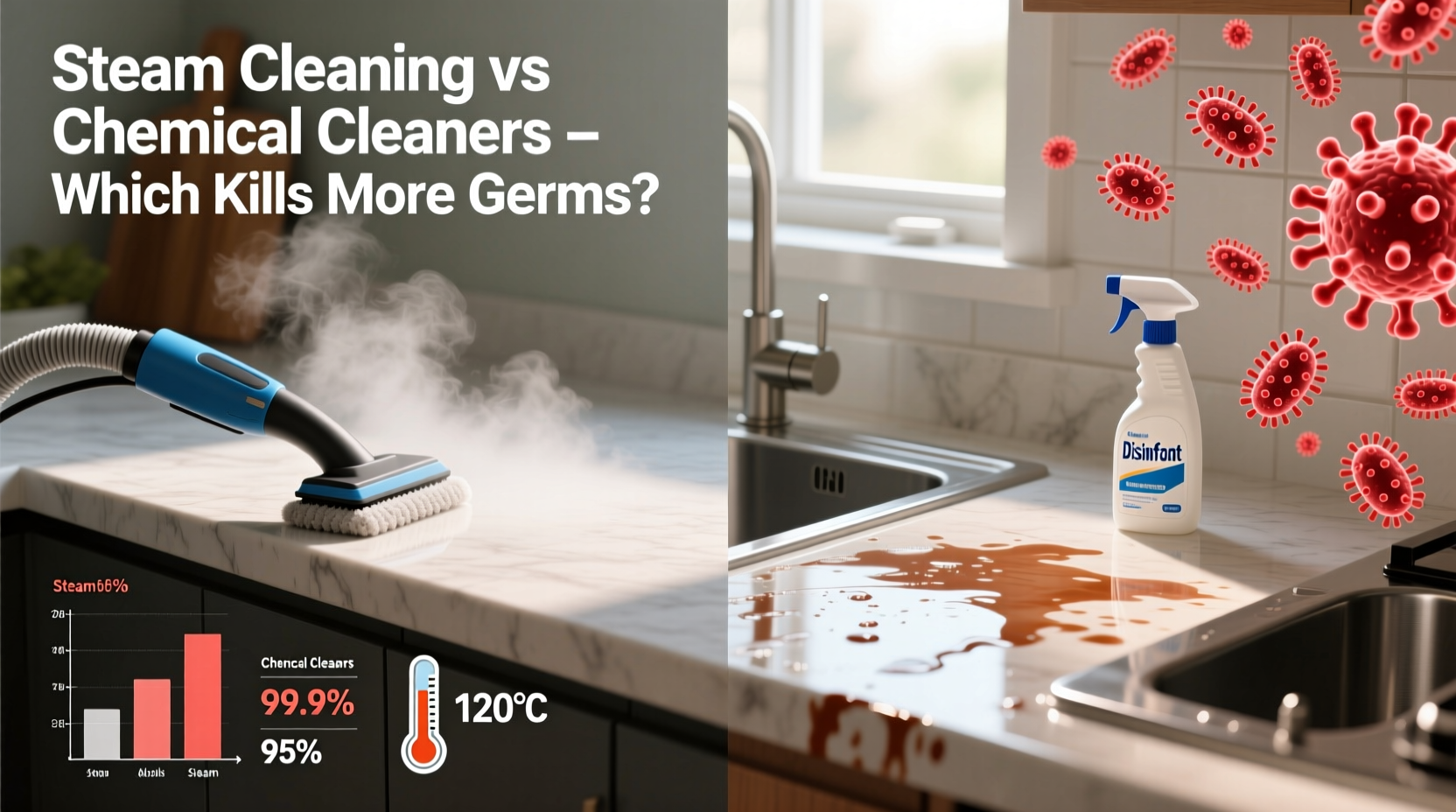
The kitchen is one of the most microbially active areas in a home. Studies from the U.S. Department of Agriculture (USDA) show that common kitchen surfaces like cutting boards, sinks, and countertops can harbor dangerous pathogens such as Salmonella, E. coli, Listeria, and norovirus. These microbes can survive for hours or even days on hard surfaces, especially in warm, moist environments.
Cross-contamination occurs easily—using the same cloth on a cutting board and then a stove handle, placing a grocery bag on a clean counter, or wiping hands after handling raw chicken. Even seemingly harmless spills like juice or dairy can promote bacterial growth within two hours at room temperature.
Effective sanitization requires more than just removing visible dirt. True disinfection means reducing microbial load to safe levels, typically defined as a 99.9% reduction in bacteria and viruses. This is where both steam and chemical cleaners come into play—but they achieve this goal through very different mechanisms.
How Steam Cleaning Kills Germs
Steam cleaning uses high-temperature water vapor—typically between 175°F and 245°F (80°C–120°C)—to sanitize surfaces without chemicals. When applied correctly, the heat denatures proteins in microbial cells, effectively rupturing cell walls and destroying DNA, rendering bacteria, viruses, and mold spores inactive.
According to the Journal of Hospital Infection, dry steam at temperatures above 176°F (80°C) can kill up to 99.999% of common pathogens within 30 seconds of contact. The key factor is sustained heat exposure. Unlike wiping with a damp cloth, steam penetrates microscopic pores and grout lines where germs hide, making it particularly effective on non-porous surfaces like stainless steel, tile, and sealed granite.
Tip: For maximum germ-killing effect, move the steam nozzle slowly—about 1 inch per second—to ensure adequate dwell time.One major advantage of steam is its residue-free result. There’s no need to rinse or ventilate afterward, and it leaves no chemical traces that could contaminate food prep areas. It's also environmentally friendly, requiring only tap water.
However, limitations exist. Steam may damage unsealed wood, laminate, or delicate stone surfaces. It also doesn’t remove heavy grease or mineral buildup unless combined with scrubbing. And crucially, improper use—such as holding the steamer too far from the surface or moving too quickly—can drastically reduce efficacy.
How Chemical Cleaners Eliminate Germs
Chemical disinfectants work by disrupting microbial structures through active ingredients like quaternary ammonium compounds (“quats”), bleach (sodium hypochlorite), hydrogen peroxide, or alcohol. Each has a specific spectrum of activity against bacteria, viruses, and fungi.
Bleach, for example, is highly effective against a broad range of pathogens, including norovirus and S. aureus. The CDC recommends a diluted bleach solution (1 tablespoon per gallon of water) for disinfecting kitchen surfaces during illness outbreaks. Quat-based cleaners are widely used in commercial kitchens due to their stability and residual antimicrobial effect.
To be effective, chemical disinfectants require a “dwell time”—the period the surface must remain visibly wet for the product to work. This varies by product but often ranges from 30 seconds to 10 minutes. Many consumers wipe surfaces immediately after spraying, unknowingly rendering the disinfectant ineffective.
“Most people don’t realize that disinfecting isn’t instant. If the label says ‘let sit for 5 minutes,’ you must wait five full minutes.” — Dr. Laura Schmidt, Environmental Microbiologist, University of Illinois
Another concern is chemical residue. Some disinfectants leave behind fumes or residues that can be harmful if ingested, especially around food preparation zones. Overuse of antimicrobial chemicals may also contribute to microbial resistance over time, though evidence in household settings remains limited.
Direct Comparison: Steam vs Chemicals
To determine which method kills more germs, we evaluated multiple factors based on peer-reviewed studies and EPA guidelines. Below is a comparative analysis.
| Factor | Steam Cleaning | Chemical Cleaners |
|---|---|---|
| Germ Kill Rate | Up to 99.999% with proper heat and dwell time | 99.9% to 99.999%, depending on product and dwell time |
| Pathogen Coverage | Broad-spectrum (bacteria, viruses, mold) | Varies by chemical; some target specific microbes |
| Residue | None | Potential chemical residue; requires rinsing on food surfaces |
| Safety Around Children/Pets | High (no toxins); caution with hot steam | Moderate to low; risk of inhalation or ingestion |
| Environmental Impact | Low (only water used) | Higher (plastic bottles, chemical runoff) |
| Surface Compatibility | Limited (avoid unsealed wood, electronics) | Broad, but some damage to stone or metal |
| Dwell Time Required | 30 sec–2 min slow pass | 30 sec–10 min (varies by product) |
While both methods can achieve high levels of disinfection, steam holds an edge in environments where chemical sensitivity is a concern—homes with infants, pets, or individuals with asthma. Conversely, chemical disinfectants are often faster and more accessible, especially in emergencies or when dealing with known contamination (e.g., raw meat spills).
When to Use Each Method: A Practical Guide
The choice between steam and chemicals shouldn’t be absolute. Instead, consider integrating both into a tiered sanitation strategy based on context.
- Daily Maintenance: Use a mild chemical cleaner (like a hydrogen peroxide-based spray) for quick wipe-downs after meals. These products are fast, convenient, and effective for routine use.
- Deep Weekly Sanitizing: Deploy a steam cleaner once a week to penetrate crevices, sanitize cutting boards, and refresh sinks and faucet handles where biofilm can build up.
- After Raw Food Handling: Immediately disinfect with an EPA-registered kitchen sanitizer (e.g., quat or diluted bleach) to prevent cross-contamination.
- For Allergy-Prone Households: Prioritize steam cleaning to avoid airborne irritants from aerosol sprays.
- On Delicate Surfaces: Avoid steam on waxed wood or unsealed marble; opt for pH-neutral disinfectants instead.
Mini Case Study: The Busy Family Kitchen
The Martinez family of five runs a tight morning schedule. With two young children, frequent snack times, and shared meal prep, their kitchen sees constant traffic. After repeated cases of stomach bugs traced to the kitchen, they decided to overhaul their cleaning routine.
They began using a ready-to-use disinfectant spray after every meal, ensuring a 3-minute dwell time on counters and sink edges. Once a week, they deep-clean with a handheld steam cleaner, focusing on the stovetop grates, microwave interior, and refrigerator seals—areas often missed with wipes.
Within two months, reported gastrointestinal illnesses dropped significantly. Their pediatrician noted that consistent, layered sanitation was likely responsible. “They’re not just cleaning—they’re actually disinfecting,” she said.
Expert Recommendations and Safety Considerations
Public health experts emphasize that consistency and correct usage matter more than the tool itself. A poorly used steam cleaner won’t kill germs any better than a half-applied disinfectant.
“The most effective disinfection strategy combines mechanical removal (scrubbing), thermal or chemical kill steps, and proper timing. No single method is perfect.” — Dr. Alan Pierce, CDC Environmental Health Division
Safety is another critical factor. Steam units produce hot vapor that can cause burns if misdirected. Always point the nozzle away from hands and face, and never use on electrical outlets or appliances. Chemical users should wear gloves, ensure ventilation, and store products out of children’s reach.
Additionally, never mix chemical cleaners—especially bleach with ammonia or vinegar—as this can produce toxic gases. And remember: disinfectants have expiration dates. Using outdated products may result in reduced efficacy.
FAQ
Does steam really kill 99.9% of germs?
Yes, when applied correctly. Research shows that steam at 212°F (100°C) with 30 seconds of contact time eliminates over 99.9% of common household bacteria and viruses. However, coverage and dwell time are essential—gaps in application reduce effectiveness.
Can I use vinegar instead of chemical cleaners?
Vinegar has mild antimicrobial properties but does not meet EPA standards for disinfection. It kills about 80–85% of bacteria and is ineffective against many viruses and spores. For true sanitization, rely on proven disinfectants or steam.
Is steam cleaning safe for granite countertops?
Yes, if the granite is properly sealed. Unsealed stone can absorb moisture and crack under high heat. Test in an inconspicuous area first, and avoid prolonged exposure in one spot.
Checklist: Maximizing Germ Kill on Kitchen Surfaces
- ✔ Remove visible debris before sanitizing
- ✔ Choose the right method based on surface and contamination level
- ✔ Follow manufacturer instructions for dwell time (chemicals) or pass speed (steam)
- ✔ Focus on high-touch areas: faucet handles, drawer pulls, appliance buttons
- ✔ Clean sponges and cloths daily—replace weekly
- ✔ Ventilate the area when using chemical disinfectants
- ✔ Store cleaning tools dry to prevent microbial growth
Conclusion
When it comes to killing germs on kitchen surfaces, both steam cleaning and chemical disinfectants are highly effective—if used correctly. Steam offers a chemical-free, eco-friendly option with powerful thermal destruction of microbes, while chemical cleaners provide fast, targeted disinfection with well-documented efficacy. Neither is universally superior; the best approach is strategic and context-dependent.
For everyday maintenance, chemical sprays offer convenience. For deep, residue-free sanitization—especially in homes sensitive to chemicals—steam is unmatched. Combining both methods creates a comprehensive defense against kitchen pathogens.
🚀 Take action today: Audit your current kitchen cleaning routine. Are you truly disinfecting, or just wiping? Choose one improvement—extend dwell time, introduce weekly steam cleaning, or switch to an EPA-registered disinfectant—and implement it consistently. Your health depends on what you can’t see.








