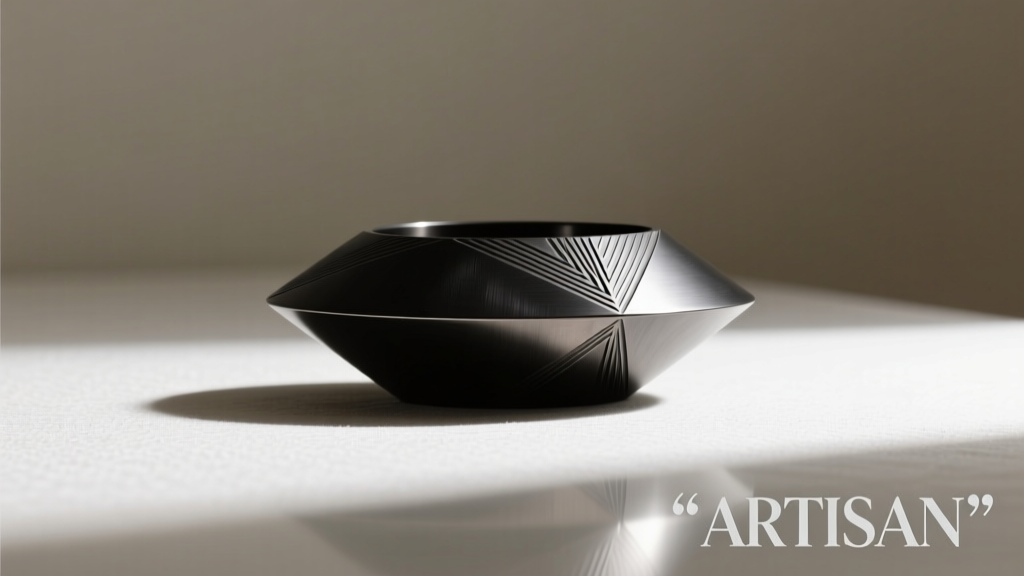
Types of Square-Shaped Wooden Caps
A square-shaped wooden cap is a versatile and aesthetically pleasing component used across various industries—from packaging and furniture to crafts and interior design. Despite the mention of "five-sided polygons" in some descriptions, true square wooden caps feature four equal sides and right angles, providing symmetry and clean lines. These caps serve both functional and decorative purposes, offering protection, enhancing visual appeal, and promoting sustainable design by replacing plastic alternatives.
Used in sealing bottles, protecting furniture legs, or as creative elements in DIY projects, square wooden caps combine natural beauty with practicality. Below is a detailed breakdown of the most common types, their materials, benefits, and ideal applications.
Wooden Square Bottle Caps
Premium closures crafted from polished hardwoods like oak, walnut, or bamboo, designed to seal wine, spirits, or artisanal beverages.
Advantages
- Enhances product premium appeal
- Eco-friendly and biodegradable
- Provides a vintage, rustic aesthetic
- Resistant to moisture when sealed properly
Limitations
- Higher production cost than plastic
- May require additional sealing liners
- Sensitive to humidity if untreated
Best for: Craft spirits, luxury wines, gift packaging, eco-conscious brands
Craft & DIY Wooden Caps
Flat, lightweight square caps ideal for artistic and hobbyist applications, available in various wood types and finishes.
Advantages
- Easy to engrave, paint, or stain
- Lightweight and easy to shape
- Ideal for miniatures and models
- Great for personalized gifts and decor
Limitations
- Not suitable for load-bearing uses
- Softer woods may dent easily
- Limited durability outdoors
Best for: DIY crafts, wooden jewelry, picture frames, school projects, and home decor
Furniture Feet Caps
Durable square caps designed to fit over the legs of tables, chairs, and cabinets to protect both furniture and flooring.
Advantages
- Prevents floor scratches and scuffs
- Extends furniture lifespan
- Adds a refined, finished look
- Can be glued or friction-fitted
Limitations
- May loosen over time without adhesive
- Requires precise sizing for snug fit
- Harder to replace than rubber caps
Best for: Wooden furniture, home interiors, commercial settings, antique restoration
Composite Wood-Plastic Bottle Caps
Hybrid caps featuring a wooden top with a plastic inner seal, combining functionality with natural aesthetics.
Advantages
- Leak-proof plastic interior ensures functionality
- Wooden exterior enhances brand image
- Cost-effective compared to all-wood caps
- Widely used in commercial packaging
Limitations
- Less eco-friendly due to plastic component
- Can delaminate if poorly manufactured
- Not fully recyclable in standard streams
Best for: Mass-market beverages, branded products, retail packaging with aesthetic appeal
| Type | Material | Primary Use | Eco-Friendliness | Durability |
|---|---|---|---|---|
| Wooden Square Bottle Caps | Hardwood (Oak, Walnut, Bamboo) | Premium Packaging | High | High |
| Craft & DIY Caps | Balsa, Basswood, Plywood | Art & Decoration | High | Medium |
| Furniture Feet Caps | Hardwood or Engineered Wood | Protection & Aesthetics | High | Very High |
| Composite Wood-Plastic Caps | Wood Top + Plastic Seal | Commercial Packaging | Medium | High |
Expert Tip: When using all-wood bottle caps, apply a food-safe wood sealant to protect against moisture and maintain longevity. For furniture caps, ensure a snug fit or use wood glue for permanent attachment to prevent slippage.
Design of Square-Shaped Wooden Cap
Square-shaped wooden caps are elegant and functional accessories that seamlessly blend practicality with aesthetic appeal. These versatile components are widely used across various industries and creative applications, including sealing bottles and jars, enhancing furniture design, serving as decorative elements in crafts, and even functioning as premium closures for artisanal products. Their clean geometry and natural material make them ideal for brands seeking a sustainable, high-end look.
Key Design Elements of Square Wooden Caps
Shape and Geometry
Square wooden caps are defined by their four equal sides and typically feature 90-degree angles, creating a crisp, symmetrical appearance. This precise geometry not only contributes to visual balance but also allows for consistent alignment when used in modular designs or stacked configurations.
While traditional designs emphasize sharp corners, many modern versions incorporate slightly rounded or chamfered edges to improve ergonomics, reduce splintering risks, and offer a softer tactile experience. The uniformity of the square shape also enables branding opportunities—logos, engravings, or patterns can be applied to all four sides, maximizing visibility and aesthetic impact, especially in retail or gift packaging.
Size and Proportions
The dimensions of square wooden caps vary based on their intended application. For bottle or jar closures, common sizes range from 2 to 6 inches in length and width, ensuring a secure fit while maintaining ease of handling. Smaller caps (under 2 inches) may be difficult to grip, particularly for users with limited dexterity, while oversized caps (over 6 inches) can be impractical, adding unnecessary weight and material cost.
Proportional harmony is key—caps used in furniture or architectural accents should be scaled appropriately to the overall design. Designers often follow the golden ratio or modular grid systems to ensure visual coherence. Custom sizing is also available for specialized applications, such as luxury product packaging or bespoke interior elements.
Material Selection
The choice of wood significantly influences both the durability and visual character of square wooden caps. Commonly used hardwoods include:
- Oak: Known for its strength and prominent grain, ideal for rustic or industrial designs.
- Maple: Offers a smooth, light-colored surface perfect for engraving and modern aesthetics.
- Cherry: Develops a rich patina over time, lending warmth and elegance to premium products.
- Walnut: Features deep tones and fine grain, often used in high-end furniture and luxury goods.
Material selection depends on factors such as moisture resistance, workability, sustainability, and cost. FSC-certified woods are preferred for eco-conscious brands aiming to highlight environmental responsibility.
Surface Texture and Finish
The surface of square wooden caps is typically sanded to a smooth finish, enhancing tactile comfort and preparing the wood for finishing treatments. A refined texture ensures the cap feels pleasant to the touch and provides an ideal base for branding techniques like laser engraving,烫印 (foil stamping), or ink printing.
To improve durability and resistance to moisture, oils (e.g., linseed or tung oil), lacquers, or food-safe varnishes are commonly applied. These finishes not only protect the wood from warping or cracking but also enhance the natural grain, adding depth and luster. Matte, satin, or glossy finishes can be selected based on the desired aesthetic—matte for a subtle, modern look, and glossy for a more luxurious appearance.
Joining and Functional Fit
The method of attachment or integration depends on the cap’s purpose. In bottle or container applications, square wooden caps are often mounted on threaded metal or plastic inserts, allowing for easy screw-on/screw-off functionality while maintaining a solid wood exterior.
In furniture or decorative joinery, caps may be secured using friction fits, dowels, or non-toxic wood adhesives. Some designs incorporate hidden magnets or snap-fit mechanisms for removable yet secure placement. Precision machining ensures tight tolerances, preventing wobbling or misalignment, which is crucial for both structural integrity and visual appeal.
Design Versatility and Applications
Square wooden caps are highly adaptable across industries:
- Packaging: Used as premium closures for olive oil, spirits, cosmetics, and gourmet foods.
- Furniture: Serve as end caps, joint covers, or decorative inlays in tables, cabinets, and shelves.
- Crafts & DIY: Popular in handmade projects, jewelry boxes, and custom gifts.
- Architectural Details: Employed as wall accents, switch plate covers, or trim elements.
Their geometric simplicity and natural material make them a favorite among designers aiming for minimalist, organic, or Scandinavian-inspired styles.
| Design Feature | Functional Benefit | Design Tip |
|---|---|---|
| Square Geometry | Enables multi-sided branding and uniform alignment | Use laser engraving on all four sides for 360° brand visibility |
| 2–6 Inch Size Range | Optimal balance between usability and material efficiency | Avoid sizes under 2" for functional caps; consider ergonomics |
| Hardwood Material (e.g., Walnut, Maple) | Durable, attractive grain, sustainable sourcing options | Match wood tone to the product or brand color palette |
| Protective Finish (Oil/Lacquer) | Water resistance, enhanced texture, longer lifespan | Use food-safe finishes for containers holding consumables |
| Threaded Insert or Friction Fit | Secure attachment with easy removal if needed | Test fit with container before mass production |
Note: When designing square wooden caps, always consider environmental conditions such as humidity and temperature, which can cause wood to expand or contract. Allow for slight tolerances in tight-fitting designs and use stable, kiln-dried lumber to minimize warping. Additionally, ensure compliance with safety and food-contact regulations when used in packaging applications.
How to Choose a Square-Shaped Wooden Cap
Selecting the perfect square-shaped wooden cap requires careful consideration of both functional and aesthetic factors. Whether used for bottle closures, furniture protection, or decorative crafting, the right wooden cap enhances utility while adding a touch of natural elegance. This guide explores the essential elements to consider when choosing a high-quality square wooden cap that meets your specific needs.
Material Quality
The wood species used in a cap significantly influences its durability, appearance, and workability. High-quality hardwoods such as oak, maple, and cherry are ideal for applications where strength, fine grain, and a premium finish are desired. These woods resist wear and maintain their structural integrity over time, making them excellent for long-term use.
- Oak: Known for its prominent grain and strength, ideal for rustic or traditional designs
- Maple: Offers a smooth, tight grain perfect for modern or minimalist aesthetics
- Cherry: Develops a rich patina over time, enhancing its visual appeal with age
- Softwoods (e.g., pine, basswood): Lightweight and easy to carve—ideal for DIY crafts, lightweight caps, or temporary applications
Expert tip: Always inspect for knots, warping, or cracks that may compromise structural integrity.
Size and Fit
Precision in dimensions is crucial for both functionality and aesthetics. A well-fitted cap ensures secure placement and prevents wobbling or misalignment, especially in functional applications.
- For bottle or jar closures, measure the inner diameter of the opening to ensure a snug, airtight fit
- When used as furniture leg caps, measure the width and height of table or chair legs to avoid gaps or instability
- For modular or stacked designs, consistent sizing across multiple caps ensures uniformity and visual harmony
- Consider slight sanding or custom fitting for non-standard dimensions
Pro tip: Opt for caps with slightly tapered edges for easier insertion and a cleaner finish.
Grain and Aesthetics
The natural grain pattern of wood plays a major role in the visual impact of the cap. Choosing a grain that complements the overall design theme enhances the final product’s appeal.
- Select caps with pronounced grain for a rustic, organic look—perfect for farmhouse or vintage-style decor
- Choose fine, uniform grain for sleek, contemporary applications such as modern furniture or minimalist bottle stoppers
- Consider wood color variation—lighter woods like maple brighten spaces, while darker woods like walnut add sophistication
- Match the cap’s grain to other wooden elements in the project for a cohesive design
Design insight: Book-matched or pattern-aligned caps create a striking visual effect in high-end decorative pieces.
Finish Options
The finish not only enhances appearance but also protects the wood from moisture, wear, and environmental damage. The right finish can transform the texture and longevity of the cap.
- Raw/unfinished: Provides a natural, tactile feel—ideal for customization or staining at a later stage
- Oiled finish: Enhances grain depth and offers moderate water resistance (e.g., linseed or tung oil)
- Varnish or polyurethane: Creates a durable, glossy or satin surface suitable for high-contact areas
- Painted or stained: Allows for color coordination with interiors or branding (e.g., wine bottle caps)
- Beeswax or food-safe sealants: Recommended for caps used on containers holding consumables
Durability note: Multiple thin coats of finish provide better protection than a single thick layer.
Purpose and Use
Understanding the primary function of the wooden cap is essential to selecting the appropriate material, size, and finish. Different applications demand different performance characteristics.
- Bottle or jar stoppers: Require precise sizing, smooth finish, and food-safe materials—consider cork inserts or sealing gaskets
- Furniture leg protectors: Need durability and a snug fit to prevent slipping and floor scratches
- Decorative accents: Can prioritize aesthetics over function—ideal for laser engraving, carving, or painting
- Crafting and modeling: Benefit from lightweight, easily modifiable softwoods that allow for creative detailing
Key consideration: Always assess whether the cap will be exposed to moisture, heat, or heavy use when selecting materials and finishes.
Environmental and Maintenance Factors
Sustainable sourcing and ease of care contribute to the long-term value of wooden caps. Eco-conscious choices support both environmental responsibility and product longevity.
- Look for FSC-certified wood to ensure responsible forestry practices
- Choose rot-resistant or treated wood for outdoor or humid environments
- Regular dusting and occasional re-oiling help maintain luster and prevent drying
- Avoid prolonged exposure to direct sunlight or water to prevent warping and fading
- Reusable wooden caps offer an eco-friendly alternative to plastic or metal closures
Sustainability tip: Recycled or reclaimed wood caps add character while reducing environmental impact.
Professional Recommendation: For most applications, opt for a mid-to-high-grade hardwood with a protective finish. This combination offers durability, visual appeal, and minimal maintenance. When in doubt, request samples to evaluate grain, weight, and finish in person before placing bulk orders. For custom branding or gifts, consider engraved or stained caps for a personalized touch.
| Application | Recommended Wood Type | Finish Type | Key Features |
|---|---|---|---|
| Wine or Spirit Bottle Stoppers | Cherry, Maple | Food-safe oil or wax | Precision fit, smooth finish, elegant grain |
| Furniture Leg Caps | Oak, Walnut | Durable varnish or polyurethane | Snug fit, scratch-resistant, weight-bearing |
| DIY Craft Projects | Pine, Basswood | Paintable or unfinished | Lightweight, easy to cut or engrave |
| Home Decor Accents | Maple, Ash | Satin lacquer or stained | Uniform grain, color-matched, decorative |
Additional Considerations
- Customization Options: Many suppliers offer engraving, branding, or custom sizing for personalized or commercial use
- Hardware Compatibility: Some caps include inserts for rubber feet, magnets, or screw threads—ensure compatibility with your project
- Batch Consistency: When ordering in bulk, confirm that color and grain uniformity are maintained across units
- Cost vs. Value: While softwoods are cheaper, hardwoods often provide better long-term value due to durability and appearance
- Supplier Reputation: Choose vendors who provide detailed specifications, sustainability certifications, and sample options
Scenarios of Square Shape Wooden Caps: Applications Across Industries
Square wooden caps are more than just functional components—they are versatile, sustainable, and aesthetically pleasing elements used across a wide range of industries. Crafted from natural wood, these caps offer durability, visual warmth, and an eco-friendly alternative to plastic or metal counterparts. Their clean geometric design and organic texture make them ideal for both practical and decorative purposes. The following scenarios highlight how square wooden caps enhance products and experiences in various sectors.
Did You Know? Wood is a renewable resource, and when sourced responsibly, wooden caps contribute to sustainable packaging and design solutions. Their biodegradability makes them an excellent choice for eco-conscious brands and consumers.
Industry-Specific Applications of Square Wooden Caps
- Beverage and Food Packaging
Square wooden bottle caps have become a signature feature in premium beverage packaging, particularly for high-end wines, craft spirits, and artisanal liquors. These caps elevate the unboxing experience, signaling quality and craftsmanship. Beyond aesthetics, they provide a secure seal that protects the contents while reinforcing a brand’s commitment to natural materials.
In food packaging, wooden caps are increasingly used for jars containing gourmet sauces, olive oils, pickles, and preserves. Brands focused on sustainability and all-natural branding favor wooden closures to align with their eco-friendly values. The natural grain and texture of wood also enhance shelf appeal, helping products stand out in competitive retail environments.
- Furniture Industry
In furniture design, square wooden caps are commonly applied to the bottom ends of table and chair legs, cabinet feet, and shelving supports. These caps serve a dual purpose: protecting both the floor from scratches and the furniture legs from moisture, impact, and wear. This is especially valuable on hardwood, tile, or laminate flooring.
Aesthetically, wooden caps maintain design continuity by matching the furniture’s wood tone and grain, contributing to a cohesive and polished look. They also allow for creative detailing—such as beveled edges or stained finishes—that complements modern, rustic, or industrial interior themes.
- Crafting and DIY Projects
For crafters, artists, and DIY enthusiasts, square wooden caps are a versatile medium for creative expression. Their uniform shape and natural surface make them ideal for painting, staining, carving, or embellishing with resins, beads, or fabric.
Common projects include handmade jewelry (e.g., pendants or earrings), miniature models, decorative boxes, wall art, and holiday ornaments. The variety of wood types—such as birch, bamboo, or walnut—offers different colors and textures, enabling unique designs. Educational craft kits for children often include wooden caps due to their safety, ease of use, and adaptability.
- Gift and Custom Products
Square wooden caps are highly sought after for personalized gifts and commemorative items. Their smooth, flat surfaces are perfect for laser engraving, stamping, or hand-carving names, dates, quotes, logos, or intricate patterns.
Popular uses include engraved bottle stoppers, award plaques, wedding favors, anniversary keepsakes, and corporate gifts. Because each piece of wood has a unique grain, every engraved cap becomes a one-of-a-kind item, adding emotional value and authenticity to the gift. This makes them ideal for milestones such as birthdays, retirements, or brand launches.
- Retail Display and Merchandising
Retailers leverage the rustic charm of square wooden caps to create visually cohesive and inviting product displays. Whether used as bases for candles, lids for boutique jars, or decorative accents in vignettes, these caps contribute to a natural, handcrafted aesthetic that appeals to modern consumers.
Boutiques, gift shops, and eco-friendly stores often incorporate wooden caps into their display themes—especially for seasonal arrangements, wellness products, or artisanal goods. Their neutral tone and organic texture pair well with linen, ceramic, and metal elements, enhancing the overall sensory appeal of the space.
| Industry | Primary Use | Key Benefits | Popular Wood Types |
|---|---|---|---|
| Beverage & Food | Bottle and jar closures | Eco-friendly, premium appearance, brand differentiation | Birch, bamboo, walnut |
| Furniture | Leg and foot protectors | Floor protection, durability, design consistency | Oak, maple, beech |
| Crafting & DIY | Raw material for art and decoration | Easy to customize, safe, versatile | Pine, basswood, birch |
| Gift & Customization | Engraved keepsakes and awards | Personalization, uniqueness, emotional value | Cherry, walnut, maple |
| Retail Display | Decorative display elements | Visual appeal, thematic consistency, sustainability | Bamboo, birch, reclaimed wood |
Pro Tip: When using wooden caps in humid environments (e.g., kitchens or bathrooms), consider applying a food-safe sealant or natural wax to protect against moisture absorption and prolong lifespan.
Why Choose Square Wooden Caps?
The square shape offers distinct advantages over round alternatives: increased surface area for engraving, better stability when used as bases, and a modern, architectural look that fits contemporary design trends. Combined with the inherent warmth of wood, square caps bridge functionality and style.
As sustainability becomes a driving force in consumer decisions, wooden caps offer brands a tangible way to demonstrate environmental responsibility. From packaging to product design, their applications continue to grow, making them a smart choice for innovators across industries.
Whether you're a designer, manufacturer, crafter, or retailer, integrating square wooden caps into your products or projects can enhance both utility and aesthetic appeal—proving that even the smallest details can make a significant impact.
Frequently Asked Questions About Square Wooden Caps
Q1: What are square wooden caps mostly used for?Square wooden caps serve both functional and decorative purposes across various industries. In the food and beverage sector, they are widely used as natural, eco-friendly closures for bottles and jars—especially in premium products like artisanal oils, spirits, honey, and organic preserves. Their wood composition provides an airtight seal when combined with proper liners, helping preserve freshness while enhancing shelf appeal.
In the furniture and home goods industry, square wooden caps are commonly used as protective and decorative feet or end caps. They help prevent floor scratches, reduce noise, and add a refined, rustic-chic aesthetic to wooden furniture legs, table corners, and cabinet bases. Their geometric shape offers a modern twist compared to traditional round caps, aligning well with contemporary interior design trends.
Q2: How are square wooden bottle caps different from other caps?Square wooden bottle caps stand out from conventional metal, plastic, or round wooden caps in several key ways:
- Material: Made from sustainably sourced hardwoods, they offer a biodegradable and renewable alternative to synthetic materials, appealing to environmentally conscious brands and consumers.
- Shape: The square design provides a unique visual identity, making products instantly recognizable on shelves. It also allows for better stacking stability and alignment in packaging.
- Aesthetic Appeal: With rich wood grain patterns and a handcrafted look, they convey authenticity, luxury, and craftsmanship—ideal for boutique brands in the wine, craft beer, gourmet food, and skincare markets.
- Customization: These caps can be engraved, branded, or stained to match a brand’s identity, offering greater personalization than standard caps.
Overall, square wooden caps combine sustainability with modern design, making them a preferred choice for brands aiming to differentiate themselves through eco-conscious and visually striking packaging.
Q3: Which wood is used to make square wooden caps?Square wooden caps are typically crafted from high-quality hardwoods known for durability, fine grain, and aesthetic appeal. Common wood types include:
| Wood Type | Color & Grain | Hardness (Janka) | Common Uses |
|---|---|---|---|
| Oak | Light to medium brown with prominent grain | 1,290 lbf | Durable caps for bottles and furniture; ideal for staining |
| Maple | Creamy white with subtle grain | 1,450 lbf | Smooth finish; popular for modern, minimalist designs |
| Cherry | Warm reddish-brown that darkens with age | 995 lbf | Luxury packaging and high-end furniture applications |
| Pine | Soft yellow to pale brown with visible knots | 380 lbf | Budget-friendly option for decorative or lightweight uses |
The choice of wood affects not only the cap’s appearance but also its resistance to moisture, wear, and warping. For food-grade applications, woods are often treated with food-safe finishes or sealants to ensure longevity and compliance with safety standards.
Q4: Can square wooden caps be used in crafting projects?Absolutely! Square wooden caps are highly popular in DIY and crafting communities due to their versatility, natural beauty, and ease of modification. Crafters use them in a wide range of creative projects, including:
- Jewelry Making: Drilled and strung into necklaces, earrings, or bracelets; often combined with beads, leather, or metal accents.
- Miniature Models: Used as roof tiles, floor planks, or structural elements in dollhouses, model trains, or dioramas.
- Home Décor: Mounted on walls as rustic wall art, painted and arranged into photo frames, or used as decorative drawer pulls and knobs.
- Seasonal Crafts: Ideal for holiday ornaments, engraved with names or dates, or painted for themed decorations.
- Upcycling: Repurposed into coasters, keychains, or plant markers with minimal tools required.
Thanks to their flat surfaces and uniform shape, square wooden caps are easy to paint, engrave, sand, or glue. They’re also lightweight and safe for use in children’s crafts when properly finished. Many craft supply stores now offer pre-sanded, unfinished wooden caps specifically for creative use.
Q5: How do companies choose the correct size of a square wooden cap?Selecting the right size for a square wooden cap is crucial to ensure a proper fit, effective sealing, and aesthetic harmony. Companies follow a precise process to determine the appropriate dimensions:
- Measure the Target Opening: The diameter or width of the bottle neck, jar rim, or furniture leg is measured accurately using calipers or rulers.
- Determine Inner Diameter (ID): For bottle caps, the inner dimension must match the outer diameter of the container’s mouth to create a snug, leak-resistant seal.
- Choose Outer Dimensions: The outer square size (e.g., 1", 1.5") is selected based on design preferences, branding space, and compatibility with packaging machinery.
- Consider Height and Depth: Taller caps provide more surface area for branding and better grip, while shorter ones offer a sleeker profile.
- Test with Liners: Many wooden caps include food-safe foam, cork, or silicone liners to enhance sealing. These must be factored into the fit and compression requirements.
- Prototype and Sample: Before mass production, companies often request samples to test fit, function, and appearance under real conditions.
Custom sizing is available for unique applications, ensuring that every cap meets functional, safety, and design standards. Working with experienced manufacturers allows businesses to tailor dimensions, finishes, and materials to their specific product needs.









