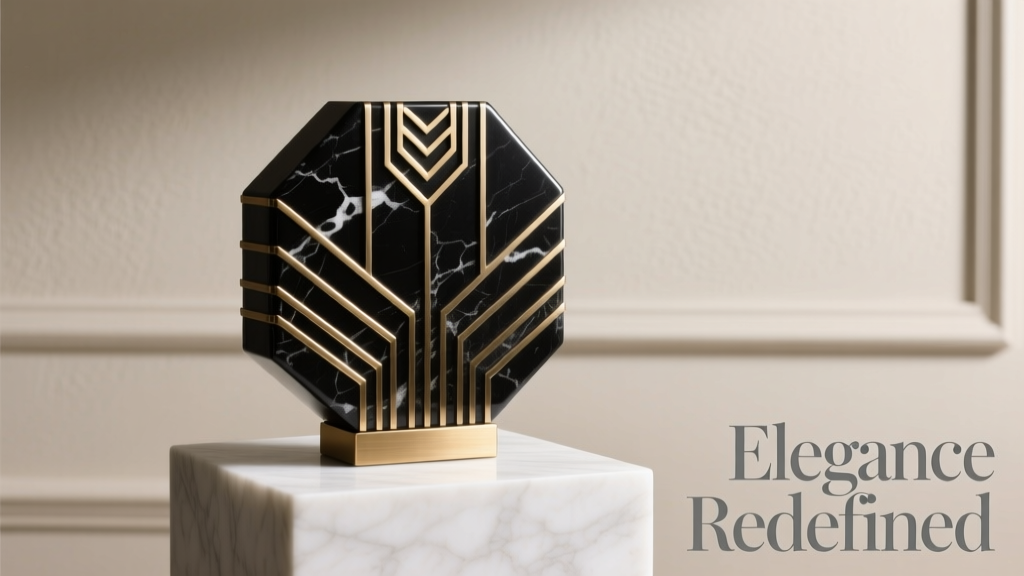
Types of Small Blocks of Marble
Marble, celebrated for its timeless elegance, natural beauty, and exceptional durability, is a preferred choice in both residential and commercial design. Among the various formats available, small blocks of marble offer unmatched versatility due to their manageable size, ease of handling, and suitability for detailed craftsmanship. These compact marble blocks are ideal for intricate applications such as decorative inlays, tabletops, wall cladding, bathroom fixtures, and luxury accents.
Sourced from premium quarries around the world, small marble blocks retain the natural veining, color variation, and luster that make each piece unique. Whether used in modern minimalism or classic opulence, they elevate interior aesthetics with a touch of sophistication. Below is a comprehensive overview of the most popular types of small marble blocks available on Alibaba.com, highlighting their characteristics, design applications, and complementary styles.
Pink Marble Blocks
Characterized by soft, romantic hues and delicate veining, pink marble blocks bring warmth and elegance to any space. Their gentle color palette makes them a favorite among interior designers seeking a calming yet luxurious ambiance.
Advantages
- Soft, soothing color ideal for relaxation spaces
- Natural veining adds visual interest and luxury
- Versatile for both modern and traditional interiors
- Excellent for accent features and decorative elements
Considerations
- May require sealing to prevent staining
- Color variation between blocks may occur
- Less common than neutral marbles, potentially higher cost
Best for: Bathrooms, vanity tops, accent walls, luxury spas, and boutique interiors
Crema Marfil Marble Blocks
Originating from Spain, Crema Marfil is a premium beige marble renowned for its warm undertones and subtle, flowing veins. Its consistent color and elegant texture make it one of the most sought-after marbles for high-end architectural projects.
Advantages
- Warm, inviting tone enhances natural light
- Highly versatile across design styles
- Excellent for flooring, wall coverings, and countertops
- Proven durability and long-term performance
Considerations
- Can show wear over time in high-traffic areas
- Requires regular maintenance and sealing
- May darken if not properly sealed
Best for: Hotel lobbies, living rooms, kitchen islands, and upscale residential interiors
Bianco Carrara Marble Blocks
Hailing from the renowned quarries of Carrara, Italy, Bianco Carrara marble is a classic white stone with graceful gray veining. Its timeless appeal and fine grain make it a top choice for sculptors, architects, and designers worldwide.
Advantages
- Iconic aesthetic with enduring popularity
- Perfect for detailed carving and inlay work
- Complements both modern and traditional decor
- Increases perceived space and brightness
Considerations
- Vein patterns vary, requiring careful selection
- May require more frequent sealing than denser stones
- Can show water spots or etching if not maintained
Best for: Kitchen countertops, bathroom vanities, fireplace surrounds, and artistic installations
Premium Varieties
Beyond the standard types, several exclusive pink and white marble varieties offer unique aesthetics and enhanced luxury. These include:
- Rosa Aurora: Light pink base with flowing white and beige veins—ideal for creating a serene, opulent atmosphere.
- Breccia Rosa: Dramatic fragmented patterns in rose and cream tones—perfect for bold statement pieces.
- Pink Onyx: Translucent with rich pink hues—excellent for backlit features and decorative lighting elements.
- Venato Bianco Carrara: Stronger gray veining for a bolder look.
- Calacatta Bianco Carrara: Rarer, with thicker, more dramatic veining—often used in luxury penthouses and high-profile projects.
Best for: Feature walls, luxury retail spaces, custom furniture, and designer accents
| Marble Type | Color Profile | Best Applications | Design Style | Maintenance Level |
|---|---|---|---|---|
| Pink Marble | Soft pink with white/beige veins | Bathroom fixtures, accent walls, vanity tops | Modern, romantic, spa-inspired | Moderate |
| Crema Marfil | Warm beige with subtle veining | Flooring, wall cladding, countertops | Classic, Mediterranean, luxury | Moderate to High |
| Bianco Carrara | White with elegant gray veins | Kitchen islands, inlays, fireplaces | Traditional, contemporary, minimalist | Moderate |
| Premium Varieties | Varied (pink, white, translucent) | Feature installations, lighting elements | Luxury, bespoke, artistic | High |
Expert Tip: When selecting small marble blocks, always request sample pieces to evaluate color consistency and veining patterns. For high-moisture areas like bathrooms, consider applying a high-quality stone sealer every 6–12 months to preserve appearance and prevent staining.
Design & Styling Recommendations
Small marble blocks offer incredible flexibility in interior design. Here are some expert pairing suggestions:
- Pink Marble: Pairs beautifully with neutral tones (ivory, gray, beige), gold or brass fixtures, and soft textiles for a luxurious, spa-like feel.
- Crema Marfil: Complements wood accents, warm lighting, and earthy color schemes—ideal for creating inviting, upscale environments.
- Bianco Carrara: Works seamlessly with chrome, glass, and matte black finishes—perfect for kitchens and bathrooms with a clean, sophisticated look.
Due to their compact size, small marble blocks are also easier to transport and install, making them a practical choice for renovation projects and custom designs where precision and detail are paramount.
Features of Small Blocks of Marble
Small slabs of marble are highly valued in architecture and interior design for their versatility, elegance, and functional performance. Their compact size allows for precise installation in intricate patterns, mosaics, and detailed craftsmanship. Whether used in residential or commercial spaces, small marble blocks offer a refined solution that combines natural beauty with structural reliability.
Durability and Strength
Structural Integrity
Marble is a metamorphic rock formed under intense heat and pressure, giving it exceptional compressive strength. Small marble blocks maintain this inherent resilience, making them ideal for high-traffic flooring in lobbies, hallways, and retail spaces. Their ability to endure constant foot traffic without significant wear ensures long-term performance.
Load-Bearing Capacity
Due to their dense composition, marble blocks can support heavy loads without cracking or deforming. This makes them suitable for use in countertops, vanities, and shelving where daily use involves placing heavy objects such as kitchen appliances or decorative items. With proper sealing and care, marble remains resistant to chipping and surface degradation.
Moreover, the longevity of marble reduces the need for frequent replacements, contributing to sustainable building practices. Its durability translates into cost efficiency over time, as maintenance is minimal compared to alternative materials that may degrade faster under similar conditions.
Smooth Finish and Aesthetic Appeal
Polished Elegance
Small marble blocks are precision-cut and finely polished to achieve a glass-like surface that enhances their natural luster. The smooth finish highlights the stone’s unique veining patterns and rich color variations—ranging from classic white Carrara to deep Nero Marquina—adding a sense of luxury and refinement to any space.
Design Versatility
The tactile smoothness and visual depth of marble make it a favorite for both modern and traditional interiors. It is widely used in tabletops, bathroom walls, backsplashes, and accent features. Its reflective surface interacts beautifully with lighting, helping to brighten rooms and create an illusion of expanded space—ideal for smaller areas or low-light environments.
Architects and designers often choose small marble blocks for custom inlays, borders, and mosaic art due to their manageable size and consistent finish. This enables creative expression while maintaining a cohesive and high-end aesthetic throughout a project.
Heat and Weather Resistance
Thermal Stability
Marble exhibits excellent resistance to heat, making it a preferred material for kitchen countertops, hearths, and fireplace surrounds. Unlike synthetic surfaces that may melt or discolor under high temperatures, marble safely withstands hot pots, pans, and open flames without warping or structural damage—provided it is properly sealed.
Outdoor Durability
When treated and installed correctly, small marble blocks perform well in outdoor settings such as patios, pool decks, and garden pathways. They resist temperature fluctuations, maintaining their integrity through seasonal changes. While prolonged exposure to acidic rain or freeze-thaw cycles requires protective sealing, marble remains a viable option for exterior applications in moderate climates.
Its ability to retain color and finish over time—even under UV exposure—adds to its appeal in exterior design. This resilience ensures that outdoor marble installations remain visually striking and structurally sound for years.
| Feature | Benefit | Common Applications |
|---|---|---|
| Durability | Resists wear, chipping, and deformation under load | Floors, countertops, commercial entrances |
| Smooth Polished Finish | Enhances light reflection and tactile appeal | Bathroom vanities, tabletops, wall cladding |
| Heat Resistance | Withstands high temperatures without damage | Kitchen islands, fireplace surrounds, stoves |
| Weather Resistance | Maintains integrity in varying outdoor conditions | Patio tiles, walkways, garden features |
Note: While marble is durable and heat-resistant, it is sensitive to acidic substances like lemon juice, vinegar, and certain cleaners, which can etch the surface. Regular sealing (every 6–12 months) is recommended to protect against stains and moisture absorption. Proper maintenance ensures that small marble blocks retain their beauty and functionality for decades.
Uses of Small Blocks of Marble
Marble blocks are exceptionally versatile due to their natural beauty, durability, and resistance to wear. Sourced from quarries around the world, marble has been a symbol of luxury and craftsmanship for centuries. Today, small marble blocks—typically ranging from a few inches to a couple of feet in dimension—are widely used across residential, commercial, artistic, and industrial applications. Their adaptability makes them ideal for both decorative and functional purposes.
In Home Decor
Renovating a space using small blocks of marble adds elegance and sophistication, transforming ordinary interiors into refined environments. These blocks are expertly crafted into a variety of decorative accessories that enhance the aesthetic appeal of homes.
- Decorative Accents: Coasters, picture frames, vases, and candle holders made from small marble blocks serve as luxurious centerpieces, combining functionality with visual charm.
- Custom Furniture: Small marble blocks are assembled or carved into unique tabletops for coffee tables, side tables, and dining surfaces. The natural veining and color variations in marble create one-of-a-kind designs that elevate any room.
- Storage & Organization: Marble trays, drawer organizers, and bathroom caddies provide a sleek, high-end solution for storing jewelry, cosmetics, and office supplies. Their polished finish resists scratches and maintains a pristine appearance over time.
- Wall Art & Shelving: Thin-cut marble slabs or block inlays are used in accent walls and floating shelves, offering a modern, minimalist look with timeless appeal.
Design Tip: Pair white or light gray marble with wood or metal accents to create a balanced, contemporary aesthetic.
For Structural & Architectural Purposes
Small marble blocks are not only decorative but also structurally robust, making them ideal for both interior and exterior architectural applications. Their compressive strength and weather resistance ensure long-term performance in demanding environments.
- Exterior Facades: Thin marble panels or block cladding are used to cover building exteriors, enhancing curb appeal with a premium finish. These facade systems are often anchored to steel or aluminum frames for durability.
- Flooring & Tiling: Small marble blocks are precision-cut into tiles for high-end residential bathrooms, kitchens, and lobbies. Herringbone, mosaic, and geometric patterns add visual interest while maintaining slip resistance and longevity.
- Columns & Pillars: In classical and neoclassical architecture, small marble blocks are stacked and bonded to form elegant columns, balustrades, and archways, often seen in luxury villas and public buildings.
- Memorials & Gravestones: Due to marble’s resistance to erosion and ability to hold fine engravings, it is a preferred material for tombstones, plaques, and commemorative monuments. White Carrara and black Marquina marbles are especially popular for their clarity and contrast.
Durability Note: Sealing marble surfaces protects against staining and moisture penetration, especially in high-humidity or outdoor settings.
Making Tools and Equipment
Marble’s physical properties—such as dimensional stability, smoothness, and chemical inertness—make it an excellent material for precision tools and scientific instruments. Its non-porous and non-reactive nature ensures accuracy and reliability in sensitive applications.
- Laboratory Equipment: Marble mortars and pestles are used in chemistry and pharmaceutical labs for grinding powders and mixing compounds. Unlike metal or plastic, marble does not contaminate samples, preserving purity during analysis.
- Scientific Instruments: Precision balances, optical benches, and calibration tables often use marble bases due to their vibration-dampening qualities and thermal stability. These features minimize measurement errors in sensitive experiments.
- Sculpting & Artistic Mediums: Artists and sculptors favor small marble blocks for carving intricate statues, reliefs, and busts. The stone’s fine grain and workability allow for detailed textures and smooth finishes, making it a staple in classical and modern sculpture.
- Industrial Jigs & Fixtures: In manufacturing, marble surface plates serve as reference planes for measuring and aligning machine parts. Their flatness tolerance can reach within millionths of an inch, critical for quality control.
Technical Insight: Black Belgian or Chinese black marble is often chosen for scientific applications due to its uniform density and minimal veining.
Commercial & Hospitality Applications
Small marble blocks are increasingly used in commercial spaces to convey professionalism, cleanliness, and opulence. Their timeless appearance aligns with luxury branding in hotels, spas, and retail environments.
- Hotel & Spa Interiors: Marble reception desks, vanity tops, and shower surrounds create a spa-like ambiance. White or beige marble with soft veining is preferred for its calming effect.
- Retail Displays: Jewelry counters, watch stands, and perfume displays made from small marble blocks enhance product visibility and perceived value.
- Restaurant & Bar Surfaces: Marble tabletops and bar fronts offer heat resistance and an elegant look, ideal for upscale dining establishments.
- Corporate Lobbies: Feature walls, flooring, and branded signage using marble communicate prestige and attention to detail.
Maintenance Tip: Regular polishing and sealing help maintain the luster and prevent etching from acidic substances in high-traffic areas.
Expert Recommendation: When selecting small marble blocks for any application, consider the finish (polished, honed, or flamed), color consistency, and origin. Italian Carrara, Turkish Emperador, and Indian Makrana are among the most sought-after varieties for their quality and aesthetic appeal. For outdoor or high-moisture areas, opt for denser marbles with lower water absorption rates to ensure longevity.
| Application | Common Marble Types | Typical Block Size | Key Benefits |
|---|---|---|---|
| Home Decor Accessories | White Carrara, Calacatta, Onyx | 4" x 4" x 1" to 12" x 12" x 2" | High polish, aesthetic appeal, lightweight |
| Flooring & Wall Tiles | Emperador, Crema Marfil, Nero Marquina | 6" x 6" to 24" x 24" (slabs) | Durability, stain resistance, design versatility |
| Scientific Instruments | Black Belgian, Chinese Black, Absolute Black | 12" x 12" x 2" and larger | Dimensional stability, non-reactive, vibration damping |
| Sculpture & Art | Statuario, Parian, Makrana | 6" x 6" x 6" to 36" x 36" x 18" | Finely grained, easy to carve, luminous finish |
| Memorials & Gravestones | White Danby, Gray St. Laurent, Black Galaxy | Varies (custom sizes) | Weather resistance, engraving clarity, longevity |
Additional Considerations
- Sealing & Maintenance: All marble surfaces benefit from periodic sealing to prevent staining from oils, wine, and acidic substances.
- Sustainability: Reclaimed marble from historic buildings is gaining popularity as an eco-friendly option for new projects.
- Cost Factors: Rare colors and large, flawless blocks command premium prices. Smaller blocks offer cost-effective access to marble’s elegance.
- Custom Fabrication: CNC cutting and waterjet technology allow precise shaping of small marble blocks into complex designs.
- Indoor Air Quality: Natural marble does not emit VOCs, making it a healthy choice for indoor environments.
How to Choose Small Blocks of Marble: A Complete Buyer’s Guide
While marble blocks may appear similar at first glance, each piece offers unique characteristics that can significantly impact the success and aesthetic of your project. Selecting the right small marble block involves more than just appearance—it requires careful consideration of color, pattern, intended use, durability, and surface finish. This guide provides a detailed breakdown of the key factors to help you make an informed decision when purchasing small marble blocks for decorative or functional applications.
Important Note: Marble is a natural stone, meaning no two blocks are exactly alike. Variations in color, veining, and texture are normal and contribute to the material’s beauty. Always inspect the actual block in person or request high-resolution images from multiple angles before purchasing.
Color and Pattern: Matching Aesthetics to Your Design Vision
The color and pattern of a marble block play a pivotal role in defining the ambiance and style of your space. Since marble is formed through natural geological processes, its appearance varies widely based on mineral composition and origin.
- Classic Elegance: White and gray marbles—such as Carrara, Calacatta, and Statuario—are timeless choices known for their clean, sophisticated look. These varieties feature soft gray or blue-gray veining on a light background, making them ideal for countertops, flooring, bathroom vanities, and minimalist interiors.
- Vibrant Accents: Pink and green marbles, like Rosa Portuguesa or Verde Guatemala, offer bold, eye-catching hues that serve as natural focal points. These are excellent for statement pieces such as accent walls, decorative tabletops, fireplace surrounds, or luxury bathroom fixtures.
- Veining and Swirls: The natural movement of minerals creates distinctive patterns in marble. Dense, dramatic veining adds luxury and movement, while subtle swirls provide elegance without overwhelming a space. Consider how the pattern flows across the block, especially if you plan to cut it into smaller tiles or custom shapes.
- Design Harmony: Choose a marble block that complements your existing décor, including wall colors, cabinetry, flooring, and lighting. For modern spaces, opt for consistent, low-contrast patterns. For traditional or opulent styles, embrace bold contrasts and intricate veining.
Pro Tip: Hold a sample under different lighting conditions—natural daylight, warm indoor light, and cool LED—to see how the marble’s color and sheen change. This helps ensure it matches your space throughout the day.
Purpose and Practical Application: Functionality Matters
The intended use of the marble block should be the primary factor in your selection. Small marble blocks (typically ranging from 12"x12" to 24"x24") are prized for their versatility and ease of handling.
- Decorative Uses: Small pink or uniquely patterned marble blocks are perfect for crafting decorative items such as coasters, bookends, inlays, or vanity trays. Their manageable size allows for intricate detailing and customization.
- Bathroom Fixtures: Ideal for shower surrounds, sink tops, or wall cladding, small marble blocks can be precisely cut and fitted into tight spaces. Their weight is easier to support on standard bathroom substrates compared to large slabs.
- Tabletops and Surfaces: When used for small tables, desks, or sideboards, ensure the block is thick enough (minimum 3/4 inch) to support daily use without cracking.
- Traffic and Durability: For high-traffic areas like entryways or kitchen counters, select denser marble types with lower porosity. Avoid softer or highly veined marbles in these zones, as they are more prone to scratching and etching from acidic substances like lemon juice or vinegar.
- Custom Fabrication: If your project involves engraving, carving, or precise edge detailing, smaller blocks offer greater control during fabrication and reduce waste during cutting.
| Marble Color | Best Applications | Durability Level | Recommended Finish |
|---|---|---|---|
| White/Gray (e.g., Carrara) | Countertops, flooring, backsplashes | Moderate | Polished or honed |
| Pink (e.g., Rosa Portuguesa) | Decorative objects, accent walls | Low to Moderate | Honed or sandblasted |
| Green (e.g., Verde Guatemala) | Bathroom vanities, luxury interiors | Moderate | Polished |
| Black (e.g., Nero Marquina) | Floor inlays, statement pieces | High | Polished |
Surface Finish: Balancing Beauty and Safety
The finish applied to a marble block affects not only its appearance but also its functionality, maintenance needs, and safety. Different finishes cater to various environments and design goals.
- Polished Finish: This is the most popular option, offering a glossy, reflective surface that enhances the depth of color and the visibility of veins. It creates a luxurious, high-end look ideal for formal spaces, dining tables, and interior flooring. However, polished marble shows fingerprints, water spots, and scratches more easily and may become slippery when wet.
- Honed Finish: Characterized by a smooth, matte surface, honed marble has a softer, more understated elegance. It’s less reflective and hides wear better than polished marble, making it a favorite for countertops and walls. However, its more porous surface requires regular sealing to prevent staining from oils, wine, or cosmetics.
- Sandblasted Finish: Created by blasting the surface with abrasive materials, this finish produces a textured, non-slip surface. It’s particularly suitable for outdoor steps, pool surrounds, or commercial flooring where safety is a priority. The texture also gives marble a rustic or industrial aesthetic, adding visual interest to modern designs.
- Leathered or Brushed Finish: Though not mentioned in the original text, these finishes are increasingly popular. They create a slightly raised, tactile surface that combines the elegance of marble with improved scratch and stain resistance—ideal for busy households.
Maintenance Insight: Regardless of finish, all marble requires periodic sealing (every 6–12 months) to protect against moisture and stains. Use a pH-neutral cleaner and avoid acidic or abrasive products to preserve the stone’s integrity.
Final Selection Checklist
- ✅ Inspect the block for cracks, pits, or fissures that could compromise structural integrity
- ✅ Confirm the dimensions and thickness meet your project requirements
- ✅ Match the marble’s color and pattern with your room’s lighting and décor
- ✅ Choose a finish based on both aesthetics and practical needs (e.g., slip resistance for bathrooms)
- ✅ Consider the long-term maintenance commitment, especially for lighter or more porous marbles
- ✅ Source from reputable suppliers who provide certificates of authenticity and origin
Selecting the perfect small block of marble is both an art and a science. By balancing visual appeal with functional needs, you can choose a piece that not only enhances your space but also stands the test of time. Whether you're crafting a custom décor item or upgrading your home’s interior, thoughtful selection ensures lasting beauty and satisfaction.
Frequently Asked Questions About Small Marble Blocks
Q1: Do small blocks of marble require special care?Yes, small blocks of marble require special care to maintain their beauty and structural integrity over time. Marble is a natural stone composed primarily of calcite, which makes it sensitive to acidic substances and physical abrasion.
For routine cleaning, always use a pH-neutral cleaner specifically designed for natural stone. These cleaners effectively remove dirt and grime without compromising the marble’s polished finish. Avoid using common household cleaners that contain acids or alkalis, as they can cause etching, dulling, or even pitting on the surface.
This care is especially crucial when small marble blocks are used in functional applications such as tools, laboratory equipment, or precision surfaces. After use, clean the block immediately to prevent chemical residues from reacting with the stone. Rinse thoroughly with clean water and dry gently using a soft, lint-free microfiber cloth to avoid water spots and staining.
Additionally, store marble blocks in a dry, temperature-stable environment to prevent moisture absorption and thermal shock, which can lead to cracking or discoloration.
Q2: Which chemicals should buyers avoid applying to their small marble blocks?To preserve the longevity and appearance of small marble blocks, it's essential to avoid exposure to several types of chemicals:
- Acidic Substances: Vinegar, lemon juice, citric acid, and other acidic cleaners react with calcium carbonate in marble, leading to etching, loss of shine, and surface degradation.
- Strong Alkaline Cleaners: While less reactive than acids, highly alkaline solutions can gradually weaken the stone’s surface and degrade sealants, increasing susceptibility to stains.
- Bleach and Ammonia-Based Products: These are too aggressive for marble and can discolor the stone or break down protective sealants, leaving it vulnerable to damage.
- Abrasive Cleaners: Powders or pastes containing grit, as well as steel wool, scouring pads, or rough brushes, can scratch the polished surface and create micro-abrasions that trap dirt and moisture.
Instead, opt for stone-safe cleaning products labeled as “marble-friendly” or “non-abrasive.” When in doubt, test any new cleaner on a small, inconspicuous area first.
Q3: Do small blocks of marble have a specific style they complement?Small marble blocks are remarkably versatile and enhance a wide range of design aesthetics, from minimalist modern to opulent classical interiors. Their natural veining, elegant color variations, and smooth finish make them a favored material among architects, designers, and artisans.
In contemporary and modern design, small marble blocks are prized for their clean geometry and refined elegance. They are often used in sleek countertops, floating shelves, tabletops, decorative trays, and accent furniture. The cool, polished surface pairs beautifully with metals like chrome or brushed nickel and complements neutral color palettes.
In classical and traditional settings, marble blocks add a sense of grandeur and timelessness. They are frequently incorporated into ornate carvings, inlaid flooring patterns, column bases, fireplace surrounds, and sculptural elements. Richly veined varieties like Calacatta or Emperador are especially popular for creating a luxurious, royal ambiance.
Thanks to their adaptability in size and finish—available in polished, honed, or brushed textures—small marble blocks can be customized to suit virtually any architectural or decorative project, making them a go-to choice for both functional and artistic applications.









