Types of Silicon Carbide Precision Ceramics
Silicon carbide precision ceramics are advanced engineering materials known for their exceptional hardness, thermal stability, and resistance to wear and corrosion. These properties make them ideal for demanding applications in aerospace, semiconductor manufacturing, energy systems, and industrial processing. Below is a comprehensive overview of the most common types of silicon carbide ceramics, their manufacturing processes, key characteristics, and typical applications.
Sintered Silicon Carbide (SSiC)
Produced through high-temperature sintering of fine silicon carbide powders, often with additives to enhance densification.
Advantages
- Extreme hardness and wear resistance
- High thermal conductivity
- Excellent chemical inertness
- Good mechanical strength at elevated temperatures
Limitations
- Brittle under impact stress
- Higher production cost
- Limited to simpler geometries due to sintering shrinkage
Best for: Cutting tools, seals, bearings, nozzles, and high-wear industrial components
Reaction-Bonded Silicon Carbide (RBSC)
Manufactured by infiltrating a porous carbon-containing SiC preform with molten silicon, which reacts to form additional SiC.
Advantages
- Near-net-shape manufacturing (minimal post-processing)
- High density and improved mechanical strength
- Excellent dimensional stability
- Cost-effective for complex shapes
Limitations
- Residual free silicon can reduce oxidation resistance above 1200°C
- Slightly lower thermal conductivity than SSiC
- Not suitable for ultra-high-purity environments
Best for: Seals, pump components, furnace fixtures, and chemical processing equipment
Hexoloy® Silicon Carbide
A proprietary, submicron-grained sintered silicon carbide produced via a special sintering process without additives.
Advantages
- Ultra-fine grain structure for superior strength
- Exceptional purity and chemical resistance
- Outstanding thermal shock resistance
- High hardness and erosion resistance
Limitations
- Premium pricing due to proprietary process
- More challenging to machine post-sintering
- Requires specialized manufacturing facilities
Best for: Semiconductor wafer handling, aerospace components, high-temperature sensors, and defense applications
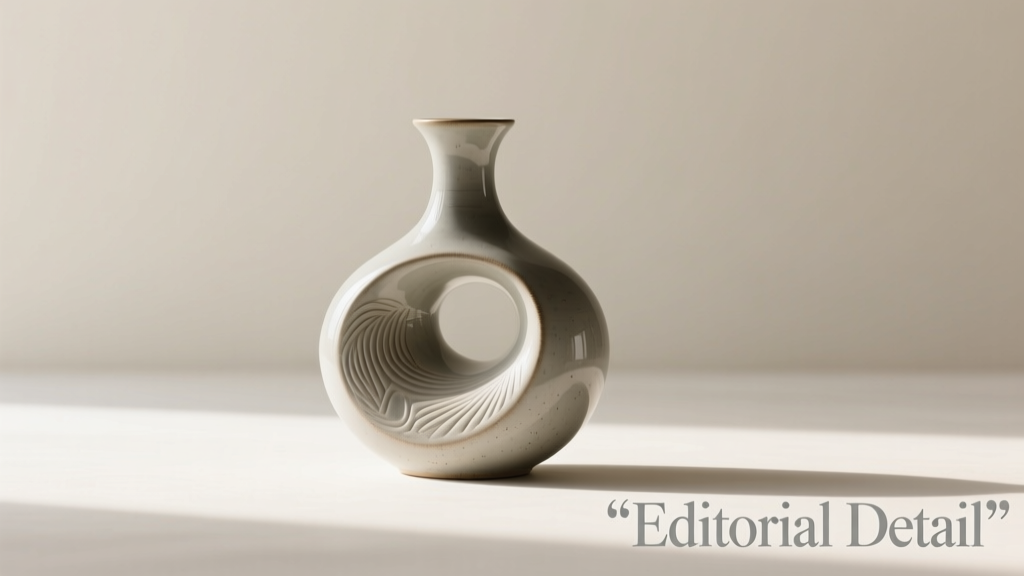
Silicon Carbide Hollow Core Ceramics
Engineered with internal voids or hollow channels to reduce weight while maintaining structural integrity.
Advantages
- Significant weight reduction
- Maintains high strength-to-density ratio
- Improved thermal insulation in some configurations
- Ideal for lightweight structural components
Limitations
- Complex manufacturing process
- Potential for stress concentration at core boundaries
- Reduced load-bearing capacity compared to solid equivalents
Best for: Aerospace panels, filtration systems, heat exchangers, and electronic substrates
Clay-Modified Silicon Carbide Ceramics
Composite materials incorporating clay or aluminosilicate binders to improve formability and reduce sintering temperatures.
Advantages
- Enhanced moldability for complex shapes
- Lower production costs
- Good thermal shock resistance
- Suitable for large or intricate refractory components
Limitations
- Reduced purity and hardness compared to pure SiC
- Lower maximum operating temperature
- Increased porosity may affect chemical resistance
Best for: Refractory linings, kiln furniture, industrial burners, and custom-shaped thermal components
| Type | Density | Hardness | Max Temp | Key Applications |
|---|---|---|---|---|
| Sintered SiC | 3.10–3.20 g/cm³ | 9.5 Mohs | 1600°C | Cutting tools, seals, bearings |
| Reaction-Bonded SiC | 3.05–3.15 g/cm³ | 9.0 Mohs | 1400°C | Pump parts, furnace components |
| Hexoloy® SiC | 3.12 g/cm³ | 9.8 Mohs | 1800°C | Semiconductors, aerospace |
| Hollow Core SiC | 1.8–2.5 g/cm³ | 8.5–9.0 Mohs | 1500°C | Filtration, lightweight structures |
| Clay-Modified SiC | 2.6–2.9 g/cm³ | 8.0–8.5 Mohs | 1300°C | Refractories, kiln parts |
Expert Tip: When selecting silicon carbide ceramics for high-temperature applications, consider the operating environment—oxidizing, inert, or vacuum—as it significantly impacts material longevity. Hexoloy and sintered SiC offer superior performance in extreme conditions, while RBSC should be avoided above 1200°C in air due to free silicon oxidation.
Function, Features, and Best Practices for Silicon Carbide Precision Ceramics
Silicon carbide (SiC) precision ceramics are advanced engineered materials known for their exceptional performance in extreme environments. Their unique combination of mechanical, thermal, electrical, and chemical properties makes them indispensable in high-tech industries such as aerospace, semiconductor manufacturing, energy systems, and chemical processing. Understanding their functions, inherent features, and proper handling practices is essential to maximizing their service life and efficiency.
Core Functions of Silicon Carbide Ceramics
Wear Resistance
Silicon carbide ceramics exhibit extraordinary resistance to mechanical wear, second only to diamond in hardness. This property enables them to endure prolonged exposure to abrasive particles, sliding contact, and erosive environments without significant degradation.
Common applications include pump seals, bearings, nozzles, and cutting tools used in mining, oil & gas, and industrial machinery. Their ability to maintain dimensional stability under friction ensures long-term reliability and reduced maintenance costs.
Thermal Stability
SiC ceramics retain their structural integrity at temperatures exceeding 1,600°C (2,912°F) in inert atmospheres. This exceptional thermal stability allows them to perform reliably in high-heat environments such as combustion chambers, heat exchangers, and furnace components.
Unlike metals, silicon carbide does not soften or creep under thermal stress, making it ideal for applications where dimensional accuracy and mechanical strength must be preserved at elevated temperatures.
Chemical Resistance
Silicon carbide demonstrates outstanding resistance to a wide range of corrosive chemicals, including strong acids (e.g., hydrochloric, sulfuric, and nitric acids), alkalis, and molten salts. This resistance stems from its stable covalent bonding structure and low reactivity.
This makes SiC ceramics ideal for use in chemical reactors, piping systems, valves, and linings in petrochemical plants, wastewater treatment facilities, and pharmaceutical manufacturing, where material degradation can lead to contamination or system failure.
Electrical Properties
Depending on doping and processing, silicon carbide can function as either an electrical insulator or a semiconductor. Its wide bandgap (3.2 eV for 4H-SiC) allows operation at high voltages, frequencies, and temperatures—far beyond the limits of traditional silicon-based semiconductors.
As a result, SiC is widely used in power electronics, including diodes, transistors, inverters, and high-frequency RF devices, particularly in electric vehicles, renewable energy systems, and aerospace electronics.
Key Features of Silicon Carbide Precision Ceramics
| Feature | Description | Industrial Relevance |
|---|---|---|
| High Hardness | With a Mohs hardness of ~9.5 and Vickers hardness of up to 30 GPa, SiC ranks among the hardest known materials. This is due to its dense, covalently bonded crystal lattice, typically formed through sintering processes like reaction bonding or hot pressing. | Used in wear-resistant components such as seal faces, cutting tools, and armor plating where surface durability is critical. |
| Thermal Conductivity | SiC has excellent thermal conductivity (up to 120–490 W/m·K depending on grade), rivaling some metals. This allows efficient heat dissipation while maintaining electrical insulation. | Vital in electronic substrates, LED heat sinks, and brake discs where overheating must be minimized. |
| Low Porosity | High-quality SiC ceramics have porosity levels below 2%, enhancing mechanical strength and preventing fluid/gas penetration. This also reduces the risk of chemical attack from within the material. | Essential for sealing components, medical devices, and semiconductor wafer handling equipment requiring contamination control. |
| Flexural Strength | Typical flexural strength ranges from 300 to 600 MPa, allowing SiC to withstand significant bending stresses without fracturing—critical for thin-walled or cantilevered structures. | Applied in structural components in aerospace, automotive sensors, and robotic arms exposed to dynamic loading. |
| Excellent Chemical Resistance | Resists oxidation, corrosion, and dissolution in most aggressive environments. Stable in both acidic and basic solutions up to moderate concentrations and temperatures. | Widely used in chemical processing equipment, pumps, and reactor linings where material integrity must be maintained over time. |
Best Practices: Dos for Handling and Using SiC Ceramics
Critical Avoidances: Don’ts When Working with SiC Ceramics
Important: Silicon carbide ceramics are high-performance materials that demand precise handling and application-specific engineering. Improper processing, machining, or usage outside design parameters can lead to premature failure, safety hazards, or costly downtime. Always consult technical data sheets and work with certified manufacturers or engineers when specifying or using SiC components in critical systems.
Trade Ideas, Selling Suggestions & Marketing Strategies for Silicon Carbide Precision Ceramics
Silicon carbide (SiC) precision ceramics are high-performance materials known for their exceptional hardness, thermal conductivity, chemical resistance, and mechanical stability at elevated temperatures. As industries increasingly demand durable, energy-efficient, and sustainable materials, SiC ceramics have become critical in advanced manufacturing, aerospace, semiconductors, electric vehicles, and renewable energy systems. This guide provides actionable trade ideas, effective selling strategies, and proven marketing techniques to help businesses maximize their market potential and build long-term customer relationships.
Trade Ideas: Strategic Market Entry & Expansion
Target High-Tech Industries
Silicon carbide ceramics are essential in high-tech sectors due to their ability to perform under extreme conditions. These industries require materials that maintain structural integrity under high thermal stress, electrical loads, and corrosive environments.
- Aerospace: Used in turbine components, heat shields, and engine parts due to high-temperature resistance
- Semiconductors: Ideal for wafer handling, chamber components, and insulation layers in high-power devices
- Electronics: Applied in substrates, insulators, and heat sinks for power modules and RF devices
Strategic insight: Partner with R&D departments and OEMs to co-develop application-specific components.
Highlight Importation & Global Sourcing Advantages
Many advanced SiC ceramic manufacturers are located in regions with cutting-edge materials science expertise, such as Japan, Germany, and the U.S. Importing high-precision SiC components can offer superior quality and consistency compared to local alternatives.
- Source from ISO-certified suppliers with traceable quality control processes
- Focus on niche applications like crucibles for crystal growth or wear-resistant nozzles
- Leverage trade agreements and logistics networks to reduce lead times and costs
Competitive edge: Emphasize precision tolerances, material purity, and performance testing data to differentiate your offerings.
Engage Emerging Growth Sectors
The rapid development of clean energy and electrified transportation is driving unprecedented demand for SiC ceramics.
- Electric Vehicles (EVs): SiC power modules improve efficiency in inverters and onboard chargers
- Battery Manufacturing: Used in furnace components for lithium-ion battery production due to thermal stability
- Hydrogen Economy: Components for electrolyzers and fuel cells benefit from corrosion resistance
- Advanced Manufacturing: Robotic arms, laser optics, and additive manufacturing systems use SiC for durability
Proactive approach: Attend industry expos like CES, Hannover Messe, or The Battery Show to connect with innovators.
Emphasize Sustainability & Total Cost of Ownership
Modern industrial buyers prioritize sustainability and lifecycle efficiency. SiC ceramics support these goals through longevity and energy savings.
- Reduce maintenance frequency and downtime in high-wear applications
- Lower energy consumption in heating systems due to excellent thermal conductivity
- Minimize waste through extended service life compared to metals or conventional ceramics
- Align with ESG (Environmental, Social, Governance) reporting requirements
Value proposition: Frame SiC ceramics not as a cost, but as an investment in operational resilience and sustainability compliance.
Selling Suggestions: Enhancing Customer Value & Conversion
Offer Customization & Engineering Support
Many applications require non-standard geometries, tight tolerances, or specific surface finishes. Providing customization services enhances perceived value and fosters long-term partnerships.
- Offer CAD/CAM design collaboration for prototype development
- Provide material certifications (e.g., ASTM, ISO) and performance test reports
- Support with finite element analysis (FEA) for thermal and mechanical stress modeling
Customer benefit: Reduces R&D burden and accelerates time-to-market for their products.
Bundle Products for Complete Solutions
Instead of selling standalone components, create integrated packages that solve real-world problems.
- SiC heating elements + insulation sleeves + mounting hardware
- Ceramic bearings + lubrication guides + alignment tools
- Wafer chucks + cleaning kits + replacement schedules
Sales boost: Increases average order value and positions your brand as a trusted systems provider.
Provide Expert Technical Support
Buyers in technical fields need confidence in material selection and integration. Offering knowledgeable support builds trust and reduces purchase hesitation.
- Train sales teams on material science fundamentals and application engineering
- Offer pre-sales consultations on load conditions, thermal cycling, and chemical exposure
- Provide post-installation follow-up to ensure optimal performance
Differentiator: Become a consultative partner rather than just a supplier.
Implement Free Shipping & Logistics Incentives
Shipping costs are a common barrier, especially for high-value, low-volume industrial goods. Strategic logistics policies can improve conversion rates.
- Offer free shipping on orders over $1,000 or for priority accounts
- Introduce expedited delivery options for urgent projects
- Partner with freight forwarders to offer consolidated shipping for international clients
Customer experience: Reduces friction in the buying process and encourages larger, less frequent orders.
Marketing Strategies: Building Authority & Driving Demand
Content Marketing: Educate to Convert
High-value industrial buyers conduct extensive research before purchasing. High-quality content establishes your brand as a thought leader.
- Publish in-depth blog posts: “Why SiC Outperforms Alumina in High-Temp Applications”
- Create infographics: “Thermal Conductivity Comparison of Ceramic Materials”
- Develop case studies: “How a Semiconductor Fab Reduced Downtime by 40% Using SiC Components”
SEO advantage: Target long-tail keywords like “high-temperature ceramic insulators for EV motors” to capture qualified traffic.
Leverage Social Media for B2B Engagement
Platforms like LinkedIn are powerful for reaching engineers, procurement managers, and technical decision-makers.
- Share behind-the-scenes videos of manufacturing processes
- Post customer success stories with permission
- Engage in industry groups and comment on trending topics (e.g., SiC in 5G infrastructure)
- Run targeted ads to specific job titles and company sizes
Network effect: Build credibility by connecting with key influencers and participating in technical discussions.
Email Marketing: Nurture Leads with Personalization
A segmented email strategy keeps your brand top-of-mind and guides prospects through the buying journey.
- Send onboarding series to new leads: material basics, application guides, product catalog
- Target existing customers with upgrade offers or maintenance reminders
- Share exclusive content like whitepapers or webinar invites
- Use dynamic content based on industry or past purchases
Conversion tip: Include clear CTAs such as “Request a Sample” or “Schedule a Consultation” to drive action.
Host Webinars & Technical Workshops
Live educational events position your company as an expert and allow for direct interaction with potential clients.
- Topic ideas: “Designing with SiC Ceramics: Best Practices and Pitfalls”
- “Material Selection for Next-Gen Power Electronics”
- Include Q&A sessions and live demos when possible
- Follow up with attendees with personalized offers
Lead quality: Webinar registrants are highly engaged and more likely to convert than cold leads.
Professional Recommendation: Combine technical excellence with strategic marketing. Focus on industries where SiC provides a measurable performance advantage—such as reduced energy loss or extended equipment life—and quantify those benefits in your messaging. For example, instead of saying “durable material,” say “reduces component replacement costs by up to 60% over five years.” This data-driven approach resonates with ROI-focused buyers and strengthens your competitive position.
| Target Industry | Key Application | Primary Benefit of SiC | Recommended Sales Approach |
|---|---|---|---|
| Semiconductors | Wafer processing equipment | Thermal stability & purity | Technical consultation + sample program |
| Electric Vehicles | Power module substrates | High thermal conductivity | Bundle with thermal interface materials |
| Aerospace | Turbine blade components | Oxidation resistance at 1400°C+ | Custom design + certification support |
| Renewable Energy | Solar furnace components | Low thermal expansion | Educational content + case studies |
| Industrial Manufacturing | Wear-resistant parts | Hardness (9.5 Mohs) | Free shipping on bulk orders |
Additional Considerations for Market Success
- Warranty & Reliability: Offer performance guarantees and replacement policies to reduce perceived risk
- Sample Programs: Provide free or low-cost samples to enable testing and validation
- Global Compliance: Ensure materials meet international standards (e.g., REACH, RoHS, AS9100)
- After-Sales Service: Include installation guidance, maintenance tips, and failure analysis support
- Brand Positioning: Position your company as a solutions provider, not just a materials vendor
Q & A: Silicon Carbide Precision Ceramics – Technical Insights & Applications
Welcome to our comprehensive FAQ section on silicon carbide (SiC) precision ceramics. As one of the most advanced engineering materials in modern industry, silicon carbide offers exceptional performance in extreme environments. This guide answers key technical and practical questions about its properties, applications, and benefits across high-demand sectors such as aerospace, energy, manufacturing, and sustainable technology.
Q.1 What is the specific role of silicon carbide precision ceramics in high-temperature applications?
Silicon carbide precision ceramics are engineered to maintain structural integrity under extreme thermal conditions, often exceeding 1,400°C (2,550°F) without deformation or degradation. Their high melting point, excellent thermal shock resistance, and low thermal expansion coefficient make them uniquely suited for environments where conventional materials fail. In aerospace, SiC components are used in turbine engines, exhaust systems, and thermal protection shields. In the energy sector, they serve in gasifiers, combustion chambers, and nuclear reactor components due to their ability to withstand prolonged exposure to intense heat while maintaining dimensional stability.
Technical Insight: Unlike metals that soften at elevated temperatures, silicon carbide retains its strength and hardness, making it ideal for continuous operation in high-heat industrial processes.
Q.2 Are silicon carbide precision ceramics chemically stable?
Yes, silicon carbide exhibits outstanding chemical stability and resistance to corrosion. It is highly inert to most acids, alkalis, and molten salts, even at elevated temperatures. This resistance stems from a protective silica (SiO₂) layer that forms on the surface when exposed to oxygen, shielding the underlying material from aggressive chemical attack. As a result, SiC ceramics are widely used in chemical processing equipment, semiconductor manufacturing, and harsh industrial environments where exposure to corrosive substances is common.
Note: While highly resistant, prolonged exposure to strong oxidizing agents at very high temperatures may lead to gradual surface oxidation. However, this process is slow and predictable, allowing for reliable long-term use with proper design considerations.
Q.3 What are the benefits of using cutting tools made from silicon carbide ceramics?
Cutting tools fabricated from silicon carbide ceramics offer several performance advantages:
- Exceptional Wear Resistance: SiC's extreme hardness (approximately 9 on the Mohs scale) minimizes tool wear, even during high-speed machining of abrasive materials.
- Superior Thermal Management: High thermal conductivity allows rapid heat dissipation from the cutting edge, reducing the risk of thermal deformation or failure.
- Stability Under Friction: Maintains sharpness and dimensional accuracy under high-friction conditions, enhancing precision and surface finish quality.
- Extended Tool Life: Significantly reduces downtime and replacement frequency, lowering operational costs over time.
These properties make SiC-based tools ideal for machining superalloys, composites, and other difficult-to-cut materials in aerospace, automotive, and mold-making industries.
Q.4 Can silicon carbide ceramics be customized for specific uses?
Yes, silicon carbide ceramics can be precisely engineered and customized to meet the unique demands of various industries. Through advanced manufacturing techniques such as hot pressing, sintering, and reaction bonding, SiC components can be tailored in terms of:
- Shape and geometry (complex profiles, thin walls, intricate features)
- Density and porosity (for thermal insulation or filtration applications)
- Surface finish (polished, textured, or coated variants)
- Dopants and composite formulations (e.g., SiC-Si or SiC-C composites for enhanced toughness)
This versatility enables applications ranging from semiconductor wafer handling arms to custom nozzles in abrasive waterjet cutting systems, demonstrating SiC’s adaptability across diverse engineering challenges.
Q.5 How do silicon carbide ceramics contribute to sustainability efforts in manufacturing?
Silicon carbide ceramics play a significant role in advancing sustainable manufacturing practices through multiple pathways:
- Long Service Life: Due to their durability and resistance to wear, corrosion, and heat, SiC components require less frequent replacement, reducing material waste and maintenance energy.
- Energy Efficiency: In power electronics, SiC-based semiconductors enable more efficient energy conversion, reducing power losses in inverters, motors, and renewable energy systems.
- Reduced Downtime: Longer-lasting tools and components minimize production interruptions and resource consumption associated with repairs and replacements.
- Lower Lifecycle Costs: Although initial investment may be higher, the total cost of ownership is reduced due to extended lifespan and improved performance.
By enabling more efficient, durable, and reliable industrial systems, silicon carbide ceramics directly support environmental goals such as reduced emissions, lower energy consumption, and minimized resource depletion.
| Property | Value/Characteristic | Industrial Benefit |
|---|---|---|
| Maximum Operating Temperature | Up to 1,600°C (in inert atmosphere) | Suitable for extreme thermal environments |
| Thermal Conductivity | 120–490 W/m·K (higher than most metals) | Excellent heat dissipation in high-power systems |
| Hardness (Vickers) | 25–30 GPa | Superior wear and abrasion resistance |
| Chemical Resistance | Resistant to acids, alkalis, and molten salts | Ideal for corrosive processing environments |
| Fracture Toughness | 3–5 MPa·m¹/² (enhanced in composite forms) | Improved reliability under mechanical stress |
Expert Tip: When integrating silicon carbide ceramics into new designs, consider partnering with material engineers early in the development process to optimize geometry, tolerances, and joining methods for maximum performance and cost-efficiency.
Conclusion
Silicon carbide precision ceramics represent a cornerstone of advanced material science, offering unmatched performance in high-temperature, chemically aggressive, and mechanically demanding applications. Their customizability, durability, and contribution to energy efficiency make them not only technically superior but also strategically valuable in building sustainable, high-performance industrial systems. As technology continues to evolve, the role of SiC ceramics will expand further into next-generation applications in clean energy, automation, and smart manufacturing.