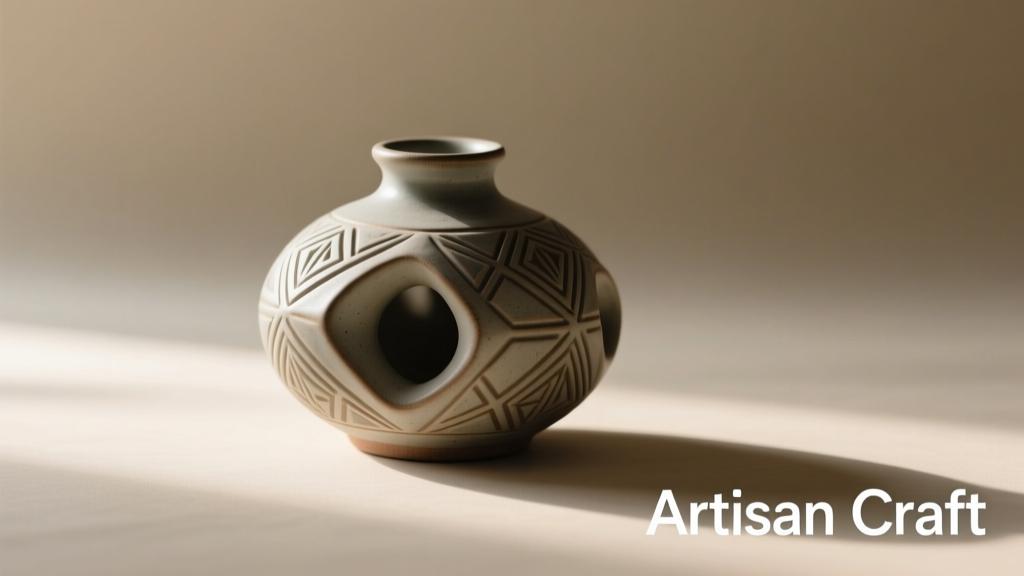
Types of Rice Cooker Bowls: Porcelain & Ceramic Round Varieties
A porcelain or ceramic round rice cooker bowl is a vital component in modern rice cookers, designed to ensure even heat distribution, excellent thermal retention, and non-stick cooking performance. These bowls are especially effective for preparing various rice types—from delicate sushi rice to hearty brown grains—thanks to their ability to regulate moisture and temperature during the cooking cycle. The round shape promotes uniform heating and prevents hot spots, making it ideal for achieving perfectly cooked, fluffy rice every time.
Below is a detailed breakdown of the most common types of porcelain and ceramic round rice cooker bowls, each engineered for specific culinary needs and cooking technologies.
Standard Ceramic Bowls
Designed for everyday use, these bowls feature a durable ceramic coating over an aluminum or steel base, providing reliable non-stick performance and consistent heat conduction.
Advantages
- Versatile for all rice types (white, brown, jasmine, basmati)
- Non-stick surface for easy cleaning
- Affordable and widely available
- Durable with proper care
Limitations
- Coating may degrade over time with metal utensils
- Less heat retention than premium models
- May require hand washing to extend lifespan
Best for: Households, daily cooking, beginners, and general-purpose rice preparation
Sushi Rice Ceramic Bowls
Specifically engineered for short-grain, sticky rice varieties used in sushi, these bowls often feature textured or slightly porous surfaces that enhance moisture retention and steam circulation.
Advantages
- Promotes ideal stickiness and texture for sushi rice
- Enhanced steam management for consistent results
- Optimized for precise temperature control
- Fine-tuned for traditional Japanese rice preparation
Limitations
- Less suitable for long-grain or fluffy rice types
- May require specific rice-to-water ratios
- Limited availability outside specialty models
Best for: Sushi enthusiasts, Japanese cuisine lovers, and sticky rice preparation
Steam & Combination Cooker Bowls
These multi-functional bowls are designed for rice cookers with steaming capabilities. They often include raised bases, perforated inserts, or compartmentalized sections that allow simultaneous rice cooking and vegetable steaming.
Advantages
- Enables healthy, one-pot meals
- Maximizes kitchen efficiency and time savings
- Ideal for balanced meals (rice + steamed veggies/proteins)
- Made from food-safe, high-temperature ceramics
Limitations
- More complex cleaning due to multiple parts
- Requires careful water level management
- May not fit all rice cooker models
Best for: Health-conscious users, meal preppers, and those seeking versatile cooking options
Induction Heating (IH) Ceramic Bowls
Engineered for high-end induction heating rice cookers, these bowls are thicker, multi-layered, and often feature reinforced ceramic or porcelain coatings over magnetic metal bases for superior heat distribution.
Advantages
- Exceptional heat retention and even cooking
- Supports advanced cooking algorithms for premium results
- Durable construction for long-term use
- Ideal for gourmet rice (e.g., Koshihikari, mochi rice)
Limitations
- Higher cost due to advanced materials
- Heavier and more fragile than standard bowls
- Compatible only with IH-enabled rice cookers
Best for: Gourmet cooking, premium rice preparation, and high-end induction rice cookers
| Type | Durability | Cooking Performance | Versatility | Best For |
|---|---|---|---|---|
| Standard Ceramic | Good | Good | Excellent | Daily use, all rice types |
| Sushi Rice Bowl | Good | Excellent | Fair | Sticky rice, sushi preparation |
| Steam/Combo Bowl | Good | Very Good | Excellent | Healthy meals, multi-dish cooking |
| Induction Heating Bowl | Excellent | Excellent | Good | Premium rice, gourmet results |
Expert Tip: To extend the life of your ceramic rice cooker bowl, avoid using metal utensils, clean with a soft sponge, and never subject a hot bowl to cold water to prevent thermal shock and cracking.
Designs of Rice Cooker Bowls: Porcelain & Ceramic Round Varieties
Porcelain and ceramic round rice cooker bowls are prized for their excellent heat retention, natural non-stick properties, and elegant aesthetics. These materials offer a safe, durable, and efficient cooking surface that enhances the flavor and texture of rice. The design of the bowl—ranging from surface texture to rim structure and glazing technique—plays a crucial role in both functionality and user experience. Below is a detailed breakdown of key design types and their benefits.
Smooth Textured Bowls
Smooth textured porcelain or ceramic bowls feature a silky, polished interior that provides a premium cooking and cleaning experience. This seamless finish minimizes friction between the rice and the bowl surface, significantly reducing the likelihood of sticking during and after cooking.
The non-porous nature of the smooth glaze ensures even heat distribution and prevents absorption of moisture or odors, which helps preserve the natural taste of the rice. Additionally, the surface resists staining and is effortless to clean, making it ideal for everyday use. This design is especially effective for delicate rice varieties like jasmine, basmati, and sushi rice, where consistent texture and easy release are essential.
Stacked Rim Bowls
Stacked rim bowls are engineered with a reinforced, tiered edge that enhances both durability and usability. The elevated rim not only strengthens the overall structure of the bowl but also provides a secure grip, reducing the risk of slipping during handling.
Beyond structural benefits, this design allows for efficient vertical storage when multiple bowls are used, making it perfect for kitchens with limited cabinet space or users who own several rice cooker inserts. The interior remains optimized for cooking performance—ensuring steam circulates evenly and moisture is retained—so rice cooks uniformly without drying out or becoming overly soft. This modern aesthetic blends practicality with sleek, contemporary design.
Textured Interior Bowls
Textured interior bowls are designed with a deliberately patterned or matte surface that promotes better interaction between water, heat, and rice grains. These micro-textures help anchor the rice slightly during cooking, encouraging more thorough hydration and improved mixing—especially beneficial for hearty, dense varieties like brown rice, wild rice, or multigrain blends.
The increased surface area allows for enhanced heat absorption and retention, resulting in fluffier, more evenly cooked grains. The texture also aids in preventing clumping and supports the release of natural starches, contributing to a richer mouthfeel and deeper flavor. While slightly more involved to clean than smooth finishes, the cooking advantages make this design a favorite among health-conscious and gourmet cooks.
Reactive Glaze Bowls
Reactive glaze bowls stand out with their unique, handcrafted appearance—each piece features variegated color patterns and depth created through chemical interactions during the high-temperature firing process. No two bowls are exactly alike, turning each rice cooker insert into a functional work of art.
Beyond aesthetics, the reactive glaze contributes to superior thermal performance. It creates a semi-porous yet sealed surface that responds dynamically to temperature changes, promoting gradual, even heating and excellent heat retention. This results in perfectly cooked rice with consistent texture from top to bottom. The glaze is also highly durable and resistant to cracking under normal use, combining beauty with long-term functionality.
| Bowl Design | Best For | Key Benefits |
|---|---|---|
| Smooth Textured | Jasmine, Basmati, White Rice | Easy cleaning, non-stick surface, even cooking, elegant finish |
| Stacked Rim | Multi-bowl users, space-limited kitchens | Durable, stackable, ergonomic grip, modern design |
| Textured Interior | Brown Rice, Wild Rice, Multigrain Mixes | Improved hydration, better flavor development, reduced clumping |
| Reactive Glaze | Chef-style cooking, artisanal presentation | Unique appearance, even heat distribution, artistic value |
Choosing the Right Design for Your Needs
Important: Avoid using metal utensils or abrasive cleaners on porcelain and ceramic bowls, as they can damage the glaze and compromise non-stick performance. Sudden temperature changes (e.g., placing a hot bowl in cold water) may cause thermal shock and cracking. Proper care ensures longevity and optimal cooking results.
Fashion Suggestions for Rice Cooker Bowls: Porcelain & Ceramic Round Designs
Porcelain and ceramic round rice cooker bowls are more than just functional kitchen essentials—they’re stylish accessories that can elevate your dining experience and kitchen aesthetics. Crafted for durability, heat retention, and visual appeal, these bowls offer endless opportunities to express personal style. Whether you prefer minimalist elegance or bold artistic flair, there's a design to match every taste and interior theme. Below are curated fashion suggestions to help you choose the perfect rice bowl that blends practicality with design sophistication.
Classic White Porcelain
Timeless and versatile, classic white porcelain bowls exude understated elegance. Their clean, bright finish enhances any kitchen or dining setting, making them ideal for modern, Scandinavian, or traditional country-style interiors.
- Reflects light beautifully, helping to brighten up countertops and dining tables
- Pairs effortlessly with colorful tableware, wooden utensils, and natural textiles
- Offers a neutral canvas that complements seasonal decor changes
- Easy to maintain and resistant to staining when properly glazed
Styling tip: Use in sets of varying sizes for a cohesive, layered look during family meals or dinner parties.
Bold Colors & Patterns
Add a pop of personality to your kitchen with vibrantly colored or patterned ceramic bowls. From deep cobalt blues to fiery reds and sunny yellows, these statement pieces turn mealtime into a visual delight.
- Perfect for accentuating monochrome or neutral-toned kitchens
- Features include floral motifs, geometric prints, or abstract art for modern flair
- Ideal for eclectic or contemporary spaces seeking a lively touch
- Durable glazes ensure color longevity even with frequent washing
Design idea: Mix and match bold bowls with solid-colored plates for a balanced, curated table setting.
Hand-Painted Ceramics
Each hand-painted rice bowl is a unique work of art, showcasing craftsmanship and cultural heritage. These artisanal pieces often feature intricate detailing, from delicate vines and dots to cultural symbols and brushstroke artistry.
- Adds authenticity and character to rustic, bohemian, or globally inspired kitchens
- Suitable as heirloom pieces or meaningful gifts for loved ones
- Often made using traditional techniques passed down through generations
- Great for special occasions or when you want to elevate everyday dining
Pro tip: Display hand-painted bowls on open shelves when not in use to showcase their beauty.
Textured Finishes
Textured porcelain or ceramic bowls go beyond visual appeal—they offer enhanced grip and tactile satisfaction. Whether matte, ribbed, embossed, or hammered, these finishes add depth and dimension to your tableware.
- Ideal for industrial, minimalist, or modern farmhouse aesthetics
- Matte glazes provide a sophisticated, contemporary look
- Embossed patterns (like waves, grids, or organic shapes) add subtle elegance
- Improved ergonomics make them easier to hold, especially when serving hot rice
Interior match: Pair with stainless steel appliances or exposed brick walls for a cohesive modern kitchen theme.
Designer Insight: When selecting rice cooker bowls, consider layering styles—use classic white for daily meals and reserve hand-painted or bold-patterned bowls for gatherings. This approach balances practicality with aesthetic expression, ensuring your kitchen remains both functional and fashionable year-round.
| Style | Best For | Aesthetic Match | Care Tips |
|---|---|---|---|
| Classic White Porcelain | Daily use, formal dining | Scandinavian, Minimalist, Farmhouse | Dishwasher safe; avoid abrasive cleaners |
| Bold Colors & Patterns | Accent pieces, casual meals | Modern, Eclectic, Retro | Hand wash recommended to preserve vibrancy |
| Hand-Painted Ceramics | Special occasions, gifting | Bohemian, Rustic, Cultural Themes | Hand wash only; store carefully to avoid chipping |
| Textured Finishes | Modern kitchens, ergonomic use | Industrial, Contemporary, Urban | Use soft sponge; avoid steel wool |
Additional Styling Considerations
- Set Coordination: Invest in matching sets or mix complementary styles for a curated, designer look.
- Size Variety: Offer small, medium, and large round bowls to accommodate different portion sizes and serving needs.
- Heat Retention: Porcelain and ceramic naturally retain heat—ideal for keeping rice warm during meals.
- Eco-Friendly Appeal: These materials are non-toxic, recyclable, and free from harmful plastics, aligning with sustainable living trends.
- Display & Storage: Use open shelving or glass cabinets to showcase your collection as functional art.
How to Choose the Best Ceramic Rice Bowl for Your Rice Cooker
Selecting the right ceramic bowl for your rice cooker is essential for achieving perfectly cooked rice every time. Different rice varieties—such as jasmine, basmati, sushi, or brown rice—require precise heat distribution and moisture control, and the quality of the cooking vessel plays a crucial role in this process. A well-chosen ceramic bowl enhances thermal retention, promotes even cooking, and preserves the flavor and texture of your rice. Below are the most important factors to consider when choosing a ceramic rice bowl that ensures optimal performance, durability, and ease of use.
Important Note: Using an incompatible or low-quality ceramic bowl can lead to uneven cooking, cracking under thermal stress, or damage to your rice cooker. Always verify specifications before purchasing a replacement or upgrade.
Key Factors to Consider When Choosing a Ceramic Rice Bowl
- Material Quality and Construction
High-quality ceramic is essential for reliable and safe rice cooking. Premium-grade pottery offers superior heat resistance, ensuring even heat distribution and minimizing hot spots that can burn rice. These bowls are also more durable and less likely to chip or crack when exposed to sudden temperature changes—such as going from cold storage to a heated cooker.
Look for bowls made from dense, vitrified ceramic with a smooth, non-porous glaze. This not only enhances durability but also prevents staining and absorption of odors. A high-gloss, non-stick interior coating makes cleaning significantly easier and reduces the risk of rice residue buildup, which can affect future cooking results.
- Size and Capacity Matching
The ceramic bowl must be appropriately sized to fit your rice cooker’s inner chamber. Ideally, it should match or slightly exceed the cooker’s standard capacity to allow for proper expansion of rice during cooking. A bowl that is too small may limit portion size, while one that is too large can interfere with the lid seal or heating elements, leading to steam leakage or inefficient cooking.
Ensure the bowl allows adequate space between the rice and the lid (typically 1–2 inches) to accommodate expansion. Always refer to your rice cooker’s user manual for recommended bowl dimensions and maximum fill lines. For households that cook varying portion sizes, consider a model with measurement markings inside the bowl for precise water-to-rice ratios.
- Compatibility with Your Rice Cooker Model
Not all ceramic bowls are universally compatible. Standard thermal rice cookers typically work with basic ceramic inserts, but advanced models—such as induction heating (IH) rice cookers or pressure IH cookers—require specially designed bowls that interact effectively with electromagnetic fields or pressure systems.
For example, some high-end models like Zojirushi or Tiger use proprietary inner pots with multi-layered coatings and magnetic properties optimized for induction heating. Using a non-compatible bowl in these models can result in error codes, failure to heat, or long-term damage to the appliance. Always consult your rice cooker’s manufacturer guidelines or product specifications to confirm compatibility before making a purchase.
- Ease of Cleaning and Maintenance
Over time, starch buildup and minor scorching can occur, especially if the bowl lacks a proper non-stick surface. Bowls with advanced non-stick glazes—such as diamond-infused, ceramic-reinforced, or platinum-coated finishes—are much easier to clean and resist scratching from utensils.
Check whether the bowl is dishwasher-safe for added convenience. However, hand washing with a soft sponge is recommended to prolong the life of the coating. Avoid using abrasive cleaners or metal scrubbers, as these can degrade the glaze and compromise both performance and food safety. Regular maintenance ensures consistent cooking results and extends the lifespan of your ceramic bowl.
| Selection Factor | Recommended Features | What to Avoid | Lifespan Impact |
|---|---|---|---|
| Material Quality | Dense, vitrified ceramic with non-porous glaze | Thin, lightweight bowls with rough textures | High – prevents cracking and retains heat |
| Size & Capacity | Matches cooker chamber with measurement markers | Overly large or undersized bowls | Medium – affects cooking efficiency |
| Compatibility | Manufacturer-approved for IH or pressure models | Generic bowls in high-tech cookers | Very High – prevents appliance damage |
| Cleaning & Maintenance | Dishwasher-safe with non-stick, scratch-resistant coating | Porous surfaces or uncoated interiors | High – maintains hygiene and performance |
Pro Tip: When replacing a ceramic bowl, take your old one with you (or measure it precisely) to ensure an exact fit. Also, consider keeping the original bowl as a backup—this allows you to switch between different rice types using dedicated bowls, reducing cross-contamination of flavors.
Additional Recommendations for Long-Term Use
- Inspect the bowl regularly for cracks, chips, or coating wear—replace it immediately if damage is detected to avoid contamination or uneven heating.
- Use wooden or silicone utensils to prevent scratching the non-stick surface.
- Allow the bowl to cool before cleaning to prevent thermal shock.
- Store the bowl carefully to avoid impacts that could weaken its structure.
- Consider investing in a premium bowl with multi-layered construction for advanced cookers—it may cost more upfront but offers better cooking results and longevity.
Choosing the right ceramic rice bowl is more than just a matter of convenience—it directly impacts the taste, texture, and nutritional quality of your cooked rice. By prioritizing material quality, proper sizing, model compatibility, and ease of cleaning, you can enhance your cooking experience and extend the life of both your rice cooker and its components. When in doubt, always refer to the manufacturer’s recommendations to ensure safe and optimal performance.
Frequently Asked Questions About Rice Cooker Ceramic Bowls
Q1: Why should one use a ceramic bowl in a rice cooker?Ceramic bowls are an excellent choice for rice cookers due to their superior thermal properties and non-reactive surface. The smooth, non-porous ceramic coating ensures even heat distribution across the entire surface of the bowl, which is essential for achieving perfectly cooked rice every time.
- Even Heat Distribution: Ceramic retains and spreads heat uniformly, reducing hot spots that can lead to burnt or undercooked rice.
- Non-Stick Performance: The glazed surface prevents rice from sticking, making it easier to achieve fluffy, separated grains—especially important for delicate varieties like jasmine or sushi rice.
- Health & Safety: High-quality ceramic is free from harmful chemicals like PFOA, PTFE, and heavy metals, making it a safer, more natural cooking option.
- Flavor Preservation: Unlike metal bowls, ceramic does not react with acidic or salty ingredients, preserving the true taste of your meals.
Whether you're preparing white rice, brown rice, or multi-grain blends, a ceramic bowl helps maintain consistent texture and flavor, while also simplifying cleanup after cooking.
Q2: How does one maintain the rice cooker ceramic bowl?Proper care and maintenance are crucial to extend the lifespan of your ceramic bowl and preserve its non-stick performance. Follow these best practices to keep your bowl in top condition:
- Hand Wash Only: Always clean the bowl by hand using a soft sponge or cloth. Avoid steel wool, abrasive scrubbers, or harsh detergents that can scratch the glaze.
- Avoid Thermal Shock: Never expose a hot ceramic bowl to cold water or place a cold bowl directly into a heated cooker. Sudden temperature changes can cause cracking or crazing in the glaze.
- Drying & Storage: Dry the bowl thoroughly before storing. Store it in a safe place where it won’t be knocked or stacked under heavy items to prevent chipping or cracking.
- Soaking for Tough Residue: If rice sticks after cooking, soak the bowl in warm, soapy water for 15–30 minutes before gently wiping it clean.
With consistent care, a high-quality ceramic bowl can last for years while maintaining its cooking efficiency and appearance.
Q3: Are ceramic bowls compatible with all types of rice cookers?No, ceramic bowls are not universally compatible with all rice cookers. Compatibility depends on the model, heating method, and internal design of the appliance. Here’s what to consider:
| Rice Cooker Type | Bowl Compatibility | Notes |
|---|---|---|
| Standard Electric Cookers | Often compatible | Most come with removable ceramic or non-stick metal bowls; replacements should match size and shape exactly. |
| Induction (IH) Rice Cookers | Specific ceramic models only | Requires bowls with magnetic properties or special induction-compatible layers; check manufacturer guidelines. |
| Multi-Cookers / Pressure Cookers | Limited compatibility | Ceramic inserts exist but must be rated for high pressure and temperature; not all are suitable. |
| Older or Budget Models | Rarely compatible | May require proprietary metal bowls; ceramic upgrades may not fit or heat properly. |
Always consult your rice cooker’s user manual or manufacturer before purchasing a replacement ceramic bowl to ensure proper fit, safety, and optimal cooking performance.
Q4: Can one use metal utensils in a ceramic bowl?It is strongly advised to avoid using metal utensils in a ceramic bowl, even if they appear to cause no immediate damage. While some modern ceramic coatings are durable, repeated use of metal tools can gradually degrade the surface over time.
- Scratching Risk: Metal spoons, spatulas, or whisks can create micro-scratches that compromise the non-stick layer and make the bowl more prone to staining and bacterial buildup.
- Long-Term Wear: Over time, scratches deepen and may expose the underlying material, leading to flaking or uneven heating.
- Recommended Alternatives: Use wooden, silicone, or nylon utensils, which are gentle on the surface and help preserve the bowl’s integrity.
- Cleaning Tools: Even when cleaning, avoid scouring pads or sharp-edged scrapers—opt for soft sponges instead.
Protecting the surface ensures longer-lasting performance, easier cleaning, and safer food preparation.
Q5: What are the benefits of reactive glaze ceramic bowls?Reactive glaze ceramic bowls offer both functional advantages and striking visual appeal, making them a popular upgrade for home chefs who value aesthetics and performance.
- Unique Aesthetic: Reactive glazes create organic, one-of-a-kind patterns during firing—no two bowls look exactly alike. This artistic finish turns your rice cooker into a stylish kitchen centerpiece.
- Enhanced Heat Retention: The thicker, handcrafted glaze improves thermal stability, helping maintain consistent cooking temperatures for fluffier, more evenly cooked rice.
- Durable Surface: Properly fired reactive glazes are highly resistant to chipping and scratching, especially when cared for properly.
- Non-Toxic & Eco-Friendly: These glazes are typically made from natural minerals and are free from lead, cadmium, and other toxins, making them safe for daily use.
- Conversation Starter: Their handcrafted beauty often sparks interest and admiration, elevating the experience of everyday cooking.
Beyond their visual charm, reactive glaze bowls contribute to better cooking results by enhancing heat distribution and moisture control—key factors in achieving restaurant-quality rice at home.









