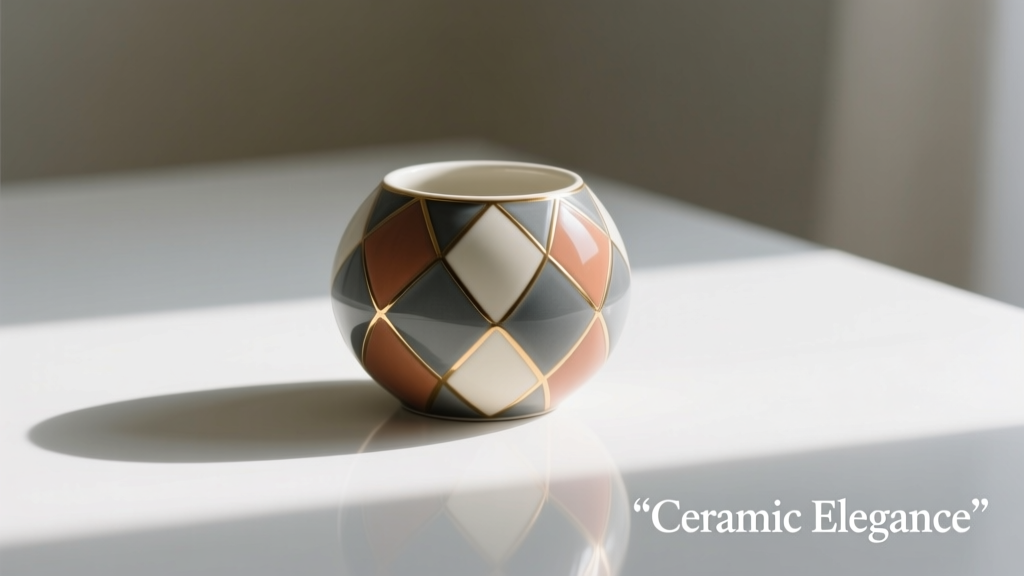
Types of Porcelain Dinnerware Sets
A porcelain dinnerware set is a timeless and elegant choice for dining, suitable for everyday meals, formal gatherings, and special celebrations. Porcelain is known for its durability, smooth finish, and refined appearance. With a wide range of styles and configurations available, selecting the right set depends on your lifestyle, aesthetic preferences, and usage needs. Below is a comprehensive guide to the most popular types of porcelain dinnerware sets on the market today.
Porcelain Dinnerware Set for 12
Ideal for large families and entertaining guests, this comprehensive set is designed to serve up to twelve people. Perfect for weddings, holiday feasts, and dinner parties, a 12-piece-per-person configuration typically includes dinner plates, salad plates, soup bowls, cups, and saucers.
Advantages
- Perfect for hosting large gatherings
- Complete service for formal and casual dining
- Often features elegant, timeless designs
- Neutral tones blend with any kitchen or table decor
Considerations
- Takes up significant storage space
- Higher cost due to quantity and quality
- May be underutilized for smaller households
Best for: Families, frequent entertainers, formal dining settings
Fine China Dinner Set
Synonymous with sophistication, fine china is a premium porcelain variant known for its delicate appearance, translucency, and high-gloss finish. These sets typically include at least six place settings with dinner plates, salad plates, and tea cups, often adorned with intricate floral or geometric patterns.
Advantages
- Exudes elegance and luxury
- Versatile for both formal and semi-formal occasions
- Available in a wide array of artistic designs
- Makes a cherished heirloom or gift
Limitations
- Less durable than other porcelain types
- Requires hand washing or gentle dishwasher cycles
- Higher price point due to craftsmanship
Best for: Special events, holiday dinners, collectors, and gift-giving
Bone China Dinner Set
The most refined and durable of porcelain types, bone china contains finely ground bone ash (up to 45%), giving it a creamy white hue, exceptional strength, and a delicate, lightweight feel. Despite its thinness, it resists chipping and offers a luxurious dining experience.
Advantages
- Strongest and most chip-resistant porcelain
- Lightweight with a soft, elegant appearance
- Translucent when held to light
- Often features gold or silver trim for added elegance
Considerations
- Most expensive porcelain option
- May require special care to preserve metallic accents
- Limited availability in some regions
Best for: Luxury dining, weddings, heirloom collections, and upscale restaurants
Porcelain Plates Set of 6
A compact and practical option, this set includes six dinner or all-purpose plates, ideal for couples, singles, or small households. Some sets also include salad or dessert plates, offering versatility without excess.
Advantages
- Perfect for everyday use and limited storage
- Affordable and easy to replace
- Great for testing styles before investing in larger sets
- Ideal as a secondary or travel set
Limitations
- Not suitable for large gatherings
- Limited variety of pieces (no bowls or cups)
- May not match larger sets if expanded later
Best for: Small households, minimalist lifestyles, starter kitchens
Glazed Porcelain Dinner Set
Featuring a glass-like coating applied during firing, glazed porcelain offers a smooth, non-porous surface that resists stains, scratches, and moisture absorption. This makes it exceptionally hygienic and easy to clean—ideal for daily use and serving acidic or oily foods.
Advantages
- Highly durable and scratch-resistant
- Easy to clean and dishwasher-safe
- Resists staining from sauces, wine, and spices
- Available in vibrant colors and modern patterns
Considerations
- Glaze may show water spots or minor wear over time
- Lower translucency compared to fine or bone china
- Potential for glaze cracking if exposed to thermal shock
Best for: Everyday meals, families with children, casual dining, and outdoor entertaining
| Type | Durability | Elegance | Best Use Case | Maintenance Level |
|---|---|---|---|---|
| Set for 12 | High | High | Entertaining, large families | Medium |
| Fine China | Medium | Very High | Formal events, holidays | High |
| Bone China | Very High | Exceptional | Luxury dining, heirlooms | High |
| Set of 6 | High | Medium | Small households, daily use | Low |
| Glazed Porcelain | Very High | Medium-High | Daily meals, families | Low |
Expert Tip: To extend the life of your porcelain dinnerware, avoid sudden temperature changes (like placing a cold plate in a hot oven), and use non-abrasive cleaners. For bone china with metallic trims, hand washing is recommended to preserve the luster.
Design of Porcelain Dinnerware Sets: Elegance, Functionality, and Style
Advancements in ceramic manufacturing and glazing technologies have significantly expanded the range of porcelain dinnerware designs available today. From hand-painted artistry to precision-engineered finishes, modern porcelain sets blend tradition with innovation. Whether for everyday dining or special occasions, the design of a dinnerware set plays a crucial role in enhancing both the aesthetic of the table and the overall dining experience.
Popular Porcelain Dinnerware Design Styles
Floral Patterns
Floral designs are a timeless staple in porcelain dinnerware, embodying elegance and tradition. These patterns often feature vibrant, hand-painted blossoms—such as roses, peonies, or cherry blossoms—that evoke the charm of botanical gardens. The intricate detailing and rich color palettes make floral sets ideal for creating visually striking tablescapes.
Available in both bold, ornate styles and delicate, understated motifs, floral porcelain is especially popular for formal dinners, weddings, and holiday gatherings. Many heritage brands, like Wedgwood and Royal Copenhagen, have built their reputations on exquisite floral collections that are passed down through generations.
Geometric Designs
For those who appreciate modern minimalism, geometric porcelain dinnerware offers a sleek and contemporary alternative. Inspired by architectural lines and Asian design principles—particularly from Japan and Korea—these sets feature clean shapes, symmetry, and balanced repetition of elements like circles, triangles, and grids.
Typically rendered in monochromatic or neutral tones with subtle accents, geometric patterns complement modern and Scandinavian interiors. Their structured aesthetic brings a sense of order and sophistication to the dining table, making them a favorite among urban professionals and design enthusiasts.
Artistic Motifs
Artistic motif dinnerware transforms plates into functional art pieces. These sets often showcase bold brushwork, narrative scenes, or cultural symbolism—such as landscapes, mythological figures, or abstract expressions. Some feature relief carving, embossing, or cutout detailing that adds texture and depth.
While highly decorative and visually captivating, artistic porcelain is generally best reserved for special occasions due to its intricate nature and sometimes delicate structure. These pieces are often handcrafted by artisans, making each set unique and collectible. They are perfect for showcasing cultural heritage or personal taste during dinner parties and celebrations.
Classic White Porcelain
Timeless and versatile, classic white porcelain remains a cornerstone of elegant tableware. Its understated purity allows food to take center stage, making it ideal for both casual meals and formal banquets. The absence of color or pattern ensures seamless coordination with any table setting, glassware, or napkin color.
Beyond aesthetics, white porcelain is highly practical—resistant to staining, easy to clean, and compatible with modern lifestyles. It’s a favorite in professional kitchens and high-end restaurants for its durability and refined appearance. Brands like Noritake and Lenox have perfected this style, offering sets with subtle rim detailing or luster finishes for added sophistication.
Reactive Glaze Porcelain
Reactive glazing is a cutting-edge technique that produces dynamic, one-of-a-kind surfaces through chemical interactions between multiple glaze layers during high-temperature firing. This process results in organic patterns—such as marbling, crystallization, or feathering—that vary from piece to piece.
Known for their depth and movement, reactive glaze sets often feature rich color combinations like deep cobalt blue, forest green, charcoal gray, and earthy terracotta. Each plate becomes a unique work of art, appealing to those who value individuality and craftsmanship. While stunning, these pieces may require gentle handling to preserve their finish.
| Design Style | Best For | Key Features |
|---|---|---|
| Floral Patterns | Formal dinners, weddings, holidays | Hand-painted flowers, vibrant colors, traditional elegance |
| Geometric Designs | Modern homes, minimalist decor | Clean lines, symmetry, neutral tones |
| Artistic Motifs | Special events, art collectors | Narrative scenes, relief work, cultural themes |
| Classic White Porcelain | Everyday use, professional settings | Timeless look, food-focused, highly durable |
| Reactive Glaze Porcelain | Showcase pieces, unique table settings | Organic patterns, color variation, artisanal finish |
Choosing the Right Design for Your Lifestyle
Tip: Always verify whether your porcelain is microwave-safe, dishwasher-safe, and oven-proof before purchase. While most modern porcelain is durable, hand-painted or metallic-trimmed pieces may require hand washing to preserve their finish. Proper care ensures your dinnerware remains beautiful for years to come.
Scenarios of Porcelain Dinnerware Sets: From Everyday Meals to Special Celebrations
Porcelain dinnerware sets are more than just functional kitchen essentials—they are versatile, elegant, and durable companions for a wide range of dining experiences. Whether you're enjoying a quiet breakfast or hosting a festive holiday dinner, high-quality porcelain enhances both the aesthetic and practical aspects of mealtime. Below is a detailed exploration of how porcelain dinnerware fits seamlessly into various lifestyles and occasions.
Everyday Use
Modern porcelain, particularly bone china, strikes an ideal balance between strength and elegance, making it perfect for daily meals. Designed to withstand regular use, many porcelain sets are microwave-safe and dishwasher-friendly, simplifying meal prep and cleanup.
- Ideal for breakfast routines—pair a cup, saucer, and small plate for toast, fruit, or pastries
- Bone china is known for its durability, chip resistance, and lightweight feel
- Dishwasher compatibility ensures quick, hygienic cleaning after busy mornings
- Microwave-safe properties allow for reheating leftovers without transferring dishes
Practical tip: Choose solid-color or subtly patterned sets for everyday use to minimize visible wear and stains.
Formal Dining Occasions
Porcelain dinnerware elevates formal events with its refined appearance and timeless sophistication. Whether it's a holiday feast, wedding reception, or business dinner, a well-chosen porcelain set adds a touch of luxury to the table.
- Enhances food presentation—light-reflecting surfaces make dishes look more appetizing
- Available in intricate designs with gold trim, embossed patterns, or hand-painted details
- Complements fine linens, glassware, and silverware for a complete upscale table setting
- Often part of multi-piece collections (dinner plates, salad plates, soup bowls, etc.)
Style insight: White or ivory porcelain provides a neutral backdrop that highlights gourmet plating and seasonal decor.
Casual Gatherings
For relaxed meetups with family and friends, porcelain offers the perfect blend of style and practicality. Unlike delicate glass or ceramic, quality porcelain resists chipping and cracking under normal use, making it ideal for informal yet thoughtful entertaining.
- Durable enough for backyard barbecues, brunches, or game-night snacks
- Easy to clean—simply load into the dishwasher after the event
- Guests can enjoy meals without fear of breaking fragile dishes
- Available in modern, minimalist, or rustic styles to match your home’s vibe
Host-friendly benefit: Porcelain sets reduce post-party cleanup stress while maintaining a polished table aesthetic.
Special Occasions & Celebrations
Holidays like Christmas, Thanksgiving, and New Year’s Eve call for tableware that reflects the joy and significance of the moment. A porcelain plates set of 6 or larger is ideal for serving large meals and accommodating guests in style.
- Seasonal designs (e.g., snowflakes, holly, or floral motifs) enhance festive decor
- Larger sets ensure consistency across the table for a cohesive, elegant look
- Thermal stability allows serving both hot and cold dishes safely
- Stackable designs save storage space when not in use
Pro tip: Invest in a dedicated holiday set to preserve its condition and make seasonal traditions even more special.
Gift Giving
Porcelain dinnerware makes a thoughtful, long-lasting gift for newlyweds, new homeowners, or loved ones celebrating milestones. With a vast array of colors, patterns, and sizes, there's a porcelain set to suit every taste and interior design preference.
- Perfect for weddings, anniversaries, housewarmings, and birthdays
- High perceived value with lasting utility—unlike consumable gifts
- Many brands offer gift-ready packaging with protective boxes and ribbons
- Customizable options include monogramming or curated color palettes
Gifting idea: Pair a 4- or 6-piece dinner set with matching serving bowls for a complete starter collection.
Long-Term Value & Care
With proper care, porcelain dinnerware can last for decades, making it a sustainable and economical choice over time.
- Resistant to staining and odor absorption when glazed properly
- Avoid thermal shock by not transferring directly from oven to cold surface
- Use non-abrasive cleaners to preserve finish and patterns
- Store with protective padding between plates to prevent scratches
Durability note: High-fired porcelain is less porous than ceramic, offering superior resistance to moisture and bacteria.
Expert Recommendation: Choose versatile, neutral-toned porcelain sets for everyday and casual use, and reserve decorative or themed sets for holidays and formal events. This approach maximizes usability while preserving the specialness of occasion-specific pieces. For gifting, opt for classic designs that transcend trends—like white bone china with a subtle rim detail—for lasting appeal.
| Occasion | Recommended Set Size | Design Features | Care & Usage Tips |
|---|---|---|---|
| Everyday Meals | 4–6 piece per person | Solid colors, matte or gloss finish | Dishwasher & microwave safe; avoid stacking when wet |
| Formal Dining | Full place settings (5+ pieces) | Ornate patterns, metallic accents | Hand wash recommended; store with plate protectors |
| Casual Gatherings | 6–8 dinner sets | Modern, rustic, or nature-inspired | Dishwasher safe; durable for outdoor use |
| Holidays & Festivals | 6+ piece sets with serving ware | Seasonal motifs, festive colors | Use seasonally; store in padded containers |
| Gift Giving | 4–6 piece starter sets | Classic designs, gift-ready packaging | Include care instructions; choose timeless styles |
Additional Considerations
- Material Quality: Look for vitrified or high-fired porcelain for maximum durability and water resistance
- Eco-Friendliness: Porcelain is non-toxic, recyclable, and long-lasting, reducing single-use dish waste
- Weight & Feel: Bone china is lighter than stoneware, offering a refined dining experience
- Brand Reputation: Trusted manufacturers often provide warranties and consistent glaze quality
- Compatibility: Ensure sets are oven-safe (if needed) and compatible with modern kitchen appliances
Specification & Maintenance of Porcelain Dinnerware Set
Porcelain dinnerware combines elegance, durability, and functionality, making it a staple in both everyday and formal dining settings. Understanding its material properties and proper care techniques ensures longevity, preserves aesthetic appeal, and maintains hygiene. Whether you own a simple set for daily use or an ornate collection for special occasions, this comprehensive guide provides detailed insights into the specifications and maintenance practices essential for preserving your porcelain dinnerware.
Important Note: While most porcelain is durable, improper handling or exposure to extreme conditions can lead to chipping, cracking, or glaze damage. Always follow manufacturer guidelines, especially for pieces with metallic trims or hand-painted designs.
Comprehensive Specifications of Porcelain Dinnerware
Porcelain is a high-fired ceramic known for its strength, translucency, and smooth finish. It is crafted from refined clay, feldspar, and quartz, fired at extremely high temperatures to achieve a dense, non-porous structure.
- Common Components in a Set:
- Dinner plates (typically 10–11 inches in diameter)
- Side or salad plates (7–9 inches)
- Soup or cereal bowls (6–8 inches)
- Cups and saucers (for tea or coffee service)
- Platters, serving bowls, and specialty pieces (in formal sets)
- Firing Temperature & Durability:
Porcelain is fired between 1,200°C and 1,450°C (2,192°F to 2,642°F), resulting in a vitrified, glass-like structure that is highly resistant to thermal shock and mechanical wear. This makes it suitable for serving hot food and, in many cases, for use in ovens and microwaves.
- Microwave & Oven Safety:
Most porcelain dinnerware is microwave-safe due to its non-conductive nature. However, pieces with metallic accents (such as gold or silver trim) should never be used in microwaves, as they can cause sparking or damage. Always check manufacturer labels for oven safety—some porcelain can withstand oven temperatures up to 500°F (260°C), but sudden temperature changes should be avoided.
- Glaze Properties:
The glaze applied to porcelain is typically non-porous, creating a hygienic surface that resists staining, odor absorption, and bacterial growth. This makes porcelain ideal for food service and long-term storage of leftovers.
- Design & Aesthetic Variety:
Porcelain sets are available in a wide range of styles—from minimalist, modern designs to intricately hand-painted patterns. This versatility allows them to complement casual dining as well as formal table settings.
- Types of Porcelain:
- Hard-Paste Porcelain: The original form, known for its strength and translucency. Often used in fine dining ware.
- Bone China: Contains bone ash (up to 50%), making it thinner, lighter, and more translucent than standard porcelain, while also being exceptionally strong.
- Soft-Paste Porcelain: Less durable and fired at lower temperatures; more prone to chipping but often used for decorative pieces.
Best Practices for Porcelain Dinnerware Maintenance
Proper care extends the life of your porcelain set and preserves its appearance. Follow these expert-recommended practices to keep your dinnerware in pristine condition.
- Cleaning Methods:
Hand washing with a mild detergent and a soft sponge or cloth is the safest method to prevent scratches and glaze wear. While many porcelain sets are labeled as dishwasher-safe, it's best to place them on the top rack to minimize exposure to high water pressure and heat from the heating element.
- Avoiding Abrasives:
Never use steel wool, abrasive scrubbers, or harsh cleaning agents like bleach or ammonia-based cleaners. These can scratch the surface or dull the glaze, especially on hand-painted or metallic-trimmed pieces.
- Color & Finish Preservation:
To maintain vibrant colors and prevent fading, store porcelain away from direct sunlight. UV exposure over time can degrade pigments, particularly in hand-decorated or antique pieces.
- Stacking & Storage:
When stacking plates or bowls, place a soft liner—such as a felt pad, microfiber cloth, or foam spacer—between each piece to prevent micro-scratches and chipping. Avoid stacking too high to reduce pressure on the bottom pieces.
- Temperature Management:
Porcelain is sensitive to sudden temperature changes. Do not transfer a cold dish directly into a hot oven or pour boiling liquid into a cold porcelain bowl. Allow items to reach room temperature first to prevent thermal shock and cracking.
- Regular Inspection:
Periodically examine your dinnerware for chips, cracks, or signs of glaze deterioration. Even small chips can grow over time or harbor bacteria. Remove damaged pieces from regular use, especially if they have sharp edges.
- Storage Environment:
Store porcelain in a cool, dry, dust-free cabinet. Avoid humid areas like under the sink or near dishwashers, as moisture can degrade packaging or promote mold growth on stored items.
- Handling Special Finishes:
For sets with gold or silver trim, hand washing is strongly recommended. Dishwasher detergents can erode metallic finishes over time, leading to tarnishing or flaking. Also, avoid using silver polish on porcelain-trimmed items, as it may damage the glaze.
| Care Aspect | Recommended Practice | Common Mistakes to Avoid | Tools & Supplies |
|---|---|---|---|
| Cleaning | Hand wash with mild soap and soft sponge; use top rack in dishwasher if labeled safe | Using abrasive pads or harsh chemicals | Mild detergent, soft sponge, microfiber cloth |
| Storage | Use cloth or foam liners between stacked items; store in dry cabinet | Stacking without protection; storing in humid areas | Felt pads, storage boxes, silica gel packs |
| Temperature Use | Allow gradual temperature changes; check oven/microwave safety | Exposing cold porcelain to sudden heat | Room temperature acclimation, manufacturer labels |
| Inspection | Check for chips, cracks, and glaze wear monthly | Ignoring small damages | Flashlight, magnifying glass (for detailed inspection) |
| Specialty Items | Hand wash only; avoid microwave if metallic trim present | Putting gold-rimmed dishes in dishwasher or microwave | Gentle cleaners, non-abrasive cloths |
Expert Tip: If you notice cloudiness or etching on your porcelain, it may be due to hard water or aggressive dishwasher detergents. Try using a rinse aid or switching to a gentler detergent. For stubborn film, a vinegar-water solution (1:1) can help restore clarity—rinse thoroughly afterward.
Long-Term Care & Collection Management
- Keep original packaging or use padded dividers for long-term storage of fine or collectible sets.
- Replace broken or chipped pieces when possible to maintain set uniformity and usability.
- Consider using everyday sets for regular meals and reserving fine porcelain for special occasions.
- For antique or valuable collections, consult a ceramics specialist for restoration or conservation advice.
- Document your set (photos and inventory) for insurance or appraisal purposes.
By understanding the unique properties of porcelain and following these detailed maintenance guidelines, you can enjoy your dinnerware for generations. Proper care not only preserves functionality but also honors the craftsmanship and artistry inherent in each piece. When in doubt, always refer to the manufacturer’s care instructions—especially for delicate or decorated porcelain—to ensure safe and lasting use.
Frequently Asked Questions About Porcelain Dinnerware Care
Q1: Is it possible to wash porcelain dinnerware in a dishwasher?Yes, many porcelain dinnerware sets are designed to be dishwasher-safe, especially those labeled as such by the manufacturer. However, this depends on the quality and type of porcelain:
- Everyday Porcelain: Most standard porcelain dishes can withstand regular dishwasher cycles when placed securely on the top or bottom rack to avoid clattering.
- High-End Fine China & Bone China: These delicate varieties are best washed by hand using mild detergent and lukewarm water to preserve intricate designs, luster, and glaze integrity.
- Dishwasher Tips: Use a gentle cycle, avoid high-temperature drying, and ensure adequate spacing between pieces to prevent chipping or scratching.
Repeated exposure to harsh detergents and high heat in dishwashers may gradually dull finishes or weaken older pieces over time. When in doubt, hand-washing is the safest option for valuable or vintage porcelain sets.
Q2: Why does porcelain dinnerware chip sometimes?Porcelain, while durable and resilient, is still a ceramic material and can chip under certain conditions. Common causes include:
- Physical Impact: Dropping a plate or allowing dishes to knock together during washing or storage can lead to chipping, especially along edges and rims.
- Thermal Shock: Sudden temperature changes—such as placing a cold porcelain dish directly into a hot oven or microwave, or pouring boiling liquid into a chilled bowl—can cause stress fractures or breakage.
- Improper Handling: Stacking without protection or using metal utensils that scratch the surface can weaken the structure over time.
To minimize damage, always handle porcelain with care, avoid extreme temperature transitions, and allow items to reach room temperature before exposing them to heat or cold.
Q3: Are all porcelain dinnerware sets suitable for microwave use?No, not all porcelain dinnerware is microwave-safe. While pure porcelain generally performs well in microwaves due to its ability to withstand high temperatures, there are important exceptions:
- Metallic Accents: Dishes with gold, silver, or platinum trim (common in decorative or formal sets) should never be used in the microwave, as metal can spark, cause arcing, or damage the appliance.
- Glaze Composition: Some lower-quality glazes may contain trace metals or impurities that react poorly under microwave radiation.
- Certification: Always check for a “microwave-safe” label on the packaging or underside of the piece. If unsure, perform a simple test: place the dish in the microwave next to a glass of water and heat for one minute. If the dish remains cool, it’s likely safe; if it heats up, it’s absorbing energy and should not be used.
When used correctly, microwave-safe porcelain provides even heating and retains warmth effectively, making it ideal for serving and reheating food.
Q4: How should one store a porcelain dinnerware set when not in use?Proper storage is essential to maintain the appearance and longevity of your porcelain dinnerware. Follow these best practices:
- Dry Environment: Store in a cool, dry place to prevent moisture buildup, which can lead to staining or mold growth, especially on fabric-lined cabinets.
- Dust Protection: Keep pieces covered with breathable cloths or in closed cabinets to protect against dust, insects, and accidental spills.
- Stacking Safely: If stacking plates or bowls, place soft separators—such as felt pads, linen cloths, or foam liners—between each item to prevent scratching and chipping.
- Avoid Overloading: Don’t stack too many pieces too tightly, as pressure can cause cracks or stress fractures over time.
- Specialty Storage: For heirloom or collectible sets, consider using original packaging or custom inserts to provide maximum protection.
Regular inspection during storage can help detect early signs of damage or environmental issues, ensuring your set remains in pristine condition for years to come.
Q5: What causes some porcelain dinnerware to have a "ping" sound when tapped?The clear, ringing "ping" sound produced when lightly tapping high-quality porcelain is a traditional indicator of superior craftsmanship and material density. This acoustic property results from several key manufacturing factors:
- High-Firing Temperatures: Porcelain is fired at extremely high temperatures (typically between 1,200°C and 1,450°C), which vitrifies the clay, making it non-porous, hard, and acoustically resonant.
- Density and Thinness: Well-made porcelain is both dense and thin, allowing it to vibrate cleanly when struck, much like a bell.
- Material Purity: The use of refined kaolin clay and precise formulations contributes to structural uniformity, enhancing the clarity of the sound.
This distinctive ping is often associated with fine bone china and premium porcelain, and is considered a hallmark of durability, quality, and authenticity. In contrast, lower-grade ceramics tend to produce a dull thud due to air pockets, uneven thickness, or lower firing temperatures.









