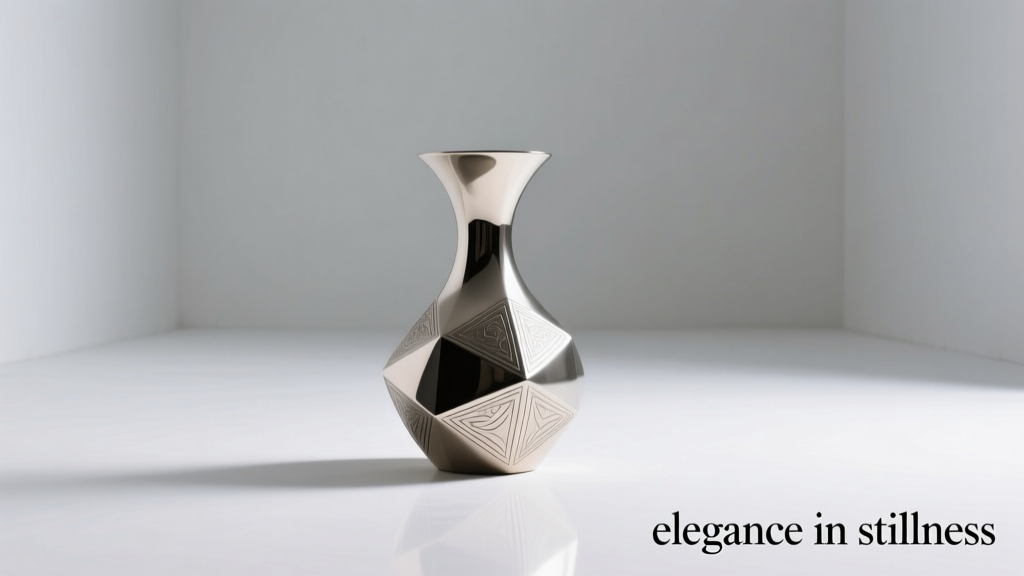
Types of Olive Oil Bottle Ceramics
A ceramic olive oil bottle is more than just a container—it's a blend of artistry, functionality, and preservation. These handcrafted vessels are designed to protect olive oil from light and air while enhancing kitchen aesthetics. With various styles available, each type serves a unique role in both culinary and decorative contexts.
Traditional Amphora-Inspired Bottles
Modeled after ancient Greek and Roman amphoras, these bottles feature a wide body and narrow neck—designed for stability and efficient storage.
Advantages
- Excellent storage capacity
- Authentic, timeless aesthetic
- Promotes slow oxidation with tight seal
- Ideal for rustic or Mediterranean décor
Limitations
- Bulky design may not fit small spaces
- Pouring can be less precise
- Heavier than modern alternatives
Best for: Home kitchens with traditional themes, gift sets, bulk olive oil storage
Minimalist Design Bottles
Characterized by clean lines, smooth textures, and neutral tones, these bottles embrace modern simplicity and functional elegance.
Advantages
- Sleek, space-saving design
- Complements contemporary kitchens
- Often includes drip-free spouts
- Easy to clean and maintain
Limitations
- Smaller capacity
- Limited decorative detailing
- May lack UV protection if glazed poorly
Best for: Modern interiors, fine dining tables, minimalist lifestyles
Spouted Bottles
Engineered for precision, these ceramic bottles feature a built-in spout or elongated neck to enable controlled, mess-free pouring.
Advantages
- Precise oil dispensing
- Reduces countertop mess
- Ideal for salad dressings and drizzling
- Often includes stopper or cap for freshness
Limitations
- Spout can clog without regular cleaning
- More fragile than plastic dispensers
- Limited capacity
Best for: Everyday cooking, dressing bottles, restaurant use
Infused Oil Bottles
Designed specifically for herb- or garlic-infused oils, these bottles often feature transparent or semi-transparent glazes to showcase the ingredients.
Advantages
- Visual appeal enhances presentation
- Encourages homemade infusions
- Great for gifting or tableside use
- Allows monitoring of oil clarity and freshness
Limitations
- Requires refrigeration or short-term use
- Higher risk of bacterial growth (e.g., botulism)
- Needs careful cleaning between uses
Best for: Flavor experimentation, gourmet cooking, decorative kitchen accents
Decorative Vases
These artistic ceramic pieces prioritize aesthetics over utility, often featuring hand-painted patterns, embossing, or sculptural forms.
Advantages
- Unique centerpiece for dining or living areas
- Can double as oil storage (if food-safe)
- Supports artisan craftsmanship
- Makes a memorable gift
Limitations
- Not always functional for daily use
- May lack airtight seals
- Higher price due to artistic value
Best for: Art collectors, special occasions, home décor displays
| Type | Functionality | Aesthetic Value | Storage Capacity | Best Use Case |
|---|---|---|---|---|
| Amphora-Inspired | High | Excellent | Large | Traditional kitchens, bulk storage |
| Minimalist Design | High | Good | Small to Medium | Modern homes, daily use |
| Spouted Bottles | Very High | Good | Medium | Cooking, dressings, precision pouring |
| Infused Oil Bottles | Medium | Excellent | Small to Medium | Gourmet cooking, visual presentation |
| Decorative Vases | Low to Medium | Exceptional | Variable | Artistic display, gifting |
Expert Tip: To preserve olive oil quality, always store ceramic bottles in a cool, dark place. Even with opaque ceramics, avoid direct sunlight to prevent oxidation and flavor degradation.
Design of Olive Oil Bottles in Ceramic: Tradition, Modernity, and Minimalism
Ceramic olive oil bottles have evolved significantly over the years, blending functionality with aesthetic appeal. As consumers become more conscious of both preservation and presentation, the design of ceramic bottles has taken center stage. Unlike glass, ceramic offers superior insulation, UV protection, and a unique artisanal charm that enhances the premium perception of olive oil. Understanding the key design styles—traditional, contemporary, and minimalist—helps buyers make informed choices based on usage, storage needs, and visual harmony with their kitchen or brand identity.
Traditional Olive Oil Bottle Design
Heritage and Functionality
Traditional ceramic olive oil bottles are inspired by centuries-old Mediterranean craftsmanship. These bottles typically feature a narrow neck and a broad, stable base—designed to minimize oxidation and spillage while maximizing storage stability. Historically, dark-colored ceramics in shades of green, brown, or black were used to mimic the UV-protective qualities of dark glass, shielding the oil from light degradation and preserving its freshness, flavor, and nutritional value.
The design often includes functional elements such as built-in spouts, drip-free lips, or thin, looped handles that facilitate controlled pouring—essential for culinary precision. These features reflect a deep understanding of practical kitchen needs passed down through generations.
Aesthetic and Cultural Significance
What sets traditional ceramic bottles apart is their cultural resonance. Many are adorned with hand-embossed motifs, such as olive branches, geometric patterns, or regional symbols, celebrating the heritage of olive cultivation. These tactile designs not only add visual interest but also convey authenticity and artisanal quality.
Because ceramic naturally insulates against temperature fluctuations, traditional bottles help maintain consistent oil quality—making them ideal for long-term storage in pantries or cellars. Their timeless appearance also makes them popular as heirloom gifts or decorative pieces in rustic and farmhouse-style kitchens.
Contemporary Olive Oil Bottle Design
Innovative Shapes and Ergonomic Features
Modern ceramic olive oil bottles embrace innovation in both form and function. Designers are experimenting with sleek, aerodynamic silhouettes, asymmetrical profiles, and sculptural contours that reflect current trends in industrial design. These bottles often feature precision-engineered spouts for smooth, drip-free pouring and ergonomic grips or textured surfaces for better handling, even with oily hands.
Some high-end models integrate magnetic lids or interchangeable caps, allowing users to switch between pour, spray, or seal modes—enhancing versatility in the kitchen. The focus is on user experience, combining ease of use with aesthetic sophistication.
Color and Artistic Expression
Unlike traditional bottles, contemporary ceramic designs are available in a vibrant palette, including cobalt blue, terracotta red, deep purple, and metallic glazes. These colors are achieved through advanced firing techniques and food-safe glazes, making them both durable and visually striking.
Many modern bottles feature hand-painted details, such as swirling vine patterns, abstract olive grove scenes, or minimalist line art—transforming the bottle into a piece of functional art. This artistic approach appeals to boutique producers, gourmet brands, and interior-conscious consumers who view kitchenware as an extension of personal style.
Minimalist Olive Oil Bottle Design
Simplicity and Elegance
The minimalist movement in ceramic bottle design emphasizes clean lines, balanced proportions, and understated elegance. These bottles avoid ornamental details in favor of smooth, unadorned surfaces and simple cylindrical or rectangular forms. Common colors include matte white, soft gray, charcoal black, and natural clay tones—chosen for their ability to blend seamlessly into modern, clutter-free kitchens.
The design philosophy centers on “less is more,” where the beauty lies in the purity of form and the quality of materials. Minimalist bottles often use subtle textural finishes—such as satin glaze or lightly ribbed sides—to add tactile interest without visual noise.
Function-Driven Aesthetics
Minimalist doesn’t mean impractical. These bottles are engineered for performance: wide mouths for easy filling and cleaning, precision spouts for controlled dispensing, and balanced weight distribution for comfortable use. The focus is on durability, usability, and timelessness—avoiding trends that may quickly feel outdated.
Popular among eco-conscious consumers and high-end culinary professionals, minimalist ceramic bottles align with values of sustainability, mindfulness, and intentionality. They serve not only as storage vessels but as statements of refined taste and thoughtful living.
| Design Style | Key Features | Ideal For |
|---|---|---|
| Traditional | Narrow neck, wide base, dark colors, embossed patterns, spout or handle | Long-term storage, rustic décor, heritage brands, gift sets |
| Contemporary | Bold colors, sculptural shapes, hand-painted art, ergonomic grips | Modern kitchens, gourmet brands, restaurants, design enthusiasts |
| Minimalist | Simple shapes, neutral tones, matte finishes, functional spouts | Modern interiors, eco-conscious users, professional chefs, clutter-free spaces |
Choosing the Right Ceramic Olive Oil Bottle
Important: Always ensure that ceramic olive oil bottles are made with food-grade materials and properly sealed to prevent contamination. Avoid bottles with micro-cracks or unglazed interiors, as they can harbor bacteria or absorb oils over time. Regular cleaning with mild, non-abrasive detergents will preserve both functionality and appearance. Properly designed ceramic bottles not only enhance the sensory experience of using olive oil but also contribute to its longevity and quality.
Function, Features, and Uses of Ceramic Olive Oil Bottles
Choosing the right storage solution for olive oil is essential to preserving its quality, flavor, and health benefits. Among the most effective and stylish options are ceramic olive oil bottles, which combine functional protection with aesthetic appeal. Understanding their function, key features, and diverse usage scenarios helps buyers—whether home cooks, professional chefs, or gift shoppers—make informed decisions that enhance both kitchen performance and presentation.
Function: Superior Oil Preservation
Ceramic olive oil bottles are specifically designed to protect oil from one of its biggest enemies: light exposure. Unlike glass or plastic containers that may allow UV rays to penetrate, ceramic is naturally opaque and blocks 100% of light, significantly reducing oxidation and rancidity. This protection helps maintain the oil’s freshness, aroma, and nutritional value—especially its antioxidant content—over extended periods.
- Blocks UV and visible light completely, preventing photo-oxidation
- Stable material resists temperature fluctuations, minimizing thermal degradation
- Available in various shapes—cylindrical, conical, or artisan-crafted designs—to suit different storage needs and kitchen styles
- Equipped with practical dispensing options such as spouts, pour rings, screw caps, or cork stoppers for controlled use and airtight sealing
Key benefit: Extends shelf life of premium extra virgin olive oil by shielding it from environmental damage.
Features: Artistry, Safety, and Practicality
Beyond their protective function, ceramic olive oil bottles stand out for their craftsmanship and safety features. Most are handcrafted by skilled artisans, making each piece a unique work of art with distinctive glazes, hand-painted patterns, or textured finishes. These aesthetic qualities make them ideal for modern, rustic, or Mediterranean-style kitchens.
- Made with food-safe, lead-free glazes to ensure no harmful chemicals leach into the oil
- Heat-resistant ceramics allow safe placement near stoves or ovens (though not for direct cooking)
- Some models include built-in funnels or wide mouths for easy filling and reduced spillage
- Non-porous surfaces resist odors and stains, ensuring long-term hygiene and appearance
- Eco-friendly and recyclable, aligning with sustainable kitchen practices
Design insight: The fusion of functionality and artistry makes ceramic bottles both practical tools and decorative centerpieces.
Usage Scenarios: Versatile Applications
Ceramic olive oil bottles are not limited to simple storage—they serve multiple roles across different environments, enhancing both utility and ambiance.
- Home Kitchens: Ideal for daily use in cooking, drizzling over salads, or finishing dishes with a fresh touch of oil. Their elegant design complements modern countertops and open shelving.
- Restaurants & Cafés: Frequently used in Mediterranean and farm-to-table eateries to present high-quality oil on tables, allowing guests to season dishes at will while maintaining freshness.
- Décor & Tabletop Displays: Their artistic appeal makes them popular as decorative accents in dining rooms, kitchens, or as part of themed table settings.
- Gifting: A thoughtful and sophisticated gift for food enthusiasts, newlyweds, or housewarmings—especially when filled with premium olive oil and paired with herbs or spices.
- Specialty Oil Storage: Perfect for storing infused oils, truffle oil, or other gourmet varieties that benefit from dark, stable conditions.
Pro tip: Pair with a matching ceramic vinegar dispenser for a coordinated, functional set.
Comparison: Ceramic vs. Other Materials
| Material | Light Protection | Style & Aesthetics | Durability | Best For |
|---|---|---|---|---|
| Ceramic | Excellent (opaque) | High (handcrafted, decorative) | Good (breakable but stable) | Long-term storage, kitchen décor, gifting |
| Dark Glass | Good (blocks some UV) | Moderate (sleek, modern) | Good (fragile) | Balanced performance and visibility |
| Clear Glass | Poor (allows full light exposure) | Moderate | Good | Short-term use or decorative pouring |
| Plastic | Fair (varies by opacity) | Low | Fair (can degrade or absorb odors) | Budget or travel use |
Expert Recommendation: For optimal olive oil preservation, store your ceramic bottle in a cool, dry place away from direct sunlight—even though it’s lightproof, heat can still degrade oil quality. Always clean the bottle thoroughly before refilling, and avoid using abrasive scrubbers to preserve the glaze. Choose bottles with removable pour spouts for easier cleaning and maintenance.
Additional Considerations
- Capacity Options: Available in sizes from 250ml to 1L, catering to individual use or family-sized needs.
- Refillability: Designed for reuse, supporting eco-conscious habits and reducing single-use packaging waste.
- Labeling: Some bottles include space for labeling oil type or date of filling to track freshness.
- Compatibility: Works with all types of olive oil, including extra virgin, infused, and organic varieties.
- Brand Value: High-end ceramic brands often collaborate with artisans, supporting traditional craftsmanship and fair-trade practices.
How to Choose Olive Oil Bottle Ceramics
Selecting the right ceramic olive oil bottle is more than just a design decision—it's a crucial step in preserving the quality, flavor, and longevity of your premium olive oil. The ideal bottle balances functionality, protection, and aesthetic appeal. Whether you're storing extra virgin olive oil for daily use or showcasing a specialty bottle on your dining table, understanding the key selection criteria ensures both performance and elegance.
Important Note: Exposure to light, air, and heat can degrade olive oil rapidly. A well-chosen ceramic bottle helps mitigate these risks by providing natural insulation and UV protection, maintaining the oil’s freshness, aroma, and nutritional benefits.
Key Factors in Choosing Ceramic Olive Oil Bottles
- Material Quality and Glazing
The foundation of an effective olive oil ceramic bottle lies in its construction. High-density, non-porous clay—such as stoneware or terracotta—is ideal because it minimizes light transmission and provides excellent thermal stability. Opaque ceramics are preferred over translucent ones to block harmful UV rays that accelerate oxidation.
Equally important is the quality of the glaze. A fully vitrified, food-safe glaze prevents micro-cracks where bacteria could grow and ensures no harmful substances (like lead or cadmium) leach into the oil. Always verify that the glaze is labeled as lead-free and suitable for food contact. A smooth, even glaze also makes cleaning easier and reduces oil residue buildup.
- Size and Capacity
Choosing the right capacity depends on your consumption habits and storage space. Smaller 250–500ml bottles are perfect for high-end, cold-pressed olive oils used sparingly in dressings or finishing dishes. These allow for quicker turnover, minimizing exposure to air.
Larger 750ml–1L bottles are better suited for everyday cooking oils or households that use olive oil frequently. However, avoid overfilling large containers, as prolonged air contact after each pour can degrade oil quality. Consider having multiple smaller bottles for different oil types to optimize freshness.
- Spout and Seal Design
Precision pouring is essential in both cooking and presentation. Bottles with narrow spouts, flip-top caps, or built-in pour spouts offer controlled flow, reducing drips and waste. Look for ergonomic designs that allow one-handed operation and smooth oil release.
An airtight seal is critical for preserving freshness. Cork stoppers, silicone gaskets, or screw-top lids with inner seals help prevent oxygen ingress and minimize evaporation. A tight seal also prevents the oil from absorbing surrounding odors and reduces the risk of rancidity. Replace worn stoppers regularly to maintain effectiveness.
- Style and Aesthetic Integration
While functionality is paramount, the visual appeal of your olive oil bottle contributes to your kitchen’s ambiance. Ceramic bottles come in a wide range of styles—from minimalist modern designs to rustic Mediterranean or artisanal hand-painted finishes.
Choose a style that complements your kitchen décor, whether it’s farmhouse, contemporary, or traditional. Transparent display shelves or countertops are ideal for showcasing beautifully crafted bottles. However, if the bottle will be stored in a cabinet, prioritize function over form, unless you plan to bring it out for serving.
- Price, Craftsmanship, and Value
Ceramic olive oil bottles vary widely in price, reflecting differences in craftsmanship, origin, and materials. Mass-produced bottles offer affordability and consistency, but may lack unique design elements or superior insulation properties.
Handcrafted or artisanal bottles often feature superior clay quality, hand-applied glazes, and distinctive designs. While more expensive, they serve as both functional tools and decorative pieces. When evaluating value, consider durability, ease of cleaning, and long-term performance—not just appearance. Investing in a high-quality bottle can enhance your culinary experience and protect your investment in premium olive oil.
| Selection Factor | Best Features | Avoid | Recommended For |
|---|---|---|---|
| Material Quality | High-density clay, opaque body, food-safe glaze | Thin walls, translucent ceramics, unverified glazes | All olive oil types, especially extra virgin |
| Size & Capacity | 250–500ml (premium oils), 750ml–1L (daily use) | Oversized containers for infrequent use | Matching bottle size to usage frequency |
| Spout & Seal | Narrow spout, silicone gasket, screw cap or cork | Wide openings, loose-fitting lids | Pour accuracy and long-term freshness |
| Aesthetic Style | Complements kitchen décor, easy to clean | Overly ornate designs that trap oil residue | Display areas and dining table use |
| Price & Craftsmanship | Handmade, durable, functional design | Low-cost ceramics with poor glaze or fit | Long-term use and gift-giving |
Expert Tip: Store your ceramic olive oil bottle in a cool, dark cabinet away from stoves or windows. Even opaque ceramics can transmit some heat, so minimizing temperature fluctuations helps preserve oil quality. Refill from a larger dark glass container stored in a pantry for optimal freshness.
Additional Tips for Optimal Olive Oil Storage
- Clean your ceramic bottle regularly with warm water and mild detergent—avoid harsh scrubbing that could damage the glaze.
- Never store olive oil in the refrigerator, as condensation and cold temperatures can alter texture and flavor.
- Label your bottle with the oil type and purchase date to track freshness.
- Pair your ceramic bottle with a funnel for mess-free refilling.
- Consider purchasing a second bottle to separate flavored or infused oils from your primary extra virgin olive oil.
Choosing the right ceramic olive oil bottle is a blend of science and art. By prioritizing material integrity, proper sealing, and thoughtful design, you protect your olive oil’s delicate compounds while enhancing your kitchen’s visual appeal. Whether you opt for a simple, functional vessel or a handcrafted centerpiece, the right bottle ensures every drop of oil remains as fresh and flavorful as the day it was bottled.
Frequently Asked Questions About Ceramic Olive Oil Bottles
Q1: What are the advantages of a ceramic olive oil bottle compared to other materials?Ceramic olive oil bottles offer several distinct advantages over alternatives like glass, plastic, or metal containers. One of the most significant benefits is their ability to block 100% of light, including harmful UV rays, which helps prevent oxidation and preserves the oil’s flavor, aroma, and nutritional value—especially important for high-quality extra virgin olive oil.
- Light Protection: Unlike clear glass or transparent plastic, ceramic is opaque, shielding the oil from light exposure that accelerates spoilage.
- Nonreactive Material: Ceramic does not interact chemically with olive oil, unlike certain metals (such as aluminum or copper), which can leach into the oil and alter its taste or quality over time.
- Airtight Sealing: Many ceramic bottles come with secure closures like cork stoppers, screw caps, or pour spouts that minimize oxygen exposure—another key factor in preventing rancidity.
- Thermal Stability: Ceramic has natural insulating properties, helping maintain a consistent internal temperature and further protecting the oil from heat fluctuations.
These features make ceramic an ideal long-term storage solution for preserving the freshness and health benefits of premium olive oils.
Q2: Can olive oil remain fresh for extended periods when stored in ceramic bottles?Yes, olive oil stored in high-quality ceramic bottles can stay fresh for six months to a year, provided it is kept in optimal conditions—away from heat, light, and air. The combination of full light blockage and airtight sealing significantly slows down the oxidation process, which is the primary cause of oil degradation.
- Oxidation Prevention: By eliminating light and limiting oxygen contact, ceramic bottles help retain the oil’s polyphenols and antioxidants, which contribute to both flavor and health benefits.
- Flavor Retention: Users often report that olive oil stored in ceramic maintains its fruity, peppery notes much longer than oil stored in clear containers.
- Best Practices: For maximum shelf life, fill the bottle completely to reduce air space, store it in a cool, dark cabinet, and use clean utensils when dispensing.
While no container can stop aging entirely, ceramic offers one of the best home storage options for extending olive oil freshness safely and naturally.
Q3: How should users clean their ceramic olive oil bottles to maintain them properly?Proper cleaning ensures your ceramic olive oil bottle remains hygienic and ready for refills without compromising future oil quality. Here’s a recommended cleaning process:
- Hand Wash Only: Always clean the bottle by hand using warm water and mild dish soap. Avoid dishwashers, as the high heat and mechanical agitation can crack or damage ceramic, especially if it has delicate glazing or handcrafted finishes.
- Use a Soft Sponge: Gently scrub both the interior and exterior to remove oil residue without scratching the surface.
- Tackle Stubborn Residue: For dried or sticky oil buildup, create a paste of baking soda and water. Apply it with a soft cloth or bottle brush—its mild abrasiveness lifts grime without harming the ceramic.
- Dry Thoroughly: After washing, invert the bottle on a drying rack and allow it to air-dry completely before refilling to prevent moisture contamination.
Regular maintenance not only extends the life of the bottle but also prevents off-flavors from developing due to rancid oil remnants.
Q4: Are certain designs of ceramic olive oil bottles more beneficial than others?Absolutely. The design of a ceramic olive oil bottle affects both functionality and preservation. Choosing the right style can enhance convenience, freshness, and aesthetic appeal in your kitchen.
| Design Feature | Benefits | Recommendations |
|---|---|---|
| Spout vs. Open Mouth | Spouts allow controlled pouring with minimal dripping; open mouths are easier to clean and refill. | Choose a spout for daily use; open mouth for infrequent use or flavored oils. |
| Seal Type (Cork, Screw Cap, Flip Top) | Airtight seals prevent oxidation; screw caps offer the most secure closure. | Opt for screw caps or silicone-sealed lids for best freshness retention. |
| Glaze Finish | Smooth, glazed interiors resist staining and are easier to clean. | Select bottles with food-safe, non-porous glazes for hygiene and longevity. |
| Shape & Stability | Wider bases prevent tipping; ergonomic shapes improve grip. | Pick a stable, well-balanced design for countertop use. |
Ultimately, the best design complements your kitchen decor while meeting practical needs like ease of pouring, cleaning, and long-term oil preservation.
Q5: Can ceramic olive oil bottles be placed near heat sources in kitchens?While ceramic is naturally heat-resistant and won’t degrade under typical kitchen temperatures, it’s still best to avoid placing olive oil bottles near direct heat sources such as stoves, ovens, or sunny windowsills.
- Heat Sensitivity of Oil: Even though the ceramic itself can withstand heat, olive oil begins to degrade at temperatures above 190°F (88°C), losing its beneficial compounds and potentially becoming rancid.
- Thermal Shock Risk: Sudden temperature changes (like moving a cold bottle to a hot area) can cause ceramic to crack, especially if it's unglazed or has microfractures.
- Storage Recommendation: Store your ceramic olive oil bottle in a cool, dark cupboard away from appliances that generate heat. This ensures both the container and its contents remain in optimal condition.
In short, while ceramic is durable and stable, protecting the oil inside requires thoughtful placement—prioritizing coolness and darkness over countertop convenience near cooking zones.









