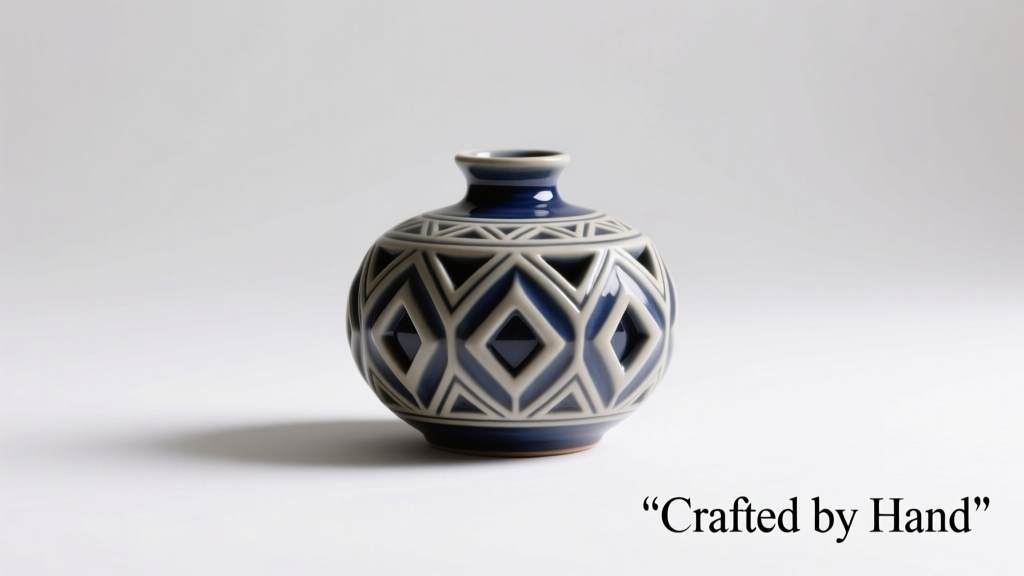
Types of Natural Clay: Properties, Composition & Uses
Natural clay is a fine-grained sedimentary material formed over thousands of years through the weathering and erosion of rocks. Composed of microscopic mineral particles, clays exhibit unique physical and chemical properties such as plasticity, absorbency, and thermal resistance. These characteristics make clay invaluable across industries ranging from ceramics and construction to cosmetics and environmental engineering.
Understanding the different types of natural clay—based on composition, origin, and functionality—empowers users to make informed decisions for specific applications, whether crafting delicate porcelain or formulating industrial sealants.
Ball Clay
A highly plastic secondary clay known for its excellent workability and strength development.
Advantages
- Exceptional plasticity and moldability
- High green strength before firing
- Good suspension in water (slip casting)
- Enhances durability in ceramic bodies
Limitations
- Shrinks significantly during drying
- May require blending with less plastic clays
- Limited thermal stability at high temperatures
Best for: Porcelain, stoneware, sanitaryware, and electrical insulators
Bentonite
A powerful absorbent clay derived from volcanic ash, rich in montmorillonite.
Advantages
- Extremely high swelling capacity (up to 15x volume)
- Superior adsorption and ion exchange properties
- Excellent binding and thickening abilities
- Effective sealing and waterproofing agent
Limitations
- High shrinkage leads to cracking if not controlled
- Can be too sticky for some ceramic applications
- Sensitive to salt content in water
Best for: Foundry molds, pet litter, drilling muds, food processing, and landfill liners
Kaolin (China Clay)
A primary, highly pure clay formed from the weathering of feldspar-rich rocks like granite.
Advantages
- Exceptional whiteness and brightness
- High chemical inertness and purity
- Excellent refractory properties
- Improves surface finish in paper and ceramics
Limitations
- Low plasticity compared to other clays
- Requires additives for shaping in ceramics
- Limited dry strength without binders
Best for: Fine china, pharmaceuticals, cosmetics, coated paper, and fiberglass
Earthenware Clay
A naturally occurring primary clay with a mix of minerals, ideal for low-temperature firing.
Advantages
- Easy to shape and handle
- Good thermal shock resistance
- Fires at relatively low temperatures (1,000–1,150°C)
- Available in various natural colors (red, brown, white)
Limitations
- More porous than stoneware or porcelain
- Less durable and watertight without glazing
- Not suitable for high-stress or high-heat applications
Best for: Pottery, terracotta tiles, bricks, and decorative ceramics
| Type | Primary Composition | Plasticity | Key Properties | Main Applications |
|---|---|---|---|---|
| Ball Clay | 20% kaolinite, 50% montmorillonite, 30% quartz | Very High | Plastic, strong green body, fine particle size | Pottery, porcelain, insulators |
| Bentonite | 85% montmorillonite, 15% quartz/calcite | Extremely High | Swelling, absorbent, colloidal | Drilling mud, sealants, pet litter |
| Kaolin | ~50% kaolinite, ~50% quartz | Low | White, pure, refractory | China, paper, cosmetics |
| Earthenware Clay | 10% kaolinite, 20% ball clay, 70% feldspar/quartz | Moderate | Workable, low-fire, colorful | Tiles, bricks, hand-built pottery |
Expert Tip: When using bentonite in industrial applications, pre-hydration is crucial to maximize its swelling potential. For ceramic artists, blending kaolin with ball clay can improve both workability and fired strength while maintaining whiteness.
Understanding Clay Classification
Clays are broadly categorized as primary or secondary based on their formation:
- Primary Clays (e.g., Kaolin, Earthenware): Formed in place from the chemical weathering of rocks, typically found near their source. They are less plastic but more refractory.
- Secondary Clays (e.g., Ball Clay, Bentonite): Transported by water or wind and deposited in sedimentary basins. These clays are more plastic due to prolonged weathering and finer particle size.
This distinction affects their behavior in manufacturing processes and determines their suitability for specific end uses.
How to Use Natural Clay: Applications Across Industries
Natural clay is one of the most versatile and widely used materials in the world, valued for its plasticity, absorbency, and mineral composition. Found abundantly in nature, clay has been utilized by civilizations for thousands of years. Today, its applications span across multiple industries—from skincare and medicine to construction and energy. Understanding how to use natural clay effectively can unlock its full potential in both traditional and modern practices.
Cosmetics: Enhancing Skin Health Naturally
Cosmetic-grade natural clay is a cornerstone in natural skincare formulations. Rich in minerals like silica, magnesium, and calcium, it acts as a powerful detoxifying agent that draws out impurities, excess oil, and environmental pollutants from the skin. This makes it ideal for facial masks, cleansers, and exfoliants.
Bentonite, kaolin, and French green clays are among the most popular types used in beauty products. Kaolin clay is gentle and suitable for sensitive skin, while bentonite is highly absorbent and effective for oily or acne-prone skin. In addition to cleansing, natural clay provides natural pigmentation in mineral makeup, offering earthy tones without synthetic dyes. Its oil-absorbing properties also help reduce shine, giving the skin a matte, refreshed appearance.
Medicine: Healing and Detoxification Properties
Natural clay has long been recognized in both traditional and modern medicine for its healing and adsorbent qualities. Certain clays, such as bentonite and montmorillonite, are used in over-the-counter remedies for digestive issues. These adsorbent clays bind to toxins, bacteria, and viruses in the gastrointestinal tract, aiding in their removal and providing relief from diarrhea and food poisoning.
In wound care, clay poultices have been used historically to draw out infection, reduce inflammation, and accelerate healing. The antimicrobial properties of some clays help protect open wounds from bacterial contamination, while their ability to absorb excess moisture creates an optimal environment for tissue repair. Research continues to explore clay’s potential in treating antibiotic-resistant infections and chronic skin conditions.
Construction: Durable and Sustainable Building Material
In the construction industry, natural clay is a fundamental material used in manufacturing bricks, tiles, and ceramic sanitary ware. Clay bricks are renowned for their strength, durability, and excellent thermal insulation properties, helping to maintain comfortable indoor temperatures year-round.
Fired clay tiles are commonly used for roofing and flooring due to their resistance to weathering and fire. Additionally, unfired (adobe) clay bricks are gaining popularity in sustainable architecture because of their low carbon footprint and natural cooling effect. Clay plasters and renders are also used as eco-friendly wall finishes that regulate humidity and improve indoor air quality.
Art: A Medium for Creativity and Cultural Expression
Natural clay is essential in pottery, sculpture, and various forms of artistic expression. Its plasticity allows artists to mold intricate shapes and forms, which can then be fired to create permanent ceramic pieces. From functional tableware to monumental sculptures, clay serves as a timeless medium for creativity.
Beyond sculpting, raw clay has cultural significance in body and face painting, particularly among indigenous communities in Africa and other regions. The natural pigments in clay—derived from iron oxide and other minerals—produce rich earth tones, reds, yellows, and browns. These pigments are non-toxic and have been used for ceremonial, decorative, and protective purposes for generations.
Energy and Environmental Applications: Safeguarding the Planet
In the energy and environmental sectors, natural clay plays a critical role in containment and extraction processes. Due to its low permeability, clay is used as a natural barrier in landfills and waste containment systems to prevent leachate and hazardous contaminants from seeping into groundwater.
It is also a key component in engineered hydraulic barriers and pond liners. In oil and gas drilling, specific types of clay—such as bentonite—are used to formulate drilling mud. This mud lubricates the drill bit, stabilizes the borehole, and carries rock cuttings to the surface. Its swelling properties help seal gaps in the wellbore, preventing fluid loss and maintaining pressure control.
| Industry | Common Clay Types | Primary Uses |
|---|---|---|
| Cosmetics | Kaolin, Bentonite, French Green Clay | Facial masks, cleansers, natural makeup pigments |
| Medicine | Bentonite, Montmorillonite | Digestive adsorbents, wound poultices, detox agents |
| Construction | Earthen Clay, Kaolinite | Bricks, tiles, adobe, ceramic sanitary ware |
| Art | Earthenware, Stoneware, Ball Clay | Pottery, sculpture, natural pigments |
| Energy & Environment | Bentonite, Fuller’s Earth | Drilling mud, landfill liners, hydraulic barriers |
Important: While natural clay is generally safe, proper identification and sourcing are crucial. Some clays may contain trace heavy metals or impurities. Always use food-grade or cosmetic-grade clay for internal or topical applications. In industrial uses, ensure compliance with environmental and safety regulations to avoid contamination risks.
Features of Natural Clay: A Comprehensive Guide
Natural clay is celebrated for its diverse physical and chemical properties, which make it indispensable across industries ranging from ceramics and construction to skincare and environmental science. Its unique combination of texture, composition, and reactivity allows for versatile applications in both traditional and modern contexts. Understanding the core characteristics of natural clay helps in selecting the right type for specific uses—whether for artistic, industrial, or therapeutic purposes.
Texture and Plasticity
One of the most defining features of natural clay is its fine-grained texture and exceptional plasticity when hydrated. In its dry state, clay feels powdery; when mixed with water, it becomes smooth, cohesive, and highly malleable—ideal for shaping and molding.
- High plasticity clays like ball clay are favored in pottery and sculpture due to their ability to hold intricate shapes without cracking.
- Low plasticity clays such as kaolin (china clay) are less flexible but prized for their purity and stability in high-temperature applications like porcelain production.
- Plasticity is influenced by particle size, water content, and mineral structure—making it a critical factor in industrial forming processes.
Expert insight: The plasticity of clay directly affects workability and drying shrinkage, so matching the right clay type to the application ensures better results and fewer defects.
Particle Size
Natural clay particles are among the smallest in soil classification, typically ranging from 0.002 mm to 0.0002 mm in diameter. This ultra-fine granularity contributes to many of its functional properties.
- Due to their microscopic size, clay particles have a large surface area relative to volume, enhancing their ability to retain water and nutrients—making clay-rich soils highly fertile.
- In cosmetic applications, such as facial masks and cleansers, fine particle size allows for gentle exfoliation and deep pore penetration without clogging.
- The small pore spaces between particles contribute to low permeability, which is beneficial in landfill liners and pond sealants.
Key benefit: The nanoscale particle size enables superior adsorption and ion exchange capabilities, crucial in both agriculture and detoxification products.
Mineral Composition
The functional diversity of natural clay stems largely from its mineral makeup. Different clay minerals exhibit distinct behaviors based on their crystalline structure and chemical composition.
- Kaolinite is a 1:1 layered aluminosilicate known for its chemical inertness and whiteness, widely used in paper coating, ceramics, and pharmaceuticals.
- Bentonite (primarily montmorillonite) is a 2:1 swelling clay that absorbs large amounts of water, expanding up to 15 times its dry volume—ideal for drilling muds, cat litter, and sealing applications.
- Illite resembles mica and is common in sedimentary rocks; it has moderate swelling capacity and is used in construction and soil stabilization.
- Chlorite and palygorskite are less common but valuable in specialized applications like absorbents and rheology modifiers.
Scientific note: The cation exchange capacity (CEC) of clays like bentonite makes them effective in removing heavy metals from contaminated water.
Color Variations
Natural clay exhibits a wide spectrum of colors, which serve as visual indicators of its mineral and chemical composition.
- White or light gray clays (e.g., kaolin) indicate low iron content and high purity—preferred for ceramics, cosmetics, and medical applications.
- Red, orange, or yellow hues result from iron oxide (hematite or goethite) presence, commonly found in terracotta and building bricks.
- Green or bluish-gray clays may contain glauconite or reduced iron compounds, often seen in marine deposits and used in detoxifying skincare products.
- Firing temperature also affects final color—kaolin turns pure white when fired, while iron-rich clays darken to reddish-brown.
Design tip: Artists and manufacturers select clay based on color potential to achieve desired aesthetic outcomes in finished products.
Pore Structure and Surface Area
Clay possesses a highly porous internal structure with a vast surface area, typically ranging from 50 to 800 m²/g, depending on the mineral type. This micro-porosity underpins its adsorptive and absorptive capabilities.
- The high surface area allows clay to bind water molecules effectively, making it excellent for moisture retention in agriculture and hydration in skincare formulations.
- It can adsorb toxins, oils, and impurities from skin and water, which is why bentonite and fuller’s earth are staples in facial masks and environmental cleanup.
- In industrial settings, this property is harnessed for catalysis, filtration, and gas separation technologies.
- Porosity also influences drying and firing behavior in ceramics—too much can lead to cracking, while optimal levels enhance durability.
Environmental application: Activated clays are used in oil spill remediation and wastewater treatment due to their pollutant-binding efficiency.
Chemical and Thermal Stability
Beyond physical traits, natural clay demonstrates remarkable chemical resilience and thermal endurance, expanding its utility in demanding environments.
- Most clays are chemically stable under normal conditions, resisting degradation from acids, bases, and organic solvents—ideal for use in coatings and binders.
- When fired at high temperatures (up to 1400°C), certain clays vitrify into hard, durable materials used in tiles, stoneware, and refractory linings.
- Kaolin is particularly valued in high-temperature ceramics due to its ability to form mullite, a heat-resistant crystalline phase.
- Clays like bentonite maintain structural integrity even under pressure, making them suitable for foundry molds and geotechnical engineering.
Innovation insight: Thermal modification of clay produces metakaolin, a pozzolanic material used to strengthen concrete and reduce carbon footprint in construction.
Professional Recommendation: When selecting natural clay for a specific application, consider the interplay between plasticity, mineral content, particle size, and color. For skincare, opt for highly adsorbent, fine-particle clays like bentonite or French green clay. In ceramics, balance plasticity and firing behavior—use ball clay for shaping and kaolin for stability. In environmental projects, prioritize high CEC and swelling capacity. Always verify source and purity, especially for ingestible or dermatological uses.
| Clay Type | Key Properties | Common Applications | Notable Characteristics |
|---|---|---|---|
| Kaolin (China Clay) | Low plasticity, high purity, white color | Paper coating, ceramics, cosmetics | Excellent whiteness, thermal stability |
| Bentonite (Montmorillonite) | High swelling, strong adsorption, high CEC | Drilling mud, cat litter, skincare | Expands with water, excellent binder |
| Ball Clay | High plasticity, fine particle size | Pottery, sanitaryware, tiles | Excellent workability, strengthens green body |
| Illite | Moderate plasticity, non-swelling | Construction, soil stabilization | Common in shales, chemically stable |
| Fuller’s Earth | High oil absorption, decolorizing ability | Oil refining, facial masks, pet care | Natural bleaching and filtering agent |
Additional Considerations
- Hydration Behavior: Some clays absorb water rapidly (bentonite), while others hydrate slowly (kaolin)—important for slurry preparation and mixing efficiency.
- Environmental Impact: Natural clays are generally eco-friendly, biodegradable, and non-toxic, making them sustainable alternatives to synthetic absorbents.
- Processing Requirements: Raw clay often requires drying, milling, and purification before industrial use to ensure consistency and performance.
- Regulatory Compliance: For cosmetic or food-contact applications, ensure the clay meets FDA, EU, or other relevant safety standards.
- Blending Potential: Mixing different clays (e.g., kaolin + bentonite) can optimize properties like plasticity, absorption, and texture for specialized formulations.
How to Store and Transport Natural Clay: A Complete Guide
Natural clay is a highly sensitive and valuable material used in pottery, skincare, construction, and various industrial applications. Due to its reactive nature, improper handling during storage and transportation can compromise its texture, consistency, and usability. This comprehensive guide provides detailed, best-practice methods for storing and transporting natural clay—whether dry or wet—to preserve its integrity and ensure optimal performance for your intended use.
Important Note: Natural clay can be affected by moisture, temperature fluctuations, and contamination. Always handle with clean tools and gloves to prevent bacterial growth or chemical reactions that may alter its properties.
Proper Storage of Natural Clay
Correct storage is essential to prevent premature drying, hardening, mold growth, or cross-contamination. Follow these guidelines based on the type and condition of the clay:
- Dry Clay: Store dry clay in a cool, dry environment away from direct sunlight and humidity. Use breathable containers such as cardboard boxes, paper bags, or fabric sacks. Avoid sealed plastic containers unless they are specifically designed for moisture regulation, as standard plastic traps ambient moisture and can cause the clay to absorb water and become soggy or clump together.
- Wet Clay: Keep wet clay in airtight, food-grade plastic containers or heavy-duty sealed bags to minimize air exposure. Place the container in a consistently cool area (ideally between 50°F and 70°F / 10°C–21°C) to prevent drying or bacterial development. For long-term storage, wrap the clay in damp cloths before sealing to maintain workable moisture levels.
- Temperature Control: Maintain a stable temperature in your storage area. Rapid temperature changes can cause condensation inside containers, leading to uneven moisture distribution. In cold climates, avoid freezing conditions, as ice formation can disrupt the clay’s particle structure and reduce plasticity upon thawing.
- Organizing by Type: Store different types of natural clay—such as kaolin, bentonite, ball clay, or fire clay—separately in clearly labeled containers. Mixing clays can alter their chemical composition and performance characteristics, especially in applications like ceramics or cosmetics where purity is critical.
- Maintenance and Inspection: Regularly inspect stored clay for signs of mold, discoloration, or odor, especially in wet forms. If mold appears, discard the affected portion immediately. Rotate stock using a “first in, first out” (FIFO) system to prevent prolonged storage that may degrade quality.
Pro Tip: For extended storage of wet clay, place a layer of plastic wrap directly on the clay’s surface before closing the container. This creates an additional moisture barrier and prevents skin formation or drying at the top layer.
Safe and Effective Transportation of Natural Clay
Transporting natural clay requires careful planning to protect it from environmental exposure, physical damage, and contamination. Whether moving small batches for personal use or large quantities commercially, follow these best practices:
- Choosing the Right Containers: Select durable, leak-proof containers based on the volume and type of clay. For dry clay, use rigid cardboard boxes or sealed polyethylene bags. For wet clay, opt for lidded plastic buckets, vacuum-sealed bags, or lined wooden crates. Ensure containers are strong enough to withstand stacking and movement during transit.
- Dry Clay Transport: Pack dry clay securely in sturdy boxes or sealed bags to prevent dust dispersion and moisture absorption. Place containers in areas of the vehicle with minimal vibration or shifting. Avoid leaving them in hot trunks or open trailers where temperature and humidity can fluctuate.
- Wet Clay Transport: Wrap wet clay tightly in plastic wrap or place it in sealed containers to prevent air exposure and drying. Maintain a stable temperature during transit—ideally in climate-controlled vehicles. Never leave wet clay in a hot vehicle for extended periods, as heat accelerates moisture loss and may promote microbial growth.
- Handling Precautions: Always wear protective gloves when handling raw clay to avoid skin irritation, especially with mineral-rich clays like bentonite. Use clean tools to prevent cross-contamination. Lift containers properly to avoid strain or dropping, which can compact or damage the clay structure.
- During Transit: Position clay containers away from direct sunlight, heat sources, and rain. If transporting in open vehicles, cover loads with waterproof tarps. For long-distance shipping, consider insulated packaging or gel packs to regulate temperature, particularly in extreme weather conditions.
| Clay Type | Storage Method | Transport Method | Key Risks to Avoid |
|---|---|---|---|
| Dry Clay | Cardboard box or paper bag in cool, dry place | Sealed bags or rigid boxes in low-vibration area | Moisture absorption, dust contamination |
| Wet Clay | Airtight container with damp cloth barrier | Plastic bucket or vacuum bag in climate-controlled vehicle | Drying out, mold growth, temperature shock |
| Mixed Clays | Clearly labeled, separated containers | Segregated packaging to prevent cross-contact | Chemical interaction, performance inconsistency |
| Long-Term Storage | Moisture-regulated environment, FIFO rotation | Insulated packaging with humidity control | Decomposition, hardening, loss of plasticity |
Expert Tip: When transporting large quantities, place heavier clay containers at the bottom and lighter ones on top to prevent crushing. Use non-slip mats or foam padding between layers to reduce movement and protect packaging integrity.
Additional Recommendations
- Label all containers with clay type, date of storage, and moisture condition (dry/wet) for easy identification and tracking.
- Use desiccants in dry clay storage areas to absorb excess humidity, but keep them separate from the clay to avoid direct contact.
- For commercial operations, consider investing in climate-controlled storage units and GPS-tracked transport vehicles to monitor conditions in real time.
- Always check local regulations when transporting large volumes of natural materials, especially across state or international borders.
- Recondition clay as needed—wedging wet clay or rehydrating dry clay properly can restore usability if stored incorrectly.
By following these detailed storage and transportation practices, you can ensure that your natural clay remains in optimal condition for crafting, manufacturing, or application. Proper care not only preserves quality but also enhances safety, efficiency, and cost-effectiveness in both personal and professional settings.
Frequently Asked Questions About Buying and Using Clay
Q1: Which factors do buyers consider when purchasing clay online?When purchasing clay online, buyers typically evaluate several key factors to ensure they get a product that meets their artistic or industrial needs. These considerations help minimize risks and ensure consistency in their projects.
- Type of Clay: Buyers first determine which clay type—such as earthenware, stoneware, porcelain, or polymer—is best suited for their intended application, whether it's pottery, sculpting, or ceramics production.
- Technical Specifications: Critical properties like particle size, mineral composition, plasticity, shrinkage rate, and firing temperature are carefully reviewed. These directly affect workability, durability, and final appearance.
- Supplier Reputation: Trustworthiness is essential. Buyers often check customer reviews, ratings, return policies, and years in business to assess reliability and product quality consistency.
- Shipping & Delivery: Since clay can be heavy and fragile (especially when wet), shipping costs, packaging methods, and estimated delivery times play a major role in the decision-making process. Expedited shipping options and damage protection are often considered.
By balancing these elements, buyers can make informed decisions that align with both their creative goals and logistical requirements.
Q2: Which is the most ideal clay for pottery?While all clays can technically be used for pottery, certain types are better suited for specific styles and functions due to their unique physical and thermal properties.
- Earthenware Clay: Known for its warm, rustic tones and ease of use, earthenware is ideal for decorative pieces, planters, and hand-built tableware. It fires at lower temperatures (typically 1,000–1,150°C), making it beginner-friendly, though it’s less durable than other types unless glazed properly.
- Stoneware Clay: This mid- to high-fire clay is prized for its strength, density, and resistance to chipping. It's the top choice for functional pottery like mugs, bowls, and dinnerware meant for everyday use. Stoneware matures between 1,200–1,300°C and naturally vitrifies, making it watertight when fired correctly.
- Porcelain Clay: Considered the premium option, porcelain offers a smooth, fine texture and a translucent finish when thin. It’s perfect for delicate, high-end ceramics such as fine china, sculptures, and intricate art pieces. However, it requires precise handling and high firing temperatures (up to 1,400°C), making it more challenging for beginners.
The "ideal" clay ultimately depends on the artist’s skill level, desired aesthetic, and functional requirements of the final piece.
Q3: Which are the most suggested techniques for helping buyers choose quality clay online?Selecting high-quality clay without physically handling it can be challenging, but following a structured approach significantly improves the chances of a successful purchase.
- Research Suppliers Thoroughly: Look for established suppliers with transparent business practices, clear contact information, and verifiable customer feedback. Platforms like Etsy, Ceramic Arts Network, or specialized clay distributors often feature user reviews and sample photos.
- Analyze Product Details: High-quality listings include detailed descriptions of clay body composition, firing range, shrinkage percentage, and recommended uses. Avoid vague terms like “good for pottery” without supporting data.
- Consult Experts or Communities: Engaging with pottery forums, social media groups, or local ceramic studios can provide real-world insights into specific brands or suppliers. Professionals may also recommend alternatives based on your project needs.
- Order Samples First: Whenever possible, purchase a small test batch to evaluate texture, plasticity, drying behavior, and firing results before investing in bulk quantities. This minimizes waste and disappointment.
- Check Return & Exchange Policies: A reliable seller will offer fair terms in case the clay doesn’t meet expectations, especially for large or custom orders.
Adopting these strategies empowers buyers to confidently source high-performance clay that matches their creative vision.
Q4: What is the role of keywords when it comes to the marketing of products such as clay?Keywords are a foundational element of digital marketing and play a crucial role in connecting potential customers with the right clay products online.
When buyers search for materials like “high-fire stoneware clay,” “pottery clay for beginners,” or “food-safe porcelain,” search engines rely on keywords within product titles, descriptions, tags, and metadata to determine relevance. Businesses that strategically incorporate accurate, high-intent keywords improve their visibility in search engine results pages (SERPs) and online marketplaces.
- Improved Search Rankings: Well-optimized listings appear higher in searches, increasing click-through rates and organic traffic.
- Targeted Audience Reach: Using specific keywords (e.g., “red earthenware clay bulk”) attracts buyers who are further along in the purchasing journey and more likely to convert.
- Enhanced User Experience: Clear, keyword-rich descriptions help customers quickly understand what the product is, how it’s used, and why it’s suitable for their needs.
- Competitive Advantage: Sellers who conduct keyword research using tools like Google Keyword Planner or SEMrush can identify underserved niches (e.g., “air-dry sculpting clay non-toxic”) and tailor their offerings accordingly.
In essence, effective keyword usage bridges the gap between supply and demand in the online clay marketplace, driving both discoverability and sales.
Q5: Does clay have a shelf life?The shelf life of clay varies significantly depending on its form, storage conditions, and environmental exposure. Proper handling can extend usability for years, while poor storage may degrade quality rapidly.
- Dry Clay (Powder or Bisque): When stored in a cool, dry place away from moisture, dry clay can last indefinitely. It remains stable until rehydrated for use. However, contamination from dust or foreign materials should be avoided.
- Wet Clay: Properly sealed in airtight plastic or vacuum bags, wet clay can remain workable for 1 to 3 years. Over time, it may develop mold (which is generally harmless and can be wedged out) or dry out if exposed to air. Storing it in a damp box or sealed tote with a water tray helps maintain plasticity.
- Environmental Factors: Heat accelerates drying, while excessive humidity can promote bacterial growth. Freezing temperatures may damage clay structure if water within it expands and causes cracking upon thawing.
- Recycled Clay: Reclaimed clay slurry or trimmings, when properly processed and stored, can be reused indefinitely, making it a sustainable option for studios.
To maximize shelf life, always label containers with the clay type and date, and inspect material before use. With proper care, most clays remain usable far beyond typical expectations.









