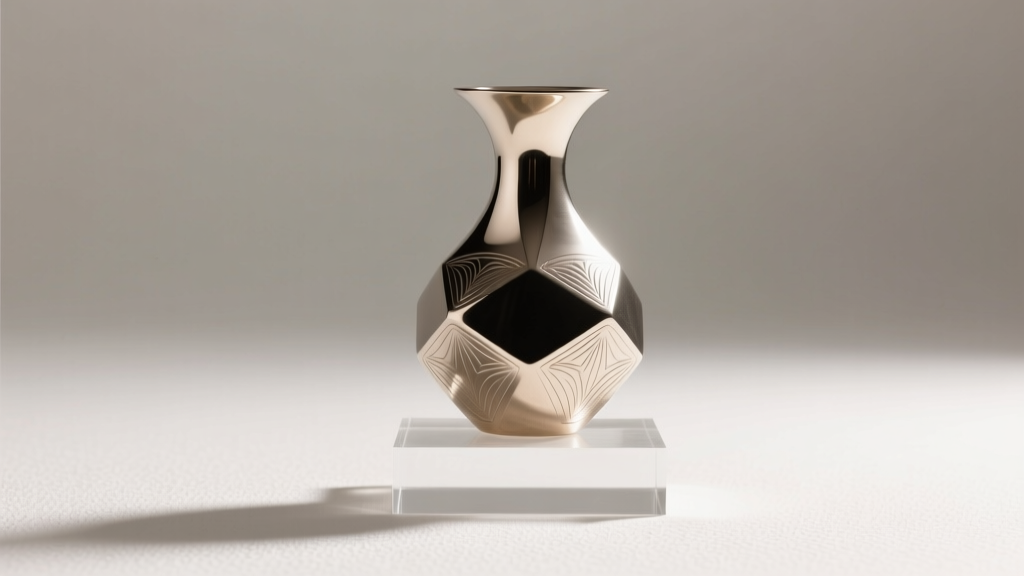
Types of Bronze Musical Instruments
Bronze has been a prized material in musical instrument crafting for centuries, valued for its acoustic richness, durability, and aesthetic appeal. From ancient ceremonial objects to modern orchestral instruments, bronze offers a unique tonal quality that enhances musical performance. Like the iconic boy playing flute bronze statue, many bronze instruments serve dual roles as both functional sound producers and artistic masterpieces. These instruments are typically categorized by how they produce sound—through striking, blowing, or string vibration.
Bronze Percussion Instruments
One of the most widespread uses of bronze in music, percussion instruments made from this alloy are celebrated for their bright, resonant tones and long sustain.
Advantages
- Rich, bright, and sustained sound
- High durability and resistance to wear
- Precise tuning capabilities
- Excellent projection in ensemble settings
Limitations
- Can be expensive due to material and craftsmanship
- Heavy compared to alternative materials
- Sensitive to temperature and humidity changes
Common Examples: Cymbals, gongs, tam-tams, crotales, and bell plates
Bronze Wind Instruments
While less common today, bronze has been historically used in wind instruments for both functional and decorative purposes, particularly in ancient and ceremonial contexts.
Advantages
- Unique, warm timbre with complex overtones
- Excellent corrosion resistance
- Superior visual appeal and craftsmanship
- Historically significant and collectible
Limitations
- Rare in modern instrument manufacturing
- Heavier than brass or silver alternatives
- Higher maintenance due to oxidation
- Limited availability and customization
Notable Examples: Ancient bronze trumpets, ceremonial horns, bronze flutes, experimental saxophones
Bronze String Instruments
While the bodies of string instruments are rarely made entirely of bronze, the alloy plays a crucial role in string composition, particularly for acoustic guitars, violins, and harps.
Advantages
- Bright, warm tone with strong projection
- Excellent corrosion resistance (especially phosphor bronze)
- Longer lifespan compared to pure steel strings
- Preferred by acoustic musicians for tonal balance
Limitations
- Can lose brightness faster than other alloys
- More expensive than standard steel strings
- May require adjustment in instrument setup
Primary Use: Acoustic guitar strings, violin E-strings, harp strings, and bass windings
Bronze in Decorative & Artistic Instruments
Beyond sound production, bronze is widely used in sculptural musical art, such as the boy playing flute bronze statue, blending music, culture, and visual artistry.
Advantages
- Timeless aesthetic and cultural significance
- High resistance to outdoor elements
- Can be cast into intricate, expressive forms
- Often used in public art and memorials
Limitations
- Primarily decorative, not always playable
- High cost of casting and finishing
- Requires expert maintenance to prevent patina buildup
Cultural Impact: Found in museums, gardens, and cultural centers worldwide
| Type | Primary Use | Tonal Quality | Durability | Common Applications |
|---|---|---|---|---|
| Bronze Percussion | Sound production | Bright, resonant, sustained | Excellent | Orchestras, rock bands, traditional ensembles |
| Bronze Wind | Historical & ceremonial | Warm, rich, complex | Very Good | Museums, cultural performances, art installations |
| Bronze String | String material | Warm, balanced, projecting | Good | Acoustic guitars, violins, harps |
| Bronze Artistic | Decorative & symbolic | N/A (non-functional) | Excellent (outdoor) | Statues, public art, memorials |
Expert Tip: When selecting bronze strings for acoustic instruments, phosphor bronze is often preferred for its enhanced corrosion resistance and warmer tone compared to standard bronze alloys. Regular cleaning can extend their lifespan and preserve tonal quality.
Artistic Designs of Bronze Flute Player Statues
Bronze statues depicting a boy playing the flute have long been celebrated in the world of fine art and sculpture, symbolizing harmony, innocence, and the timeless connection between music and nature. These sculptures can be rendered in a wide range of artistic styles, each offering a unique interpretation of the subject. The choice of design depends on cultural context, artistic vision, and intended setting—whether for gardens, galleries, or public installations. Below is an in-depth exploration of the most prominent design styles used in crafting bronze flute player statues.
Classical Design
The classical design draws inspiration from ancient Greek and Roman art, emphasizing proportion, balance, and idealized beauty. In this style, the boy playing the flute is captured in a poised, graceful posture—often mid-movement—highlighting anatomical precision and intricate detailing of facial features, musculature, and the flute itself.
This design is particularly favored in traditional and academic settings, where timeless elegance and historical reverence are valued. The surface finish often includes subtle patinas to mimic aged bronze, enhancing the antique aesthetic. Classical statues are commonly placed in formal gardens, museums, and cultural institutions.
Abstract Design
Abstract bronze flute player statues focus on conveying emotion and essence rather than literal representation. The figure is distilled into flowing lines, fragmented forms, and expressive shapes that suggest motion and melody without strict adherence to realism.
This style invites viewers to interpret the artwork subjectively, often evoking a sense of mystery or introspection. Abstract designs are popular in modern art spaces and contemporary landscapes, where they serve as thought-provoking focal points. The use of negative space and dynamic composition enhances the artistic impact.
Realistic Design
Realistic bronze statues aim to replicate the human form with lifelike accuracy. Every detail—from the texture of the skin and hair to the precise positioning of fingers on the flute—is meticulously crafted to create a convincing illusion of a living performer.
Some realistic designs incorporate colored patinas or even mixed media elements (such as glass eyes or fabric clothing) to heighten the sense of realism. These statues are often used in memorial installations, educational exhibits, or performance-themed public art, where authenticity and emotional resonance are key.
Cubism-Inspired Design
Influenced by the early 20th-century Cubist movement pioneered by artists like Picasso and Braque, this design breaks the figure into geometric planes and angular facets. The boy and his flute are represented from multiple viewpoints simultaneously, creating a fragmented yet cohesive composition.
Cubist bronze statues challenge traditional perspectives and invite viewers to engage with the artwork from various angles. This avant-garde style is frequently found in modern art galleries and urban plazas, symbolizing innovation and intellectual exploration. The interplay of light and shadow across the sharp edges adds depth and dynamism.
Gothic & Renaissance-Inspired Design
While "Gothic" is sometimes misapplied in modern contexts, this design actually fuses elements of Gothic architecture and Renaissance sculpture. The figure is often elongated, with dramatic drapery, solemn expression, and symbolic detailing reminiscent of medieval ecclesiastical art.
These statues may feature ornate bases with arches or script, and are typically finished with dark, oxidized patinas to evoke a sense of antiquity. Though not historically accurate to the Gothic period, this stylized interpretation is popular in thematic parks, cathedrals, and heritage sites seeking a mystical or spiritual ambiance.
Minimalist Design
Minimalist bronze flute player statues strip away excess detail to focus on essential forms and silhouettes. The subject is reduced to clean lines and smooth surfaces, often with a high degree of symmetry and balance.
Despite the simplicity, these designs effectively capture the quiet elegance of a musician in contemplation. Minimalism appeals to modern aesthetics, making it ideal for contemporary homes, corporate lobbies, and Zen-inspired gardens. The power of this style lies in its ability to communicate depth through restraint.
| Design Style | Key Characteristics | Best Suited For |
|---|---|---|
| Classical | Proportional anatomy, detailed features, graceful poses | Museums, formal gardens, academic institutions |
| Abstract | Expressive forms, non-representational shapes, emotional tone | Modern art galleries, urban spaces, private collections |
| Realistic | Lifelike detail, accurate anatomy, possible color accents | Memorials, performance venues, educational displays |
| Cubism-Inspired | Geometric fragmentation, multi-perspective forms | Contemporary art spaces, cultural centers |
| Gothic/Renaissance | Elongated figures, dramatic lighting, ornate details | Historic sites, religious settings, thematic parks |
| Minimalist | Simplified forms, clean lines, subtle presence | Modern interiors, meditation spaces, corporate environments |
Note: When commissioning or purchasing a bronze flute player statue, ensure that the design aligns with both the intended environment and the artistic message you wish to convey. Authentic bronze casting requires skilled craftsmanship and proper finishing techniques to prevent corrosion and maintain aesthetic integrity over time. Always consult with experienced sculptors or art historians when selecting a style for public or historically sensitive locations.
What Makes Bronze Suitable for Statuettes?
For thousands of years, bronze has been the material of choice for sculptors and artisans creating enduring works of art. From ancient Greek masterpieces to contemporary public monuments, bronze statuettes continue to captivate art lovers with their beauty, resilience, and timeless appeal. Its unique combination of physical, aesthetic, and chemical properties makes bronze an exceptional medium for artistic expression. Below, we explore the key reasons why bronze remains a premier choice for high-quality statuettes in both classical and modern contexts.
Exquisite and Timeless Aesthetic Finish
Bronze possesses a naturally rich, reddish-brown luster that exudes elegance and antiquity. This warm metallic tone develops a distinctive patina over time—especially when exposed to outdoor elements—enhancing the sculpture’s character without compromising its integrity.
- The patina forms a protective layer that prevents further corrosion while adding visual depth and uniqueness
- Bronze maintains its beauty indoors without fading, tarnishing, or degrading under normal lighting conditions
- Artists can apply chemical treatments to achieve custom finishes, such as green-verdigris, dark brown, or polished gold-like sheens
- Unlike painted or plated materials, bronze’s color is intrinsic, not superficial, ensuring long-term visual consistency
Artistic advantage: The evolving surface adds narrative value, reflecting the passage of time and enhancing emotional resonance.
Exceptional Detail Retention in Casting
One of bronze’s most valued qualities is its fluidity when molten, allowing it to capture the finest nuances of the original model during the lost-wax casting process. This precision makes it ideal for translating intricate designs into durable three-dimensional forms.
- Capable of reproducing delicate textures like facial expressions, fabric folds, feathers, or hair strands with remarkable fidelity
- Shrinks uniformly during cooling, preserving proportions and minimizing distortion
- Suitable for both large-scale monuments and small, collectible statuettes due to consistent casting behavior
- Enables multi-part casting for complex compositions, later joined seamlessly through brazing or welding
Technical insight: Master sculptors rely on bronze’s ability to mirror their artistic intent down to the micrometer level.
Superior Strength and Durability
Bronze is significantly more robust than fragile materials like clay, plaster, or resin. Its high tensile strength and resistance to impact make it ideal for sculptures intended for display in homes, galleries, or public spaces where handling or environmental stress may occur.
- Resists chipping, cracking, and warping under normal use and temperature fluctuations
- Withstands accidental bumps or vibrations better than ceramic or stone alternatives
- Less prone to structural fatigue over time compared to softer metals like lead or pewter
- Can support dynamic poses and slender forms without internal armatures in many cases
Longevity: Properly maintained bronze statuettes can last for centuries, making them heirloom-quality pieces.
Natural Weather and Corrosion Resistance
Bronze is inherently resistant to rust and environmental degradation, thanks to its copper-tin alloy composition. This makes it one of the few metals suitable for prolonged outdoor exposure without significant deterioration.
- Forms a stable oxide layer (patina) that protects the underlying metal from moisture, salt, and pollution
- Performs well in coastal climates, urban environments, and extreme temperature zones
- Requires minimal maintenance—occasional cleaning and periodic waxing are often sufficient
- Preferred for garden sculptures, fountains, and public memorials due to its resilience
Historical proof: Ancient bronze statues recovered from shipwrecks or buried sites often retain remarkable detail after millennia.
Versatility in Style and Accessibility
Bronze statuettes span a vast spectrum of artistic styles—from classical realism to abstract modernism—making them accessible and appealing to diverse audiences. Whether displayed in a private collection, museum, or corporate lobby, bronze art resonates across cultures and generations.
- Available in a wide range of themes: mythological figures, animals, dancers, historical icons, and abstract forms
- Produced in limited editions or as one-of-a-kind originals, offering options for collectors at various investment levels
- Complements both traditional and contemporary interior design aesthetics
- Often accompanied by certificates of authenticity and artist provenance, enhancing collectible value
Cultural significance: Owning a bronze statuette connects individuals to a legacy of craftsmanship and artistic excellence.
High Perceived Value and Investment Potential
Beyond aesthetics, bronze statuettes are recognized as valuable assets. Their combination of material quality, artistic merit, and durability contributes to strong resale and appreciation potential.
- Collectors and institutions often seek bronze works due to their archival stability and prestige
- Renowned sculptors’ bronze editions frequently increase in market value over time
- Lower risk of damage or obsolescence compared to works in perishable media
- Considered a tangible investment in art and culture
Collector’s note: Limited edition bronzes with artist signatures and foundry marks hold the highest market desirability.
Expert Insight: When selecting or recommending bronze statuettes, consider not only the immediate visual appeal but also the craftsmanship, casting method (e.g., lost-wax vs. sand casting), and patina quality. Authentic, hand-finished pieces from reputable foundries offer superior detail and longevity, making them worthwhile investments for both art enthusiasts and collectors.
| Property | Bronze Advantage | Common Alternatives | Lifespan Comparison |
|---|---|---|---|
| Aesthetic Longevity | Develops protective, beautiful patina | Painted steel (peels), resin (fades) | Centuries vs. 10–20 years |
| Detail Fidelity | Excellent in lost-wax casting | Clay (fragile), 3D-printed plastic (layer lines) | Superior fine detail reproduction |
| Durability | High impact and wear resistance | Plaster (cracks), wood (rots) | 50–100+ years with care |
| Weather Resistance | Naturally corrosion-resistant | Iron (rusts), aluminum (pits) | Ideal for outdoor use |
Additional Considerations for Bronze Art
- Foundry Marks: Reputable bronze statuettes include casting signatures, edition numbers, and foundry stamps for authenticity
- Weight and Base: Heavier bronzes often indicate solid casting or thick walls, contributing to stability and perceived quality
- Maintenance: Indoor pieces benefit from occasional dusting and waxing; outdoor pieces may require professional cleaning every few years
- Eco-Friendliness: Bronze is fully recyclable without loss of quality, supporting sustainable art practices
- Cultural Heritage: Bronze sculpture connects modern audiences to ancient traditions in metallurgy and artistry
How to Choose the Perfect Flute Bronze Statue: A Buyer’s Guide
Selecting the ideal flute bronze statue is more than just an aesthetic decision—it's an investment in art, ambiance, and personal expression. The right choice enhances your space, reflects your taste, and withstands the test of time. Whether you're decorating a garden, living room, or office, understanding the nuances of bronze composition, artistic style, size, lighting, and casting methods will help you make a confident and satisfying purchase.
Important Note: Bronze statues are long-term investments. Consider environmental factors, maintenance needs, and placement before making your final selection to ensure lasting beauty and durability.
1. Understanding Bronze Alloy Composition
The type of bronze alloy used significantly impacts the statue’s appearance, durability, and resistance to environmental conditions. Here’s what you need to know:
- Pure Copper Alloys (e.g., Yellow Brass, Gold Brass): These offer a bright, shiny, reflective surface that resists tarnishing. Ideal for indoor display or for those who enjoy showcasing their art in a polished, luxurious state.
- Cor-Tarnished Bronze (Weathering Bronze): Specifically designed for outdoor use, this alloy develops a protective layer of patina when exposed to air and moisture. Over time, it forms a rich, scenic greenish-blue patina that blends beautifully with natural surroundings.
- Coastal & High-Moisture Environments: If you live near the ocean or in a humid climate, cor-tarnished bronze is highly recommended. Its protective patina shields the metal from salt air corrosion, making it safer and more durable than polished brass.
- Households with Children or Pets: Cor-tarnished or sealed bronze is preferable, as it requires less maintenance and is less likely to show fingerprints or scratches.
Pro Tip: If you prefer a shiny finish but live in a corrosive environment, look for bronze statues with a protective lacquer coating. This preserves the luster while offering a barrier against moisture and pollutants.
2. Choosing the Right Artistic Style
The artistic style of the flute player statue should resonate with your personal taste and complement your space. Consider these popular styles:
- Realism: Lifelike depictions of musicians, often capturing fine details in facial expression, clothing, and posture. Perfect for traditional homes, conservatories, or music-themed spaces.
- Abstract & Cubism: Stylized forms that emphasize shape, geometry, and emotion over realism. These appeal to modern, avant-garde, or minimalist interiors and add a dynamic visual element.
- Gothic & Classical: Inspired by historical periods, these statues often feature flowing robes, serene expressions, and timeless elegance. Ideal for formal gardens or heritage-style architecture.
- Minimalist: Simplified forms with clean lines and subtle details. These blend seamlessly into contemporary spaces without overwhelming the environment.
3. Selecting the Appropriate Size and Placement
Size plays a crucial role in how the statue interacts with its surroundings. Consider the intended location when choosing dimensions:
| Size | Best For | Placement Ideas | Visual Impact |
|---|---|---|---|
| Small (6–12 inches) | Indoor decoration, tabletops, mantels | Living room shelves, office desks, entryway tables | Subtle, calming presence |
| Medium (18–36 inches) | Gardens, balconies, patios | Near fountains, flower beds, or seating areas | Noticeable focal point |
| Large (36+ inches) | Courtyards, lawns, architectural spaces | Centerpiece in a garden, near a pond, or entranceway | Dominant, commanding presence |
Pro Tip: Measure your space before purchasing. A large statue in a small room can feel overwhelming, while a tiny statue in a vast garden may get lost.
4. Enhancing with Strategic Lighting
Lighting transforms a bronze statue from a static object into a dramatic focal point. The right illumination highlights texture, depth, and detail:
- Spotlights: Cast directional light to create shadows and emphasize contours. Ideal for statues with intricate carvings or expressive features.
- Wash Lights: Provide even, diffused illumination across the entire surface—perfect for smooth or minimalist designs.
- LED Lights: The best choice for both indoor and outdoor use. Energy-efficient, cool-burning, and available in monochrome (warm/cool white) or RGB color options for customizable ambiance.
- Halogens: Offer bright, crisp light but generate more heat and consume more energy than LEDs.
Position lights at low angles to cast dramatic shadows or from above for a soft, even glow. Experiment with placement during dusk to see the effect before finalizing.
Design Insight: Use lighting not just for visibility, but to create mood. Warm white LEDs evoke a cozy, artistic atmosphere, while cool white enhances modern, crisp aesthetics.
5. Understanding the Casting Process
Most high-quality bronze statues are made using the solid cast (lost-wax) method, a time-honored technique that ensures durability and detail:
- A detailed model is sculpted in wax or clay.
- A ceramic mold is formed around the model and heated to melt out the wax (hence "lost-wax").
- Molten bronze (typically 85–90% copper, 5–10% tin, and trace elements) is poured into the hollow mold.
- After cooling, the mold is broken away, revealing the raw bronze statue.
- The statue is cleaned, polished, and finished with patina or protective coatings.
Solid cast bronze is heavier, more durable, and captures finer details than hollow or resin-cast alternatives. Always verify the casting method when purchasing—authentic solid bronze statues retain value and resist weathering far better.
Final Recommendations
- Consider the environment: Choose cor-tarnished bronze for outdoor or coastal areas.
- Match the style to your decor: A classical flute player suits traditional spaces; abstract designs fit modern interiors.
- Size matters: Ensure the statue complements—not overwhelms—its location.
- Invest in quality lighting: LEDs enhance beauty while protecting the statue from heat damage.
- Verify authenticity: Look for solid cast bronze with a certificate of authenticity when possible.
- Plan for maintenance: Even durable bronzes benefit from occasional cleaning and reapplication of protective sealant.
Choosing a flute bronze statue is a personal journey that combines art, craftsmanship, and practicality. By considering material, style, size, lighting, and construction, you can select a piece that not only pleases the eye but also stands the test of time—becoming a cherished centerpiece for years to come.
Frequently Asked Questions About Bronze Art and Instruments
Q1: What is the process of making a bronze statue?Creating a bronze statue is a meticulous and time-honored artistic process, most commonly achieved through the **lost-wax casting method**, which has been used for thousands of years. Here's a detailed breakdown of the steps involved:
- Sculpting the Original Model: The artist first creates a full-scale model of the sculpture using materials like clay, wax, or even digital modeling tools. This model captures every detail intended for the final piece.
- Creating the Wax Replica: A flexible mold is made from the original model, and molten wax is poured into it to form a hollow wax replica of the sculpture. This wax version is carefully refined to ensure precision.
- Building the Ceramic Shell: The wax model is coated with multiple layers of liquid ceramic slurry and fine sand or silica. This forms a heat-resistant shell around the wax. The process is repeated several times to build thickness and durability.
- Burning Out the Wax (Lost-Wax Stage): Once the ceramic shell hardens, it is placed in a kiln where the wax melts and drains out—hence the name “lost-wax.” This leaves behind a perfect cavity in the shape of the original sculpture.
- Pouring Molten Bronze: Heated to approximately 2,000°F (1,093°C), molten bronze—an alloy primarily of copper and tin—is poured into the empty ceramic mold. The metal fills every crevice of the cavity.
- Breaking the Mold and Finishing: After cooling, the ceramic shell is broken away, revealing the raw bronze casting. Excess metal (from pouring channels) is cut off, and the surface is meticulously cleaned, chased (hand-finished), and polished.
- Applying Patina: Chemicals are applied to the surface to create a colored patina, enhancing both aesthetics and protection. The piece may then be waxed or sealed for long-term preservation.
This method allows for incredible detail and is the preferred technique for fine art bronze sculptures worldwide.
Q2: Why are bronze statues associated with long life?Bronze statues have earned a reputation for exceptional durability and longevity due to the unique properties of the metal itself. Here’s why bronze stands the test of time:
- Natural Corrosion Resistance: Bronze, an alloy of copper and tin, forms a protective layer called a **patina** when exposed to air and moisture. This layer acts as a shield, preventing further oxidation and internal damage.
- Structural Integrity: Unlike iron or steel, bronze does not rust. It maintains its strength and shape over centuries, even under outdoor conditions.
- Historical Evidence: Ancient bronze sculptures from civilizations such as Greece, Rome, and China have survived for over 2,000 years, often with remarkable preservation of detail.
- Low Maintenance: Properly cared-for bronze statues require minimal maintenance and can withstand environmental factors like rain, temperature fluctuations, and pollution.
These qualities make bronze a preferred material for public monuments, memorials, and museum-quality artworks meant to endure across generations.
Q3: What is the difference between flue and bronze-stuffed flutes?It appears there may be a confusion in terminology—likely between "flue" and "flute." Flue refers to a duct or vent (such as in a chimney), while **flute** is a musical instrument. Assuming the intended question is about **bronze-stuffed flutes vs. standard metal flutes**, here's a clarified explanation:
- Silver Flutes (Standard Flutes): Typically made from nickel silver, sterling silver, or other silver alloys, these are the most common type of concert flutes. They produce a bright, clear, and projecting tone favored in orchestral and solo performances.
- Bronze-Stuffed Flutes: These are not fully made of bronze but often feature bronze components—such as headjoints or internal plating—introduced to modify the instrument’s acoustic properties. The bronze element is sometimes heat-treated ("baked" in an oven) to stabilize its structure and enhance resonance.
- Sound Characteristics: Bronze adds warmth, depth, and complexity to the tone, offering a richer timbre compared to the crisp clarity of silver.
- Usage: While not as common as silver flutes, bronze-enhanced models are explored by professional players seeking tonal variety or unique expressive capabilities.
Note: True "bronze flutes" are rare and experimental; most references to bronze in flutes pertain to partial use for tonal enhancement rather than full construction.
Q4: Are bronze flutes better than silver flutes?The question of whether bronze flutes are "better" than silver flutes is subjective and depends on musical context, personal preference, and intended use. Here’s a comparative overview:
| Feature | Bronze Flutes (or Bronze-Enhanced) | Silver Flutes |
|---|---|---|
| Tonal Quality | Warmer, darker, and more resonant; ideal for expressive, lyrical playing. | Brighter, clearer, and more focused; excellent for projection in large ensembles. |
| Common Use | Favored by some soloists and chamber musicians seeking tonal depth. | Standard in orchestras, bands, and professional recordings. |
| Player Preference | Preferred by those who value rich, complex overtones and a vintage character. | Chosen for precision, consistency, and clarity in technical passages. |
| Accessibility | Limited availability; often custom or specialty models. | Widely available across student, intermediate, and professional levels. |
Many recording artists and orchestral players lean toward silver flutes for their reliability and brilliance in high-pressure performance settings. In contrast, educators, students, and home practitioners may appreciate the forgiving, full-bodied sound of bronze-enhanced instruments, which offer strong tonal quality without the need for advanced technique to control brightness.
In short, neither is universally superior—each serves different artistic goals.
Q5: What is the importance of the patina on bronze statues?The **patina** on a bronze statue plays a dual role—serving both **protective** and **aesthetic** functions—and is a critical element in the life and presentation of bronze art.
- Natural Protection: Over time, bronze naturally oxidizes when exposed to air and moisture, forming a stable surface layer known as a patina. This layer prevents deeper corrosion, effectively sealing the metal from environmental damage such as rain, humidity, and pollutants.
- Controlled Aesthetic Enhancement: Artists and foundries often accelerate and manipulate patina formation using chemical treatments (like sulfates, nitrates, or chlorides) to achieve specific colors—ranging from deep greens and browns to blues and blacks. This allows for intentional design and visual storytelling.
- Historical and Artistic Value: A well-developed patina can give a statue an aged, timeless appearance, increasing its perceived authenticity and emotional impact. Collectors and institutions often value natural or artist-applied patinas as marks of craftsmanship and maturity.
- Preservation Technique: After patination, statues are typically sealed with wax or lacquer to lock in the color and provide additional protection, especially for outdoor installations.
In essence, the patina is not merely a byproduct of aging—it is a deliberate and valuable feature that enhances both the longevity and the artistic expression of bronze sculptures.









