For many makeup enthusiasts, false eyelashes are a go-to for instant volume, length, and drama. But the choice between magnetic lashes and traditional glue-on strips often comes down to two critical factors: how long they stay in place and whether they cause irritation. With growing concerns about eye sensitivity, allergies, and daily wearability, it’s essential to understand the real differences between these two popular options. This article dives deep into performance, comfort, and safety to help you make an informed decision—especially if you’re prone to redness, discomfort, or allergic reactions.
How Magnetic Eyelashes Work
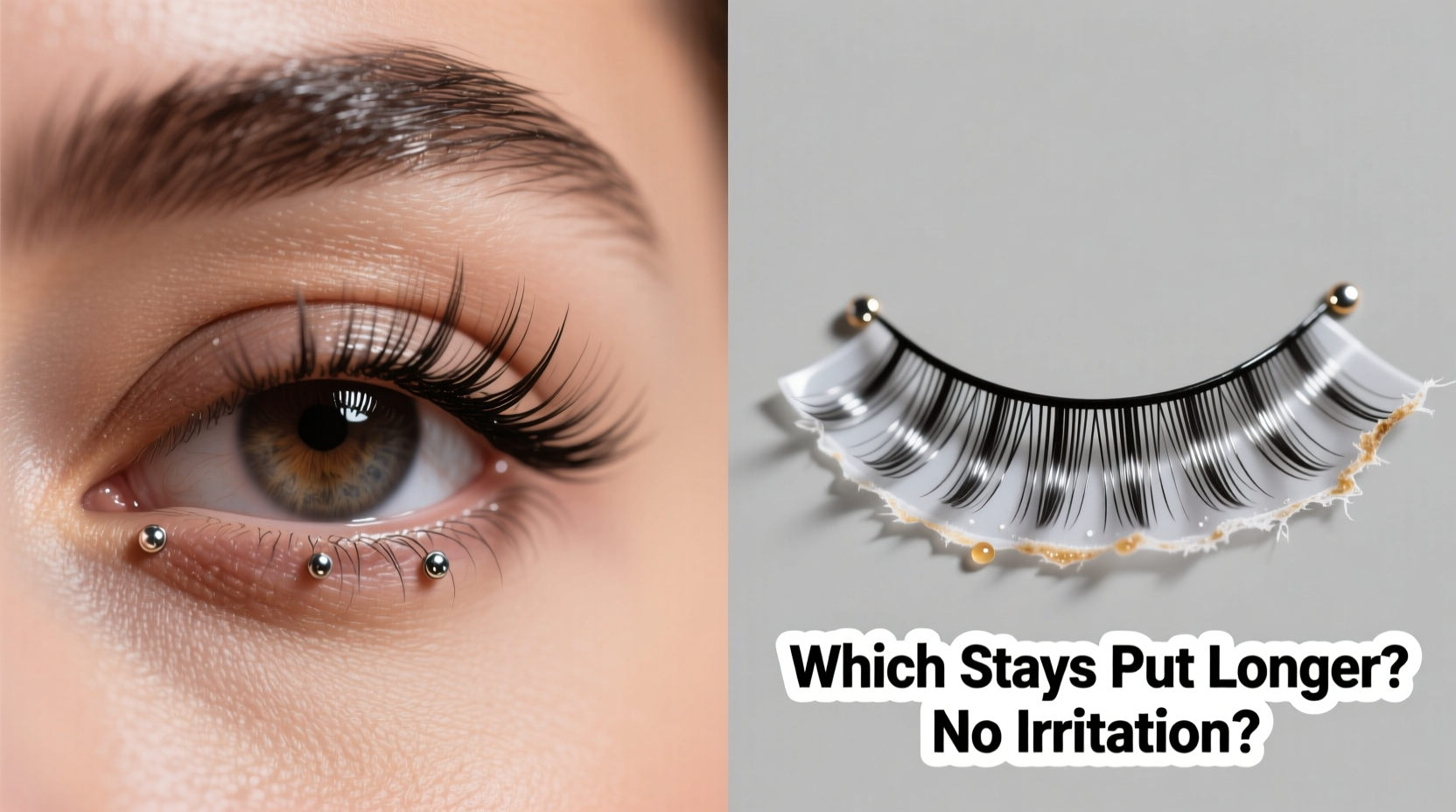
Magnetic eyelashes consist of two parts: upper and lower lash strips embedded with tiny magnets. Instead of using adhesive, they sandwich your natural lashes between them, relying on magnetic force to hold everything in place. The technology eliminates the need for glue, which appeals to those avoiding chemical exposure or messy application processes.
Most magnetic sets come with multiple reusable lash pairs and are designed for durability. Because there’s no drying time or precision glue placement required, they can be quicker to apply than traditional strips—once you’ve mastered the alignment.
Tip: Use a magnifying mirror when applying magnetic lashes to ensure proper alignment of the top and bottom strips.The Mechanics of Glue-On Strip Lashes
Traditional false lashes use a liquid adhesive applied to the band, which is then pressed onto the lash line after a brief drying period (usually 15–30 seconds). The glue creates a strong bond that, when done correctly, can last all day—even through humidity, sweat, or tears.
However, the adhesive component introduces variables that affect both longevity and comfort. Many glues contain latex or formaldehyde-releasing preservatives, common irritants for people with sensitive skin or ocular conditions like blepharitis or dry eye syndrome. Additionally, improper removal can tug at natural lashes, increasing the risk of fallout or inflammation.
“Patients with chronic eye irritation often report worsening symptoms after using glue-based falsies. Switching to magnet-based alternatives frequently reduces redness and discomfort.” — Dr. Lena Tran, Ophthalmic Dermatologist
Comparative Performance: Longevity and Wear Time
When evaluating which option “stays put” longer, several factors come into play: environmental conditions, application skill, facial oil production, and activity level.
Magnetic lashes typically last 8–12 hours under normal conditions. Their hold depends heavily on correct placement—the upper and lower strips must align perfectly so the magnets engage fully. If one end lifts due to misalignment, the entire set may shift or fall off. High-humidity environments or excessive blinking (common during workouts or crying) can also weaken their grip over time.
Glue-on strips, when applied properly with high-quality adhesive, can last 12+ hours. Some waterproof formulas are engineered to endure swimming or intense heat. However, their staying power diminishes as the glue breaks down from natural oils, moisture, or friction from touching the eyes. Over time, the edges may lift, leading to an uneven look or sudden detachment.
Real-World Example: A Full-Day Wear Test
Sophie, a 32-year-old office worker and makeup blogger, tested both types over five consecutive workdays. She wore magnetic lashes Monday through Wednesday and switched to premium glue-on strips Thursday and Friday. All products were from reputable brands, and she followed standard prep routines (cleaned lash line, no oils).
Results: On average, her magnetic lashes stayed intact until 7 PM but began lifting slightly by hour nine, especially on days when she rubbed her eyes due to seasonal allergies. The glue-on strips remained firmly in place until bedtime (around 10 PM), though she experienced mild itching by hour six and developed slight redness on the second day. By Friday, she noticed minor swelling along her lash line—a sign of low-grade irritation.
This case illustrates a common trade-off: superior adhesion with glue-ons, but at the cost of increased irritation risk. Magnetics offered better comfort and easier removal, but less consistent all-day hold.
Skin and Eye Irritation: What Science Says
Irritation from false lashes usually stems from three sources: adhesive chemicals, mechanical stress, and trapped debris.
- Adhesive allergens: Cyanoacrylate and latex—common in lash glues—are known sensitizers. According to a 2021 study published in *Contact Dermatitis*, over 17% of women using glue-on lashes reported developing contact dermatitis within six months of regular use.
- Physical pressure: Heavy strip lashes can strain the delicate eyelid skin, leading to micro-tears or traction alopecia (loss of natural lashes from constant pulling).
- Poor hygiene: Residual glue or bacteria buildup on reused lashes can trigger folliculitis or styes.
Magnetic lashes eliminate the primary culprit—chemical adhesives—but aren’t entirely risk-free. The metal components may cause reactions in individuals with nickel sensitivity, although most brands now use medical-grade, hypoallergenic magnets. Additionally, because the lower lash strip sits close to the waterline, improper cleaning can lead to bacterial transfer.
Tips for Minimizing Irritation
Tip: Clean magnetic lashes with isopropyl alcohol (70%) after each use to prevent microbial growth and maintain magnetic strength.Detailed Comparison Table
| Feature | Magnetic Lashes | Glue-On Strip Lashes |
|---|---|---|
| Average Wear Time | 8–12 hours | 10–14 hours |
| Irritation Risk | Low (if no metal allergy) | Moderate to High (due to glue) |
| Allergy Triggers | Nickel, iron oxides | Latex, formaldehyde, cyanoacrylatex |
| Reusability | Up to 50 wears | 15–25 wears (with care) |
| Application Speed | Faster after learning curve | Slower (glue drying time) |
| Removal Ease | Easy (peel apart) | Requires solvent or oil |
| Best For | Sensitive eyes, quick wear, frequent use | All-night events, photography, maximum hold |
Step-by-Step Guide: Choosing Based on Your Needs
- Assess your eye sensitivity. If you have a history of allergic reactions, blepharitis, or dry eye, start with a patch test for any new product. Opt for nickel-free magnetic lashes and avoid latex-containing glues.
- Determine your usage frequency. Daily wear favors reusability and ease of removal—magnetics win here. Occasional dramatic looks may justify the effort of glue-ons.
- Evaluate your lifestyle. Do you work out, live in a humid climate, or cry easily during movies? Glue-ons generally resist movement better, but modern magnetics are improving.
- Test both types safely. Try one pair of each from reputable brands. Wear them separately on non-critical days to monitor comfort and retention.
- Track results. Note wear time, irritation signs, and removal experience. Keep a simple log for three uses of each type before deciding.
Checklist: Safe False Lash Practices
- ✅ Always remove lashes before sleeping
- ✅ Clean reusable lashes weekly with gentle disinfectant
- ✅ Avoid sharing lashes to prevent infection
- ✅ Replace lashes every 2–3 months (or sooner if frayed)
- ✅ Patch test new glues behind the ear for 24 hours
- ✅ Never apply glue directly to skin if using magnetics
- ✅ Store lashes in their original case to preserve shape
FAQ
Can magnetic lashes damage your natural lashes?
No more than traditional falsies when used correctly. Since they don’t require glue or tugging during removal, they may actually reduce mechanical stress. However, wearing any false lashes too tightly or too often can contribute to breakage or thinning over time.
Are glue-on lashes stronger than magnetic ones?
In terms of raw adhesion, yes—high-quality lash glue forms a durable bond that resists movement better than magnets in dynamic conditions. However, this strength comes with higher risks of irritation and more difficult removal.
Do magnetic lashes work for hooded or oily eyelids?
They can, but success varies. Oily lids don’t interfere with magnets the way they degrade glue bonds, which is an advantage. However, hooded eyes may limit visibility of the lower magnetic strip, making alignment trickier. Using a primer to mattify the lid can improve stability.
Final Verdict: Which Stays Put Longer Without Irritation?
If longevity alone were the deciding factor, glue-on strip lashes would take the crown. They offer superior hold, especially in challenging conditions, and remain the preferred choice for professional makeup artists working on long shoots or events.
But when you factor in irritation—and prioritize eye health, comfort, and daily usability—magnetic lashes emerge as the smarter long-term solution for most users. They eliminate exposure to harsh adhesives, simplify application and removal, and significantly reduce the risk of allergic reactions.
The ideal choice depends on your priorities. For occasional, high-stakes wear where maximum drama and endurance matter, glue-ons still deliver. But for everyday elegance, sensitive eyes, or anyone tired of dealing with itchy lids and glue residue, magnetic lashes provide a safer, more sustainable alternative that stays put reliably—without the discomfort.
💬 Have you made the switch from glue-on to magnetic lashes? Share your experience or tips in the comments below—your insights could help others find comfortable, lasting beauty solutions!








