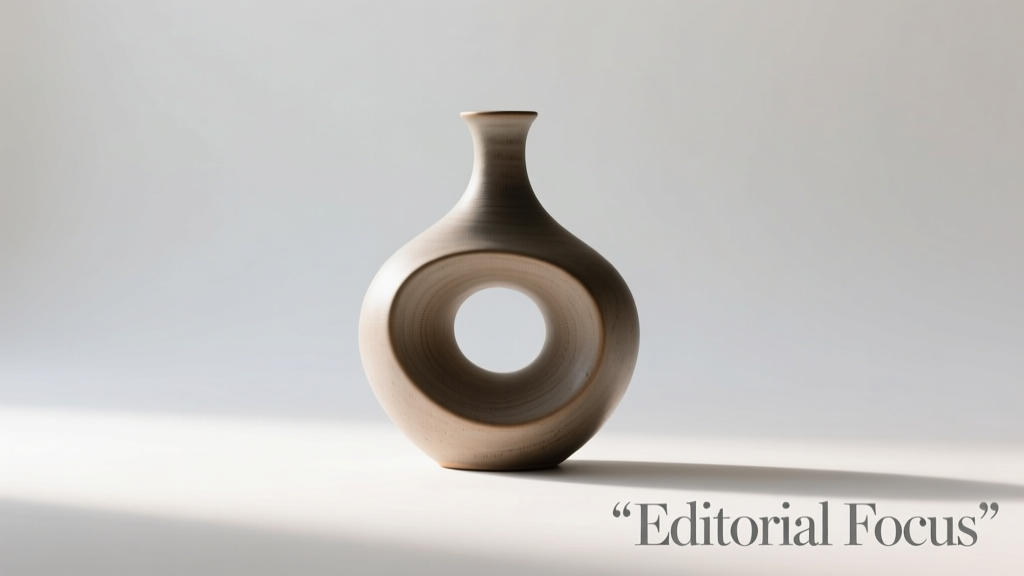
Types of Liquid Urushi
Liquid urushi is a refined form of traditional Japanese lacquer, prized for its use in restoration, fine craftsmanship, and decorative arts. Derived from natural or synthetic sources, it provides a lustrous, durable finish that is highly resistant to water, heat, and chemicals. Ideal for repairing antiques, coating woodenware, or enhancing artistic pieces, liquid urushi bridges ancient techniques with modern applications.
Traditional Liquid Urushi
Sourced from the sap of the Toxicodendron vernicifluum (lacquer tree), this is the authentic, natural form of urushi used for centuries in Japanese lacquerware.
Advantages
- Exceptional durability and longevity
- Natural water, heat, and chemical resistance
- Develops a deep, luminous finish over time
- Biodegradable and environmentally friendly
Limitations
- Requires expert handling and curing conditions
- Potentially allergenic (can cause skin irritation)
- Long curing time (days to weeks in high humidity)
- Sensitive to application technique and environment
Best for: Master artisans, restoration projects, cultural heritage work
Pre-Mixed Liquid Urushi
A ready-to-use formulation that eliminates the need for mixing solvents or adjusting viscosity, making it accessible for a broader range of users.
Advantages
- No preparation required—immediate application
- Consistent quality and viscosity
- Ideal for beginners and time-sensitive projects
- Reduces risk of formulation errors
Limitations
- Less customizable than raw urushi
- Shorter shelf life once opened
- Potentially higher cost per volume
- May contain preservatives or stabilizers
Best for: Beginners, educational workshops, small-scale crafts
Liquid Urushi with Additives
Customizable formulations enhanced with thinners, pigments, or fillers to modify workability, appearance, or structural properties.
Advantages
- Adjustable viscosity for spraying or brushing
- Color customization with natural or synthetic pigments
- Improved texture and layer strength with fillers
- Versatile for artistic and functional applications
Limitations
- Improper ratios can weaken the finish
- Additives may affect curing time and clarity
- Requires knowledge of material compatibility
- Pigments may settle or fade over time
Best for: Artistic projects, custom finishes, multi-layer techniques
Synthetic Liquid Urushi
Engineered resin-based alternatives designed to replicate the appearance and performance of natural urushi without the allergenic risks.
Advantages
- Non-allergenic and safer to handle
- Consistent performance in various climates
- Faster drying and curing times
- Widely available and more affordable
Limitations
- Lacks the depth and aging beauty of natural urushi
- Less environmentally sustainable
- May yellow or degrade under UV exposure
- Perceived as less authentic by purists
Best for: Allergy-sensitive users, commercial production, modern design applications
| Type | Natural Origin | Beginner-Friendly | Durability | Best Application |
|---|---|---|---|---|
| Traditional Liquid Urushi | Yes | No | Exceptional | Artisan crafts, restoration, cultural artifacts |
| Pre-Mixed Liquid Urushi | Yes | Yes | High | Hobbyists, small projects, education |
| Liquid Urushi with Additives | Yes/Optional | Moderate | High (variable) | Custom finishes, artistic expression |
| Synthetic Liquid Urushi | No | Yes | Good | Commercial use, allergy-safe environments |
Expert Tip: When working with natural liquid urushi, maintain a humidity level of 70–80% and a temperature of 25–30°C (77–86°F) for optimal curing. Always wear nitrile gloves and work in a ventilated area to avoid skin contact and inhalation of fumes.
Designs of Liquid Urushi in Contemporary Art and Craft
Liquid urushi, the refined sap of the Toxicodendron vernicifluum tree, has evolved from a traditional Japanese lacquering technique into a celebrated medium in modern design. Today’s artisans and designers blend time-honored craftsmanship with contemporary aesthetics, resulting in innovative applications across art, fashion, and functional objects. By modernizing material usage and refining application methods, liquid urushi continues to captivate with its deep luster, durability, and expressive potential.
Key Design Approaches in Modern Urushi Artistry
Simple and Minimalist
Contemporary designs using liquid urushi often embrace minimalism, focusing on clean lines and uncluttered forms. The natural brilliance of the lacquer enhances the elegance of simple shapes, drawing attention to the quality of the surface rather than ornate detailing.
The deep, glass-like finish of urushi adds a sense of refinement and sophistication, transforming everyday objects into understated works of art. This approach highlights the material’s inherent beauty, making it ideal for modern interiors that value subtlety and tactile richness.
Natural and Organic
Inspired by nature, many modern urushi pieces incorporate organic forms, irregular textures, and raw material characteristics. Designers often preserve the natural grain of wood or the asymmetry of handcrafted surfaces, allowing the urushi to accentuate rather than conceal these features.
The translucent layers of lacquer deepen the visual texture of wood grain, bark impressions, or woven substrates, creating a dialogue between the material’s origin and the artisan’s touch. This design philosophy celebrates imperfection and the passage of time, aligning closely with the Japanese aesthetic of wabi-sabi.
Geometric and Patterned
Some contemporary works use precise geometric shapes or intricate surface patterns beneath or within the urushi layers. These designs may be created through engraving, inlay, or masking techniques before lacquer application.
One of the most renowned methods is Maki-e, where fine gold, silver, or platinum powders are sprinkled onto wet urushi to form elaborate motifs—ranging from abstract geometry to floral and seasonal themes. Modern interpretations often simplify these patterns for a sleek, contemporary look while preserving the technique’s luxurious detail.
Contrasting Colors and Textures
Innovations in pigmentation and finishing have expanded the expressive range of liquid urushi. Artisans now blend natural pigments or synthetic dyes into the lacquer to achieve a broad color palette—from deep blacks and reds to soft pastels and metallic hues.
Designers also experiment with texture, combining matte and glossy finishes on the same piece to create visual contrast and tactile interest. This interplay enhances depth and dimension, making the surface dynamic under changing light and viewing angles.
Functional Artistic
Liquid urushi is increasingly used to elevate functional objects into artistic expressions. Its natural water resistance, durability, and antibacterial properties make it ideal for kitchenware, furniture, and personal accessories.
Bowls, chopsticks, trays, and cups are not only protected by multiple layers of urushi but also transformed into heirloom-quality pieces. Beyond tableware, the technique is applied to luxury items such as watches, eyeglass frames, jewelry, and writing instruments—merging practicality with exquisite craftsmanship.
| Design Style | Key Characteristics | Common Applications |
|---|---|---|
| Minimalist | Smooth surfaces, clean forms, high-gloss finish | Vases, trays, modern tableware, architectural elements |
| Organic/Natural | Visible wood grain, asymmetry, textured finishes | Art objects, sculptural furniture, decorative panels |
| Geometric/Patterned | Inlays, engraved lines, Maki-e decoration | Limited-edition accessories, luxury pens, ceremonial items |
| Color & Texture Contrast | Matte/gloss combinations, multi-colored layers | Fashion accessories, contemporary art, interior accents |
| Functional Art | Durable, protective, aesthetically refined | Kitchenware, furniture, watches, eyewear, jewelry |
Why Liquid Urushi Remains Relevant Today
Note: Authentic liquid urushi requires skilled application and careful curing in a humidity-controlled environment. Improper handling can result in incomplete curing or skin irritation, as raw urushi contains urushiol, a natural allergen. Always work with trained artisans or use pre-processed, safe formulations for modern design applications.
Applications of Liquid Urushi
The flexible nature of liquid urushi—natural Japanese lacquer derived from the sap of the Toxicodendron vernicifluum tree—and its remarkable ability to enhance both durability and aesthetic value have made it a prized material across centuries. Its resistance to water, acids, alkalis, and wear, combined with its deep, lustrous finish, has enabled its use in a wide range of traditional and contemporary applications. From ancient craftsmanship to modern design, liquid urushi continues to bridge artistry and functionality.
Traditional Japanese Crafts
Liquid urushi is a cornerstone of Japan’s intangible cultural heritage, especially in the creation and finishing of high-value lacquerware. Artisans use it to coat delicate items such as bento boxes, chopsticks, trays, and ceremonial vessels, enhancing both their beauty and longevity.
- Its natural resin forms a hard, glass-like surface that resists scratches and moisture, preserving wooden substrates for generations
- Used in multi-layer finishing techniques like urushi-nuri, where each coat is hand-polished to achieve a mirror-like gloss
- Ideal for items passed down as family heirlooms due to its timeless elegance and durability
Cultural note: Authentic urushi craftsmanship is recognized by UNESCO as an important cultural practice
Furniture and Interior Design
In modern and traditional interior spaces, liquid urushi is applied to wooden furniture and architectural elements to create surfaces that are both visually striking and highly resilient.
- Used on dining tables, cabinets, and room dividers to deliver a deep, warm gloss that enhances wood grain patterns
- Applied to wall panels, ceilings, and doors in high-end residential and commercial spaces for a luxurious, handcrafted finish
- Often combined with natural materials like mother-of-pearl or gold leaf for decorative accent features
Design advantage: Urushi finishes age beautifully, developing a richer patina over time
Jewelry and Accessories
Liquid urushi has found a unique niche in fashion and wearable art, where its glossy finish and protective qualities elevate accessories to fine art status.
- Used in crafting earrings, pendants, bracelets, and cufflinks, often layered over metal or wood bases
- Popular in hand-finished watches and eyeglass frames, offering a lightweight yet durable coating
- Valued for its hypoallergenic properties, making it suitable for sensitive skin
- Can be tinted with natural pigments to create vibrant reds, blacks, and amber tones
Creative tip: Maki-e techniques allow for intricate designs using gold or silver powder embedded in wet urushi
Tea and Kitchenware
Urushi’s natural hygienic properties and resistance to liquids make it ideal for tea ceremony utensils and everyday kitchen items.
- Tea caddies (chazutsu), tea bowls (chawan), and trays are commonly finished with urushi for moisture protection and aesthetic refinement
- Kitchen tools like spatulas, ladles, and rice scoops benefit from a smooth, non-porous surface that resists bacterial growth
- Food-safe when fully cured, though not recommended for dishwasher use due to heat sensitivity
- Lightweight compared to ceramic or metal alternatives, enhancing user comfort
Important note: Avoid high heat and prolonged soaking to preserve the finish
Art and Decorative Items
Beyond functional objects, liquid urushi serves as a medium for artistic expression, enabling creators to produce works of lasting beauty and technical mastery.
- Used in panel paintings, sculptures, and relief art, where its depth and clarity enhance visual impact
- Integral to advanced techniques like Nihon Maki-e (sprinkled gold design) and Shippou raden (inlaid with mother-of-pearl and precious stones)
- Allows for fine detailing and layering, creating three-dimensional effects and luminous finishes
- Museums and galleries often display urushi art as masterpieces of craft and cultural identity
Artistic insight: Each layer must be cured in a humidity-controlled environment, requiring patience and precision
Expert Recommendation: When working with liquid urushi, ensure proper ventilation and protective gear, as raw sap can cause skin irritation. For best results, apply in thin, even layers with natural hair brushes, allowing 24–48 hours of curing in a warm, humid chamber (60–80% humidity) between coats. The final polish reveals a depth unmatched by synthetic varnishes.
Additional Considerations
- Sustainability: Urushi is a renewable, biodegradable material harvested without killing the tree, aligning with eco-conscious design principles
- Restoration: Antique urushi items can often be repaired and re-lacquered, preserving cultural artifacts
- Modern Innovations: Hybrid urushi formulations are being developed to reduce curing time and improve workability while maintaining authenticity
- Cultural Significance: In Japan, urushi symbolizes refinement, patience, and harmony between nature and craftsmanship
- Global Influence: Designers worldwide are incorporating urushi techniques into contemporary furniture, fashion, and art
Specifications and Maintenance of Liquid Urushi
Liquid urushi, a natural sap derived from the lacquer tree (Toxicodendron vernicifluum), is a prized material in traditional East Asian craftsmanship. Known for its durability, lustrous finish, and water resistance, urushi requires precise application and careful maintenance to preserve its exceptional qualities. Proper handling ensures longevity, enhances aesthetic appeal, and protects the integrity of lacquered objects—from delicate tableware to fine furniture. The following guide details the technical specifications for application and comprehensive maintenance practices to maximize the performance and lifespan of liquid urushi finishes.
Important Note: Raw urushi can cause skin irritation or allergic reactions in sensitive individuals. Always wear nitrile gloves, work in a well-ventilated area, and avoid direct skin contact during application and repair.
Application Specifications
Successful application of liquid urushi depends on meticulous preparation, proper mixing, and technique-specific execution. Each step influences the final hardness, gloss, and resilience of the lacquer film.
- Surface Preparation
Proper surface preparation is foundational to achieving a flawless urushi finish. For wooden substrates, begin by sanding with progressively finer grits (starting at 180 and finishing at 400) to eliminate imperfections and create a smooth, even surface. After sanding, remove all dust using a tack cloth or microfiber wipe. Ensure the surface is completely dry and free from oils, moisture, fingerprints, or other contaminants. Any residue can compromise adhesion and lead to peeling or bubbling over time. On non-porous materials like metal or ceramics, light abrasion followed by thorough degreasing is recommended.
- Mixing and Thinning
Liquid urushi is often too viscous for fine applications and may require thinning. A typical formulation consists of approximately 95% raw urushi and 5% solvent or binder, though ratios may vary based on climate and desired finish. Traditional thinners include urushi oil or pine oil, while modern practitioners sometimes use turpentine or mineral spirits—though compatibility must be verified. Mix slowly and thoroughly to avoid introducing air bubbles. Over-thinning weakens the film strength, while under-thinning can result in uneven coating and poor leveling. Always test the mixture on a sample piece before full application.
- Application Techniques
Different methods are suited to various objects and desired outcomes:
- Brushing: Ideal for intricate or handcrafted pieces. Use a high-quality, soft-haired brush (such as a fuki-fude) to apply thin, even coats. Maintain consistent stroke direction to avoid lap marks.
- Spraying: Best for large, flat surfaces requiring a uniform, texture-free finish. Requires proper ventilation and masking to prevent overspray.
- Rubbing (Fuki-Urushi): A traditional method where a small amount of urushi is rubbed into the surface with a cloth. This produces a translucent, satin finish commonly used on bowls, chopsticks, and utensils.
Allow each coat to cure fully in a controlled environment (ideally 25–30°C with 70–80% humidity) before applying the next. Curing occurs through enzymatic oxidation, not evaporation—exposure to dry air or direct sunlight can inhibit polymerization and result in a weak, dull finish.
Maintenance of Urushi-Finished Items
With proper care, urushi finishes can last for generations. Regular maintenance preserves both beauty and functionality, especially for frequently used items.
- Regular Cleaning
Clean urushi surfaces gently to avoid scratching or dulling the finish. Use a soft, lint-free cloth slightly dampened with water. For kitchenware such as bowls, plates, or trays, mild dish soap may be used sparingly, followed by immediate drying with a soft towel. Never soak urushi items in water. Avoid abrasive sponges, scouring pads, or chemical cleaners (including alcohol-based or ammonia-based solutions), as they can strip the lacquer and expose the underlying material.
- Conditioning
Wooden urushi items benefit from periodic conditioning to prevent drying and cracking. Apply a thin coat of food-safe mineral oil or specialized urushi oil every few months, especially in dry climates. Wipe on with a soft cloth, allow it to absorb for 15–30 minutes, then buff off any excess. This not only nourishes the wood but also enhances the depth of the lacquer and provides an additional moisture barrier.
- Storage
Store urushi items in a cool, dry, and dark environment to prevent UV degradation and thermal stress. Prolonged exposure to sunlight causes fading and embrittlement of the lacquer. Avoid humid areas (like near sinks or dishwashers) and rapid temperature fluctuations, which can lead to cracking or delamination. For long-term storage, wrap items in acid-free tissue paper and place them in a padded container to prevent scratches.
- Repairs
One of urushi’s remarkable qualities is its repairability. Minor scratches or worn spots can be touched up with a small brush and fresh urushi. For deeper damage—such as chips or cracks—mix urushi with a fine filler material like powdered wood, diatomaceous earth, or rice bran to create a putty. Apply the mixture, allow it to cure, then sand smooth and re-lacquer. Multiple thin coats may be needed to match the original finish. This restorative capability makes urushi a sustainable choice for heirloom-quality objects.
- Avoiding Moisture and Heat
Urushi is water-resistant but not waterproof. Prolonged immersion or exposure to steam (e.g., dishwashers or boiling water) can compromise the bond between layers or the substrate. Never place urushi-coated items in a microwave, oven, or dishwasher. Similarly, keep furniture and decorative pieces away from radiators, fireplaces, or direct sunlight. Sudden temperature changes can cause the lacquer to contract or expand at a different rate than the base material, leading to cracks or peeling.
| Maintenance Aspect | Best Practices | Risks of Improper Care | Recommended Tools/Supplies |
|---|---|---|---|
| Cleaning | Use soft cloth with water or mild soap; dry immediately | Scratches, cloudiness, loss of luster | Microfiber cloths, pH-neutral cleaner |
| Conditioning | Apply mineral oil every 3–6 months | Drying, cracking, warping of wood | Food-grade mineral oil, lint-free rags |
| Storage | Cool, dry, dark place; avoid stacking without padding | Fading, warping, surface abrasion | Acid-free paper, padded boxes |
| Repairs | Fill deep damage with urushi + filler; re-lacquer | Structural weakening, moisture ingress | Fine powder filler, fine brushes, curing chamber |
| Environmental Exposure | Avoid direct sun, heat sources, and high humidity | Cracking, peeling, discoloration | UV-protective display cases, hygrometer |
Expert Tip: Urushi continues to harden and improve in appearance over time. A well-maintained piece can develop a rich, deep patina after years of use. Handle with care, clean gently, and appreciate the evolving beauty of this natural material.
Long-Term Preservation Tips
- Inspect urushi items regularly for signs of wear, lifting, or micro-cracks.
- For valuable or antique pieces, consult a professional conservator before attempting repairs.
- Label and date any restoration work for historical documentation.
- Keep a small vial of matching urushi for future touch-ups, stored in a cool, dark place.
- Display urushi art pieces behind UV-filtering glass to minimize light damage.
Liquid urushi represents a harmonious blend of nature and craftsmanship. By adhering to precise application techniques and consistent maintenance routines, artisans and owners alike can ensure that urushi-treated objects remain functional, beautiful, and enduring for generations. Whether used in utilitarian wares or artistic creations, urushi’s timeless appeal is preserved through knowledge, care, and respect for its unique properties.
Frequently Asked Questions About Liquid Urushi
Q1: What is liquid urushi and how is it different from regular urushi?Liquid urushi is a refined and user-friendly version of traditional Japanese lacquer (urushi), derived from the sap of the Toxicodendron vernicifluum tree. While regular urushi is in its pure, natural form—thick, viscous, and requiring skilled handling—liquid urushi has been specially processed by blending with solvents or thinners to reduce its consistency, making it easier to apply for both artisans and hobbyists.
This modification allows for smoother brushwork and faster drying times, while still preserving many of the natural properties of raw urushi, such as durability and luster. However, it may contain additives that slightly alter its curing process and final hardness compared to 100% natural urushi used in classical Japanese lacquerware (shikki).
Q2: What are some common uses of liquid urushi?Liquid urushi is widely used across traditional and contemporary crafts due to its versatility, strength, and beautiful glossy finish. Common applications include:
- Lacquerware: Bowls, trays, and decorative boxes that require a protective and elegant coating.
- Furniture: Used to seal and enhance wooden tables, cabinets, and chairs with a water-resistant, long-lasting finish.
- Jewelry: Applied in maki-e (gold/silver powder decoration) and other fine art techniques on bangles, pendants, and accessories.
- Kitchenware: Coating chopsticks, cups, and plates where food-safe durability is essential after full curing.
- Art and Sculpture: Employed by artists for mixed media works, calligraphy tools, and restoration of historical artifacts.
Its ability to bond well with wood, metal, bamboo, and ceramics makes liquid urushi a preferred medium in both functional design and high-end artistry.
Q3: Is liquid urushi waterproof?Yes, once fully cured, liquid urushi forms an exceptionally water-resistant and even waterproof barrier. This makes it highly suitable for objects frequently exposed to moisture, such as tableware, bathroom fixtures, and marine equipment.
The cured lacquer creates a dense, non-porous film that prevents water penetration, resists mold and mildew, and protects underlying materials from warping or decay. This hydrophobic quality, combined with its resistance to acids and alkalis, ensures longevity in humid environments and daily use settings.
It's important to note that proper curing—typically under controlled temperature and humidity (around 25–30°C and 70–80% RH)—is essential to achieve optimal waterproof performance.
Q4: How does one apply liquid urushi?Liquid urushi can be applied using several techniques, each suited to different surfaces and desired effects:
- Brushing: The most common method, using fine natural hair brushes (e.g., horse or rabbit hair) for smooth, even layers. Ideal for intricate designs and small surfaces.
- Rubbing-in (Fuki-urushi): A technique where a small amount of urushi is rubbed into the surface with cotton or cloth, then excess is wiped off. This enhances grain visibility and creates a subtle, natural sheen.
- Spraying: Used for large, flat, or industrial surfaces to ensure uniform coverage. Requires proper ventilation and safety gear due to fine mist dispersion.
Regardless of method, surface preparation is critical: the substrate must be clean, dry, and sanded smooth. Multiple thin coats are recommended, with careful drying and light sanding between layers. Always follow manufacturer instructions and work in a dust-free, climate-controlled environment for best results.
Q5: Can liquid urushi be used outdoors?Yes, liquid urushi is an excellent choice for outdoor applications due to its remarkable resistance to environmental stressors. Once cured, it demonstrates strong resilience against:
- UV Radiation: Unlike many synthetic varnishes that yellow or degrade in sunlight, urushi maintains its color and integrity over time.
- Moisture and Rain: Its waterproof nature prevents water absorption, swelling, and rot in wooden structures.
- Temperature Fluctuations: It remains stable across seasonal changes, resisting cracking or peeling.
- Biological Degradation: Naturally resistant to fungi, insects, and bacterial growth.
These qualities make liquid urushi ideal for outdoor furniture, garden gates, signage, architectural elements, and sculptures. However, while highly durable, periodic inspection and maintenance (such as re-coating every few years) can further extend the life of outdoor pieces exposed to extreme weather conditions.









