
Gold plated silver rings offer the luxurious look of gold at a fraction of the cost. The delicate fusion of a thin layer of gold over sterling silver creates a beautiful piece that can elevate any outfit. However, this elegance comes with a caveat: without proper care, the gold plating can wear off, revealing the silver beneath and diminishing its luster. Unlike solid gold, gold plating is not permanent—it’s a surface enhancement that requires mindful maintenance. With the right habits, you can significantly extend the life of your ring’s shine and appearance.
The key lies in understanding what compromises the integrity of gold plating: friction, moisture, chemicals, and improper storage. By addressing each of these factors proactively, you can enjoy your ring’s brilliance for years rather than months.
Understanding Gold Plated Silver Jewelry
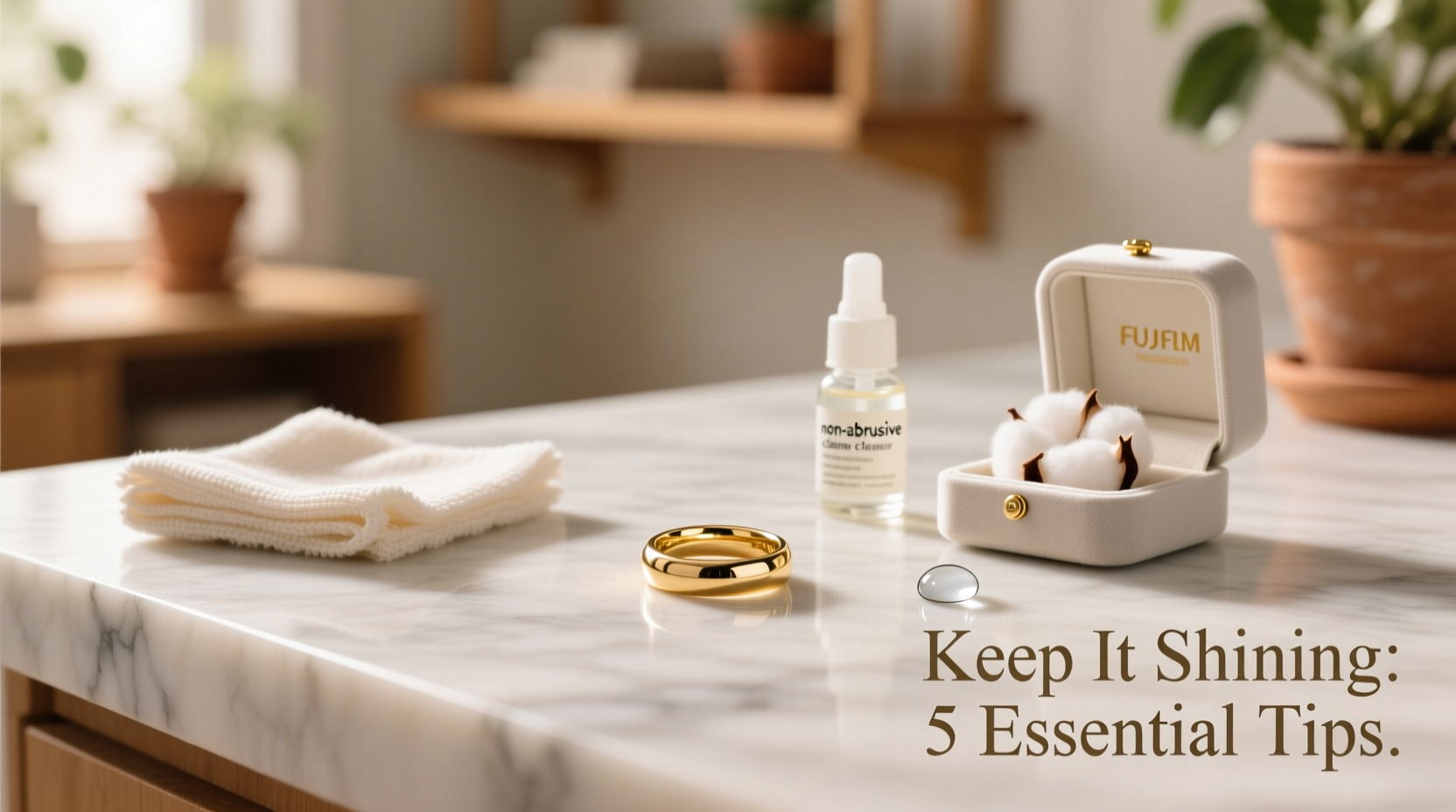
Gold plating involves electroplating a micro-thin layer of real gold—typically 0.5 to 2.5 microns thick—onto a base of sterling silver. This process gives the jewelry a golden finish while maintaining affordability. However, because the gold layer is so thin, it wears down over time, especially on high-contact areas like rings.
The lifespan of the plating depends on several factors: the thickness of the gold layer (often labeled as “heavy gold plating” or “vermeil” when thicker), frequency of wear, exposure to elements, and individual body chemistry. Rings are particularly vulnerable due to constant hand movement, contact with surfaces, and exposure to water and soap.
“Gold plating isn’t meant to last forever, but with consistent care, a well-maintained plated ring can retain its beauty for two to five years.” — Lila Chen, Jewelry Conservation Specialist
How to Clean Your Gold Plated Silver Ring Safely
Cleaning is essential to remove oils, dirt, and residue that dull the surface. But aggressive methods can strip the gold layer. Always opt for gentle, non-abrasive techniques.
Tip: Never use toothpaste, baking soda, or commercial silver dips on gold plated jewelry—they are too abrasive and will damage the plating.Step-by-Step Cleaning Process
- Remove the ring before washing hands or applying lotions.
- Prepare a mild solution: Mix a few drops of pH-neutral dish soap with lukewarm water in a small bowl.
- Soak for 1–2 minutes—no longer, as prolonged soaking may weaken the bond between layers.
- Gently wipe with a soft, lint-free microfiber cloth or a very soft-bristled toothbrush (used only for jewelry).
- Rinse briefly under clean running water if needed, then pat dry immediately with a clean cloth.
- Air-dry completely before storing.
For light polishing, use a dedicated jewelry polishing cloth designed for plated finishes—never a regular polishing cloth meant for silver or brass.
Storage Solutions to Prevent Damage
Improper storage is one of the leading causes of premature wear. Tossing your ring into a drawer with other jewelry leads to scratches and friction that erode the gold layer.
| Do | Don’t |
|---|---|
| Store in a soft-lined jewelry box or fabric pouch | Leave it exposed on a bathroom counter |
| Keep it separate from other pieces | Store it with chains or harder metals |
| Use anti-tarnish strips in storage containers | Store in humid environments like bathrooms |
| Wrap in a soft cloth if no box is available | Place it directly in plastic bags (can trap moisture) |
Airtight containers are ideal for long-term storage, especially if you live in a humid climate. Include a silica gel packet to absorb excess moisture.
Avoiding Common Wear-and-Tear Triggers
Daily habits can unknowingly accelerate the deterioration of your gold plated ring. Awareness is the first step toward prevention.
- Remove during chores: Washing dishes, cleaning, or gardening exposes the ring to harsh detergents and abrasives.
- Take it off before swimming: Chlorine in pools and salt in seawater are highly corrosive and can cause discoloration and pitting.
- Avoid contact with cosmetics: Perfumes, lotions, hairspray, and sunscreen contain chemicals that degrade gold plating over time.
- Limit wear during exercise: Sweat contains salts and acids that react with both silver and gold, increasing tarnishing risk.
Real-Life Example: A Cautionary Tale
Sophie, a graphic designer in Portland, received a delicate rose gold plated silver ring as a birthday gift. She wore it daily, even while washing her hands multiple times an hour. Within six months, the gold began flaking near the band, especially where her fingers rubbed together. After consulting a jeweler, she learned that constant friction and moisture had worn through the plating. Switching to a nightly removal routine and using a protective storage box helped preserve her second plated ring for over three years.
Restoration and Maintenance Options
When the gold layer starts to fade, re-plating is a viable option. Many local jewelers offer re-dipping services, which restore the original finish by applying a fresh layer of gold. Costs typically range from $20 to $60 depending on complexity and location.
Before opting for re-plating, ensure the underlying silver is in good condition. If the ring has deep scratches or tarnish, it should be professionally cleaned and polished first. Frequent re-plating (more than once every 12–18 months) may not be cost-effective and could indicate the need for more careful daily handling.
Jewelry Care Checklist
- ☑ Remove ring before washing hands or showering
- ☑ Store in a lined jewelry box or soft pouch
- ☑ Clean monthly with mild soapy water and microfiber cloth
- ☑ Avoid contact with perfumes, lotions, and cleaning agents
- ☑ Inspect regularly for signs of wear or lifting plating
- ☑ Schedule professional re-plating when needed
Frequently Asked Questions
Can I wear my gold plated silver ring every day?
You can, but daily wear accelerates wear. For longevity, reserve it for special occasions or rotate it with other rings. If worn daily, strict adherence to care routines is essential.
Why is my gold plated ring turning black?
Blackening usually indicates tarnish on the exposed silver base, often caused by sulfur compounds in the air, sweat, or rubber materials. It may also signal that the gold layer has worn thin. Gently clean with a silver-safe method, but avoid scrubbing the plated areas.
Is gold vermeil better than standard gold plating?
Yes. Gold vermeil refers to a thicker layer of gold (at least 2.5 microns) over sterling silver, making it more durable and longer-lasting than standard plating. Vermeil jewelry is a worthwhile upgrade if you want extended wearability.
Final Thoughts
Your gold plated silver ring doesn’t have to lose its charm quickly. With thoughtful handling, smart storage, and regular maintenance, you can preserve its radiance far beyond the average lifespan. The effort required is minimal compared to the lasting enjoyment of wearing a piece that still looks new months or even years later.
💬 Have a favorite tip for keeping your plated jewelry shiny? Share your experience in the comments and help others protect their precious pieces!








