When choosing a handbag, the decision often comes down to more than just color or shape. The material plays a pivotal role in how the bag ages, performs in daily use, and fits into your lifestyle. Leather and suede are two of the most popular choices—both derived from animal hides, yet vastly different in texture, maintenance, and aesthetic appeal. But does one truly outperform the other? Or is the “better” material simply a matter of personal preference and context?
The answer lies not in declaring a universal winner, but in understanding what each material offers—and where it falls short.
Understanding the Basics: What Makes Leather and Suede Different?
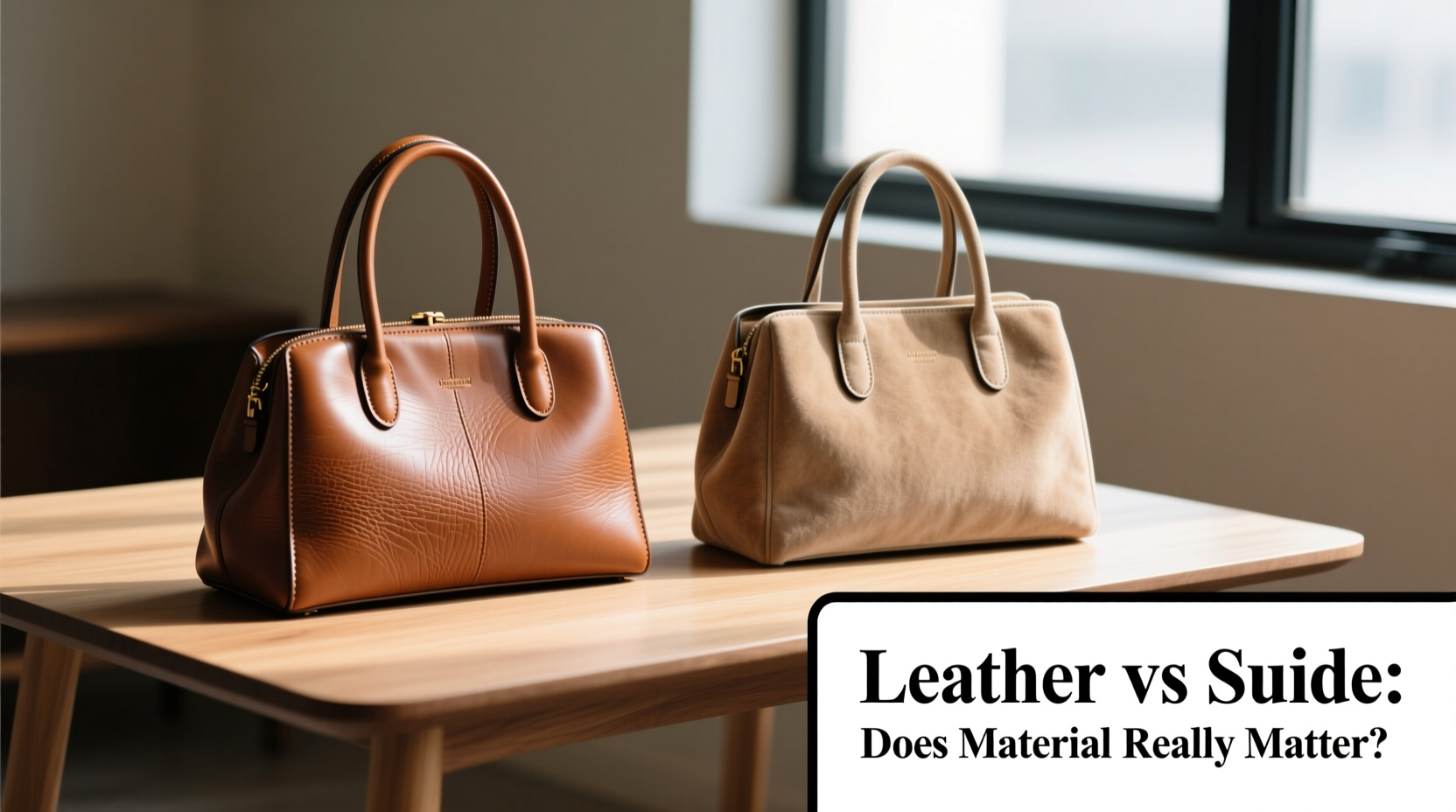
At first glance, leather and suede may seem like variations of the same material. In truth, they come from different layers of the hide and undergo distinct tanning and finishing processes.
Leather is typically made from the outer layer of the hide—the top grain—which is thick, durable, and naturally resistant to moisture. It’s often treated with a protective coating that enhances longevity and gives it a smooth, polished appearance. Full-grain leather, the highest quality, retains natural grain patterns and develops a rich patina over time.
Suede, on the other hand, is created from the inner layer of the hide, known as the split. This results in a soft, napped surface with a velvety texture. While luxurious to the touch, suede lacks the natural water resistance of leather and is more prone to scuffing and staining.
“Suede offers unmatched tactile elegance, but it demands respect. It’s not a ‘throw it in the backseat’ kind of bag.” — Marcus Bell, Luxury Accessory Curator at Atelier & Co.
Durability and Longevity: Which Holds Up Better Over Time?
When evaluating handbags, durability isn’t just about surviving drops or bumps—it’s about resilience against environmental factors, wear patterns, and long-term maintenance.
Leather generally wins in this category. Its tightly packed fibers and protective finish make it resistant to scratches, UV damage, and light moisture. With proper care, a high-quality leather handbag can last decades, improving in character as it ages. Think of a well-worn leather satchel that’s developed a warm glow after years of use—this is the hallmark of good full-grain leather.
Suede, while strong in its own right, is inherently more delicate. The nap can flatten under pressure, absorb spills instantly, and show signs of wear more quickly. Rain or snow can permanently stain suede unless treated immediately. That said, modern treatments have improved water-resistant coatings for suede, making some versions more practical than before.
Tip: Always treat new suede bags with a protective spray designed specifically for nubuck and suede to create a barrier against liquids and dirt.Care and Maintenance: What’s Required to Keep Each Looking Fresh?
Maintenance is where the real difference between leather and suede becomes apparent. Your willingness—or ability—to care for a bag will heavily influence which material is better suited for you.
Leather care is relatively straightforward. Wipe down with a slightly damp cloth when dirty, condition every 3–6 months with a pH-balanced leather conditioner, and store in a dust bag away from direct sunlight. Avoid silicone-based polishes, which can clog pores and dry out the material over time.
Suede care is more involved. Use a suede brush regularly to lift the nap and remove surface dust. For stains, specialized erasers or foam cleaners are needed. Never use water directly—blot gently if liquid spills occur. Professional cleaning is often recommended for deep-set stains.
Step-by-Step Guide: Caring for Suede Handbags
- Brush the entire surface weekly with a soft suede brush to maintain texture.
- Apply a suede protector spray in a well-ventilated area before first use.
- If stained, use a suede eraser in gentle circular motions.
- For oil-based stains, sprinkle cornstarch and let sit overnight before brushing off.
- Store in a breathable cotton bag, never plastic, to prevent mildew.
Style and Versatility: How Do They Fit Into Your Wardrobe?
Aesthetically, the two materials cater to different tastes and occasions.
Leather handbags offer timeless versatility. A black or tan leather tote transitions seamlessly from office meetings to weekend errands. Structured leather designs project professionalism; slouchy styles add effortless chic. Because of their polished finish, leather bags pair well with both casual and formal attire.
Suede brings texture and depth. It excels in transitional seasons—fall and spring—when its earthy tones and soft feel complement wool coats and knits. Suede bags often lean toward fashion-forward or bohemian aesthetics. However, bold colors and unique finishes in suede can become statement pieces that elevate even simple outfits.
The trade-off? Suede’s delicacy limits its all-weather usability. You’re less likely to grab a suede crossbody during a sudden downpour than a waxed leather backpack.
| Feature | Leather | Suede |
|---|---|---|
| Water Resistance | High (especially treated) | Low (requires protection) |
| Durability | Excellent | Fair to Good |
| Maintenance | Low to Moderate | High |
| Texture | Smooth, structured | Soft, napped |
| Lifespan (with care) | 10+ years | 5–7 years |
| Best For | Daily use, professional settings | Seasonal wear, fashion statements |
Real-World Example: Two Women, Two Choices
Consider Sarah, a corporate attorney who commutes via subway and frequently travels for work. She owns a structured caramel leather tote that she’s used daily for four years. Despite coffee spills and rain exposure, regular conditioning has kept it supple and attractive. The edges have softened, and the strap shows faint creases—but these only enhance its lived-in charm.
Then there’s Lena, a graphic designer with a love for vintage style. Her favorite bag is a deep burgundy suede shoulder bag. She wears it almost exclusively in dry weather and stores it carefully. After two years, it still looks rich and vibrant—but required professional cleaning once after an accidental wine splash at an outdoor café.
Their experiences illustrate a key point: the “better” material depends on usage. Sarah’s lifestyle favors leather’s resilience. Lena values suede’s aesthetic and accepts the extra care it requires.
FAQ: Common Questions About Leather and Suede Handbags
Can I wear a suede handbag in the rain?
Not without risk. Untreated suede absorbs water quickly, leading to stains and warping. If caught in the rain, blot immediately, let air dry away from heat, and restore the nap with a brush. Pre-treated suede fares better but should still be protected.
Is vegan leather a viable alternative to real leather or suede?
Modern vegan leathers have improved significantly, especially those made from polyurethane (PU). However, they generally lack the breathability and aging qualities of real leather. Most faux suede options also degrade faster under friction and moisture. For longevity, genuine materials still lead—but ethical and sustainable brands now offer responsibly sourced alternatives worth considering.
Do leather and suede age differently?
Yes. Leather tends to develop a desirable patina—darkening slightly and smoothing with use. Suede, meanwhile, may show wear patterns like flattened nap or edge fraying. While some appreciate this character, others find it harder to maintain a pristine look over time.
Final Verdict: Does the Material Actually Matter?
The question isn’t whether leather or suede is objectively better—it’s whether the material aligns with your life. A handbag isn’t just an accessory; it’s a tool. And like any tool, its value is measured by how well it serves its purpose.
If you need a reliable, low-maintenance companion for daily use, leather is the smarter investment. It withstands the grind of urban living, adapts to changing environments, and rewards care with lasting beauty.
If you prioritize texture, seasonal style, and tactile luxury—and are willing to put in the effort—suede offers a unique sensory experience no glossy leather can replicate.
In the end, the “better” material is the one that complements your routine, reflects your taste, and feels right in your hand.
💬 What’s your go-to handbag material—and why? Share your experience in the comments and help others decide what works best for real-life use.








