
When it comes to packaging, gift wrapping, or decorative embellishments, the choice of ribbon can dramatically affect the perceived value of an item. Two of the most commonly used materials—silk and cotton—each bring their own aesthetic and functional qualities to the table. While both are natural fibers with timeless appeal, silk ribbon is generally perceived as more luxurious and expensive than cotton. However, this perception isn’t just about material cost—it’s influenced by texture, sheen, drape, and context. Understanding these nuances helps in making intentional choices for branding, gifting, or design projects where first impressions matter.
The Visual Language of Luxury: Why Silk Commands Attention
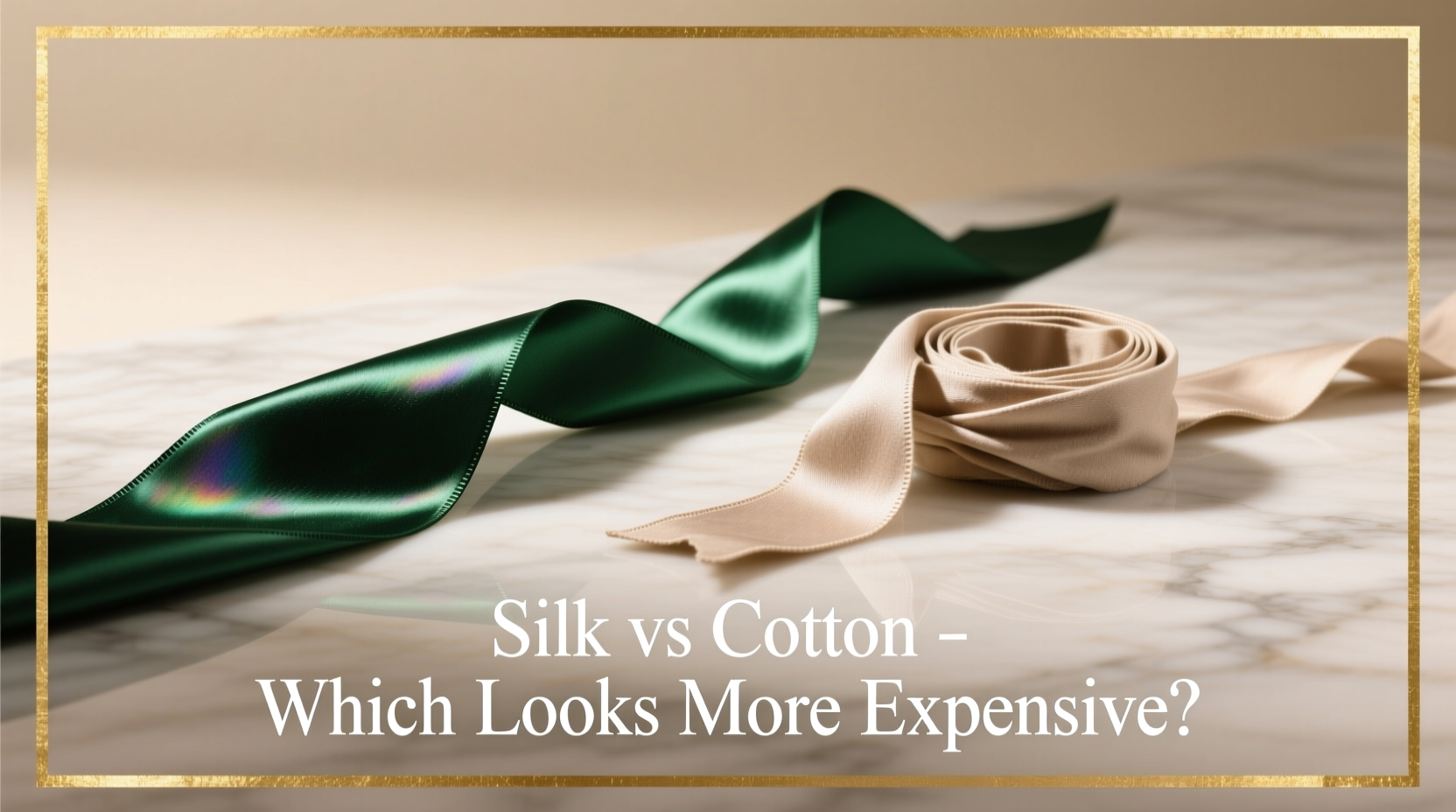
Silk has long been associated with opulence. Historically reserved for royalty and high-status garments, its lustrous surface reflects light in a way that immediately draws the eye. This natural sheen is one of the primary reasons silk ribbon appears more expensive than cotton. Unlike matte-finished cotton, silk catches and plays with ambient light, creating subtle highlights that suggest refinement and care.
In addition to its shine, silk ribbon typically has a smoother, more fluid drape. When tied into a bow, it flows elegantly, forming soft loops and tails that look polished and deliberate. Cotton ribbon, while charming in its own right, tends to hold a stiffer shape and lacks that liquid movement. Its texture is more utilitarian, often resembling twill tape or baker’s string—functional but not inherently glamorous.
“Silk communicates value before a single word is spoken. It’s not just a material—it’s a signal.” — Lila Monroe, Textile Designer & Brand ConsultantTip: Use silk ribbon on premium gift boxes, wedding favors, or luxury product packaging to instantly elevate perceived quality.
Tactile Qualities That Influence Perception
Touch plays a crucial role in how we judge value. Studies in consumer psychology show that people associate smoothness and softness with higher quality. Silk excels in this domain. Its surface feels cool and sleek against the skin, with a slight resistance that suggests durability without stiffness. Running a finger along a silk ribbon reveals a consistent, almost frictionless glide—a sensation linked to indulgence.
Cotton, especially unbleached or loosely woven varieties, feels more organic and earthy. While this can be appealing in rustic or eco-conscious designs, it doesn’t trigger the same psychological response as silk. The fibrous texture of cotton can feel “unfinished” in contexts where polish is expected. Even high-thread-count cotton ribbons rarely match the sensory sophistication of silk.
This difference becomes particularly noticeable in blindfolded touch tests. In focus groups conducted for luxury packaging brands, participants consistently rated silk-wrapped items as “more valuable” even when the contents were identical to cotton-wrapped counterparts.
Material Comparison: A Side-by-Side Analysis
| Feature | Silk Ribbon | Cotton Ribbon |
|---|---|---|
| Surface Sheen | High luster, reflective | Matt, low reflectivity |
| Drape & Flow | Fluid, elegant movement | Stiff, structured |
| Texture | Smooth, silky (literally) | Fibrous, slightly rough |
| Weight | Light with substantial feel | Light to medium, airy |
| Durability | Strong but sensitive to moisture | Durable, washable, resilient |
| Cost | Higher (labor-intensive production) | Lower (widely available) |
| Perceived Value | Premium, luxurious | Casual, craft-oriented |
This comparison underscores why silk remains the go-to choice for high-end applications. While cotton wins in practicality and affordability, silk dominates in prestige.
Context Matters: When Cotton Can Outshine Silk
Despite silk’s inherent advantages in signaling luxury, there are situations where cotton ribbon not only competes but may be the more appropriate—and even more impressive—choice. For example, in minimalist, eco-luxury branding, a hand-dyed organic cotton ribbon can convey thoughtfulness and sustainability in a way that silk cannot. Brands like Cuyana and Package Free Shop use undyed cotton ribbons to communicate transparency and ethical sourcing, appealing to consumers who equate responsibility with sophistication.
A real-world example: a boutique skincare line launched with two versions of its holiday gift set. One used ivory silk ribbon; the other, a thick, looped organic cotton tie. Despite identical contents, the cotton version sold out faster among customers aged 25–35. Feedback indicated that the cotton felt “more authentic” and “aligned with clean living values.” In this case, perceived expense wasn’t tied to traditional luxury cues—but to alignment with personal ethics.
Tip: Match your ribbon choice to your brand’s story. Luxury isn’t just about appearance—it’s about resonance.How to Make Cotton Look More Expensive
While cotton starts at a perceptual disadvantage, smart design choices can elevate its status. Consider these strategies:
- Choose heavier weaves: Satin-finish cotton or grosgrain adds structure and a hint of sheen.
- Use custom dyeing: Unique, muted tones (like clay pink or forest green) feel more artisanal than bright primaries.
- Incorporate hand-tied knots: Imperfect, asymmetrical bows suggest craftsmanship over mass production.
- Add metallic threading: Subtle gold or silver threads woven into cotton create a hybrid effect.
- Pair with luxe materials: Combine cotton ribbon with velvet boxes or handmade paper for layered richness.
These techniques don’t make cotton rival silk in shine, but they shift the narrative from “simple” to “intentional”—a different kind of premium.
Step-by-Step Guide: Choosing the Right Ribbon for Your Project
- Define your goal: Are you aiming for elegance, warmth, or minimalism?
- Assess your audience: Do they value tradition, sustainability, or innovation?
- Evaluate the item: Is it a $200 perfume or a handmade soap? Match ribbon scale to product value.
- Test samples: Place both silk and cotton ribbons on the actual packaging under display lighting.
- Consider longevity: Will the ribbon stay intact during shipping? Silk frays more easily than cotton.
- Make your choice: Opt for silk when luxury is the message; choose cotton when authenticity is key.
FAQ
Can synthetic ribbons mimic the look of silk?
Yes—polyester satin ribbons can closely resemble silk in sheen and drape at a fraction of the cost. However, they lack the breathability and subtle texture of real silk, and under close inspection, often appear “too perfect” or plasticky. For short-term use (like event decor), synthetics are a viable alternative.
Is silk ribbon worth the extra cost?
It depends on context. For high-margin products, weddings, or luxury gifting, yes—the investment pays off in perceived value. For everyday crafts or bulk packaging, cotton or synthetic options may offer better ROI.
Does the width of the ribbon affect how expensive it looks?
Indirectly. Wider ribbons (1 inch or more) tend to feel more substantial and deliberate, regardless of material. Narrow ribbons (¼ inch or less) can look delicate or decorative rather than luxurious unless used with precision.
Checklist: Signs Your Ribbon Choice Communicates Quality
- ✔️ The color is rich and consistent, not faded or blotchy
- ✔️ The edges are cleanly finished (no fraying)
- ✔️ The knot holds shape without collapsing
- ✔️ The material complements the package—not competing with it
- ✔️ It feels intentional, not an afterthought
Final Thoughts: Beyond Material, It’s About Message
Silk ribbon generally looks more expensive than cotton—there’s no denying the power of its sheen, drape, and historical association with wealth. But true sophistication lies not in choosing the most expensive material, but in selecting the one that best tells your story. A silk bow says “refined tradition”; a hand-stitched cotton tie says “thoughtful craftsmanship.” Both can command respect, depending on the context.
The most effective design choices align material with meaning. Whether you’re wrapping a bridal favor, launching a skincare line, or styling a boutique window display, consider not just how the ribbon looks, but what it says. Because in the end, perceived value isn’t just about appearance—it’s about intention.
💬 What’s your go-to ribbon for premium presentations? Share your favorite combinations of material, color, and style—we’d love to hear what works in your creative or business practice.








