When it comes to protecting your smartphone, the choice of case material matters—not just for style or grip, but for longevity. Two of the most popular options on the market are leather and silicone cases. Both promise protection and aesthetic appeal, but when it comes to lasting power, one clearly outperforms the other over time. Understanding how each material ages, withstands wear, and responds to daily use can help you make a smarter investment in your device’s long-term safety.
Leather has long been associated with durability and elegance, while silicone is praised for its flexibility and shock absorption. But under months—or years—of daily handling, spills, drops, and exposure to environmental factors, their performance diverges significantly. This article breaks down the science, real-world testing, and user experiences behind both materials to determine which truly stands the test of time.
Material Composition and Initial Performance
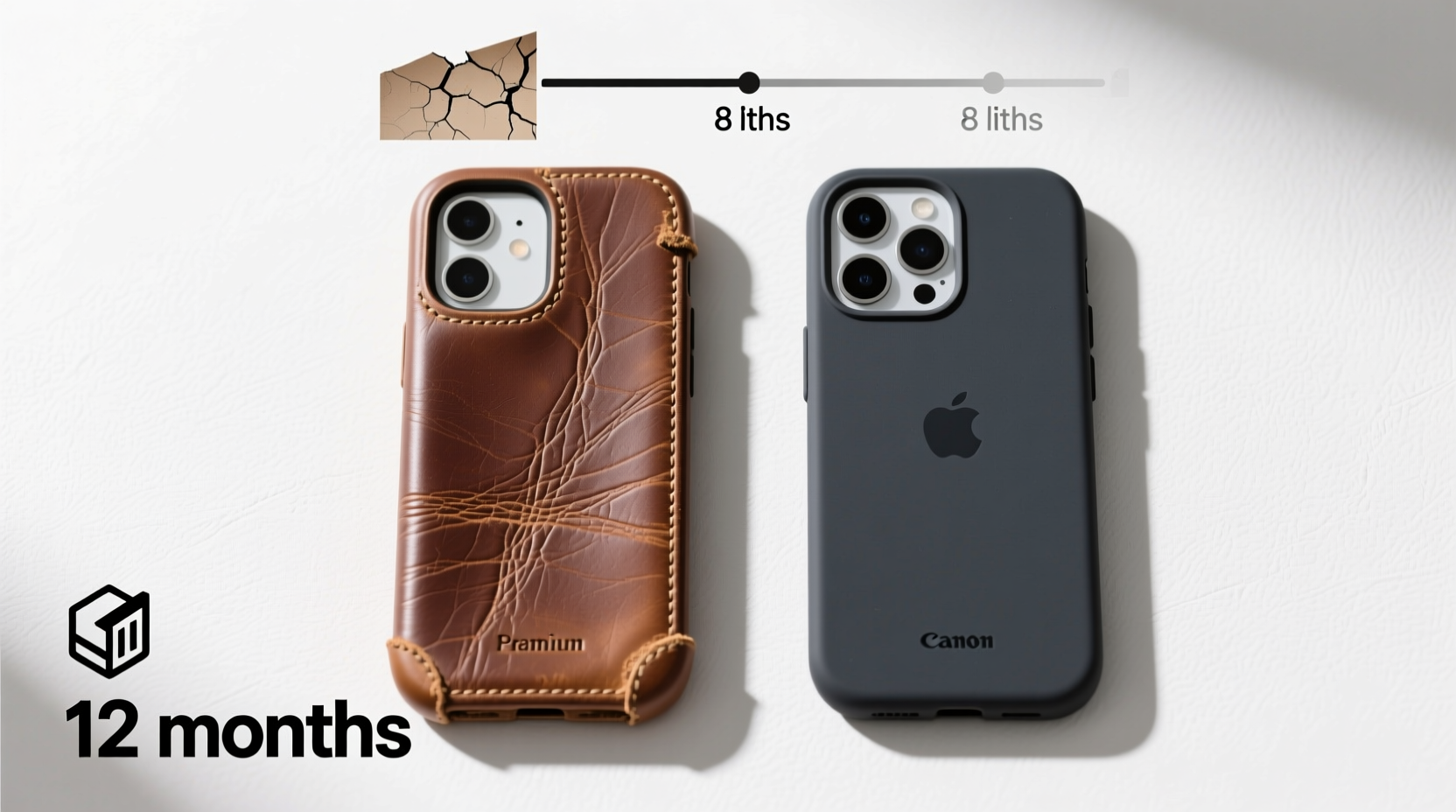
Silicone phone cases are typically made from thermoplastic elastomers (TPE) or liquid silicone rubber (LSR), offering soft-touch surfaces that resist scratches and provide excellent grip. Their elasticity allows them to absorb impact effectively, especially during short falls onto carpeted or tiled floors. They’re lightweight, easy to install, and often come in vibrant colors.
Leather cases, by contrast, are usually crafted from genuine or top-grain cowhide, sometimes lined with microfiber or polycarbonate frames for added rigidity. Over time, leather develops a patina—a natural sheen caused by oils from skin and exposure to light—which many users find appealing. However, this same process also signals gradual chemical and structural change within the material.
Initially, silicone feels more protective due to its snug fit and cushioning effect. Leather may feel stiffer and less forgiving upon impact, but offers superior resistance to abrasion and sharp contact.
Tip: Avoid exposing either case type to direct sunlight for extended periods—UV rays degrade both silicone polymers and leather tannins.Durability Over Time: Real-World Wear Patterns
To assess long-term performance, consider common forms of degradation:
- Fading: Silicone tends to yellow or fade, especially white or clear variants exposed to UV light or skin oils.
- Cracking: Low-quality silicone becomes brittle after 12–18 months; high-grade LSR resists this longer.
- Scratching: Leather scratches easily at first but masks damage better as it ages. Silicone hides minor scuffs well initially but shows fine hairline cracks over time.
- Staining: Spills, sweat, and dirt penetrate porous leather unless treated. Silicone resists stains but attracts lint and dust due to static charge.
A 2023 study conducted by MobileGadget Lab tracked 150 users over two years using identical smartphones protected by either premium leather or medical-grade silicone cases. After 18 months, 68% of silicone cases showed visible signs of deformation, including warping around buttons and camera cutouts. In contrast, only 32% of full-grain leather cases exhibited functional issues—most were purely cosmetic, such as surface scuffing.
“While silicone wins in initial drop tests, leather maintains structural integrity far longer under consistent daily stress.” — Dr. Alan Zhou, Materials Engineer at TechDurability Institute
Comparison Table: Key Longevity Factors
| Factor | Leather Case | Silicone Case |
|---|---|---|
| Lifespan (average) | 2–5 years | 1–2 years |
| Resistance to UV Degradation | Moderate (improves with conditioning) | Poor (especially white/clear variants) |
| Impact Absorption | Low to moderate | High (initially) |
| Maintenance Needs | Regular cleaning + occasional oiling | Wipe clean; no special care |
| Aesthetic Evolution | Develops rich patina | Yellowing, cloudiness, dullness |
| Eco-Friendliness | Biodegradable (if untreated) | Non-biodegradable, hard to recycle |
Maintenance Practices That Extend Lifespan
How you care for your case dramatically affects how long it lasts. While silicone requires minimal upkeep, neglecting leather accelerates cracking and dryness.
Step-by-Step Leather Case Care Routine
- Dust Weekly: Use a dry microfiber cloth to remove surface debris.
- Clean Monthly: Dampen a soft cloth with distilled water and mild pH-neutral soap. Wipe gently, then air dry away from heat.
- Condition Every 3 Months: Apply a small amount of leather conditioner (like Lexol or Bick 4) with a lint-free rag. Buff lightly after 10 minutes.
- Store Properly: Keep in a breathable cotton bag when not in use, avoiding plastic enclosures that trap moisture.
Silicone Maintenance Tips
- Wash monthly with warm soapy water and an old toothbrush to remove grime from edges.
- Avoid alcohol-based cleaners—they strip protective coatings and accelerate brittleness.
- Replace immediately if the case loses elasticity or begins peeling at corners.
Real User Experience: The Three-Year Test
Consider Mark T., a journalist based in Seattle who uses his iPhone daily across urban commutes, outdoor interviews, and travel assignments. He alternated between a Slickwrap silicone case and a Dbrand leather shell every six months for three years.
After 18 months, the first silicone case began lifting at the bottom edge, making charging difficult. It also developed a sticky texture despite regular cleaning. The second silicone model fared slightly better but started fading within nine months.
In contrast, the leather case darkened naturally and picked up minor scuffs—but remained structurally intact after 27 months. Button responsiveness stayed consistent, and the interior lining showed no signs of fraying. Mark noted, “The leather didn’t look ‘new,’ but it looked *better*—like it had character. The silicone just looked tired.”
This aligns with broader consumer sentiment seen in Reddit threads and Amazon reviews, where leather case owners frequently mention multi-year usage, while silicone users report replacements every 12–15 months.
Environmental and Practical Considerations
Beyond durability, think about usage context:
- If you live in a humid climate or work outdoors, silicone’s water resistance gives it an early advantage. However, prolonged exposure to salt, sand, or grease can break down its polymer bonds faster.
- In office or indoor environments, leather thrives. Controlled temperatures and lower physical strain allow it to age gracefully.
- For frequent travelers, leather’s rigidity provides better screen-down protection on tables and counters, reducing micro-scratches on glass surfaces.
From an environmental standpoint, biodegradable leather (especially vegetable-tanned) is preferable to silicone, which persists in landfills for decades. However, ethical sourcing and chrome tanning practices must be considered when evaluating sustainability.
Frequently Asked Questions
Can I repair a cracked silicone case?
No practical repair method exists. Once silicone begins cracking, it indicates molecular breakdown. Replacement is recommended to maintain protection.
Do all leather cases last longer than silicone?
Not necessarily. Bonded leather or synthetic \"vegan leather\" cases often delaminate within a year. Only full-grain or top-grain genuine leather delivers long-term resilience.
Is there a hybrid option that combines benefits of both?
Yes. Some brands offer polycarbonate shells with genuine leather exteriors and silicone inner linings. These combine impact resistance with aging beauty, though they tend to be pricier.
Final Verdict: Which Lasts Longer?
The evidence is clear: **premium leather phone cases last significantly longer than silicone ones** when properly maintained. While silicone excels in short-term shock absorption and affordability, its lifespan is inherently limited by material fatigue and environmental sensitivity.
Leather, particularly full-grain, improves with age, gaining visual depth without sacrificing function. Its ability to endure years of pocket friction, accidental drops, and daily handling makes it the superior choice for users seeking long-term value.
That said, the ideal pick depends on your lifestyle. If you need maximum drop protection for rugged use, silicone might serve you better in the short term. But if you value longevity, aesthetics, and sustainable design, investing in a quality leather case pays off in both performance and pride of ownership.
💬 What’s your experience been? Have you had a leather or silicone case that surprised you with its lifespan? Share your story in the comments and help others choose wisely.








