Choosing the right footwear for toddlers is more than a style decision—it's about support, safety, and long-term foot development. Parents often face a dilemma between leather and canvas shoes, each offering distinct advantages and limitations. Understanding how these materials behave over time—whether leather stretches or if canvas can be machine-washed—is essential to making informed choices. This guide breaks down the functional differences, care requirements, and developmental considerations so you can select the best option for your child’s growing feet.
Material Differences: Leather vs Canvas
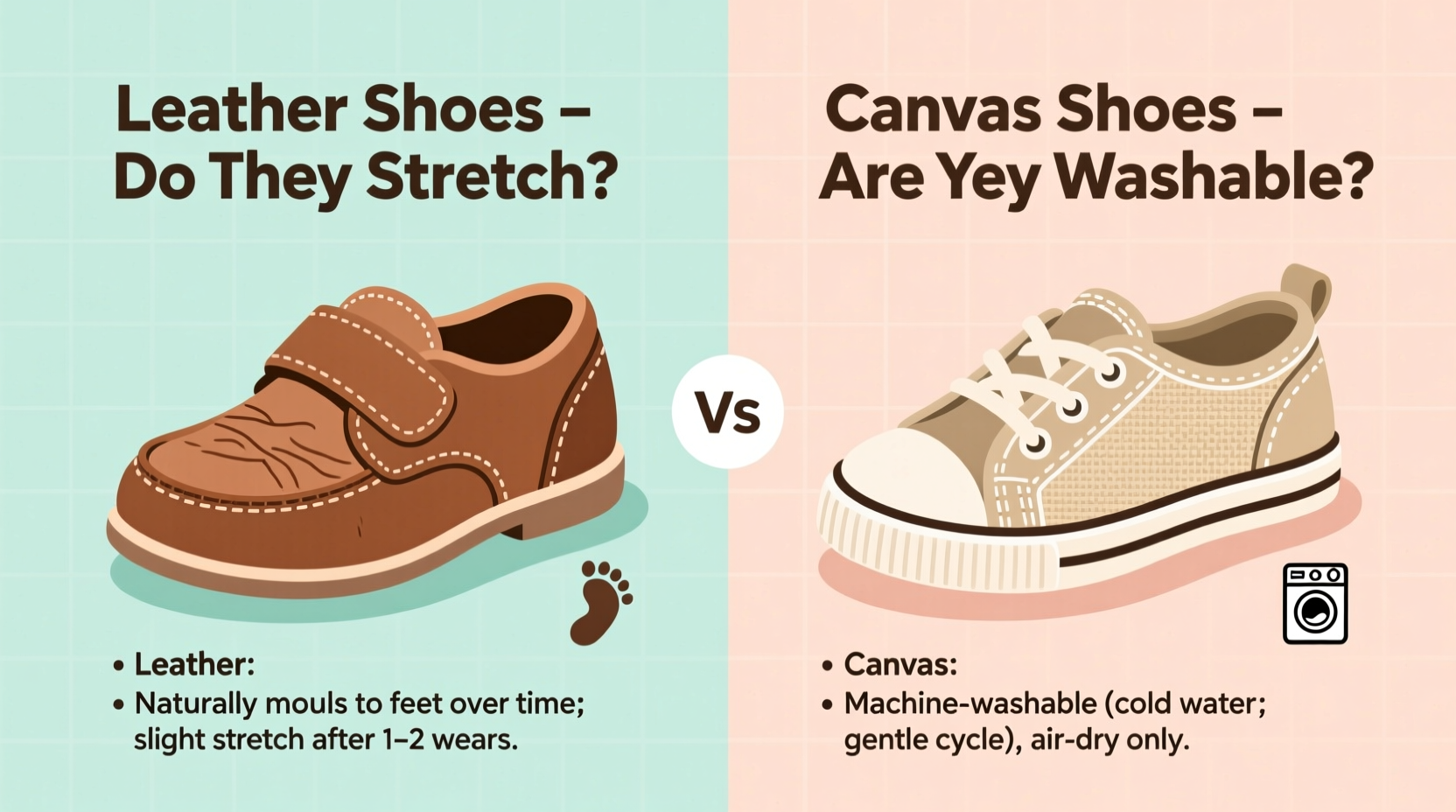
Leather and canvas represent two fundamentally different approaches to toddler footwear. Leather is a natural animal hide that provides structure, breathability, and durability. It molds slightly to the foot over time and offers excellent support for early walkers. Genuine leather shoes typically feature reinforced heels and flexible soles designed to mimic barefoot movement while protecting delicate feet.
Canvas, on the other hand, is a tightly woven cotton fabric known for its lightweight feel and casual appearance. It’s often used in slip-on styles and low-top sneakers. While breathable and comfortable in warm weather, canvas lacks the structural integrity of leather. It doesn’t provide the same level of ankle support and tends to wear faster, especially at stress points like the toe and heel.
Tip: For first walkers, prioritize structure and heel stability—leather shoes often excel in both.Do Leather Shoes Stretch? Understanding Fit Over Time
A common concern among parents is whether leather shoes will stretch enough to accommodate growth spurts or wider feet. The answer is nuanced: yes, leather does stretch—but only slightly and in specific ways. High-quality leather has some give, particularly across the width, when worn consistently. However, this stretching is limited and should not be relied upon to correct an initially poor fit.
Leather responds best to gradual molding. A snug but not tight fit will conform to the foot’s shape within a few wears, improving comfort without compromising support. Excessive tightness, especially around the toes or instep, won’t resolve through stretching alone and may lead to blisters or restricted movement.
“Proper fit at purchase is critical. Leather shoes offer minor adaptability, but they’re not meant to grow with the child like expandable garments.” — Dr. Lena Torres, Pediatric Podiatrist
To maximize comfort and longevity, ensure there’s about a thumb’s width (approximately ½ inch) of space between the longest toe and the shoe tip when your child stands. This allows room for natural foot expansion during activity without relying on material stretch.
Are Canvas Shoes Washable? Care and Maintenance Tips
One of canvas shoes’ biggest selling points is their washability. Most canvas toddler shoes can be cleaned in a washing machine, making them ideal for messy playdates, outdoor adventures, or spills. However, proper technique matters to avoid damage.
Before washing, remove insoles if possible and loosen laces. Place the shoes in a mesh laundry bag or pillowcase to reduce tumbling impact. Use cold water and a gentle cycle with mild detergent. Avoid bleach or fabric softeners, which can degrade fibers and cause color fading. Air dry thoroughly—never use a dryer, as heat can warp the sole or shrink the fabric.
Despite their washability, canvas shoes absorb moisture easily and take longer to dry than leather. In humid climates or rainy seasons, this can promote odor or mildew if not dried completely. Regular airing and spot-cleaning between washes help extend their life.
Washing Guidelines at a Glance
| Step | Action |
|---|---|
| Prep | Remove insoles, untie laces |
| Wash Setting | Cold water, gentle cycle |
| Detergent | Mild, non-bleach formula |
| Drying | Air dry only, away from direct heat |
| Frequency | Every 2–3 weeks with regular use |
Comparative Overview: Leather vs Canvas for Toddlers
The choice between leather and canvas isn’t just about cleaning or stretching—it impacts daily comfort, foot development, and overall value. Consider the following factors when deciding which material suits your child’s needs.
| Feature | Leather Shoes | Canvas Shoes |
|---|---|---|
| Support & Structure | High – rigid heel counters, arch reinforcement | Low to moderate – flexible but less supportive |
| Breathability | Excellent – naturally moisture-wicking | Good – porous fabric allows airflow |
| Durability | High – resists abrasion and scuffing | Moderate – prone to fraying and sole separation |
| Water Resistance | Moderate – treat with conditioner for protection | Poor – absorbs water quickly |
| Washability | No – spot clean only | Yes – machine washable (with care) |
| Stretch Potential | Slight – conforms slightly over time | Minimal – retains original shape |
| Best For | First walkers, cooler months, structured support | Casual wear, warm weather, easy cleanup |
Real-Life Scenario: Navigating the Playground Challenge
Sophia, a mother of two, bought her 15-month-old son a pair of stylish canvas sneakers for summer outings. They were lightweight, colorful, and easy to wipe down after grass stains. But after three weeks of daily park visits, she noticed he was tripping more often. Upon inspection, the shoes had lost their shape—the heel collapsed inward, and the sole began peeling near the toe.
She switched to a pair of soft leather Mary Janes recommended by her pediatrician. Though more expensive upfront, they held their structure, provided better grip, and showed no signs of wear after two months. “I realized I wasn’t just buying shoes,” she said. “I was investing in stability for his developing gait.”
This case illustrates a key principle: functionality often outweighs convenience in early childhood footwear. While canvas wins on washability, leather supports healthy walking mechanics during a critical developmental window.
Step-by-Step Guide to Choosing the Right Toddler Shoe
Selecting the best shoe involves more than material preference. Follow this sequence to make a confident decision:
- Assess developmental stage: Is your child crawling, cruising, or walking independently? Pre-walkers need soft-soled moccasins; new walkers benefit from firm heel support.
- Measure feet regularly: Toddlers’ feet grow rapidly—check size every 6–8 weeks. Use a Brannock device or visit a specialty store for accuracy.
- Evaluate shoe structure: Press the heel counter. It should resist compression to stabilize the ankle.
- Check flexibility: Bend the shoe at the front. It should flex where the toes bend, not in the middle.
- Test the fit: Have your child stand and check for adequate toe room and secure heel fit.
- Consider usage: Will the shoes be worn indoors, outdoors, or both? Choose material accordingly.
- Plan for care: If frequent messes are expected, balance washability with structural needs.
Frequently Asked Questions
Can I stretch leather toddler shoes at home?
While professional stretching exists, it’s not recommended for children’s shoes. Altering the fit may compromise support. Instead, exchange ill-fitting shoes for the correct size.
How often should I replace my toddler’s shoes?
Active walkers typically outgrow shoes every 3–4 months. Inspect for wear patterns, tightness, and visible growth before purchasing new ones.
Are synthetic leather shoes a good alternative?
Synthetic \"vegan leather\" lacks breathability and stretch compared to genuine leather. It may trap moisture and cause discomfort. If choosing synthetics, ensure ventilation and monitor for irritation.
Final Thoughts and Recommendations
Both leather and canvas have roles in a toddler’s wardrobe, but their purposes differ. Leather excels in providing structured support during crucial stages of motor development. Its slight ability to mold to the foot enhances comfort without sacrificing stability. Canvas offers practical benefits like machine washability and breathability, making it suitable for casual, warm-weather use—but not as a primary walking shoe.
The decision shouldn’t hinge solely on price or aesthetics. Prioritize foot health, proper fit, and intended use. When in doubt, consult a pediatric podiatrist or certified children’s shoe fitter. Investing in quality footwear now can prevent gait issues later.
💬 Have experience with leather or canvas toddler shoes? Share what worked (or didn’t) for your little one—your insights could help another parent make a smarter choice today.








