In recent years, a quiet revolution has swept through bathroom cabinets: the rise of the titanium toothbrush. Marketed as sleek, antimicrobial, ultra-durable, and even “space-age,” these minimalist tools have captured attention across social media, wellness blogs, and premium oral care brands. With price tags often exceeding $30—sometimes reaching $60 for a single brush—it’s fair to ask whether this is innovation or overpriced trendiness. Are titanium toothbrushes truly better for your teeth and gums, or are consumers simply paying for a polished aesthetic backed by persuasive branding?
To answer this, we need to go beyond the glossy ads and influencer endorsements. Let’s examine the material science, clinical relevance, environmental claims, user experience, and real-world value to determine if titanium toothbrushes deliver on their promises—or if they’re just another case of style triumphing over substance.
The Allure of Titanium: Why It Sounds So Appealing
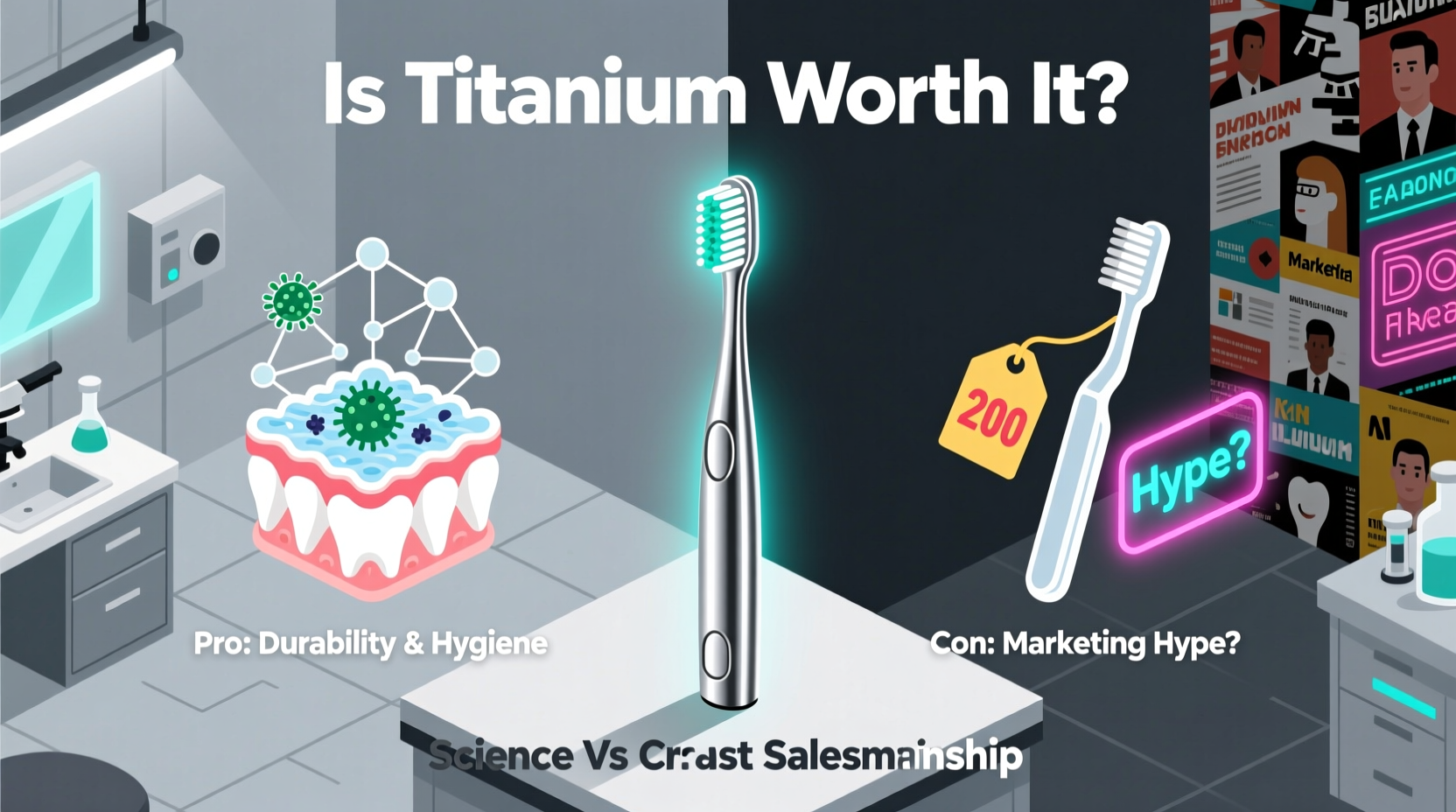
Titanium isn’t new to high-performance applications. It’s used in aerospace engineering, medical implants, and luxury watches due to its exceptional strength-to-density ratio, corrosion resistance, and biocompatibility. When applied to a toothbrush, these properties translate into compelling marketing messages: “won’t rust,” “resists bacteria,” “built to last decades.”
Unlike traditional plastic handles that degrade over time or metal brushes made from stainless steel (which can corrode), titanium offers genuine advantages in durability and inertness. It does not react with saliva or cleaning agents, and it resists pitting or tarnishing even in humid environments. For individuals seeking long-term, low-waste alternatives to disposable plastics, this sounds like a breakthrough.
But durability and hygiene aren’t the only selling points. The design language of titanium toothbrushes leans heavily into minimalism and sophistication. Many models feature a seamless, one-piece construction with replaceable nylon or plant-based bristle heads. This modular approach reduces ongoing waste compared to discarding an entire plastic brush every three months.
Tip: If you're prone to leaving your toothbrush in a damp cup or shared holder, a titanium handle's resistance to microbial buildup may offer meaningful hygiene benefits.Material Comparison: Titanium vs. Plastic vs. Stainless Steel
To assess whether titanium is worth the investment, let’s compare it objectively against conventional materials used in toothbrush handles.
| Property | Plastic (PP/PE) | Stainless Steel | Titanium |
|---|---|---|---|
| Durability | Moderate; cracks over time | High; may dent or scratch | Exceptional; highly impact-resistant |
| Corrosion Resistance | Good; but porous surface traps microbes | Fair; susceptible to pitting in salty/moist environments | Excellent; non-reactive and inert |
| Hygiene | Poor; biofilm formation common | Moderate; smoother than plastic but still hosts bacteria | Superior; naturally antimicrobial surface |
| Lifespan | 3–6 months (full replacement) | 1–3 years (with care) | 5+ years (handle only) |
| Environmental Impact | High (single-use, non-recyclable parts) | Moderate (recyclable but energy-intensive) | Low (long lifespan, minimal waste) |
| Cost | $1–$5 per brush | $10–$20 | $30–$60 (plus ~$5–$8 for replacement heads) |
The data shows titanium excels in longevity and hygiene—two factors that matter for both health and sustainability. However, cost remains a significant barrier. While a plastic toothbrush costs pennies, a titanium model requires a substantial upfront investment. The key question becomes: does this investment pay off over time?
Do They Actually Improve Oral Health?
Despite bold claims, no peer-reviewed study has demonstrated that a titanium-handled toothbrush leads to better plaque removal, gum health, or cavity prevention compared to a standard manual brush. The American Dental Association (ADA) emphasizes that brushing technique, frequency, and bristle softness are far more important than handle material.
“Handle composition doesn’t influence clinical outcomes. What matters is consistent, gentle brushing twice daily with fluoride toothpaste.” — Dr. Lena Patel, DDS, Preventive Dentistry Specialist
This doesn’t mean titanium brushes are ineffective—they’re just not inherently superior in function. Their benefit lies in supporting better habits through design. For example:
- A heavier, well-balanced titanium handle may encourage slower, more deliberate brushing.
- Antimicrobial surfaces reduce cross-contamination in shared bathrooms.
- Durable construction means fewer replacements, reducing the chance of using a worn-out brush.
One user, Sarah M., a dental hygienist from Portland, switched after noticing mold growth inside her family’s plastic toothbrush holders. “I started recommending titanium brushes to patients with recurrent gingivitis who live in humid homes. Not because it cleans better, but because the handle stays cleaner between uses. That small advantage adds up.”
Mini Case Study: The Zero-Waste Advocate
James L., a sustainability consultant in Boulder, CO, replaced all household toothbrushes with titanium models two years ago. His initial motivation was reducing plastic waste—he calculated his family of four was discarding nearly 50 plastic brushes annually. After switching, he now buys only eight replacement heads per year (two per person).
While the total annual cost increased slightly—from about $60 for generic plastic brushes to $90 for replacement heads—the environmental benefit aligned with his values. More surprisingly, he noticed improved consistency in brushing habits. “Something about using a ‘tool’ rather than a disposable item made us take it more seriously,” he said. “It feels like investing in self-care.”
The Marketing Machine: Separating Science from Spin
Titanium toothbrush brands often use terms like “medical-grade,” “antibacterial,” and “non-toxic” without full context. While technically accurate, these phrases can mislead consumers into believing the product offers unique therapeutic benefits.
For instance, while titanium is indeed used in surgical implants, this speaks to biocompatibility—not superiority in everyday oral hygiene. Similarly, its natural resistance to bacterial adhesion is real, but so are the risks of neglecting proper rinsing and drying practices. A titanium brush left in a closed container will still harbor microbes over time.
Another common claim is that titanium “never wears out.” This applies only to the handle. Bristles—typically nylon or PBT—still degrade and should be replaced every 3 months, just like any other brush. Some eco-brands offer boar or plant-based bristles, but these raise ethical and hygiene concerns and are not widely recommended by dentists.
Tip: Don’t fall for “lifetime warranty” claims unless they cover accidental damage. Most warranties only protect against manufacturing defects, not dropped brushes or corroded hinges.Practical Considerations: Who Should Buy One?
Titanium toothbrushes aren’t for everyone. Here’s a checklist to help determine if one makes sense for your lifestyle:
Checklist: Is a Titanium Toothbrush Right for You?
- ✅ Do you prioritize sustainability and want to minimize plastic waste?
- ✅ Are you tired of replacing flimsy plastic brushes every few months?
- ✅ Do you live in a humid environment or share a bathroom where hygiene is a concern?
- ✅ Are you willing to invest $30+ upfront for a product meant to last 5+ years?
- ✅ Can you commit to replacing the bristle head every 3 months regardless of handle condition?
If you answered yes to most of these, a titanium toothbrush could be a smart, long-term upgrade. But if budget is tight or convenience outweighs sustainability, a high-quality manual plastic brush with recyclable packaging may serve you equally well.
Step-by-Step Guide to Transitioning to a Titanium Toothbrush
- Research reputable brands with transparent sourcing and replaceable heads (e.g., Georganics, Humble Co., Bimow).
- Choose the right bristle firmness—soft or medium—to avoid gum recession.
- Inspect the hinge mechanism if it’s a two-part design; ensure it locks securely.
- Clean thoroughly after first use to remove any machining residue.
- Rinse and air-dry completely after each brushing session—never store in a sealed container.
- Replace the head every 90 days, or sooner if bristles fray.
- Polish the handle occasionally with a microfiber cloth to maintain luster.
FAQ: Common Questions About Titanium Toothbrushes
Are titanium toothbrushes safe for sensitive gums?
Yes, but sensitivity depends on bristle type, not the handle. Choose soft bristles and use gentle pressure. The handle material has no direct impact on gum irritation.
Can I recycle the bristle heads?
Most nylon bristle heads are not recyclable through curbside programs. Some brands offer take-back initiatives or compostable options (though effectiveness varies). Check with the manufacturer for disposal guidance.
Do titanium toothbrushes work with electric brush chargers?
No. These are manual brushes only. Titanium cannot be used in powered models due to weight and conductivity issues. They are designed as standalone tools, not part of an electric ecosystem.
Conclusion: Innovation or Overhyped Gimmick?
The truth lies somewhere in between. Titanium toothbrushes are not a miracle solution for better oral health—but they are a legitimate evolution in sustainable personal care. Their durability, hygienic properties, and elegant design offer tangible benefits for a specific audience: environmentally conscious users who value longevity and quality over convenience and low cost.
However, the hype often overshadows reality. No evidence suggests they clean teeth better than a $3 manual brush used correctly. The ADA continues to emphasize technique over tool. And while titanium reduces plastic waste, it comes with a higher carbon footprint during production due to energy-intensive extraction and refining processes.
In the end, the decision boils down to personal priorities. If you brush properly, replace your bristles regularly, and store your brush in a dry area, a titanium model can be a wise, lasting investment. But if you're looking for a shortcut to perfect oral health, no amount of space-age metal will compensate for skipping nightly flossing or neglecting dental visits.
🚀 Ready to rethink your routine? Evaluate your current toothbrush not by what it’s made of, but by how consistently—and carefully—you use it. Whether you choose titanium, bamboo, or trusted plastic, the real power is in your hands.








