
Parrots are intelligent, social birds that naturally use vocalizations to communicate with their flock. In captivity, this instinct often translates into loud, persistent screaming—especially when they feel lonely, bored, or misunderstood. While it's unrealistic to expect complete silence, excessive screaming can strain household harmony and indicate unmet emotional needs. The good news? With patience, consistency, and positive reinforcement, you can significantly reduce unwanted vocal behavior. This guide outlines practical, humane strategies grounded in animal behavior science to help your parrot learn quieter, more appropriate ways to express itself.
Understanding Why Parrots Scream
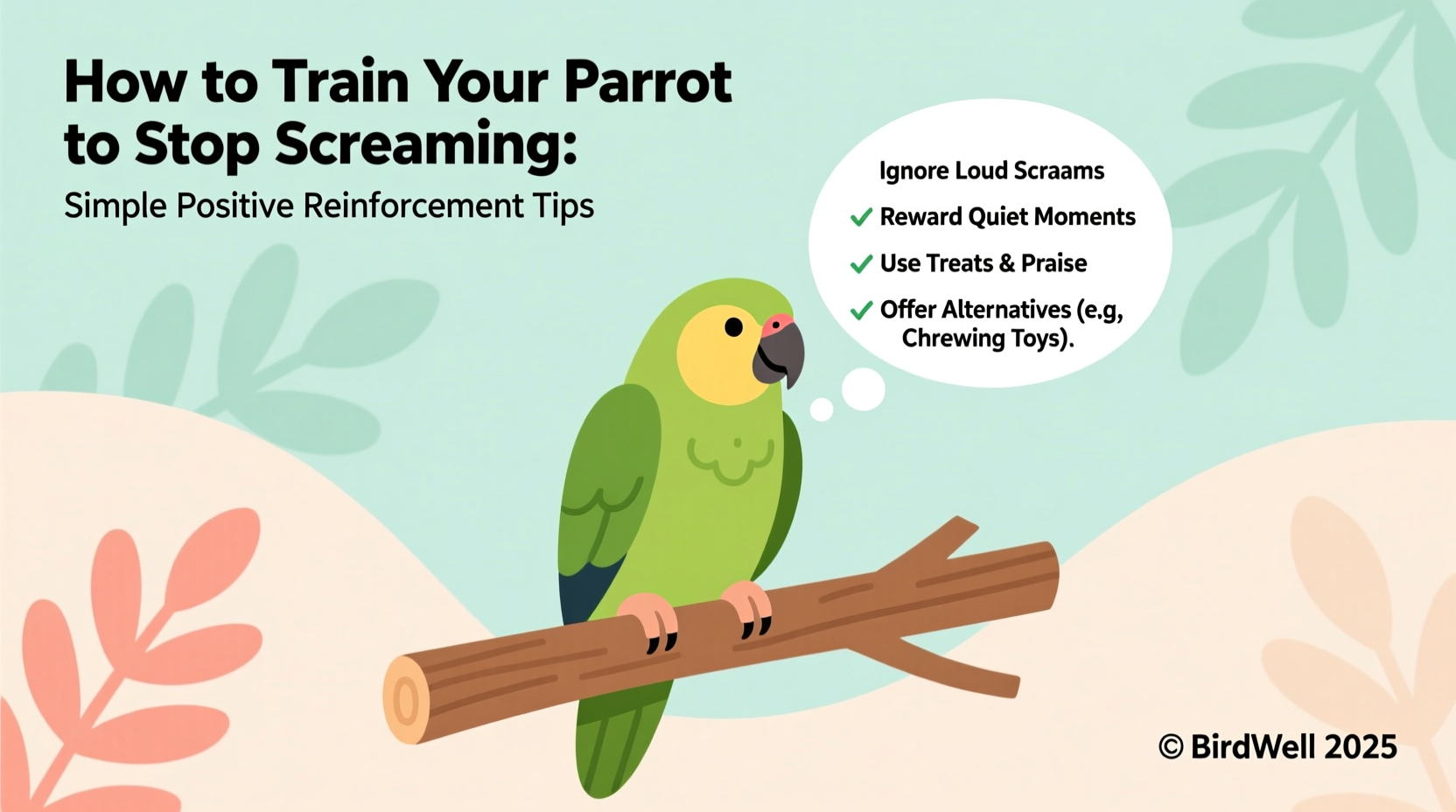
Before addressing the behavior, it’s essential to understand what drives it. Parrots don’t scream to annoy you—they’re responding to environmental cues, emotional states, or learned patterns. Common causes include:
- Attention-seeking: If screaming has previously resulted in attention—even negative attention like scolding—the bird learns it’s an effective strategy.
- Fear or stress: Loud noises, unfamiliar people, or changes in routine can trigger alarm calls.
- Boredom: Intelligent birds require mental stimulation. Without enrichment, they may resort to screaming out of frustration.
- Mating behavior: Hormonal surges during breeding season can increase vocalization.
- Separation anxiety: Parrots are flock animals. Being left alone for long periods may prompt contact calls that escalate into screams.
Suppressing the noise without addressing the root cause only leads to temporary results—and potentially worsens underlying stress. Instead, focus on teaching your parrot alternative behaviors through positive reinforcement.
Tip: Never yell at your parrot to stop screaming. This mimics aggressive flock behavior and reinforces the idea that loud vocalizing gets a reaction.The Power of Positive Reinforcement in Parrot Training
Positive reinforcement involves rewarding desired behaviors immediately after they occur, increasing the likelihood they’ll be repeated. Unlike punishment-based methods, which damage trust and increase fear, positive reinforcement builds confidence and strengthens the human-bird bond.
For reducing screaming, the goal isn’t to eliminate all vocalizations but to shape them—encouraging softer contact calls and quiet behavior while ignoring or redirecting inappropriate screaming.
“Parrots thrive on predictability and connection. When we reward calmness and communication, we give them better tools than screaming.” — Dr. Irene Pepperberg, Avian Cognition Researcher
Key principles of effective positive reinforcement:
- Timing matters: Rewards must follow the desired behavior within 1–2 seconds.
- Consistency is critical: All household members should respond the same way to screaming and quiet behavior.
- Rewards must be motivating: Use treats, praise, or access to toys your parrot truly values.
- Start small: Reward brief moments of quiet, then gradually extend the duration required for a reward.
Step-by-Step Guide to Reducing Screaming
Changing a well-established behavior takes time. Follow this structured approach to create lasting change.
- Observe and record triggers. For three days, keep a log noting when screaming occurs, how long it lasts, and what happens just before and after. Look for patterns (e.g., screaming every morning at 7:30 AM when the household wakes up).
- Remove accidental rewards. If your parrot screams and you respond by talking, looking, or moving toward it, you’re reinforcing the behavior. Instead, turn away, avoid eye contact, and remain silent until there’s at least 3 seconds of quiet.
- Teach an incompatible behavior. Train your parrot to perform a quiet action like whistling a tune, stepping onto a perch, or chewing a toy. Reward these actions generously.
- Schedule “quiet time” training sessions. Spend 5–10 minutes twice daily practicing calm behavior. Begin by rewarding any moment of stillness or soft vocalizing, then gradually increase the expectation.
- Use a cue word for quiet. Choose a consistent phrase like “easy” or “soft voice.” Say it calmly the instant your bird pauses mid-scream, then immediately reward the silence. Over time, the cue becomes a signal for desired behavior.
- Reinforce spontaneous quiet. Whenever your parrot is calm—especially during previously high-scream times—offer unexpected praise or a treat. This teaches that being quiet pays off.
- Gradually phase out treats. Once the behavior is reliable, shift from continuous to intermittent reinforcement (rewarding only some instances) to maintain long-term results.
Do’s and Don’ts: Effective vs. Counterproductive Responses
| Do’s | Don’ts |
|---|---|
| Reward even one second of quiet with a treat or praise. | Yell “quiet!” or make loud noises in response. |
| Turn away and stay neutral during screaming episodes. | Give attention—positive or negative—while the bird is vocalizing. |
| Provide daily foraging activities and chewable toys. | Leave the parrot alone for 8+ hours without stimulation. |
| Use a clicker or verbal marker (“good!”) to pinpoint desired behavior. | Physically punish or spray water as correction. |
| Establish a predictable daily routine. | Allow inconsistent responses from different family members. |
Real-Life Example: Calming Charlie the Cockatiel
Charlie, a 3-year-old male cockatiel, screamed for up to two hours each morning when his owner left for work. The sound pierced through walls, upsetting neighbors. Initially, the owner tried covering the cage, saying “no,” and returning to shush him—all of which provided attention and unpredictability, reinforcing the behavior.
Working with an avian behavior consultant, the owner implemented a new plan:
- A pre-departure routine was established: 10 minutes of playtime, followed by a favorite puzzle toy filled with millet.
- When Charlie chirped softly instead of screaming, he received immediate praise and a treat.
- If he screamed, the owner waited silently until a 3-second pause occurred, then marked it with “good quiet” and rewarded.
- Background music was played softly to mask outside noises that triggered alarm calls.
Within three weeks, morning screaming dropped from two hours to under 15 minutes. By week six, Charlie greeted departure with soft whistles and focused on his toy. The key wasn’t suppression—it was providing a better alternative.
Essential Checklist for Success
Use this checklist weekly to ensure you're on track:
- ☑ Identified and logged screaming triggers (time, location, events)
- ☑ Removed all forms of attention during screaming (no eye contact, speech, or movement)
- ☑ Established a consistent cue word for quiet behavior
- ☑ Scheduled two 5-minute training sessions daily
- ☑ Provided at least 3 enriching toys (foraging, shredding, climbing)
- ☑ Used high-value rewards exclusively during training
- ☑ Maintained a stable daily routine (feeding, interaction, sleep times)
- ☑ Ensured all caregivers follow the same protocol
FAQ: Common Questions About Parrot Screaming
Can I ever completely stop my parrot from screaming?
No—and it wouldn’t be fair to expect that. Parrots are naturally vocal. The goal is to reduce excessive, disruptive screaming and teach context-appropriate communication. Some daily vocalization, especially at dawn and dusk, is normal flock behavior.
What if my parrot screams when I’m not home?
This often indicates separation anxiety or boredom. Try leaving a radio or TV on to provide background noise. Offer long-lasting foraging toys (e.g., paper rolls stuffed with pellets). Record your voice saying calming phrases and play it on loop. Avoid dramatic goodbyes or hellos—keep departures and arrivals low-key.
How long does it take to see results?
Most owners notice improvement within 2–3 weeks of consistent training. Full behavioral change typically takes 4–8 weeks. Setbacks may occur during hormonal periods or environmental changes, so patience and persistence are vital.
Tip: Track progress with a simple chart: mark each day with “Low,” “Moderate,” or “High” screaming levels. Visual feedback helps maintain motivation.Creating a Supportive Environment
Training doesn’t happen in a vacuum. A calm, enriched environment makes learning possible. Consider these adjustments:
- Location: Place the cage in a busy family area, but not directly in front of a TV or in a high-traffic walkway. Birds need social connection without sensory overload.
- Lighting: Ensure 10–12 hours of natural or full-spectrum light daily. Poor lighting disrupts circadian rhythms and increases irritability.
- Diet: Nutritional deficiencies can affect mood. Offer a balanced mix of pellets, fresh vegetables, and limited seeds.
- Sleep: Parrots need 10–12 hours of uninterrupted sleep. Cover the cage or place it in a quiet room at night.
Environmental stability reduces anxiety, making your parrot more receptive to training.
Conclusion: Building a Quieter, Happier Relationship
Training your parrot to stop screaming isn’t about silencing its voice—it’s about understanding its needs and guiding its behavior with empathy and clarity. Positive reinforcement transforms conflict into connection. Every quiet moment rewarded is a step toward mutual trust. Progress may be gradual, but each small victory strengthens your bond and improves life for both of you.
Start today: observe one screaming episode without reacting, note the trigger, and plan one reinforcement opportunity for tomorrow. Consistency over intensity will yield lasting results. Your parrot isn’t misbehaving—it’s communicating. With patience and the right tools, you can teach it a quieter language.
💬 Have a success story or challenge with parrot screaming? Share your experience in the comments to support fellow bird owners on their journey.