
Leather couches add elegance and durability to any living space, but they’re not immune to accidents. One of the most common—and stressful—incidents is a permanent marker stain. Whether it’s a child’s artwork or an accidental pen leak, ink on leather can look disastrous. The good news: with the right approach, you can often remove permanent marker without harming the leather. The key is acting quickly, using gentle methods, and avoiding harsh chemicals that strip natural oils or fade finishes.
This guide walks through safe, tested techniques for removing permanent marker from both genuine and synthetic leather. You’ll learn which household items work best, when to call a professional, and how to prevent future stains—all while preserving the integrity and beauty of your furniture.
Understanding Leather Types and Their Sensitivity
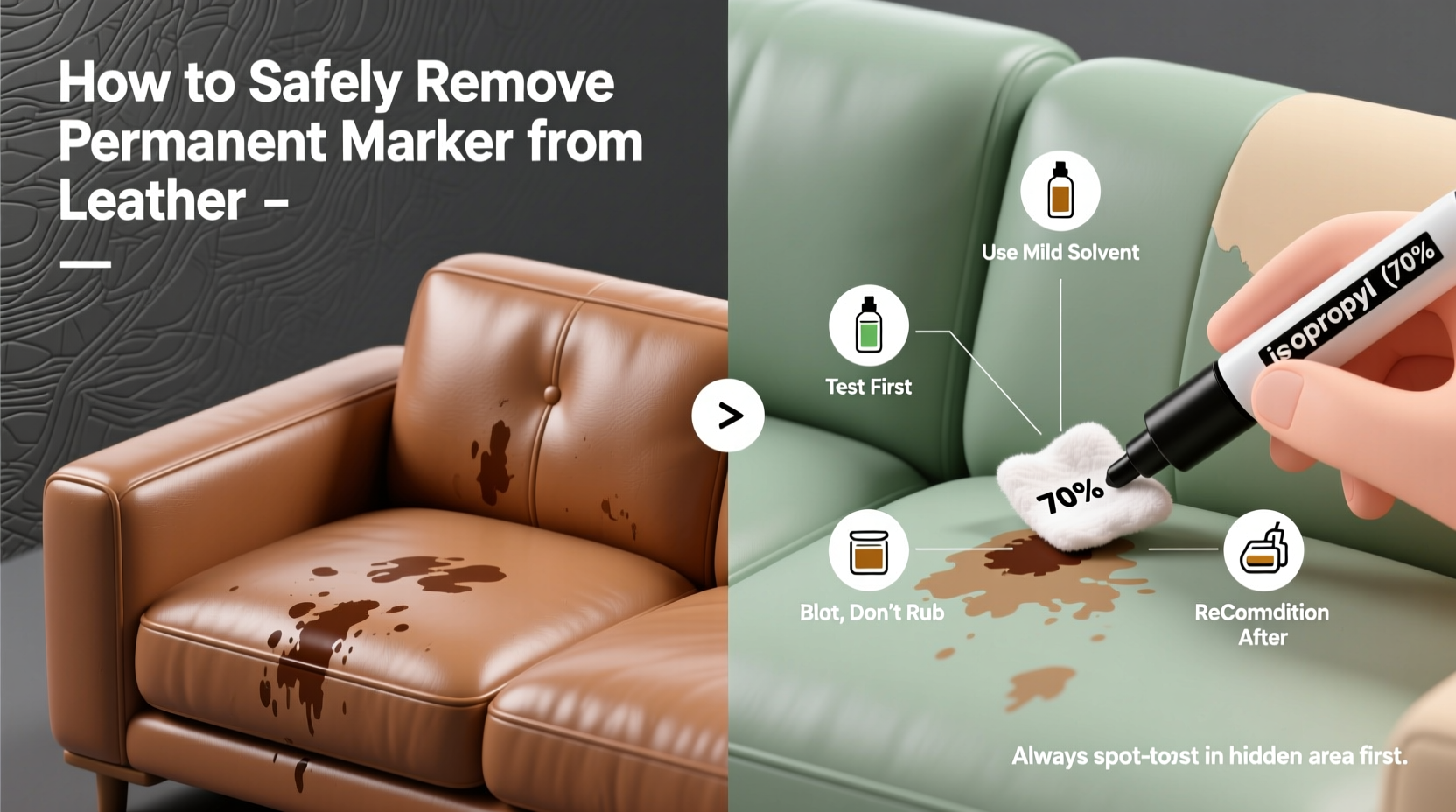
Before attempting any cleaning method, it’s essential to identify the type of leather you’re dealing with. Not all leathers react the same way to solvents or moisture, and using the wrong product can lead to discoloration, cracking, or irreversible damage.
- Aniline Leather: This is the most natural form, with no protective coating. It’s highly absorbent and sensitive to stains and chemicals. Permanent marker removal requires extreme caution.
- Semi-Aniline Leather: Has a light protective layer, making it slightly more resistant than aniline. Still vulnerable to solvents.
- Protected (or Pigmented) Leather: Coated with a durable finish that resists stains and wear. Most common in home furniture. Easier to clean but still at risk from abrasive or strong solvents.
- Synthetic Leather (PU or Vinyl): Man-made material designed to mimic real leather. Often more resistant to stains but can degrade with alcohol-based cleaners.
Check the manufacturer’s label or user manual for care instructions. If unavailable, test any cleaning solution on a hidden area—like the back or underside of the cushion—before applying it to the stain.
Tip: Always use distilled water instead of tap water when mixing cleaning solutions to avoid mineral deposits that could leave residue.Step-by-Step Guide to Removing Permanent Marker Safely
Removing permanent marker from leather isn’t about brute force—it’s about patience and precision. Follow this structured process to maximize success while minimizing risk.
- Act Quickly: The sooner you address the stain, the better. Fresh ink hasn’t fully bonded with the leather fibers yet.
- Blot, Don’t Rub: Use a clean, dry microfiber cloth to gently blot excess ink. Rubbing spreads the stain and pushes it deeper.
- Vacuum the Area: Lightly vacuum around the stained area to remove dust and debris. A dirty surface reduces the effectiveness of cleaning agents.
- Test First: Apply any cleaner to an inconspicuous spot. Wait 10–15 minutes to check for color loss, texture change, or swelling.
- Choose the Right Method: Based on your leather type, select one of the safe cleaning options below.
- Apply Gently: Use a cotton swab or soft cloth to apply the solution in small circular motions. Avoid oversaturating.
- Rinse and Dry: Wipe with a damp cloth using distilled water, then pat dry with a clean towel. Let air dry naturally—never use heat.
- Condition Afterward: Once clean and dry, apply a leather conditioner to restore moisture lost during cleaning.
Recommended Cleaning Solutions by Leather Type
| Leather Type | Safe Cleaners | Avoid |
|---|---|---|
| Aniline | Mild soap + distilled water, specialized leather cleaner | Alcohol, acetone, bleach, ammonia |
| Semi-Aniline | Isopropyl alcohol (diluted 50/50), leather-safe wipes | Undiluted alcohol, abrasive pads |
| Protected | 70% isopropyl alcohol, magic eraser (lightly), vinegar solution | Acetone, undiluted bleach |
| Synthetic (PU/Vinyl) | Alcohol wipes, dish soap + water, non-acetone nail polish remover | Acetone, petroleum-based solvents |
Effective Home Remedies That Work (and Which to Skip)
Many household items are touted as miracle cleaners, but only a few are truly safe for leather. Here’s what actually works—and what could do more harm than good.
Safe and Effective Options
- Diluted Isopropyl Alcohol (70%): One of the most reliable solutions for protected leather. Mix equal parts alcohol and distilled water. Dampen a cotton ball and dab gently on the stain. Blot immediately with a dry cloth.
- White Vinegar and Olive Oil: Combine one part white vinegar with two parts olive oil. This mixture cleans and conditions. Best for minor stains on finished leather. Test first.
- Mild Dish Soap: A drop of fragrance-free dish soap in a cup of distilled water can lift surface-level ink. Use with a soft cloth and rinse thoroughly.
- Baking Soda Paste: For stubborn stains, make a paste with baking soda and distilled water. Apply lightly, wait 5 minutes, then wipe off. Do not use on aniline leather.
Ineffective or Risky Methods to Avoid
- Acetone or Nail Polish Remover (with acetone): Too harsh. Strips color and breaks down leather fibers.
- Bleach: Causes irreversible fading and degradation.
- Hairspray: Contains alcohol and other chemicals that may set the stain or damage the finish.
- Commercial Magic Erasers: Can be too abrasive, especially on delicate finishes. Use only on protected leather and with extreme caution.
Real Example: Recovering a Family Couch After a Marker Incident
Jamie, a parent of two young children, returned home to find her beige leather sectional marked with blue and black permanent marker strokes across one armrest. Panicked, she nearly reached for rubbing alcohol straight from the cabinet—but paused and researched first.
She identified her couch as protected leather based on the manufacturer’s tag. Following safety protocols, she mixed equal parts 70% isopropyl alcohol and distilled water. Using a cotton swab, she dabbed the solution on a small section of the stain. After 30 seconds, she blotted with a microfiber cloth. The ink began lifting within minutes.
She repeated the process in small sections, rinsing each area with a damp cloth afterward. Once clean, she applied a pH-balanced leather conditioner. The stain was gone, and the leather retained its luster. Jamie now keeps a leather care kit under her coffee table and uses throw blankets when her kids lounge on the couch.
This case shows that even significant stains can be resolved with calm, informed action.
“Immediate response and proper product selection are critical. I’ve seen more leather ruined by panic cleaning than by the original stain.” — Marcus Reed, Professional Upholstery Cleaner with 18 years of experience
Prevention and Long-Term Leather Care Checklist
Once the stain is gone, take steps to protect your investment. Regular maintenance prevents future issues and extends the life of your furniture.
✅ Leather Couch Care Checklist
- Inspect weekly for spills, stains, or wear.
- Clean surface monthly with a dry microfiber cloth.
- Deep clean every 6 months using a leather-safe cleaner.
- Condition every 3–4 months to prevent drying and cracking.
- Keep out of direct sunlight to avoid fading.
- Use slipcovers or throws in high-use areas.
- Store pens and markers out of reach of children and pets.
- Rotate cushions regularly for even wear.
Frequently Asked Questions
Can I use hand sanitizer to remove permanent marker from leather?
Hand sanitizer contains alcohol, which can lift ink, but it also includes fragrances, gels, and additives that may leave residue or irritate the leather. It’s safer to use pure diluted isopropyl alcohol if needed, rather than commercial hand sanitizer.
What if the stain doesn’t come out after trying home remedies?
If the ink persists after two careful attempts, stop further DIY efforts. Aggressive cleaning can worsen the damage. Instead, consult a professional upholstery cleaner who specializes in leather. They have access to industrial-grade but controlled solvents and steam extraction tools that are safer than amateur methods.
Will toothpaste remove permanent marker from leather?
Regular toothpaste is mildly abrasive and may scratch the surface. Whitening toothpastes often contain bleach-like compounds that can discolor leather. This method is not recommended and has led to many ruined furniture pieces.
Conclusion: Protect Your Investment with Smart, Gentle Care
Accidents happen, but they don’t have to end in permanent damage. With the right knowledge, most permanent marker stains on leather couches can be removed safely and effectively. The foundation of success lies in identifying your leather type, testing before treating, and choosing gentle, appropriate solutions. Remember, patience beats aggression—slow, careful application yields better results than vigorous scrubbing.
By following the steps outlined here, you protect not just the appearance of your couch, but its longevity and comfort. Leather is a long-term investment, and like any valuable material, it responds best to thoughtful care.
💬 Have a leather cleaning tip or story to share? We’d love to hear how you handled a tough stain. Leave a comment and help others keep their leather looking pristine!








