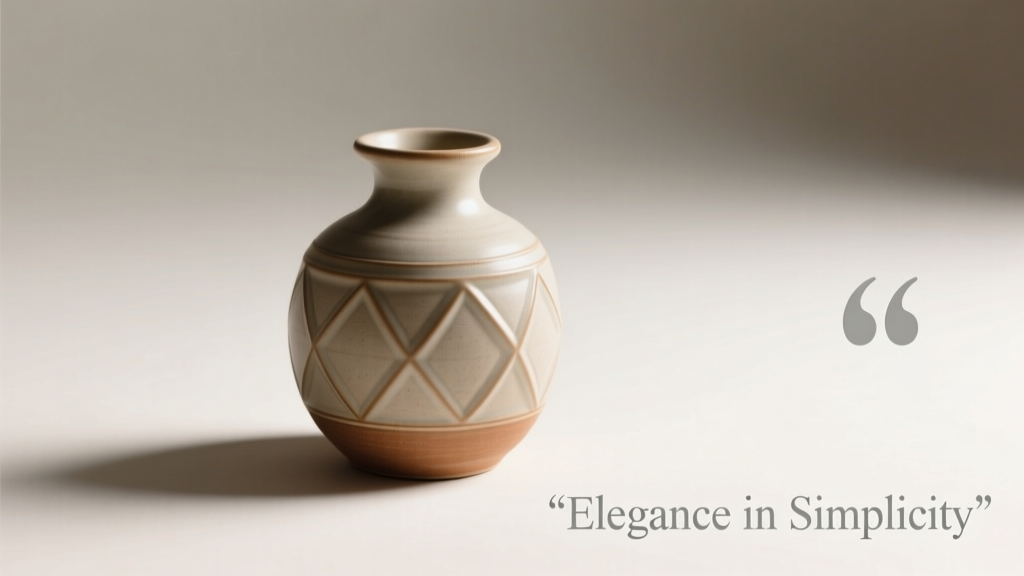
Large ceramic plant pots transform indoor spaces—adding sculptural presence, grounding visual weight, and a quiet sense of permanence. Unlike plastic or fiber pots, high-quality ceramic offers thermal stability, breathability, and aesthetic cohesion across modern, minimalist, Scandinavian, and biophilic interiors. But not all large ceramic pots serve plants well. Many fail silently: cracking under root pressure, trapping moisture that rots stems, or tipping when top-heavy foliage sways. This guide cuts through marketing language and surface aesthetics to focus on what actually matters for plant vitality, structural integrity, and lasting design value—based on horticultural principles, material science, and real-world interior use over multiple growing seasons.
Why Size—and Material—Matter More Than You Think
“Large” in indoor ceramic pots typically means 12 inches (30 cm) in diameter and up—often holding 5–15 gallons of soil. At this scale, the pot isn’t just a container; it’s part of your home’s microclimate. Unglazed terra-cotta at this size dries too quickly in heated homes, while thick, fully vitrified stoneware retains moisture longer but adds significant floor load. A 14-inch unglazed ceramic pot filled with damp potting mix can weigh 35–45 pounds—more than many apartment floor joists are rated to support continuously. That weight also affects mobility: moving a large pot for seasonal light rotation or cleaning becomes impractical without built-in handles or casters.
Ceramic’s porosity is its double-edged sword. It allows subtle gas exchange that benefits roots—but only if fired to the right maturity. Underfired clay stays overly porous and weakens with freeze-thaw cycles (even indoors near drafty windows). Overfired clay becomes glass-like and non-porous, eliminating breathability entirely. The sweet spot lies in mid-range stoneware—fired between 2,100°F and 2,300°F (1,150°C–1,260°C)—which balances strength, moderate porosity, and frost resistance.
Tip: Tap the side of any large ceramic pot with your knuckle before buying. A clear, ringing tone indicates proper firing and density. A dull thud suggests underfiring or internal flaws.Drainage: The Non-Negotiable Foundation
No amount of aesthetic appeal compensates for poor drainage. Large ceramic pots frequently omit functional drainage—or worse, include decorative “false bottoms” that create perched water tables. When water pools beneath the root zone for more than 12–18 hours, oxygen depletion begins, encouraging pythium, phytophthora, and root rot—especially in slow-growing, moisture-sensitive species like fiddle-leaf figs, monstera deliciosa, or rubber plants.
Effective drainage requires three aligned elements: (1) a single, centrally located hole at least ¾ inch (19 mm) in diameter; (2) an unobstructed path from soil to floor—no sealed saucers, no glued-in plastic inserts; and (3) sufficient elevation (via feet or a raised tray) so water doesn’t re-wick into the pot base.
| Drainage Feature | Acceptable | Unacceptable |
|---|---|---|
| Hole size | ≥ ¾ inch (19 mm), clean-cut, unglazed edge | ¼ inch or smaller; jagged or glazed-over opening |
| Base design | Three or four stable, integrated feet (≥ ½ inch tall) | Flat base with recessed “hidden” drain channel |
| Saucer compatibility | Separate, wide-rimmed saucer (≥ 1 inch wider than pot) | Integrated, non-removable reservoir or sealed drip tray |
Glaze Safety, Thermal Stability, and Real-World Durability
Indoor ceramic pots spend years in stable temperatures—but not perfectly stable ones. Floor-level heating vents, south-facing windows, and air conditioning drafts create localized thermal gradients. Poorly formulated glazes crack (crazing) or leach heavy metals when exposed to repeated expansion-contraction stress. Lead-based glazes—still used in some imported artisanal ceramics—are especially hazardous in homes with children or pets, as dust from chipped glaze can accumulate in carpet or on surfaces.
Look for certification marks: ASTM D4236 (U.S. art material safety), EN71-3 (EU toy safety standard, often adopted by reputable ceramic studios), or written confirmation of “food-safe, lead-free glaze.” Note: “Dishwasher safe” does not imply “plant-safe”—dishwasher detergents are alkaline and abrasive, while plant roots exude organic acids that interact differently with glaze chemistry.
“The most common failure point in large indoor ceramics isn’t cracking—it’s glaze degradation at the soil line, where constant moisture contact breaks down the silica matrix over 18–24 months. That’s why I specify matte, high-alumina glazes for clients’ statement planters—they resist hydrolysis far longer than glossy feldspathic finishes.” — Lena Torres, Ceramic Materials Engineer & Horticultural Consultant, Clay & Root Studio
A Step-by-Step Selection Process (Test Before You Invest)
Follow this field-tested sequence before committing to a large ceramic pot—especially for specimens costing $200+ or irreplaceable heirloom plants.
- Confirm plant root volume: Measure current root ball width and depth. Add 2–3 inches of space in all directions for 12–18 months of growth. Never upsize more than one pot size (e.g., 10-inch to 12-inch diameter) at a time.
- Weigh the empty pot: Lift it at waist height using both hands. If you cannot hold it steady for 10 seconds without strain, reconsider—especially if placing on upper floors or hardwood.
- Inspect the drainage hole: Insert a pencil eraser. It should pass through freely with no resistance. Shine a phone flashlight inside: the underside must be fully open—not covered by a clay plug or glaze drip.
- Check thermal response: Fill the pot ¼ full with lukewarm water (72°F/22°C). Wait 10 minutes, then gently press thumb against exterior wall near base. If surface feels noticeably cooler than ambient room temp, the clay is still porous enough for healthy gas exchange.
- Verify stability: Place on a level surface. Gently push top rim sideways with one finger. A stable pot will rock ≤ 2 degrees and return upright without sliding. Excessive wobble indicates uneven firing or warped base.
Real-World Case Study: The Monstera Dilemma in Portland
When interior designer Maya Chen selected a hand-thrown 16-inch matte black ceramic pot for her client’s mature monstera deliciosa, she prioritized form over function—drawn to its organic asymmetry and deep charcoal glaze. Within eight weeks, yellow haloing appeared around older leaf margins, followed by stem softening at the soil line. A soil probe revealed saturated, anaerobic conditions 4 inches below the surface despite weekly watering. Investigation showed the pot had only a ⅜-inch drain hole partially obstructed by glaze residue—and sat flush on engineered hardwood with no feet or gap.
The fix wasn’t repotting alone. Maya replaced the pot with a commercially fired stoneware option: 15-inch diameter, 1-inch central drain, four ¾-inch feet, and certified lead-free matte glaze. She added a 2-inch layer of lava rock at the base and switched to a coarse, bark-heavy potting mix. Within 10 weeks, new leaves unfurled with taut, deep-green venation—and the plant gained 14 inches of vertical growth. The lesson? Aesthetic coherence means nothing without horticultural fidelity.
What to Avoid: A Concise Do’s and Don’ts Table
| Action | Do | Don’t |
|---|---|---|
| Selecting size | Choose pot diameter 1–2 inches larger than root ball width | Buy oversized “statement” pots without checking root-to-soil ratio |
| Handling | Always lift with palms under base—not by rim or handles | Drag or slide across tile/hardwood (causes microfractures) |
| Placement | Elevate on furniture-grade cork pads or adjustable leveling feet | Set directly on uncarpeted concrete or radiant-heated floors |
| Maintenance | Rinse exterior monthly with pH-neutral soap and soft cloth | Use vinegar, bleach, or abrasive scrubbers on glazed surfaces |
| Longevity | Rotate pot ¼ turn weekly for even light exposure and root development | Leave in permanent corner placement for >6 months without assessment |
FAQ: Practical Questions Answered
Can I use a large ceramic pot without drainage for a self-watering insert?
No—self-watering systems require precise capillary action and consistent evaporation rates. Ceramic’s variable porosity disrupts this balance, leading to either chronic saturation or dry pockets. If drainage isn’t possible due to architectural constraints, choose a food-grade HDPE liner pot with overflow holes, placed inside the ceramic shell. Monitor moisture weekly with a calibrated probe—not fingers.
How do I know if my existing large ceramic pot is safe for edible herbs or houseplants?
Perform the “glaze acid test”: Soak a cotton swab in white vinegar, rub firmly on interior glaze near the soil line for 30 seconds, then wipe onto a white paper towel. Any color transfer (especially orange, yellow, or brown) indicates leachable metals. Also, check manufacturer documentation for third-party heavy metal testing reports—not just “lead-free” claims. When in doubt, line with a 6-mil food-grade polyethylene sleeve.
Will a heavy ceramic pot damage my luxury vinyl plank (LVP) flooring?
Yes—if improperly supported. LVP has limited compression resistance under point loads. Distribute weight by placing the pot on a ¼-inch thick, 24-inch square piece of marine-grade plywood or a custom-cut slate tile. Avoid rubber or foam pads—they compress unevenly and trap moisture. For apartments with strict floor load limits, request structural engineer verification before installing pots over 30 lbs empty.
Conclusion: Choose With Intention, Not Impulse
Large ceramic plant pots are among the most enduring design decisions you’ll make for your indoor environment. They outlive paint colors, furniture trends, and even many of the plants they hold. But their longevity depends on thoughtful selection—not just visual appeal. Prioritize drainage integrity over glossy finishes. Respect weight limits as seriously as electrical load ratings. Treat glaze safety with the same diligence you apply to cookware or children’s toys. And remember: the best large ceramic pot doesn’t shout for attention. It settles quietly into your space, supports vigorous growth, and gains character with each season—its subtle patina telling the story of attentive care, not neglect.
Your next large ceramic pot shouldn’t be chosen in five minutes during a flash sale. It deserves the same consideration you’d give a piece of heirloom furniture: measured, researched, and rooted in function. Take one pot at a time. Test its ring. Check its feet. Feel its weight. Then watch how deeply your plants thrive—not just survive—in its presence.
💬 Have you rescued a large ceramic pot from drainage disaster—or learned the hard way? Share your experience, photos, or pro tips in the comments. Let’s build a smarter, healthier indoor jungle—together.








