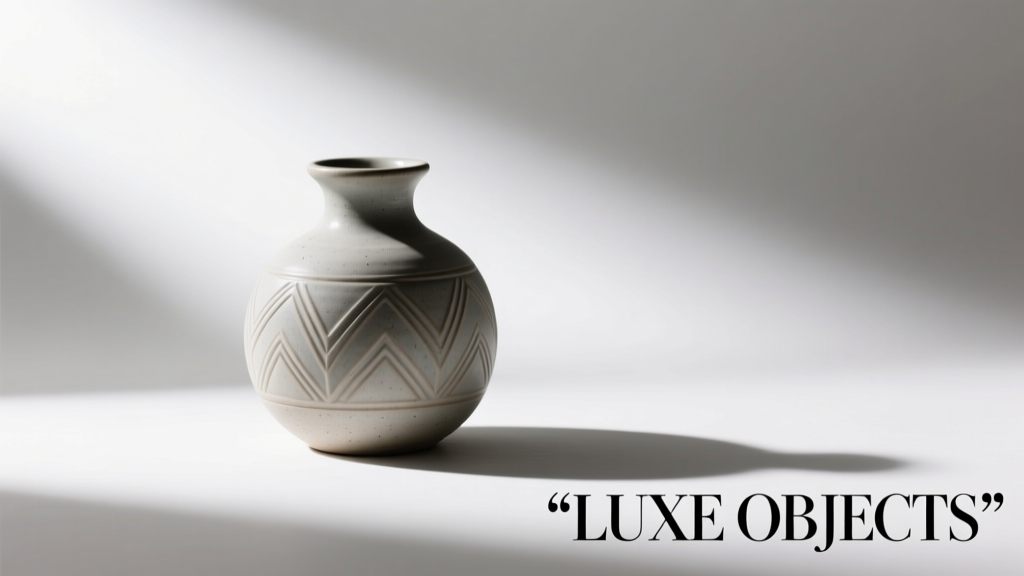
Types of Hand-Painted Pottery Ideas
Hand-painted pottery is a timeless art form that blends creativity with craftsmanship, offering both aesthetic beauty and practical utility. Each type of hand-painted pottery serves a unique purpose, enhancing spaces, supporting daily routines, or preserving cultural heritage. Whether used for decoration, dining, tradition, or functional tools, these ceramic creations reflect personal expression and artistic skill.
Based on functionality, hand-painted pottery can be categorized into distinct types, each tailored to meet specific needs while adding artistic value to everyday life.
Decorative Pottery
Pieces crafted primarily for visual appeal and ambiance enhancement.
Advantages
- Enhances interior aesthetics
- Allows for creative, intricate designs
- Versatile in placement (homes, offices, galleries)
- Great for gifting and artistic expression
Limitations
- Limited functional use
- May require careful handling
- Sensitive to sunlight and moisture over time
Best for: Home decor, artistic displays, gift items, accent pieces
Dinnerware & Kitchen Pottery
Functional ceramics designed for food serving and preparation.
Advantages
- Safe for daily food use (when properly glazed)
- Durable with modern enamel coatings
- Resists chipping and fading with proper care
- Combines utility with personalized design
Limitations
- Requires food-safe paints and sealing
- May not be dishwasher/microwave safe unless specified
- Designs often simpler than decorative pieces
Best for: Everyday meals, kitchen use, personalized table settings
Traditional & Cultural Pottery
Artifacts that embody regional identity, heritage, and ceremonial significance.
Advantages
- Preserves cultural history and symbolism
- Uses authentic, time-honored techniques
- Rich in color, pattern, and storytelling
- Valuable for education and tradition
Limitations
- May not conform to modern safety standards
- Often not suitable for regular food use
- Can be expensive due to artisanal craftsmanship
Best for: Ceremonies, cultural exhibitions, heritage preservation, collectibles
Functional Tools & Architectural Pottery
Hand-painted items that serve practical purposes beyond tableware.
Advantages
- Combines utility with artistic flair
- Used in construction and landscaping (e.g., tiles, pipes)
- Durable and weather-resistant when properly treated
- Adds artistic value to public and private spaces
Limitations
- More complex to produce at scale
- Requires specialized glazing for outdoor use
- Limited availability compared to standard pottery
Best for: Home renovations, garden design, architectural accents, irrigation systems
| Type | Primary Use | Design Complexity | Durability | Ideal For |
|---|---|---|---|---|
| Decorative Pottery | Visual Appeal | High | Moderate | Interior decoration, art displays |
| Dinnerware & Kitchen Pottery | Food Service | Medium | High (with proper glaze) | Daily meals, personalized tableware |
| Traditional & Cultural Pottery | Ceremonial & Symbolic | Very High | Variable | Cultural events, heritage projects |
| Functional Tools & Architectural | Practical Applications | Medium to High | High (outdoor-rated) | Tiling, irrigation, structural design |
Expert Tip: When creating hand-painted pottery for functional use (especially dinnerware), always use food-safe, non-toxic ceramic paints and ensure proper kiln firing or sealing to make the piece water-resistant and durable. For outdoor applications, apply a UV-resistant glaze to prevent color fading.
Hand-Painted Pottery Design Ideas: Creativity, Culture & Craftsmanship
Hand-painted pottery is a timeless art form that blends functionality with artistic expression. These unique ceramic pieces not only serve practical purposes but also reflect personal style, cultural heritage, and creative imagination. Whether used for dining, decoration, or gifting, hand-painted ceramics bring warmth, color, and individuality to any space.
Popular Hand-Painted Pottery Design Styles
Floral Designs
Floral patterns remain the most beloved choice in hand-painted pottery, celebrated for their vibrant colors and uplifting aesthetic. Artists often depict roses, daisies, sunflowers, lavender, and dandelions in intricate detail, creating a sense of natural beauty and serenity.
These designs are especially popular on vases, planters, teapots, and serving bowls. The soft curves and organic flow of petals make floral motifs ideal for both rustic farmhouse and elegant contemporary interiors. Many artisans use watercolor-like techniques to give depth and realism to their floral artwork.
Geometric Patterns
Geometric designs bring structure, symmetry, and modern flair to hand-painted ceramics. Utilizing shapes like triangles, hexagons, chevrons, circles, and interlocking lines, these patterns create visual rhythm and bold contrast.
Inspired by ancient mosaics, Islamic tilework, and indigenous textiles, geometric pottery often features repeating motifs in balanced arrangements. This style is particularly effective in minimalist or Scandinavian-inspired decor, where clean lines and intentional design are valued. Artists may use stencils or freehand techniques to achieve precision and consistency.
Animal Motifs
Animals have long been symbolic in art and culture, and their presence in hand-painted pottery adds narrative depth and emotional resonance. Common depictions include majestic lions, soaring eagles, graceful deer, playful birds, and mythical creatures like phoenixes or dragons.
These motifs often tell stories—representing strength, freedom, protection, or spiritual beliefs. Animal-themed pottery is frequently used as decorative centerpieces, wall art, or ceremonial objects. While some pieces are food-safe, others intended purely for display may use non-toxic but non-food-grade paints.
Abstract Art
Abstract pottery celebrates spontaneity, emotion, and artistic freedom. Using bold color contrasts, expressive brushstrokes, and imaginative forms, artists create one-of-a-kind pieces that defy realism.
Influenced by movements like Expressionism or Fauvism, abstract designs transform everyday ceramics into conversation-starting art. Swirls, splatters, gradients, and asymmetrical compositions allow for limitless creativity. This style appeals to those who appreciate modern art and want to infuse their homes with dynamic energy and personal meaning.
Cultural & Symbolic Designs
Cultural pottery honors heritage through symbols, emblems, and traditional iconography. These designs might include national flags, ancestral totems, sacred animals, historical tools, or religious motifs drawn from Native American, African, Mexican (Talavera), Japanese (Wabi-Sabi), or Scandinavian folk art traditions.
Such pottery serves both aesthetic and educational purposes—preserving cultural identity while functioning as usable tableware or home décor. For example, Ukrainian pysanky-inspired ceramics feature intricate egg-like patterns, while Moroccan designs use vibrant blues and arabesque flourishes. These pieces are often passed down as heirlooms, connecting generations through shared symbolism.
Combination & Mixed Media Styles
Many contemporary potters blend multiple design elements to create richly layered works. A single piece might combine floral borders with geometric centers, or overlay abstract textures beneath realistic animal depictions.
Mixed media approaches—such as combining hand painting with sgraffito (scratching through layers), glaze effects, or metallic accents—add dimension and tactile interest. These hybrid designs showcase technical skill and artistic innovation, making each piece truly unique and collectible.
| Design Style | Best For | Tips for Artists & Buyers |
|---|---|---|
| Floral | Home décor, gifts, tea sets | Use soft, blended colors for realism; pair with neutral backgrounds to enhance vibrancy |
| Geometric | Modern kitchens, minimalist spaces | Ensure symmetry; use rulers or templates for clean lines; contrast light and dark tones |
| Animal Motifs | Statement pieces, cultural collections | Research animal symbolism; focus on accurate anatomy or stylized representation |
| Abstract | Artistic interiors, galleries | Experiment with color theory; let intuition guide composition |
| Cultural Symbols | Heritage celebration, educational use | Respect cultural context; source inspiration ethically; consult community references when possible |
Benefits of Hand-Painted Pottery
Important: When purchasing or creating hand-painted pottery for food use, ensure that the paints and glazes are certified food-safe and lead-free. Always check labels or consult the artist directly. For purely decorative pieces, non-toxic acrylics or enamel paints may be used, but these should not come into contact with consumables. Proper firing and sealing are essential for durability and safety.
Hand-painted pottery continues to inspire artists and collectors alike, offering endless possibilities for creative expression. Whether you're drawn to delicate florals, bold geometrics, or culturally rich symbols, these hand-painted pottery ideas enrich both living spaces and cultural narratives. By combining traditional techniques with modern innovation, this art form remains a vibrant and meaningful part of global ceramic heritage.
The Commercial Uses of Hand-Painted Pottery in Industry
Hand-painted pottery extends far beyond its visual appeal, serving as a versatile and valuable asset across multiple commercial industries. From luxury interiors to culinary experiences and global e-commerce, these artisanal creations blend functionality with artistry, offering businesses unique opportunities to enhance branding, customer experience, and market differentiation.
Interior Design & Home Decor
Interior designers and home decor brands increasingly incorporate hand-painted pottery to elevate residential and commercial spaces. These pieces bring a sense of authenticity, warmth, and cultural richness that mass-produced items often lack.
- Custom vases, ceramic wall art, and sculptural bowls serve as statement pieces in modern and traditional interiors
- Luxury hotels and boutique spaces use regionally inspired pottery to reflect local heritage and craftsmanship
- Furniture showrooms and home decor chains feature hand-painted ceramics to attract design-conscious consumers
- Trend-driven collections (e.g., Mediterranean, Scandinavian, or Bohemian styles) are enhanced with artisanal pottery elements
Design insight: Hand-painted ceramics add tactile and visual texture, creating focal points that enhance spatial harmony.
Culinary & Restaurant Industry
Restaurants, cafes, and gourmet brands use hand-painted pottery to elevate the dining experience. The presentation of food on unique ceramic ware influences perception, taste, and overall satisfaction.
- Upscale restaurants serve signature dishes on hand-glazed plates to emphasize exclusivity and artistry
- Cafés use painted mugs and bowls to reinforce brand identity and create Instagram-worthy moments
- Artisanal food producers package jams, oils, and spices in decorative ceramic jars as premium gift sets
- Glazed pottery is food-safe and durable, making it ideal for both everyday use and special occasions
Customer impact: Diners perceive food as more appetizing and higher in quality when served on handcrafted ceramics.
Gift & Souvenir Market
Hand-painted pottery plays a central role in the gift and souvenir industry, where uniqueness, cultural symbolism, and emotional value drive purchasing decisions.
- Tourist destinations sell region-specific pottery (e.g., Talavera from Mexico, Delftware from the Netherlands) as authentic mementos
- Corporate gifting programs use custom-painted ceramics for client appreciation and brand memorabilia
- Special occasion markets (weddings, anniversaries, holidays) feature personalized pottery with names, dates, or motifs
- Online gift retailers curate collections of hand-painted items for global shipping and subscription boxes
Market advantage: These items are perceived as thoughtful, lasting gifts with higher sentimental value than generic products.
Workshops & Creative Experiences
The growing demand for hands-on, experiential activities has led to a boom in pottery painting studios and art-based workshops, creating a thriving service industry.
- Paint-your-own pottery studios offer drop-in sessions for families, couples, and team-building events
- Art schools and community centers host ceramic painting classes, generating revenue through tuition and material sales
- Event-based workshops (birthdays, bridal showers) provide all-inclusive creative experiences with takeaway keepsakes
- Instructors and studio owners build brands around their artistic style, tools, and curated color palettes
Revenue model: These businesses profit not only from class fees but also from the sale of finished pieces and DIY kits.
E-Commerce & Digital Marketplaces
The digital revolution has empowered independent potters and small studios to reach global audiences through online platforms, transforming local craftsmanship into international businesses.
- Artisans sell directly through personal websites, Etsy, Amazon Handmade, and Shopify stores
- Social media platforms like Instagram and Pinterest showcase pottery through lifestyle photography, driving engagement and sales
- Custom commissions allow customers to request personalized designs, colors, or sizes, increasing perceived value
- Niche markets (e.g., sustainable ceramics, minimalist design, or culturally inspired art) thrive in targeted online communities
Growth opportunity: SEO-optimized product descriptions and storytelling enhance discoverability and emotional connection with buyers.
Brand Collaborations & Limited Editions
Forward-thinking brands are partnering with ceramic artists to launch co-branded collections, blending art and commerce in innovative ways.
- Fashion and lifestyle brands release limited-edition pottery lines as part of seasonal campaigns
- Coffee companies collaborate with artists to design exclusive mugs for promotions or loyalty programs
- Hotels and resorts commission custom pottery for guest rooms and restaurants, enhancing brand identity
- Art fairs and design expos feature hand-painted ceramics as collectible design objects
Strategic benefit: These collaborations generate buzz, media coverage, and increased brand authenticity.
Business Insight: The true value of hand-painted pottery lies in its ability to tell a story—whether cultural, personal, or brand-driven. Businesses that highlight the artisan, the process, and the uniqueness of each piece can command premium pricing and foster customer loyalty. Emphasizing sustainability, ethical production, and craftsmanship further strengthens market appeal in today’s conscious consumer landscape.
| Industry Sector | Primary Use | Key Consumer Appeal | Revenue Model |
|---|---|---|---|
| Interior Design | Decorative accents, statement pieces | Authenticity, aesthetic uniqueness | Retail markup, design contracts |
| Hospitality & Dining | Serving ware, table settings | Enhanced dining experience, visual appeal | Operational enhancement, brand differentiation |
| Gift & Souvenirs | Memorabilia, personalized items | Emotional value, cultural significance | Retail sales, tourism partnerships |
| Experiential Workshops | DIY painting, creative events | Engagement, personal achievement | Class fees, material sales, events |
| E-Commerce | Direct-to-consumer art sales | Global access, customization | Online sales, commissions, subscriptions |
Additional Strategic Considerations
- Sustainability: Eco-conscious consumers favor pottery made from natural clays and non-toxic glazes, especially when packaged in recyclable materials
- Customization: Offering personalized engraving, monograms, or color options increases perceived value and giftability
- Storytelling: Sharing the artist’s background, technique, and inspiration builds emotional connection and brand trust
- Quality Assurance: Consistent firing, glazing, and finishing processes ensure durability and customer satisfaction
- Global Trends: Movements like slow living, mindful consumption, and artisan revival boost demand for handmade ceramics
How To Choose The Best Hand-Painted Pottery: A Complete Guide
Selecting the perfect hand-painted pottery is more than just a matter of aesthetics—it’s about finding a piece that harmonizes with your space, serves its purpose, and reflects authentic craftsmanship. Whether you're decorating your home, shopping for a meaningful gift, or building a curated collection, understanding key selection criteria ensures you make a thoughtful and lasting choice. This guide dives deep into the essential factors to consider when choosing hand-painted pottery, helping you make informed decisions that blend beauty, function, and value.
Important Note: Hand-painted pottery is unique—no two pieces are exactly alike. Embrace the slight imperfections and variations as signs of genuine artisan work, not flaws.
Key Factors When Choosing Hand-Painted Pottery
- Functionality: Purpose-Driven Selection
Before falling in love with a design, ask yourself: What will this piece be used for?
- Everyday Use: If you're selecting dinnerware, mugs, or serving dishes, prioritize pieces designed for utility. These should be food-safe, dishwasher-safe (if desired), and resistant to chipping.
- Decorative Use: For vases, wall art, or accent pieces, functionality takes a backseat to visual impact. This opens the door to more experimental shapes, glazes, and delicate designs.
- Mixed Use: Some pieces, like decorative vases or serving bowls, serve both form and function. Ensure they are glazed properly to prevent water seepage or staining.
Choosing the right functional fit ensures your pottery remains beautiful and practical for years to come.
- Size and Scale: Proportion Matters
The impact of hand-painted pottery greatly depends on its size relative to its environment.
- Measure the space where the piece will reside—whether it's a shelf, dining table, or entryway console.
- In large rooms, oversized vases or platters can act as focal points, adding warmth and visual interest.
- In smaller spaces, opt for modestly sized items to avoid overwhelming the area.
- For dining tables, ensure serving pieces are proportionate to place settings—overly large bowls can crowd the table.
Proper scaling ensures your pottery enhances the space rather than competes with it.
- Material and Durability: Understanding the Craft
Hand-painted pottery is typically made from one of three main materials, each with distinct characteristics:
Material Characteristics Best For Durability Tips Earthenware Porous, lightweight, often brightly colored Decorative pieces, tiles, planters Not oven-safe; avoid frequent washing; seal if used outdoors Stoneware Dense, non-porous, durable, often glazed Dinnerware, mugs, baking dishes Oven, microwave, and dishwasher safe (if properly glazed) Porcelain Delicate, translucent, smooth finish Fine dining, collectibles, decorative art Handle with care; avoid thermal shock Ensure the pottery is properly fired and glazed, especially for food-related use, to prevent bacterial growth and chemical leaching. Always check care instructions before purchasing.
- Style and Theme: Match Your Aesthetic
Hand-painted pottery comes in a vast array of styles—from rustic farmhouse to modern minimalist, traditional folk art to contemporary abstract.
- Consider your existing decor: Does your space lean toward coastal, bohemian, Scandinavian, or industrial styles?
- Choose colors and patterns that either complement your current palette or serve as a bold statement piece.
- Traditional designs like floral motifs, geometric patterns, or cultural symbols add timeless charm.
- Modern pieces with abstract brushwork or monochrome finishes suit minimalist interiors.
Harmonizing the pottery’s style with your space creates a cohesive and inviting atmosphere.
- Artistry and Authenticity: The Soul of the Piece
One of the greatest values of hand-painted pottery lies in its uniqueness and human touch.
- Look for pieces that showcase the artist’s signature, origin, or studio mark—this adds provenance and authenticity.
- Learn about the artist’s background, technique (e.g., sgraffito, underglaze painting, slip trailing), and cultural influences.
- Each brushstroke tells a story. Imperfections like slight asymmetry or color variation are hallmarks of handmade work, not defects.
- Supporting independent artisans ensures ethical production and helps preserve traditional crafts.
Knowing the story behind your pottery deepens your connection to it and elevates it from mere object to meaningful art.
Expert Tip: When shopping for hand-painted pottery, visit local craft fairs, artisan markets, or studio galleries. These settings allow you to see the pieces in person, feel the texture, and even speak directly with the artist—offering insights you can't get online.
Additional Considerations for Long-Term Enjoyment
- Care Instructions: Always follow the recommended cleaning and storage guidelines to preserve the paint and glaze.
- Light Exposure: Prolonged sunlight can fade hand-painted designs. Display sensitive pieces away from direct UV rays.
- Gifting Potential: Hand-painted pottery makes a thoughtful, personalized gift—especially when chosen to reflect the recipient’s taste.
- Investment Value: Limited edition or artist-signed pieces may appreciate in value over time, especially from renowned ceramicists.
- Eco-Friendliness: Handmade pottery is often more sustainable than mass-produced alternatives, using natural materials and low-impact production methods.
Choosing hand-painted pottery is a celebration of art, culture, and personal expression. By considering functionality, size, material, style, and the artist’s story, you can select pieces that not only beautify your space but also carry lasting emotional and aesthetic value. Whether it’s a vibrant mug for your morning coffee or a hand-glazed vase for your entryway, each piece becomes a part of your daily narrative—crafted by hand, cherished by heart.
Frequently Asked Questions About Hand-Painted Pottery
Q1: What is hand-painted pottery?Hand-painted pottery refers to ceramic pieces that are individually decorated by artists using brushes, pigments, and various painting techniques. Unlike mass-produced ceramics, each piece features unique designs, patterns, and color combinations, making it a one-of-a-kind work of art. This craftsmanship often highlights cultural motifs, personal expression, or functional aesthetics, and is commonly seen in tableware, decorative vases, tiles, and gift items.
The process typically involves applying colored oxides or ceramic stains onto bisque-fired clay, followed by a final glaze firing to seal and preserve the artwork, ensuring durability and vibrancy.
Q2: What materials are commonly used for hand-painted pottery?While hand-painted pottery can be made from various ceramic clays, the most commonly used material is earthenware due to its porous nature, soft texture, and ease of decoration. Earthenware fires at lower temperatures, making it ideal for intricate hand-painting and vibrant glaze applications.
Other materials include:
- Stoneware: Denser and more durable than earthenware, often used for functional items like mugs and plates. It can still be hand-painted but requires more skill due to its higher firing temperature.
- Porcelain: Known for its delicate, translucent appearance and smooth surface. Porcelain is more challenging to paint on but allows for highly detailed and refined artwork.
The choice of clay affects both the painting technique and the final appearance, with earthenware remaining the preferred medium for most decorative hand-painted ceramics.
Q3: Are glazes used on hand-painted pottery food-safe?Many glazes used on hand-painted pottery are food-safe, especially when specifically formulated for use on dinnerware and drinkware. However, not all glazes meet safety standards for direct food contact.
Key considerations include:
- Lead and Cadmium Content: Ensure the glaze is labeled as "lead-free" and "food-safe," particularly for items used to serve or store food.
- Firing Process: Proper kiln firing is essential to vitrify the glaze and make it non-porous and inert.
- Intended Use: Most hand-painted pottery is created for decorative purposes. If you plan to use a piece for eating or drinking, verify its safety with the artist or manufacturer.
When in doubt, avoid using hand-painted ceramics with acidic foods (like citrus or tomatoes), which can leach harmful substances from unsafe glazes over time.
Q4: How should one care for hand-painted pottery?To preserve the beauty and integrity of hand-painted pottery, proper care is essential. Most pieces should be treated with gentle handling and cleaned by hand rather than in a dishwasher.
Recommended care tips:
- Hand Wash Only: Use lukewarm water and a mild, non-abrasive detergent. Avoid soaking for extended periods, as moisture can weaken the clay or damage the finish.
- Avoid Abrasives: Do not use steel wool, scrubbing pads, or harsh cleaners that can scratch the glaze or fade painted details.
- Drying: Dry thoroughly with a soft cloth to prevent water spots or mineral buildup.
- Storage: Store items separately or with protective padding to prevent chipping or scratching.
- Microwave and Oven Use: Only use pottery labeled as microwave- or oven-safe. Sudden temperature changes can cause thermal shock and cracking.
With proper maintenance, hand-painted pottery can remain a cherished part of your home for years.
Q5: Can hand-painted pottery be used outdoors?Yes, certain types of hand-painted pottery are designed to withstand outdoor conditions and are perfect for garden décor, bird feeders, planters, or patio accents. However, not all ceramics are suitable for prolonged exposure to the elements.
For outdoor use, look for:
- Frost-Proof or Weather-Resistant Glazes: These prevent cracking due to freezing and thawing cycles.
- Proper Firing: Fully vitrified stoneware or porcelain is more durable and less porous, making it ideal for outdoor environments.
- Sealed Surfaces: A well-applied, sealed glaze protects the paint and clay from moisture, UV rays, and dirt.
If the pottery is purely decorative and not specifically made for outdoor use, it's best to keep it indoors or in a covered area to prevent fading, chipping, or structural damage over time.









