In recent years, a quiet revolution has taken place in personal accessories. Once dominated by delicate gold chains and charm-laden bangles, the wristwear market is now seeing a surge in popularity for stainless steel bracelets. Sleek, resilient, and surprisingly stylish, these pieces are no longer just functional or industrial—they’ve become symbols of modern elegance. But what exactly is behind this shift? Why are consumers increasingly choosing stainless steel over traditional gold and sentimental charms?
The answer lies at the intersection of practicality, evolving aesthetics, and shifting consumer values. As lifestyles become more active and sustainability concerns grow, people are reevaluating what jewelry means to them—not just as adornment, but as an extension of identity and daily life.
The Decline of Traditional Gold Appeal
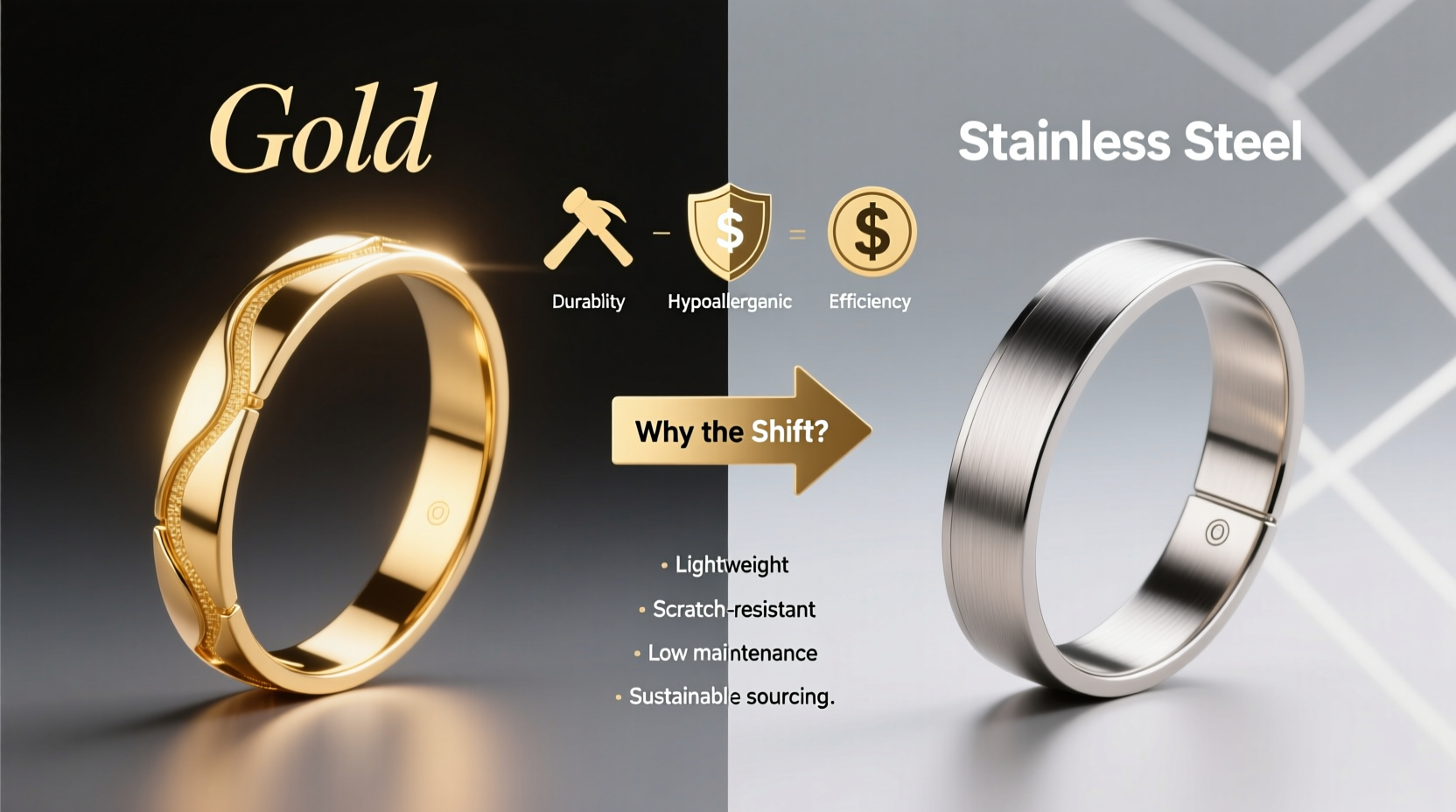
Gold has long been synonymous with luxury, status, and timeless beauty. However, its dominance in everyday wear is waning. Several factors contribute to this decline:
- High maintenance: Gold scratches easily and requires regular polishing to maintain luster.
- Cost barriers: With rising gold prices, even simple chains can cost hundreds—or thousands—of dollars.
- Skin sensitivity: Many \"gold\" items on the market are actually gold-plated, which can tarnish or cause allergic reactions over time.
- Lifestyle mismatch: Modern routines often involve gym sessions, outdoor activities, or frequent travel—environments where wearing expensive gold feels impractical or risky.
While gold remains a favorite for formal occasions and heirloom pieces, it's losing ground in the realm of daily wear. Consumers want something they can trust to endure their lives without constant worry.
Tip: If you own gold jewelry, reserve it for special events and store it separately to prevent scratching.Why Charms Are Losing Their Sparkle
Charm bracelets once represented storytelling through jewelry—each trinket marking a milestone, memory, or passion. Yet today’s buyers are moving toward minimalism and intentionality. The charm trend faces several challenges:
- Cluttered aesthetic: Overloaded charm bracelets can appear dated or overly busy in contemporary fashion contexts.
- Fragility: Small components are prone to bending, breaking, or falling off during regular use.
- Limited versatility: Charm-heavy designs rarely pair well with smart-casual or professional attire.
- Emotional fatigue: Constantly curating meaningful charms can feel like emotional labor rather than joy.
As personal expression evolves into subtler forms—think clean lines, monochrome palettes, and architectural shapes—the loud narrative of charms no longer fits every lifestyle.
The Rise of Stainless Steel: More Than Just Metal
Stainless steel isn’t new—it’s been used in watches, medical instruments, and architecture for decades due to its strength and resistance to corrosion. Now, those same qualities are being celebrated in fashion-forward jewelry.
What makes stainless steel uniquely suited to today’s market?
| Feature | Stainless Steel | Gold (Solid) | Gold-Plated/Charms |
|---|---|---|---|
| Durability | High – scratch & corrosion resistant | Moderate – soft, prone to dents | Low – wears off quickly |
| Price Range | $20–$100 | $300–$2000+ | $50–$150 |
| Hypoallergenic | Yes (surgical-grade) | Depends on alloy | Rarely guaranteed |
| Maintenance | Wipe clean; no polishing needed | Regular polishing required | Frequent cleaning; risk of tarnish |
| Lifestyle Fit | Ideal for active, urban living | Better for formal settings | Limited durability |
Designers have also elevated stainless steel with brushed finishes, matte coatings, geometric links, and magnetic clasps, making it a staple in unisex and gender-neutral collections. It pairs effortlessly with smartwatches, athleisure wear, and minimalist wardrobes—hallmarks of post-pandemic dressing codes.
“Stainless steel offers the perfect balance between form and function. It doesn’t demand attention, but it never fades into the background.” — Lena Torres, Jewelry Designer at Urban Alloy Studio
Real Shift: A Lifestyle Case Study
Take Maya Chen, a 32-year-old project manager based in Portland. Five years ago, she wore a delicate rose-gold chain bracelet gifted by her mother, adorned with tiny charms representing her travels. She loved its sentiment—but found herself removing it before workouts, forgetting to re-wear it, and eventually misplacing one of the charms during a hiking trip.
Last year, she switched to a brushed-finish stainless steel bracelet with a subtle wave pattern. “I bought it because it looked clean and modern,” she says. “But I kept it because I forgot I was even wearing it—and that’s the best compliment.”
She now wears it daily, through rain, sweat, saltwater swims, and office meetings. Two years later, it looks nearly new. “It doesn’t need babysitting,” she adds. “It just works.”
Maya’s story reflects a broader movement: from jewelry as ornamentation to jewelry as integrated design—a seamless part of how we live.
How to Choose the Right Stainless Steel Bracelet
Not all stainless steel is created equal. To ensure quality and longevity, follow this checklist when shopping:
- ✅ Look for \"316L surgical-grade stainless steel\"—it resists rust and is safe for sensitive skin.
- ✅ Check clasp type: Magnetic or fold-over clasps offer security and ease of use.
- ✅ Measure your wrist: Most brands provide sizing guides; aim for a snug but comfortable fit.
- ✅ Consider finish: Polished for shine, brushed for subtlety, black ion-plated for bold contrast.
- ✅ Verify return policy: Reputable sellers allow exchanges if sizing or style isn’t right.
FAQ: Common Questions About Stainless Steel Jewelry
Can stainless steel turn my skin green?
No. Unlike copper-based alloys or low-quality plating, genuine 316L stainless steel does not react with skin chemistry and will not discolor your skin.
Is stainless steel jewelry eco-friendly?
Yes. Stainless steel is 100% recyclable, requires less mining impact than precious metals, and lasts decades without degradation—making it a sustainable alternative to disposable fashion jewelry.
Can I wear stainless steel in water?
Absolutely. It’s resistant to chlorine, saltwater, and moisture. Unlike silver or plated metals, it won’t tarnish after swimming or showering.
Conclusion: Wear What Works
The rise of stainless steel bracelets isn’t just a passing fad—it’s a reflection of deeper cultural shifts. People no longer want jewelry that demands protection; they want pieces that keep up with them. Strength, simplicity, and resilience are now defining traits of style.
While gold and charms still hold emotional and ceremonial value, stainless steel meets the needs of real life: durable enough for adventure, refined enough for dinner, and expressive enough to reflect individuality without shouting.
If you haven’t considered a stainless steel bracelet yet, now might be the perfect time. Whether you're upgrading your everyday look, seeking hypoallergenic options, or investing in low-maintenance elegance, this trend offers more than meets the eye. Try one on. Feel its weight. Notice how little you think about it. That’s the point.
💬 Have you made the switch to stainless steel? Share your experience or favorite piece in the comments below—help others discover the confidence of effortless style.








