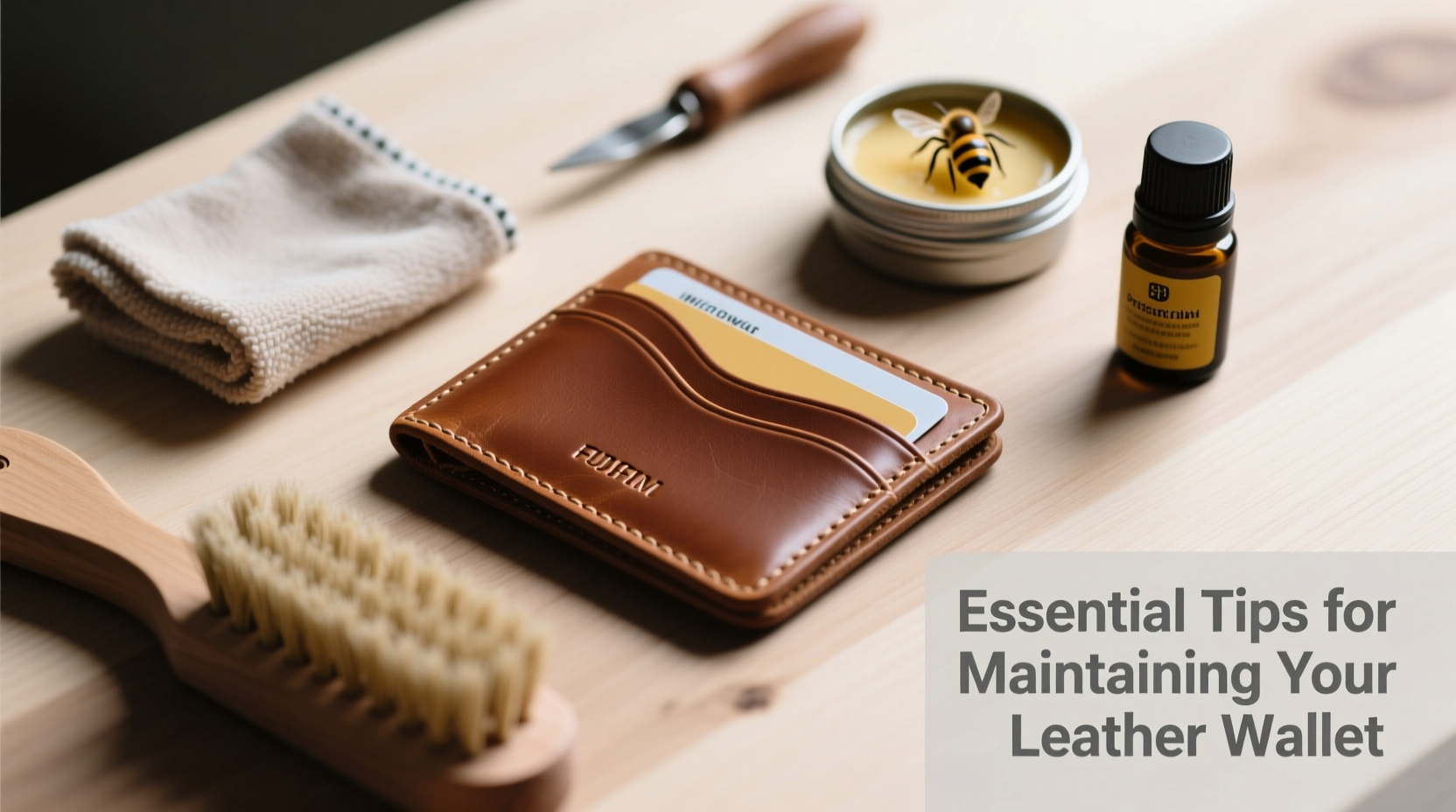
A well-crafted leather cardholder wallet is more than a functional accessory—it’s an investment in quality, style, and daily utility. Over time, exposure to moisture, oils, friction, and environmental factors can degrade even the finest hides. However, with consistent and informed care, a leather wallet can last decades, developing a rich patina that reflects its journey. Understanding how to preserve its integrity ensures both longevity and aesthetic appeal. The key lies not in occasional deep cleaning but in daily habits and preventive measures.
Understand Your Leather Type
Not all leather is created equal. The type of leather used in your cardholder significantly influences how it should be maintained. Common varieties include full-grain, top-grain, corrected grain, and bonded leather—each with distinct characteristics.
- Full-grain leather: The most durable and natural form, retaining the original surface of the hide. It develops a beautiful patina over time but requires gentle conditioning.
- Top-grain leather: Sanded and refinished for a smoother appearance. More resistant to stains but less breathable than full-grain.
- Bonded leather: Made from leftover leather fibers bonded with adhesive. Less durable and not suitable for heavy conditioning.
Care routines must align with the material. For instance, applying heavy conditioners to bonded leather may cause delamination, while neglecting full-grain leather leads to dryness and cracking.
“Knowing your leather type is the foundation of proper maintenance. A one-size-fits-all approach often does more harm than good.” — Daniel Reeves, Artisan Leather Goods ConservatorTip: Check manufacturer labels or product descriptions to identify your wallet’s leather type before applying any treatment.
Establish a Routine Cleaning Schedule
Dirt, hand oils, and environmental pollutants accumulate daily. Without regular cleaning, these substances break down leather fibers and attract mold. A simple weekly wipe-down prevents long-term damage.
Step-by-Step Cleaning Process
- Empty the wallet completely – Remove all cards, cash, and receipts to access every surface.
- Dust off loose particles – Use a soft-bristled brush or dry microfiber cloth to gently remove debris from seams and corners.
- Wipe with a slightly damp cloth – Dampen a lint-free cloth with distilled water only. Wring thoroughly to avoid excess moisture.
- Target stains carefully – For oil marks, sprinkle cornstarch and let sit overnight to absorb grease. For ink, use a cotton swab dipped lightly in isopropyl alcohol (test on a hidden area first).
- Allow to air-dry naturally – Never use heat sources like hairdryers. Place flat in a well-ventilated room away from direct sunlight.
Deep cleaning should occur every 6–8 weeks, depending on usage. Frequent users in humid climates may need monthly attention.
Conditioning: The Key to Longevity
Leather naturally loses oils over time, especially when exposed to air conditioning, heating, or frequent handling. Conditioning replenishes these oils, preventing brittleness and cracking.
Choose a conditioner specifically formulated for your leather type. Beeswax-based products add water resistance and shine; lanolin-based options are ideal for restoring suppleness without altering color.
| Leather Type | Recommended Conditioner | Frequency |
|---|---|---|
| Full-grain | Beeswax + mink oil blend | Every 3–4 months |
| Top-grain | Silicone-free cream conditioner | Every 4–5 months |
| Bonded | Light glycerin spray (optional) | Rarely, if at all |
| Exotic (e.g., ostrich, crocodile) | Specialty exotic leather balm | Every 5–6 months |
Storage and Daily Handling Best Practices
How you store and carry your wallet impacts its lifespan as much as cleaning and conditioning.
- Avoid overstuffed pockets—overfilling causes stress on stitching and distorts shape.
- Keep away from direct sunlight and heat sources, which accelerate fading and drying.
- Store in a breathable fabric pouch when not in use for extended periods.
- Rotate wallets if possible, giving each time to rest and recover between uses.
Prolonged exposure to rain or sweat weakens adhesives and promotes bacterial growth. If your wallet gets wet, blot immediately with a dry cloth and allow 24 hours of air-drying before reuse.
Real Example: The Commuter’s Wallet
James, a financial analyst in Chicago, carried the same full-grain leather cardholder daily for seven years. He cleaned it biweekly, conditioned it every four months, and stored it in a linen-lined drawer on weekends. Despite heavy use, the wallet remained supple and crack-free. After five years, it developed a warm honey hue—praised by colleagues as “broken in, not worn out.” His routine? “Five minutes every Sunday night. That’s all it takes.”
Common Mistakes That Shorten Wallet Life
Even with good intentions, certain habits compromise leather integrity. Avoid these pitfalls:
| Mistake | Why It’s Harmful | Better Alternative |
|---|---|---|
| Using household cleaners | Chemicals strip natural oils and discolor dye | Use pH-balanced leather-specific solutions |
| Storing in plastic bags | Traps moisture, encouraging mildew | Use cotton or muslin storage pouches |
| Over-conditioning | Leads to greasy residue and attracts dirt | Apply thin layers, no more than quarterly |
| Folding or bending aggressively | Causes permanent creasing and fiber fatigue | Handle gently, support structure with inserts |
“Most leather failures I see aren’t due to age—they’re due to misuse. Prevention beats restoration every time.” — Lena Torres, Master Leather Restorer
Essential Care Checklist
Follow this concise checklist to keep your leather cardholder in peak condition:
- ✅ Identify your leather type before applying treatments
- ✅ Wipe down weekly with a dry microfiber cloth
- ✅ Deep clean every 6–8 weeks using distilled water
- ✅ Condition based on leather type and climate (every 3–6 months)
- ✅ Store in a cool, dry place inside a breathable fabric pouch
- ✅ Avoid exposure to water, heat, and direct sunlight
- ✅ Rotate wallets if used daily to reduce strain
FAQ
Can I use coconut oil on my leather wallet?
While natural, coconut oil can go rancid over time and may darken light leathers unevenly. It’s better to use commercially tested conditioners with stable formulations designed for leather goods.
How do I remove odors from a leather wallet?
Place the empty wallet in a sealed container with activated charcoal or baking soda for 24–48 hours. Avoid perfumed sprays, which can react with dyes and damage finishes.
Will scratches disappear over time?
On full-grain leather, minor surface scratches often blend into the patina with regular handling. Deeper gouges may require professional buffing or filling. Avoid rubbing vigorously, as this can spread damage.
Conclusion
Maintaining a leather cardholder wallet isn’t about perfection—it’s about consistency. Small, mindful actions compound over time, preserving both function and character. Whether your wallet is a minimalist modern design or a hand-stitched heirloom, its lifespan depends on how thoughtfully you treat it. By understanding materials, avoiding common errors, and following a realistic care rhythm, you ensure your wallet ages gracefully rather than deteriorating prematurely.
🚀 Start today: Take five minutes to empty, wipe, and assess your wallet. Then schedule your next conditioning session. These small steps build a lifetime of quality.








