
As the holiday season approaches, many homeowners turn to festive décor to create a winter wonderland effect—especially on windows. One popular choice is artificial snow spray, a canned aerosol product that mimics frost or falling snow when applied to glass surfaces. While visually appealing, a growing concern among property owners and preservation experts is whether these sprays cause long-term damage to glass. The answer isn’t always straightforward, but understanding the chemistry, application methods, and environmental factors can help you make an informed decision.
Glass may seem durable, but it’s susceptible to chemical degradation, thermal stress, and surface etching—particularly when exposed to certain compounds over time. Artificial snow sprays often contain solvents, resins, and propellants designed to adhere temporarily to smooth surfaces. However, repeated use or improper removal can compromise both the clarity and structural integrity of your windows. This article explores the potential risks, real-world effects, and safer alternatives so you can enjoy seasonal charm without sacrificing your home’s value.
The Chemistry Behind Artificial Snow Spray
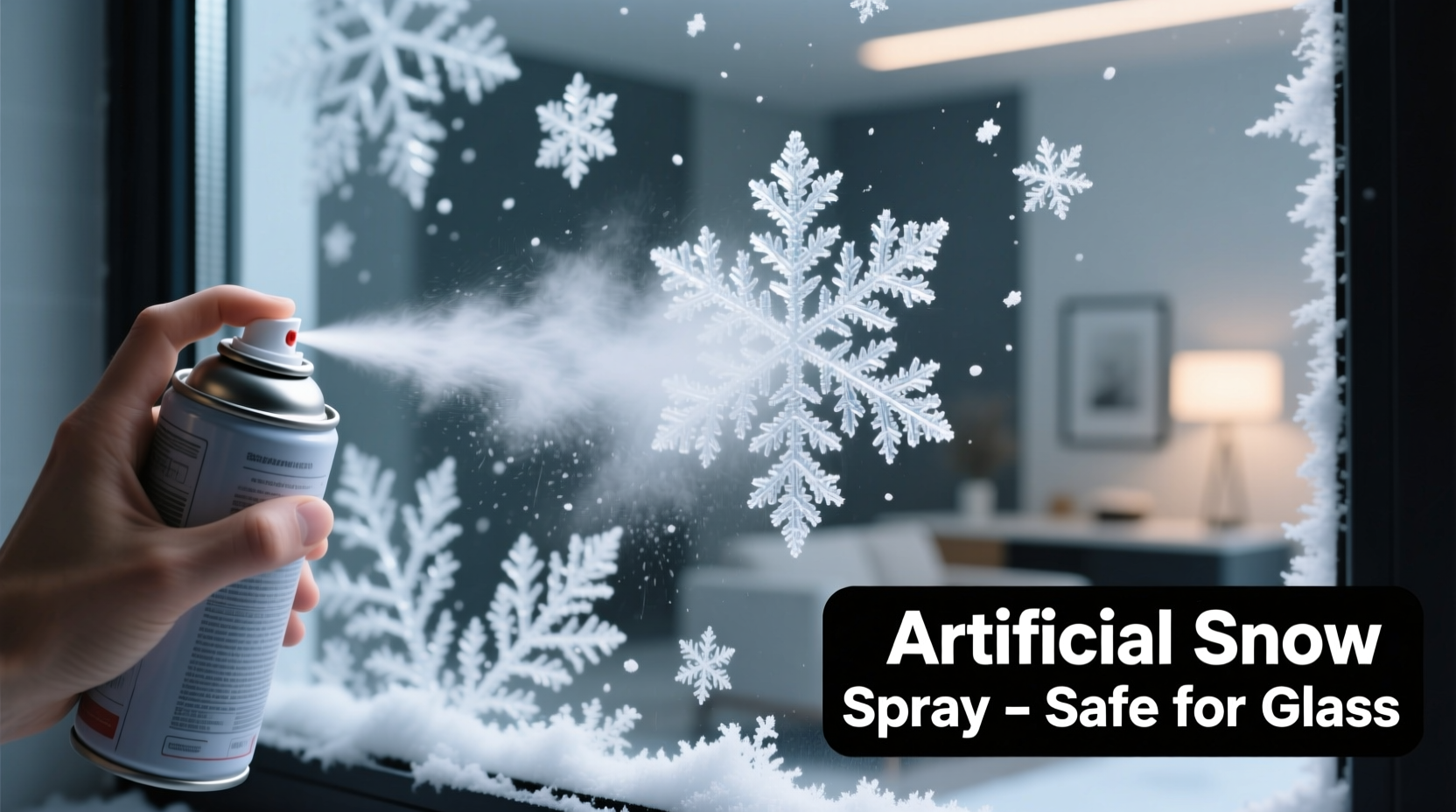
Artificial snow sprays are typically composed of a mixture of water, alcohol (often isopropyl or ethanol), glycol ethers, cellulose derivatives, and synthetic polymers. These ingredients work together to create a frosted, opaque coating that resembles freshly fallen snow. When sprayed, the liquid dries quickly, forming a thin film across the glass surface. The texture can vary from light misting to heavy frost, depending on the brand and application technique.
The key components that raise concerns include:
- Alcohols – Used as solvents to help the solution spread evenly and dry rapidly. While generally evaporate completely, high concentrations or repeated exposure may degrade sealants around double-pane windows.
- Glycol Ethers – Improve adhesion and flexibility of the dried film. Some types are known irritants and can leave behind residues if not cleaned properly.
- Synthetic Resins – Provide the “snowy” opacity. These can be difficult to remove with water alone and may require chemical cleaners that themselves pose risks to glass coatings or frames.
Most manufacturers claim their products are non-toxic and safe for indoor and outdoor use. However, “safe” often refers to human health rather than material compatibility. Long-term exposure—even seasonal use year after year—can lead to cumulative effects that aren’t immediately visible.
“While occasional use of artificial snow spray may not cause immediate harm, we’ve seen cases where repeated applications led to micro-etching and hazing on older or coated glass.” — Dr. Alan Reyes, Materials Scientist at the National Glass Research Institute
Potential Risks to Glass Over Time
The primary danger lies not in a single application, but in how the product interacts with glass over multiple seasons. Several mechanisms contribute to potential damage:
Surface Etching and Hazing
Some formulations contain slightly acidic or alkaline components that, when left on glass for extended periods or exposed to sunlight and temperature fluctuations, can begin to etch the surface. This is especially true for older glass or panes with soft coatings (such as low-emissivity or UV-protective layers). Once etched, the glass loses its clarity permanently, appearing cloudy or streaked even after cleaning.
Residue Buildup and Seal Degradation
Even sprays labeled “easy to remove” can leave behind microscopic residues, particularly in window corners or along rubber gaskets. Over time, this buildup attracts dust and moisture, creating an environment conducive to mold growth and corrosion of metal frames. In double-glazed units, compromised seals can lead to fogging between panes—a costly repair.
Thermal Stress Cracking
Glass expands and contracts with temperature changes. A thick layer of artificial snow spray acts as an insulating film, causing uneven heating across the pane. On sunny winter days, areas exposed to direct sunlight heat up faster than shaded sections, increasing the risk of thermal stress cracks—especially in large windows or older installations.
Tip: Never apply artificial snow spray to hot glass or in direct sunlight. Allow windows to cool completely before decorating.Real-World Example: A Homeowner’s Experience
In suburban Connecticut, Sarah M., a homeowner of a 1920s colonial, used artificial snow spray annually for over seven years to decorate her front bay window. She appreciated the quick setup and dramatic visual effect during evening gatherings. However, by the eighth winter, she noticed persistent cloudiness on the lower sash, even after thorough cleaning. A window specialist diagnosed micro-etching caused by solvent residue interacting with fluctuating humidity and freeze-thaw cycles.
“I assumed it was just hard water stains,” Sarah said. “But the technician explained that the spray had degraded the surface over time. I ended up replacing the entire pane—it cost nearly $400.”
This case highlights a common misconception: temporary doesn’t mean harmless. Seasonal use, when repeated, becomes chronic exposure.
Safe Use Guidelines and Best Practices
If you choose to use artificial snow spray, following best practices can minimize risk and extend the life of your windows. Here’s a step-by-step guide to responsible application and removal:
- Test First: Apply a small patch on an inconspicuous area and wait 48 hours. Check for adhesion, discoloration, or difficulty removing.
- Clean Thoroughly Beforehand: Ensure the glass is free of dirt, oils, and previous residues. Use a vinegar-water solution (1:1) and lint-free cloth.
- Shake Well and Hold at 6–8 Inches: Maintain consistent distance to avoid pooling or dripping.
- Avoid Frames and Seals: Direct spray only onto glass, steering clear of caulking, wood, or vinyl trims.
- Limit Duration: Do not leave the spray on for more than 14 consecutive days. Prolonged exposure increases chemical interaction.
- Remove Gently: Use warm water and a soft sponge. For stubborn areas, a diluted ammonia solution (1 tablespoon per quart) may help—but rinse immediately.
- Inspect After Removal: Look for lingering haze, stickiness, or pitting. Discontinue use if any signs appear.
| Do | Don’t |
|---|---|
| Use on single-season basis with full removal afterward | Apply to antique or historically significant glass |
| Choose brands labeled “non-residue” or “glass-safe” | Use on windows with existing cracks or seal failure |
| Store cans at room temperature away from heat sources | Scrub aggressively with abrasive pads or steel wool |
| Pair with LED string lights for enhanced effect | Leave on through spring thaw or rainy seasons |
Better Alternatives to Artificial Snow Spray
Luckily, there are several effective, non-damaging ways to achieve a snowy window aesthetic without risking your glass:
- Frosted Window Clings: Reusable static-cling decals shaped like snowflakes or icy patterns. Easy to apply and remove, available in various opacities.
- Temporary Frosting Film: Peel-and-stick matte vinyl films that mimic etched glass. Can be cut to size and lasts for months without residue.
- Chalk Markers or Window Paint: Specially formulated paints wash off easily with water and allow for creative designs.
- LED Projectors: Outdoor projectors cast animated snowfall onto windows and siding without physical contact.
- DIY Cornstarch Spray: A homemade mix of cornstarch, white glue, and water creates a light frost effect. Biodegradable and non-corrosive, though less durable in rain.
“We recommend non-contact decoration methods whenever possible. Once glass is damaged, restoration is rarely feasible.” — Lisa Tran, Preservation Officer, Historic Home Alliance
Checklist: Is Your Window Ready for Artificial Snow Spray?
Pre-Application Checklist:
- ✅ Window is clean, dry, and free of cracks
- ✅ No existing haze, fogging, or seal issues
- ✅ Not treated with anti-glare or energy-efficient coatings
- ✅ Located in moderate climate (avoid extreme sun/shade contrast)
- ✅ You have a plan for complete removal within two weeks
- ❌ If any item is unchecked, consider alternative décor options
Frequently Asked Questions
Can artificial snow spray cause permanent damage to double-pane windows?
Yes, in some cases. While the glass itself may resist minor exposure, the solvents in certain sprays can degrade the butyl sealant that bonds the two panes. Once compromised, moisture enters the space between layers, causing permanent fogging and reducing insulation efficiency. Repair usually requires full unit replacement.
Is it safe to use on tinted or low-E windows?
No. Tinted and low-emissivity (low-E) windows have delicate metallic coatings applied to the interior surface. Chemicals in artificial snow sprays—even mild ones—can react with these coatings, leading to peeling, discoloration, or reduced performance. Manufacturers of such windows often void warranties if chemical sprays are used.
How do I remove stubborn artificial snow residue?
Start with warm water and a soft microfiber cloth. For persistent film, try a 50/50 mix of isopropyl alcohol and water—apply sparingly and wipe gently. Avoid commercial degreasers or oven cleaners, which can strip protective layers. If residue remains after two attempts, discontinue and consult a window professional.
Conclusion: Balancing Festivity and Long-Term Care
Artificial snow spray offers a quick and enchanting way to bring holiday magic to your home, but convenience comes with trade-offs. While not all sprays will damage glass immediately, repeated or improper use increases the risk of etching, seal failure, and costly repairs. Older windows, coated glass, and insulated units are particularly vulnerable.
The safest approach is prevention: opt for removable, non-adhesive décor that delivers the same visual impact without lasting consequences. If you do use artificial snow spray, treat it as a one-time experiment—not an annual tradition—and follow strict removal protocols. Your windows are a critical part of your home’s envelope, affecting energy efficiency, comfort, and curb appeal. Protecting them ensures they’ll continue to shine—long after the holidays end.
💬 Have you used artificial snow spray on your windows? Share your experience—what worked, what didn’t, and what you’d do differently next year.








