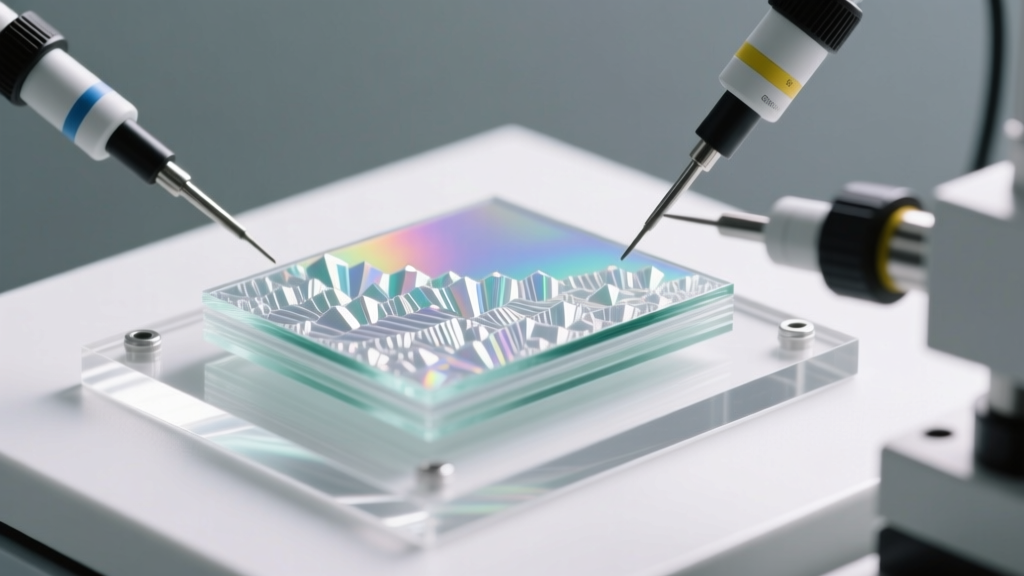
Types of Dual Air Spray Epoxy Resin Glue
Dual air spray epoxy resin glue is a two-component adhesive system that combines resin and hardener in a precise ratio, delivered through an air-assisted spray system for fast, even application. These adhesives cure to form strong, durable bonds and are widely used across industrial, automotive, marine, and aerospace applications. Understanding the different types of dual air spray epoxy resin glues helps users select the optimal product based on environmental conditions, substrate materials, and performance requirements.
Automotive Epoxy Resin Glue
Specially engineered for high-stress environments in vehicles, this epoxy offers excellent resistance to vibration, thermal cycling, and mechanical load.
Advantages
- Exceptional bonding strength on metal substrates
- Resistant to oil, fuel, and road chemicals
- Withstands extreme temperature fluctuations (-40°C to 150°C)
- Reinforces structural integrity in repairs
Limitations
- Requires surface preparation for optimal adhesion
- Longer cure time compared to fast-setting alternatives
- May require heat curing for full performance
Best for: Engine components, chassis repairs, rust protection, and underbody coatings
Aerospace Epoxy Resin Glue
Formulated for mission-critical applications where reliability, weight savings, and performance under extreme conditions are paramount.
Advantages
- Ultra-high strength-to-weight ratio
- Excellent fatigue and creep resistance
- Bonds advanced composites like carbon fiber and Kevlar
- Operates reliably at altitudes and in vacuum conditions
Limitations
- High cost due to specialized formulation
- Stringent handling and storage requirements
- Requires precise mixing and application controls
Best for: Aircraft fuselage assembly, wing structures, satellite components, and composite bonding
Water-Resistant Epoxy Resin Glue
Designed for marine and outdoor environments, this epoxy forms a waterproof seal that resists hydrolysis and UV degradation.
Advantages
- Performs reliably in constant or intermittent water exposure
- Resists saltwater, humidity, and moisture ingress
- Maintains bond strength when submerged
- UV-stabilized to prevent yellowing and embrittlement
Limitations
- May require longer cure time in cold, wet conditions
- Surface must be dry during initial application
- Pot life can be reduced in humid environments
Best for: Boat hulls, deck fittings, outdoor furniture, docks, and marine electronics enclosures
High-Temperature Epoxy Resin Glue
Engineered to maintain adhesive performance under prolonged exposure to intense heat, often exceeding 150°C (300°F).
Advantages
- Stable up to 200–250°C depending on formulation
- Retains structural integrity in thermal cycling
- Excellent electrical insulation properties
- Resists thermal degradation and charring
Limitations
- Higher viscosity may affect sprayability
- Requires elevated temperature for full cure in many cases
- More brittle at room temperature compared to standard epoxies
Best for: Engine blocks, exhaust systems, electronic potting, and heat shield bonding
Flexible Epoxy Resin Glue
Incorporates elastomeric modifiers to provide a resilient bond that accommodates movement, vibration, and thermal expansion.
Advantages
- Absorbs shock and vibration effectively
- Reduces stress concentration at bond lines
- Compatible with dissimilar materials (e.g., metal to plastic)
- Less prone to cracking under dynamic loads
Limitations
- Lower tensile strength than rigid epoxies
- May creep under sustained heavy loads
- Limited use in high-temperature environments
Best for: Automotive interiors, electronic housings, HVAC components, and vibration-prone assemblies
| Type | Temperature Range | Flexibility | Water Resistance | Primary Applications |
|---|---|---|---|---|
| Automotive | -40°C to 150°C | Moderate | High | Chassis, engine, underbody |
| Aerospace | -55°C to 180°C | Low | Very High | Aircraft, spacecraft, composites |
| Water-Resistant | -30°C to 120°C | Low to Moderate | Excellent | Marine, outdoor, submerged |
| High-Temperature | Up to 250°C | Low | High | Engines, electronics, insulation |
| Flexible | -30°C to 100°C | High | Moderate | Interiors, electronics, dynamic joints |
Expert Tip: For dual air spray systems, always ensure the mixing ratio (typically 1:1 or 2:1) is precisely calibrated. Inconsistent mixing can lead to incomplete curing, reduced bond strength, or tacky surfaces. Regular nozzle cleaning prevents clogging and ensures uniform spray patterns.
Features of Dual Air Spray Epoxy Resin Glue
Dual air spray epoxy resin glue is a revolutionary adhesive solution that combines the ease of aerosol application with the strength and durability of traditional epoxy systems. Engineered for both professional and DIY users, this advanced bonding agent delivers consistent, high-performance results across a wide range of materials and environments. Its innovative design simplifies complex bonding tasks while ensuring reliability, speed, and precision.
Key Features and Benefits
Aerosol Application
The dual air spray system utilizes an aerosol delivery mechanism that merges the convenience of a spray can with the structural integrity of epoxy resin. This allows for uniform, controlled application over large or complex surfaces without dripping, pooling, or uneven coverage.
Unlike traditional brush-on or syringe-applied epoxies, this method significantly reduces user fatigue and application time. It also minimizes product waste by enabling targeted spraying, making it ideal for overhead, vertical, or hard-to-reach areas where precision matters.
Tough Bonding Capability
Formulated for maximum adhesion, this epoxy glue creates exceptionally strong, long-lasting bonds across diverse substrates including metal, wood, ceramics, plastics, fiberglass, and composites. The chemical structure of the cured resin forms a molecular bridge between surfaces, resisting shear, peel, and impact forces.
Its waterproof and weather-resistant properties make it suitable for both indoor and outdoor use—ideal for marine applications, exterior repairs, or environments exposed to moisture, UV radiation, or temperature extremes. Once cured, the bond maintains integrity even under continuous stress or vibration.
Rapid Curing Time
One of the standout advantages of dual air spray epoxy is its accelerated curing process. While conventional epoxies may require several hours—or even days—to reach full strength, this formulation sets in minutes and achieves handling strength within 10–15 minutes.
Full bond development typically occurs within 1–2 hours, allowing for faster project completion and reduced downtime. This rapid cure is especially beneficial in production settings, emergency repairs, or time-sensitive construction tasks where delays are costly.
Dual-Component System
This adhesive employs a two-part chemistry—resin and hardener—delivered simultaneously through a specialized spray nozzle that ensures a precise 1:1 mixing ratio with every use. The integrated mixing chamber eliminates the need for manual blending, reducing human error and inconsistent ratios that lead to weak bonds or incomplete curing.
The aerosol propulsion system automatically agitates and combines the components during application, ensuring homogeneity and optimal chemical reaction. This results in consistent performance, reliable strength, and minimal post-application defects such as bubbles or soft spots.
Enhanced Durability
Once cured, the epoxy forms a tough, resilient layer that resists abrasion, impact, chemicals (including solvents, oils, and mild acids), and extreme temperatures ranging from -40°C to over 120°C depending on formulation. This makes it highly suitable for demanding applications in automotive, industrial equipment, and outdoor infrastructure.
The durable finish also acts as a protective barrier against corrosion and moisture ingress, extending the lifespan of repaired components. Whether used on engine parts, pipelines, or structural joints, it provides lasting protection against environmental degradation and mechanical wear.
Precision Control
The spray nozzle offers adjustable flow settings, allowing users to fine-tune the amount and spread of adhesive. This level of control is crucial for delicate or intricate work such as electronics repair, model building, or bonding fragile materials where excess glue could cause damage or misalignment.
With directional spray patterns and quick shutoff, users can apply the epoxy exactly where needed, reducing cleanup time and material waste. This feature enhances efficiency, especially in repetitive or high-volume applications, while maintaining professional-grade accuracy.
| Feature | Performance Benefit | Recommended Applications |
|---|---|---|
| Aerosol Application | Fast, even coverage; reduced mess and waste | Large surface bonding, overhead repairs, complex geometries |
| Tough Bonding Capability | Strong adhesion across multiple substrates | Metal fabrication, plastic repair, ceramic restoration |
| Rapid Curing Time | Quick set time; minimal downtime | Emergency fixes, production lines, field repairs |
| Dual-Component System | Automated mixing; consistent results | Industrial maintenance, automotive assembly, DIY projects |
| Enhanced Durability | Resists heat, chemicals, and physical stress | Underhood repairs, marine environments, outdoor fixtures |
| Precision Control | Targeted application with minimal overspray | Fine crafts, electronics, precision engineering |
Why Choose Dual Air Spray Epoxy Resin Glue?
Important: Always shake the can thoroughly before use and test spray on a scrap surface to ensure proper mixing and nozzle function. Apply in a well-ventilated area and wear protective gloves and eyewear. Do not use near open flames or at temperatures below 10°C, as this may affect curing performance. Store upright in a cool, dry place away from direct sunlight.
Uses of Dual Air Spray Epoxy Resin Glue
Dual air spray epoxy resin glue is a high-performance adhesive known for its rapid application, consistent coverage, and exceptional bonding strength. Its two-component formula—activated by dual air spray technology—ensures even mixing and quick curing, making it ideal for both industrial and DIY applications. Below is a detailed breakdown of its most prominent uses across industries and everyday scenarios.
Automotive Repairs
Dual air spray epoxy resin is a staple in automotive maintenance and repair due to its ability to form strong, durable bonds on metal surfaces. It's commonly used to repair structural components such as chassis, engine mounts, and suspension parts.
- Provides high tensile and shear strength, ideal for load-bearing metal joints
- Resists extreme temperatures (up to 300°F/150°C), making it suitable for engine bay applications
- Chemical-resistant properties protect against oil, coolant, and road salts
- Used to fix broken headlights, mirrors, and body panels—its optical clarity ensures an invisible repair
- Sprayer application allows precise, even coating without drips or bubbles
Pro tip: Ideal for emergency field repairs where welding isn’t feasible.
Household Fixes
This epoxy is a trusted solution for repairing furniture, cabinetry, and general home maintenance. Its ability to bond dissimilar materials makes it a versatile tool for DIYers.
- Restores cracked wooden tables, chairs, and shelves with structural integrity
- Bonds metal brackets, drawer slides, and hinges securely
- Water-resistant formula works well in kitchens and bathrooms
- Used in assembling shelves, picture frames, and decorative woodwork
- Clear finish maintains the aesthetic of natural wood and finishes
Bonus benefit: No clamping required in most cases due to fast grab and cure time.
Electronic Device Repairs
Due to its excellent electrical insulation and precision application, dual air spray epoxy is widely used in electronics for both structural and protective purposes.
- Secures loose components on circuit boards without risk of short circuits
- Reinforces connectors and ports in smartphones, tablets, and laptops
- Protects sensitive areas from moisture and vibration damage
- Non-conductive nature ensures safety in high-voltage or compact devices
- Thin, controlled spray prevents over-application in tight spaces
Technical note: Always allow full cure (typically 24 hours) before powering devices.
Marine Applications
The dual air spray epoxy resin excels in marine environments where resistance to water, salt, and UV exposure is critical.
- Repairs cracks and leaks in fiberglass boat hulls and decks
- Bonds metal fittings, cleats, and railings to composite surfaces
- Resists osmosis and delamination in long-term underwater exposure
- Used to fix fishing rods, tackle boxes, and marine electronics housings
- UV-stable formulation prevents yellowing and degradation in sunlight
Key advantage: One of the few adhesives that maintain bond strength after prolonged saltwater immersion.
Art and Craft Projects
Artists and crafters favor this epoxy for its versatility, clarity, and strong adhesion across diverse materials.
- Bonds metal, glass, plastic, wood, and ceramics in mixed-media sculptures
- Creates seamless joints in resin art, jewelry, and decorative panels
- Used as a protective coating or encapsulant for layered artwork
- Clear drying finish enhances the visual depth of crafts without discoloration
- Spray application allows even layering without brush marks
Creative tip: Combine with pigments or dyes for colored adhesive effects in artistic designs.
Professional Insight: The dual air spray system ensures optimal resin-to-hardener ratio, eliminating the risk of under-mixing common in manual applications. This results in consistent performance, faster curing, and superior bond strength across all uses. Always work in a well-ventilated area and wear protective gear when spraying.
| Application Area | Key Benefit | Cure Time (Approx.) | Material Compatibility |
|---|---|---|---|
| Automotive | Heat & chemical resistance | 30 min (tack-free), 24 hr (full) | Metal, fiberglass, plastics |
| Household | Structural reinforcement | 45 min (tack-free), 24 hr (full) | Wood, metal, ceramics |
| Electronics | Electrical insulation | 1 hr (tack-free), 24 hr (full) | Plastic, circuit boards, metal |
| Marine | Water & UV resistance | 1 hr (tack-free), 48 hr (full) | Fiberglass, aluminum, composites |
| Arts & Crafts | Optical clarity | 30–60 min (tack-free), 24 hr (full) | Glass, metal, resin, wood |
Additional Considerations
- Surface Preparation: For maximum adhesion, clean and lightly abrade surfaces before application
- Temperature Range: Optimal curing occurs between 60°F–80°F (15°C–27°C)
- Storage: Store components in a cool, dry place; avoid moisture contamination
- Safety: Use in ventilated areas; wear gloves and eye protection
- Eco-Friendly Options: Some formulations now include bio-based resins to reduce environmental impact
How to Choose Dual Air Spray Epoxy Resin Glue: A Comprehensive Buyer’s Guide
Selecting the right dual air spray epoxy resin glue is essential for achieving strong, durable, and reliable bonds across a wide range of materials and applications. Whether you're a professional contractor, DIY enthusiast, or industrial user, understanding the key selection criteria ensures optimal performance and value. This guide walks you through the most important factors to consider when purchasing high-quality dual air spray epoxy resin glue, helping you make informed decisions and stock the best products for your needs.
Safety Note: Always use dual air spray epoxy resins in a well-ventilated area and wear appropriate personal protective equipment (PPE), including nitrile gloves, safety goggles, and a respirator if working in enclosed spaces. Follow manufacturer instructions carefully to avoid skin contact and inhalation of fumes.
Key Factors to Consider When Choosing Dual Air Spray Epoxy Resin Glue
- Application Requirements
Identify the primary use case before selecting an epoxy. Different formulations are designed for specific tasks:
- General Repairs: Ideal for fixing broken tools, household items, or non-structural components.
- Automotive Applications: Look for impact-resistant, vibration-tolerant formulas suitable for under-hood or chassis repairs.
- Marine & Outdoor Use: Choose waterproof, UV-resistant variants for boats, decks, or exterior fixtures.
- Crafts & Art Projects: Opt for clear, low-odor epoxies that cure with minimal yellowing.
Stocking a variety of application-specific epoxies ensures you’re prepared for diverse repair and bonding challenges.
- Bonding Strength and Structural Performance
The strength of the epoxy should match the mechanical demands of the bonded joint:
- High-Strength Epoxies: Offer tensile strengths of 3,000–5,000 psi, suitable for load-bearing joints, metal-to-metal bonding, or structural repairs.
- Medium-Strength Formulas: Ideal for light-duty repairs, plastic bonding, or non-critical assemblies.
- Flex-Resistant Options: Some epoxies maintain strength under stress or thermal cycling, crucial for dynamic environments.
Check product datasheets for shear, tensile, and peel strength ratings to ensure compatibility with your project’s load requirements.
- Material Compatibility
Not all epoxies bond equally well to every surface. Ensure the glue is formulated for your target materials:
- Metals: Steel, aluminum, copper, and brass typically bond well with most epoxies.
- Plastics: ABS, PVC, and polycarbonate require specialized adhesives; avoid using on polyethylene or polypropylene without surface treatment.
- Wood & Composites: Penetrating epoxies work best for porous materials.
- Ceramics & Glass: Use clear, high-shear epoxies for transparent, strong bonds.
Always clean and lightly abrade surfaces before application to maximize adhesion.
- Environmental Resistance Properties
Dual air spray epoxies are often used in harsh conditions. Evaluate resistance to:
- Water & Moisture: Waterproof epoxies are essential for plumbing, marine, or outdoor applications.
- Heat & Cold: High-temperature epoxies can withstand up to 300°F (150°C), while cold-cure variants work in sub-zero environments.
- Chemicals: Resistant to fuels, solvents, acids, or alkalis—critical in industrial or automotive settings.
- UV Exposure: UV-stable formulations prevent yellowing and degradation in sunlight.
Choose a formulation that matches the environmental stressors your bond will face for long-term durability.
- Ease of Use and Application Efficiency
The dual air spray system offers several advantages over traditional mixing methods:
- Precise Mixing: Ensures a consistent 1:1 (or manufacturer-specified) ratio of resin and hardener, eliminating weak bonds from improper mixing.
- Even Coverage: Spraying allows uniform application over large or complex surfaces.
- Faster Application: Reduces labor time compared to hand mixing and brushing.
- Curing Time: Look for fast-cure options (15–30 minutes) for quick repairs, or extended-cure formulas (several hours) for large projects requiring workability.
Consider whether the system includes disposable nozzles, easy-clean features, or refillable cartridges for convenience and cost-efficiency.
- Brand Reputation and Customer Feedback
Trusted brands invest in R&D, quality control, and customer support. When evaluating options:
- Check independent reviews on retail and industry platforms for real-world performance insights.
- Look for recurring praise in areas like bond strength, ease of dispensing, and shelf life.
- Note common complaints—such as clogging nozzles, inconsistent spray patterns, or short pot life.
- Verify warranty, technical support availability, and compliance with safety standards (e.g., OSHA, REACH).
Brands with strong customer service and transparent labeling often provide more reliable and consistent results.
| Selection Factor | Best For | Avoid If | Recommended Features |
|---|---|---|---|
| Application Type | Matching glue to task (e.g., marine, automotive) | Using general-purpose glue for extreme environments | Specialized formulations, clear labeling |
| Bonding Strength | Structural repairs, heavy loads | Over-engineering light-duty projects | Tensile strength >3,000 psi, impact resistance |
| Material Compatibility | Mixed-material bonding (metal-plastic, wood-ceramic) | Bonding low-surface-energy plastics without prep | Adhesion chart, surface primer options |
| Environmental Resistance | Outdoor, wet, or high-heat environments | Indoor decorative use with UV-sensitive epoxies | Waterproof, heat-resistant, UV-stable |
| Ease of Use | Large surfaces, repetitive tasks | Small, precise repairs needing fine control | Dual air spray, quick-cure, clog-resistant nozzles |
| Brand & Reviews | Consistent quality and reliability | Unproven or off-brand products with no feedback | Positive user ratings, technical support, safety certifications |
Expert Tip: Before committing to bulk purchases, test a sample unit of the dual air spray epoxy on actual materials you plan to bond. This helps verify adhesion, curing behavior, and ease of application under real conditions—saving time and resources in the long run.
Additional Buying and Storage Recommendations
- Check expiration dates—epoxy resin degrades over time, especially if improperly stored.
- Store in a cool, dry place away from direct sunlight to extend shelf life.
- Keep nozzles capped and clean after use to prevent clogging.
- Consider kits with multiple viscosity options (low for penetration, high for gap-filling).
- Look for recyclable packaging or refill systems to reduce waste and cost.
Choosing the right dual air spray epoxy resin glue isn’t just about strength—it’s about matching the product to your specific needs in terms of application, environment, materials, and usability. By evaluating each factor carefully and relying on trusted brands with proven performance, you can ensure durable, high-quality bonds every time. Whether for professional use or personal projects, the right epoxy makes all the difference in reliability and results.
Frequently Asked Questions About Epoxy Resin Spray Adhesive
Q1: What is epoxy resin spray glue used for?Epoxy resin spray glue is a high-performance adhesive known for its strong bonding capabilities across a wide range of materials. Unlike traditional adhesives, it combines the convenience of a spray application with the durability and strength of epoxy chemistry.
It is commonly used in both industrial and consumer applications due to its versatility and reliability. Key uses include:
- Industrial Repairs: Frequently used in automotive and aerospace sectors for bonding metal components, repairing composite parts, and securing trim or panels.
- Material Bonding: Excels at joining dissimilar materials such as metal to plastic, wood to ceramic, or composite to rubber—making it ideal for complex assemblies.
- Household Fixes: Applied in DIY projects for repairing furniture, ceramics, or plastic items around the home.
- Electronics: Used to secure components or reinforce connections where mechanical stability is needed without conductive risk.
- Marine & Outdoor Applications: Its waterproof and weather-resistant properties make it suitable for repairing boats, outdoor gear, and garden equipment exposed to moisture and UV radiation.
Due to its fast application and strong hold, epoxy resin spray glue is increasingly favored over liquid epoxies in situations requiring precision, speed, and clean finishes.
Q2: How long does it take for epoxy resin spray adhesive to cure?The curing time for epoxy resin spray adhesive varies depending on the formulation, ambient temperature, humidity, and thickness of application. However, general benchmarks are as follows:
- Tack-Free Time: Most sprays become non-tacky within 15–30 minutes, allowing light handling.
- Initial Cure: The adhesive typically reaches about 80% of its final strength within 4–6 hours.
- Full Cure: Complete curing and maximum bond strength are usually achieved after 24 hours under normal conditions (20–25°C, moderate humidity).
Environmental factors can significantly affect drying times:
- Cooler temperatures or high humidity may extend curing time.
- Warmer environments can accelerate the process but may reduce working time.
Pro Tip: Always refer to the manufacturer’s technical data sheet for exact curing timelines and recommended application conditions to ensure optimal performance and safety.
Q3: Can epoxy resin spray adhesive withstand heat?Yes, most epoxy resin spray adhesives offer excellent heat resistance compared to other types of adhesives, making them suitable for high-temperature environments.
Here’s a breakdown of typical heat tolerance levels:
| Adhesive Type | Heat Resistance Range | Common Applications |
|---|---|---|
| Standard Epoxy Spray | Up to 130°C (266°F) | General repairs, household use, automotive interiors |
| High-Temperature Epoxy Spray | 150–200°C (302–392°F) | Engine components, exhaust systems, industrial machinery |
| Specialty/Extreme Heat Formulations | Over 200°C (392°F) | Aerospace, motorsports, heavy-duty equipment |
These adhesives maintain structural integrity under thermal cycling and resist degradation from short-term heat spikes. However, prolonged exposure beyond the rated temperature can weaken the bond. Always select a product specifically designed for high-heat environments when needed.
Q4: Is it necessary to sand surfaces before applying dual air spray epoxy glue?While not always mandatory, sanding surfaces before applying dual air spray epoxy glue is highly recommended to ensure a strong, long-lasting bond.
Sanding serves several critical purposes:
- Increases Surface Area: Creates micro-grooves that allow the adhesive to mechanically interlock with the material.
- Removes Contaminants: Eliminates oxidation, oils, dust, or old coatings that could interfere with adhesion.
- Breaks Glossy Finishes: Smooth or polished surfaces (like plastics or varnished wood) are prone to poor bonding—sanding dulls the surface for better grip.
- Improves Wetting: Helps the adhesive spread evenly and penetrate the substrate for a more uniform bond line.
Best Practices:
- Use fine-grit sandpaper (120–220 grit) for most materials.
- Clean surfaces with isopropyl alcohol after sanding to remove dust and residue.
- Follow manufacturer guidelines—some advanced formulations include primers or promote adhesion on unsanded surfaces.
In professional and structural applications, surface preparation—including sanding—is considered essential for achieving optimal performance and safety.